
CalTrout is excited to announce that we are the recipient of three grants totaling over $5 million to fund large-scale fish passage improvement projects at Little Shasta River in the Shasta River Watershed, Mill Creek, a tributary to the Scott River in Siskiyou County, and Woodman Creek, a tributary to the Eel River in Mendocino County.
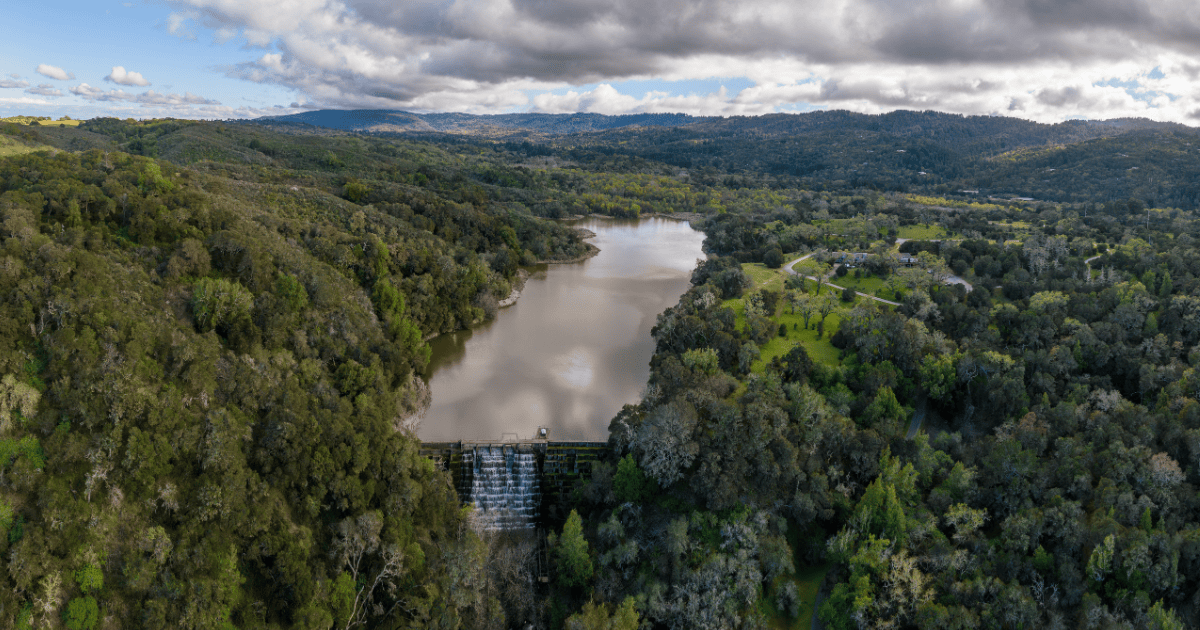
Our Shasta office will be implementing the Hart Ranch Instream Flow Enhancement Project thanks to a $2.2 million grant from the Wildlife Conservation Board using Proposition 1 funds. In cooperation with the U.S. Fish and Wildlife Service (USFWS), Natural Resources Conservation Service, The Nature Conservancy (TNC) and UC Davis Center for Watershed Sciences, the project involves dedicating 1.5 cubic feet per second (cfs) of cold water to the Little Shasta River on a privately owned land six miles east of Montague. This will be accomplished through a combination of on-farm efficiency savings and voluntary flow contributions from existing priority water rights. This water will enhance year round flows starting in the foothills and specifically target the out-migration of juvenile Coho salmon from April 1 through June 30.
The Shasta River was historically one of the most productive salmon streams in California. However, after more than a century of aquatic and riparian habitat degradation, dramatic declines in wild salmon populations have been observed, particularly with the federally threatened coho salmon. The observed decline of coho coincided with the development of both surface and groundwater sources in support of irrigated agricultural activities throughout the Shasta Basin including the Little Shasta River. The Little Shasta River is over-appropriated for agricultural use. During the recent drought, this led to “zero-flow” conditions throughout most of the lower valley reach. These conditions contribute to passage limitations for adult and juvenile salmonids, reductions in structurally complex aquatic habitat, and degraded water temperature conditions during juvenile coho over-summering. While a 1.5 cfs enhancement will not completely re-water the Little Shasta River year-around, it will significantly improve out-migration conditions and provide additional summer base flow, maintaining a wetted channel for a significantly longer a period of time.
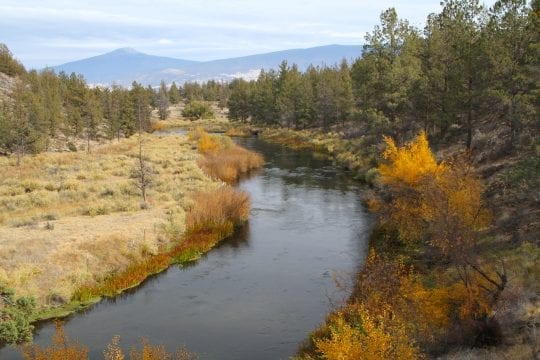
The Shasta will also be working on fish passage on Mill Creek (Shackleford Creek) with a $604,408 awarded from California Department of Fish and Wildlife’s Fisheries Restoration Grant Program. Mill Creek is an important tributary to Scott River –one of four major tributaries of the Klamath River and an important native coho salmon river in the Interior Klamath River diversity stratum.
This project replaces a heavily used, unimproved ford/low water crossing structure on Mill Creek that creates a partial barrier for juvenile coho salmon in search of rearing habitat – with a steel bridge. The unimproved ford, used year round by local residents accessing private property, also contributes to excessive sedimentation and degraded floodplain interactions with the natural stream channel.
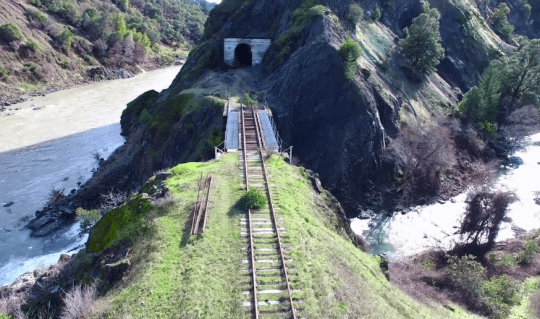
CalTrout’s North Coast office will be continuing on with their Woodman Creek Fish Passage Project thanks to $2.2 million in funding from California Department of Fish and Wildlife’s Fisheries Restoration Grant Program. Working in collaboration with Michael Love & Associates and Pacific Watershed Associates, the project involves removing the Northwest Pacific Railroad crossing at the mouth of Woodman Creek, a tributary to the Eel River. The railroad crossing is a complete barrier to upstream migration. Woodman Creek is listed in the National Marine Fisheries Service Recovery Plan with high Intrinsic Potential. This project is the single largest barrier removal project in the Eel River, and will restore the historic channel-mouth configuration to allow unimpeded Coho, Chinook, and steelhead access to approximately 14 miles of habitat that are currently unavailable. Fish passage assessment, design, and remediation has been a critically important restoration activity in salmonid-bearing streams throughout the North Coast Region, as a means to restore salmonids and ultimately the river ecosystems and the commercial and recreational salmon fisheries they support.
To learn more about this project, we encourage you to check out our short film Return to Abundance: Barrier Removal about our work on the Eel River.