Bays and estuaries across California provide important habitat for anadromous fish to grow and nurture their young before transitioning to life in the sea. However, since European settlement, much of that crucial fish habitat has been lost due to land use conversion. In the North Coast, over 95% of Humboldt Bay’s historic footprint has been altered by anthropogenic activity, much of it for agricultural uses. CalTrout’s recently completed restoration project on Cochran Creek will restore function back to a small yet important piece of the landscape.
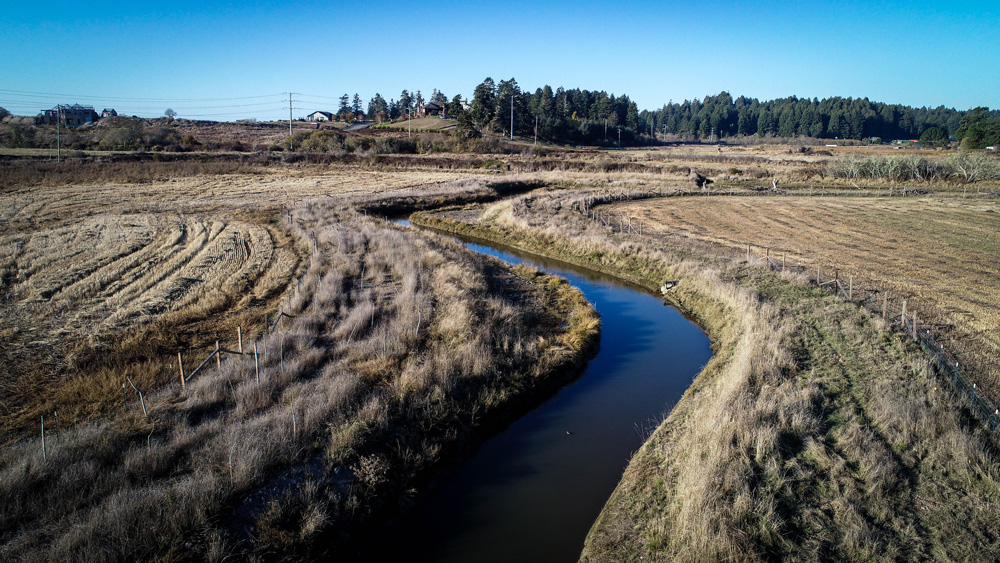
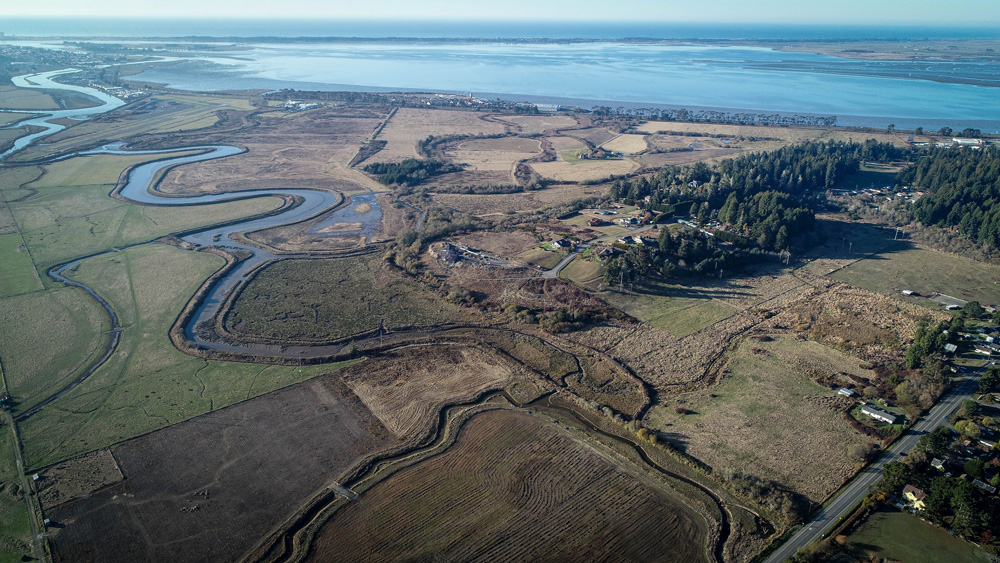
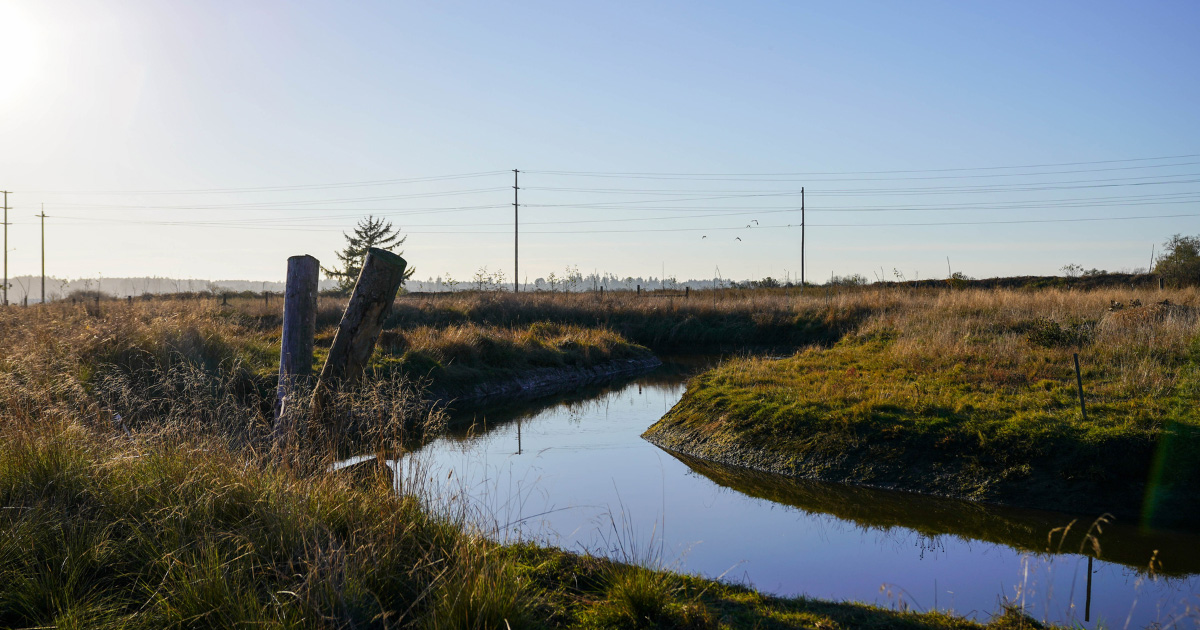
Located between the coastal towns of Eureka and Arcata, Cochran Creek is a small creek that flows into Humboldt Bay. The creek meanders through the lowlands around Humboldt Bay converted from a tidal marsh years ago. Similar to San Francisco Bay, the natural slough-channeled marshland was diked and drained and used for whatever met the demand of European settlers. In recent years in the fall, the landscape is dotted with orange as families venture from nearby towns to a seasonal pumpkin patch.
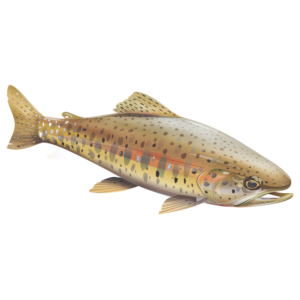
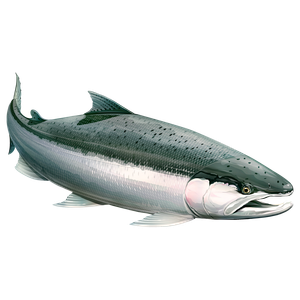
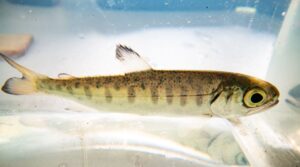
Cochran Creek is a small watershed (~1 square mile), but the creek offers important fish habitat for federally listed steelhead and coho salmon, and coastal cutthroat trout. CalTrout’s recently completed project restores connectivity from ocean to watershed and addresses some of the high-quality habitat that the Humboldt Bay coho salmon population needs.
“We are helping out the larger Humboldt Bay coho salmon population by giving them a place to live,” CalTrout North Coast Project Manager Matt Metheny said. “Brackish slough channels are excellent for winter rearing, which we think is the biggest challenge for this fish population. In other words, more coho die in the winter than in any other season.” The restored creek provides deep, slow moving water for fish to spend the winter.
Restoring Cochran Creek
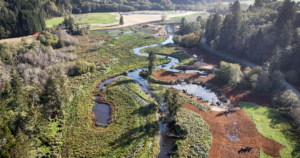
Over the past 165 years, Cochran Creek was shoved aside to make room for pastures, and a history of logging in the region meant the creek had filled in with sediment. Prior to CalTrout’s restoration, the creek was around a foot or two across and only a couple inches deep. Because it was such a small channel, the creek experienced frequent flooding into surrounding pastures. Through the restoration project, construction crews dug a much larger channel and re-created a floodplain with set-back dikes, allowing the creek to retain more water and minimizing the risk of floods. On the dikes and floodplain, crews planted riparian and wetland vegetation. Another component of the project was to install a fish-friendly tide gate that allows unimpeded volitional fish passage.
A tide gate is like a one-way valve. When the creek is flowing, the gate opens, allowing freshwater to drain to the bay. When high tide comes in downstream of the gate, it forces it closed keeping saltwater from inundating the agricultural pastures. This means that a channel that may naturally have had brackish water (a mix of fresh and ocean water) is now largely a freshwater stream. Through this project, CalTrout replaced the old tide gate with a new gate allowing for a muted tidal cycle (approximately 50-70% of the natural tidal volume), contained within the diked stream and floodplain corridor. This new gate allows the creek to contain highly-productive brackish water and its associated community of plants and fish. The old channel had around 50 feet of brackish water, and this restored channel contains over six acres of tidal marsh and slough channels.
Brackish water is important for salmon and steelhead because as the juvenile fish transition from freshwater to saltwater on the way to the ocean, their bodies must adjust. If the transition is abrupt, it can be a challenge for fish to survive. A larger amount of brackish water eases the transition on the fish’s physiology. Brackish water also produces more invertebrate food resources (i.e., bugs) resulting in productive rearing habitat for juvenile fish.
Collaboration Leads to a Reconnected Creek
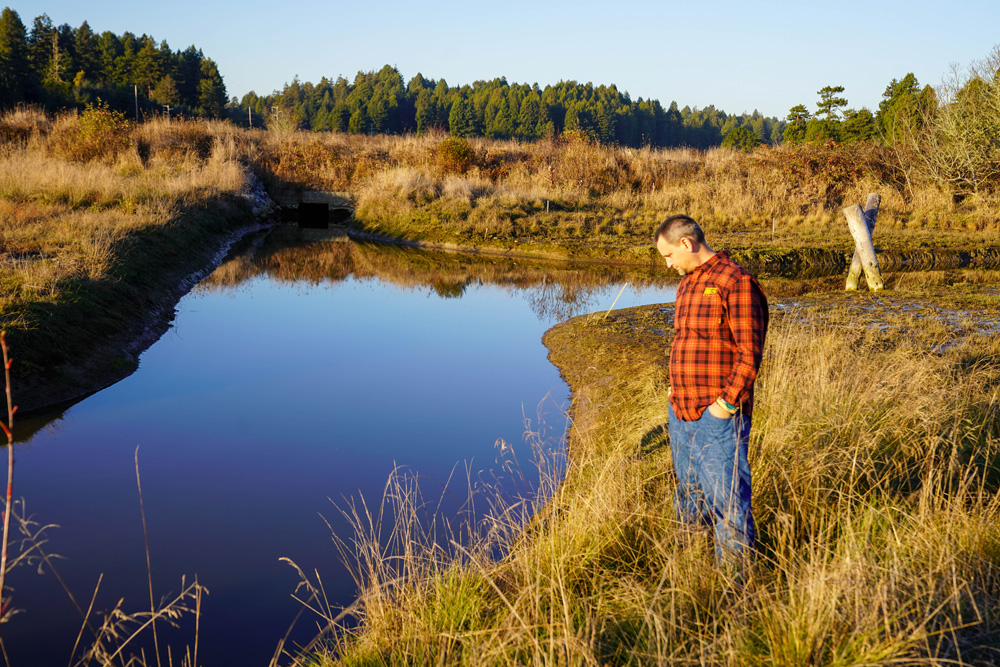
Since project completion, there has been a significant increase in use of the creek by coho salmon. Hundreds of coho salmon have been observed migrating from adjacent creeks to into the newly restored creek – a big change from the few fish that were previously observed in Cochran Creek.
“In a sense, we reconnected the creek with Humboldt Bay for the first time in 100 years. The creek’s previous connection to the bay was a one-way outflow connection, and fish could not come up the creek. Now fish are free to ride the tide into Cochran Creek and flow with the current,” Metheny said.
This project was highly dependent on the landowners’ support since Cochran Creek is located on private land. The landowners, John Gary and Heather Plaza, allowed over four acres of their farmland to be converted to habitat to allow for a wider creek channel. In exchange, CalTrout provided more protection and better drainage to their agricultural land. Construction crews built up berms along the creek to keep the brackish water from flooding the landowner’s fields during king tide events, reducing the threat of saltwater intrusion. The project was a win-win for both the landowner and for fish. The project may also reduce the risk of flooding on the adjacent road.
A strong coalition of partners was also key to the project’s success. Partners involved included: State Coastal Conservancy, the California Department of Fish and Wildlife’s Fisheries Restoration and Proposition 1 Grant programs, and the California Natural Resources Agency Environmental Enhancement and Mitigation Program (EEMP), John Gary and Heather Plaza (landowners), McBain Associates, Samara Restoration, Trinity Associates, CCC, Northern Hydrology and Engineering, Thomas Gast and Associates Environmental Associates, Pacific Earthscapes, and Nehalem Marine. CDFW, the Coastal Conservancy, and EEMP provided project funding.
What’s Next?
Aside from vegetation and fish monitoring, CalTrout’s work on Cochran Creek is complete. What’s next?
“In the greater Humboldt Bay watershed, there have been several other similar projects completed, but there is opportunity to do more,” Metheny said. In the future, CalTrout hopes to continue our work in these productive Humboldt Bay tributaries.