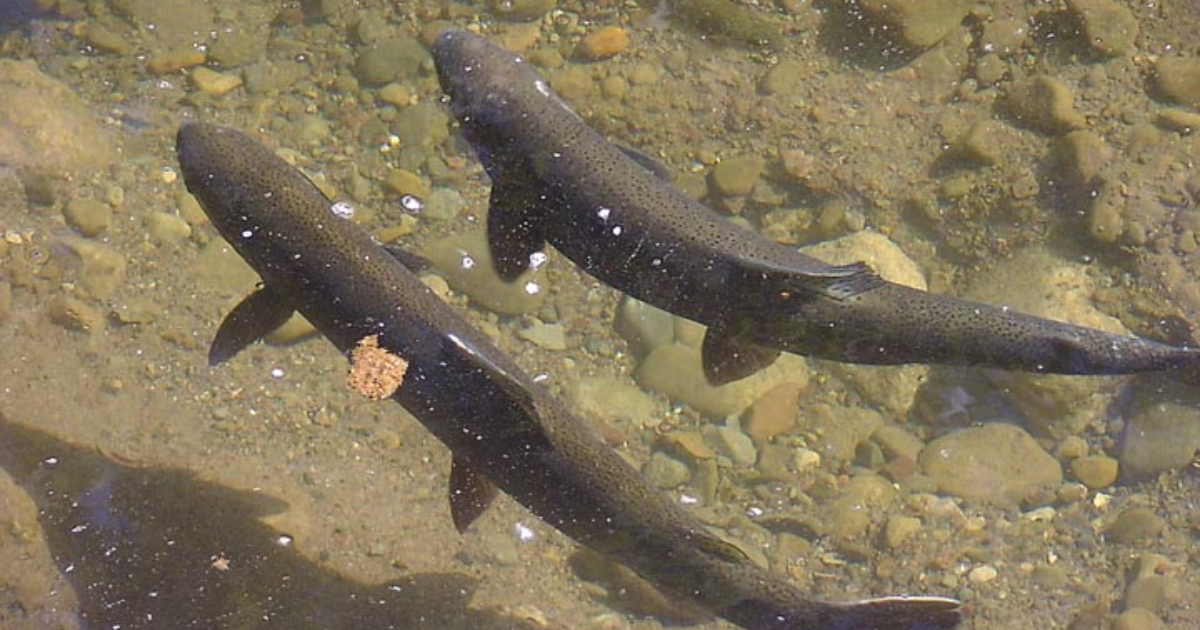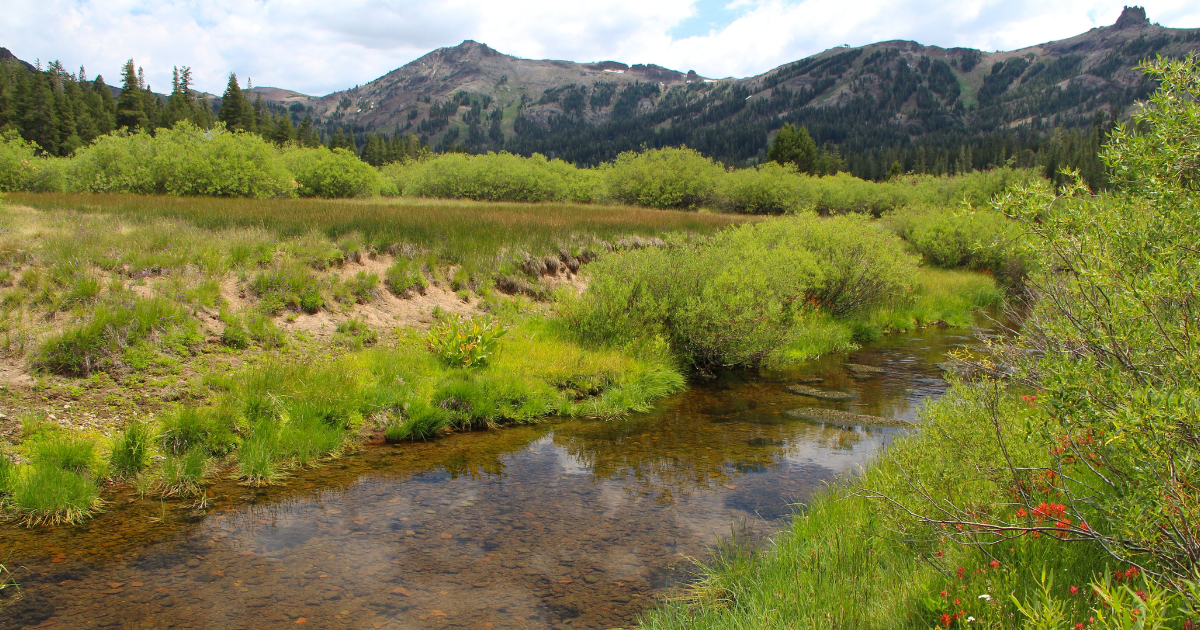
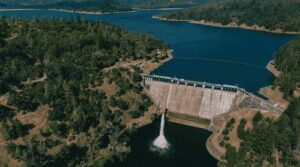
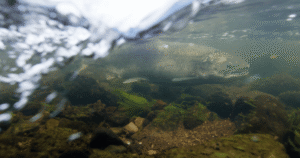
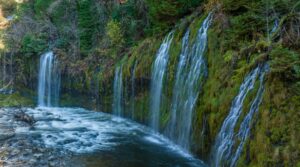
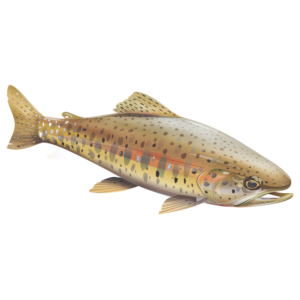
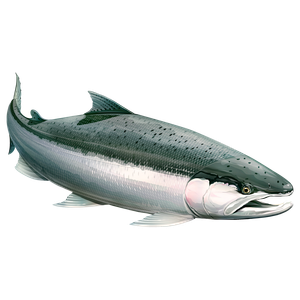
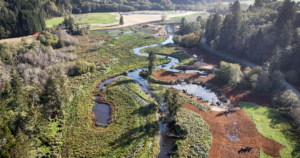

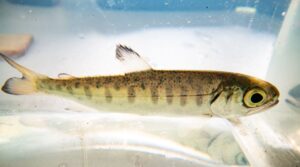
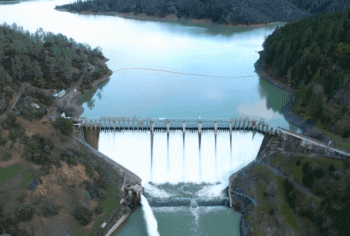
In the upper Eel River on the North Coast, recovery conversations are dominated by PG&E’s controversial hydropower project, the Potter Valley Project, which has drastic effects on the river’s salmon and steelhead populations. This hydro-electric project involves two dams that block access to over 100 miles of quality spawning and rearing habitat. Historically, the Eel River was one of the most prolific producers of wild salmon and steelhead in the Pacific Northwest. Imagine runs of over a million fish annually making their way through the estuary and up the river.
The big question is, are there ways to provide fish passage to the upper Eel watershed but still allow continued diversion to the Russian River?
Presently, we are at a crucial time to act. PG&E recently filed documents with the Federal Energy Regulatory Commission (FERC) to relicense the Potter Valley project, a process that will take a minimum of 5 years. The FERC relicensing process maintains the safety and integrity of large dams and gives regulators an opportunity to integrate the best available science into dam operations. That’s where CalTrout comes in. Our North Coast team is working with Humboldt State University to determine how many spawning fish the upper Eel reaches could sustain. We then use those scientific findings to help guide the relicensing process and work toward a solution that best promotes salmon and steelhead recovery. Learn more about CalTrout’s headwater-to-sea restoration project on the Eel River.
CalTrout’s North Coast Director Darren Mierau recently wrote an excellent op-ed article about this topic in the Press Democrat. Read on to get the full scoop from Darren on the background of the Potter Valley project and how we can use this relicensing process to better manage the needs of fish and people.
[gview file=”https://caltrout.org/wp-content/uploads/2017/05/PotterValley-PressDemocrat.pdf”]