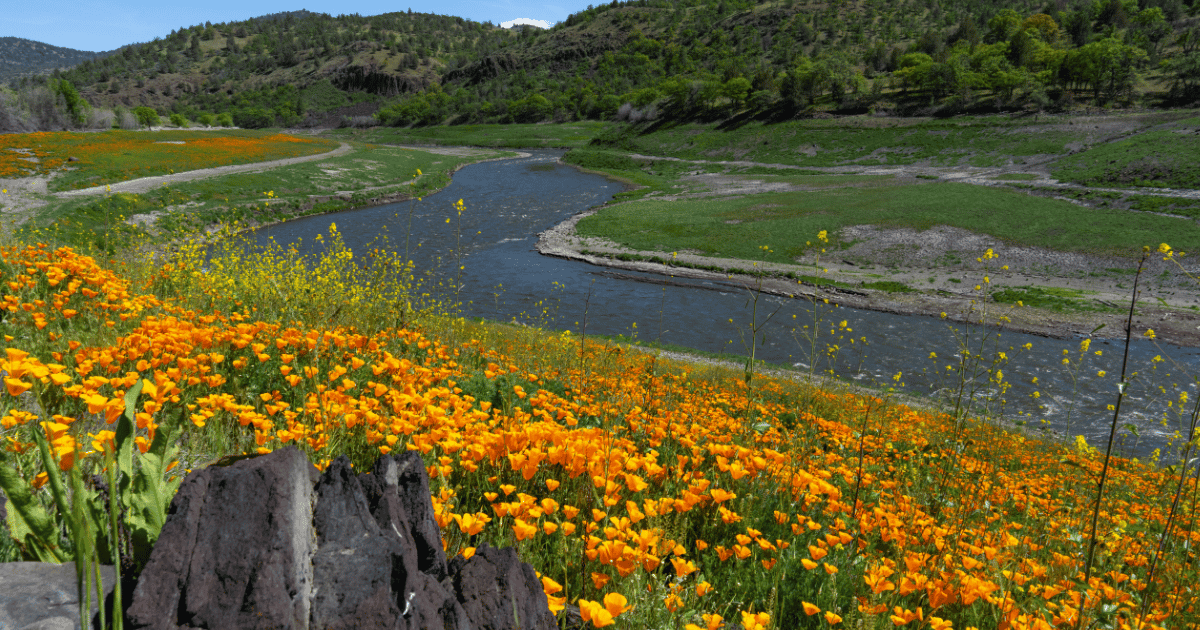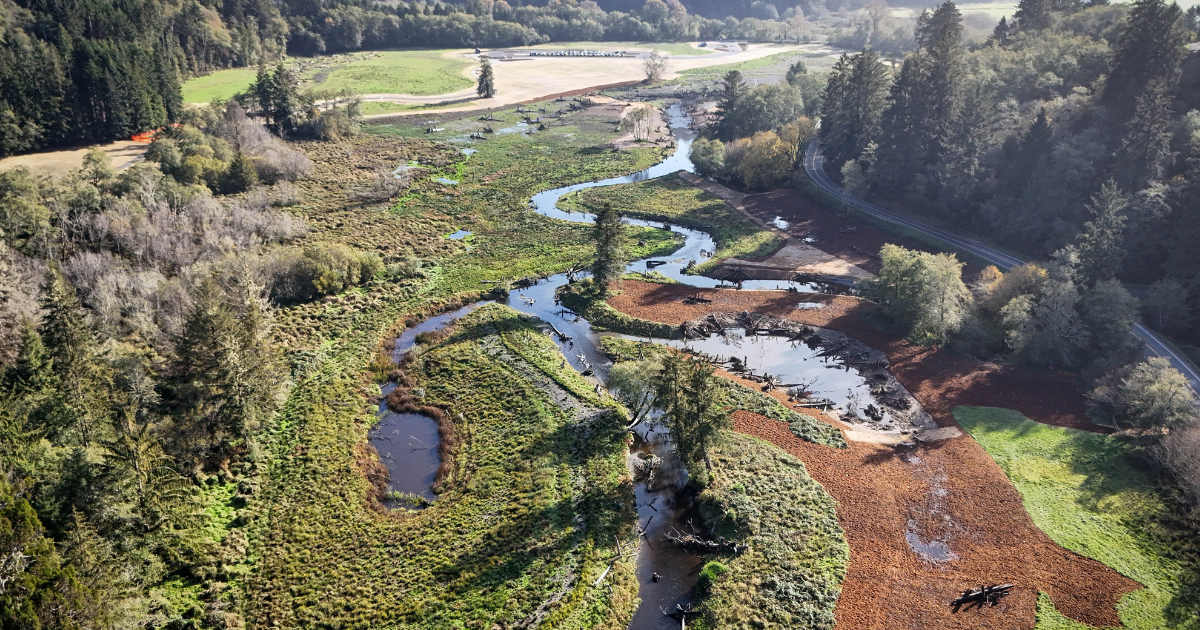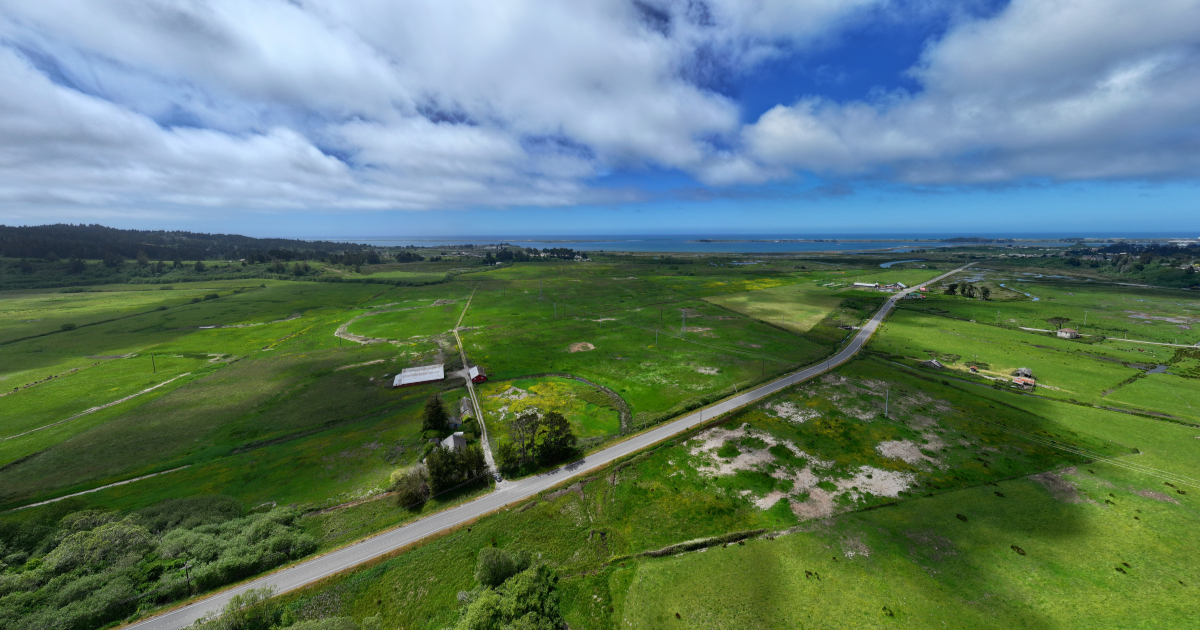
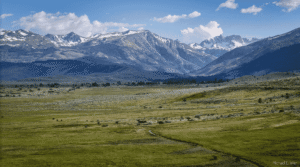

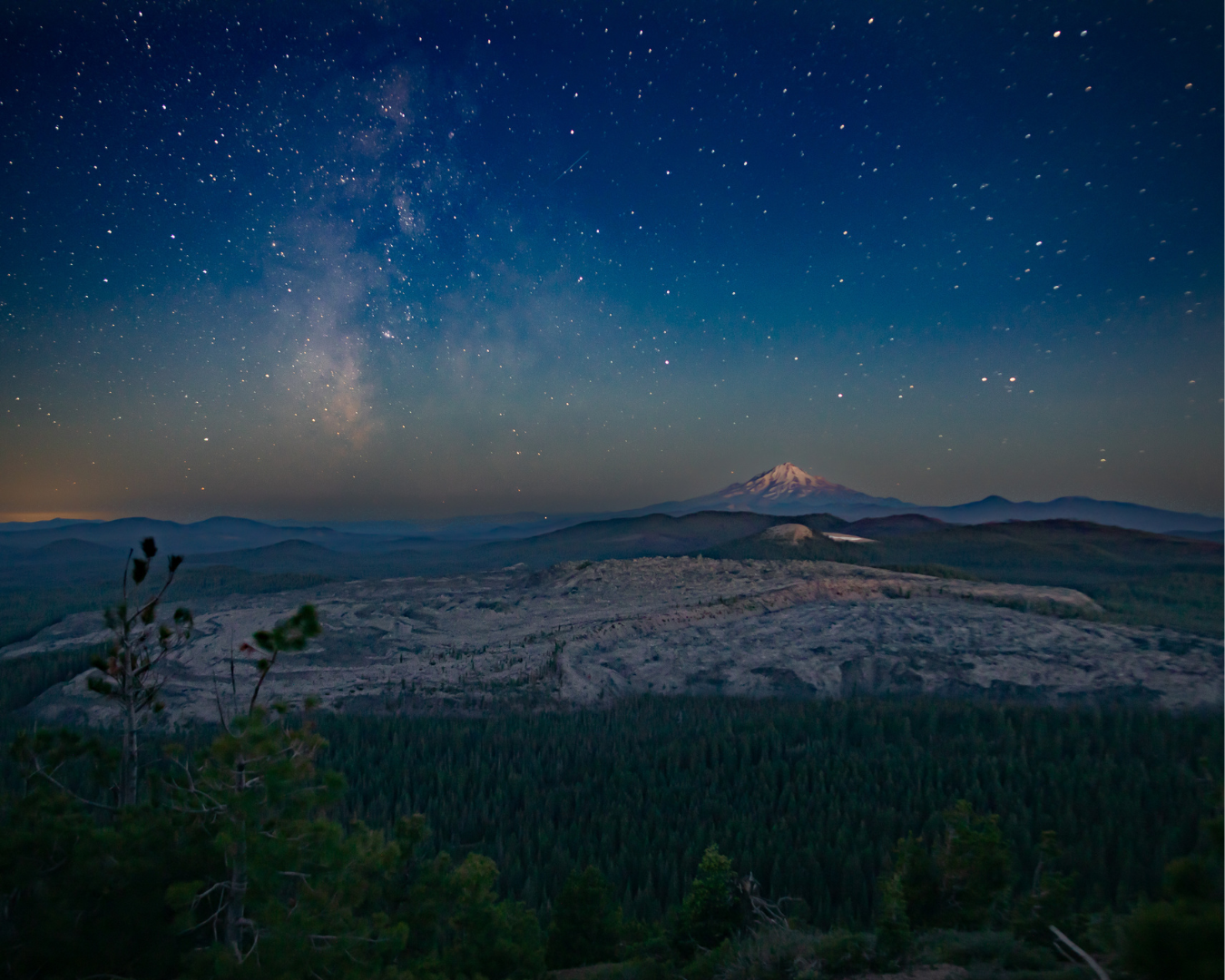
For generations, the volcanic highlands of northeastern California have held profound significance for the Pit River Tribe, who know this sacred landscape as Sáttítla. In January 2025, these lands gained permanent protection when former President Biden designated them as Sáttítla Highlands National Monument – a victory that safeguards both cultural heritage and critical water resources.
The journey to protect Sáttítla spans decades. In the mid-1980s the Bureau of Land Management (BLM) leased plots in the region for geothermal energy exploration, leading to decades of opposition by the Pit River Tribe in federal court over the extension of these leases and interference on these lands. Medicine Lake and its surrounding highlands, central to the Tribe’s religious and cultural practices, faced mounting pressure from geothermal development interests.
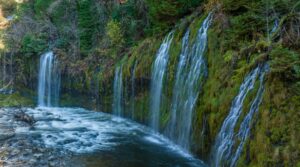
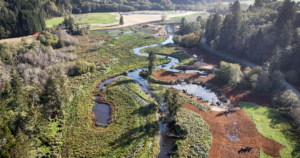
What makes this landscape extraordinary extends far below its surface. Its volcanic geology creates a unique set of ecological circumstances – the volcanic bedrock acts like a mega-sponge, creating aquifers below the surface that store an enormous amount of water. These aquifers feed powerful springs that form the headwaters of several major California rivers, providing reliable water sources for both wildlife and downstream communities.

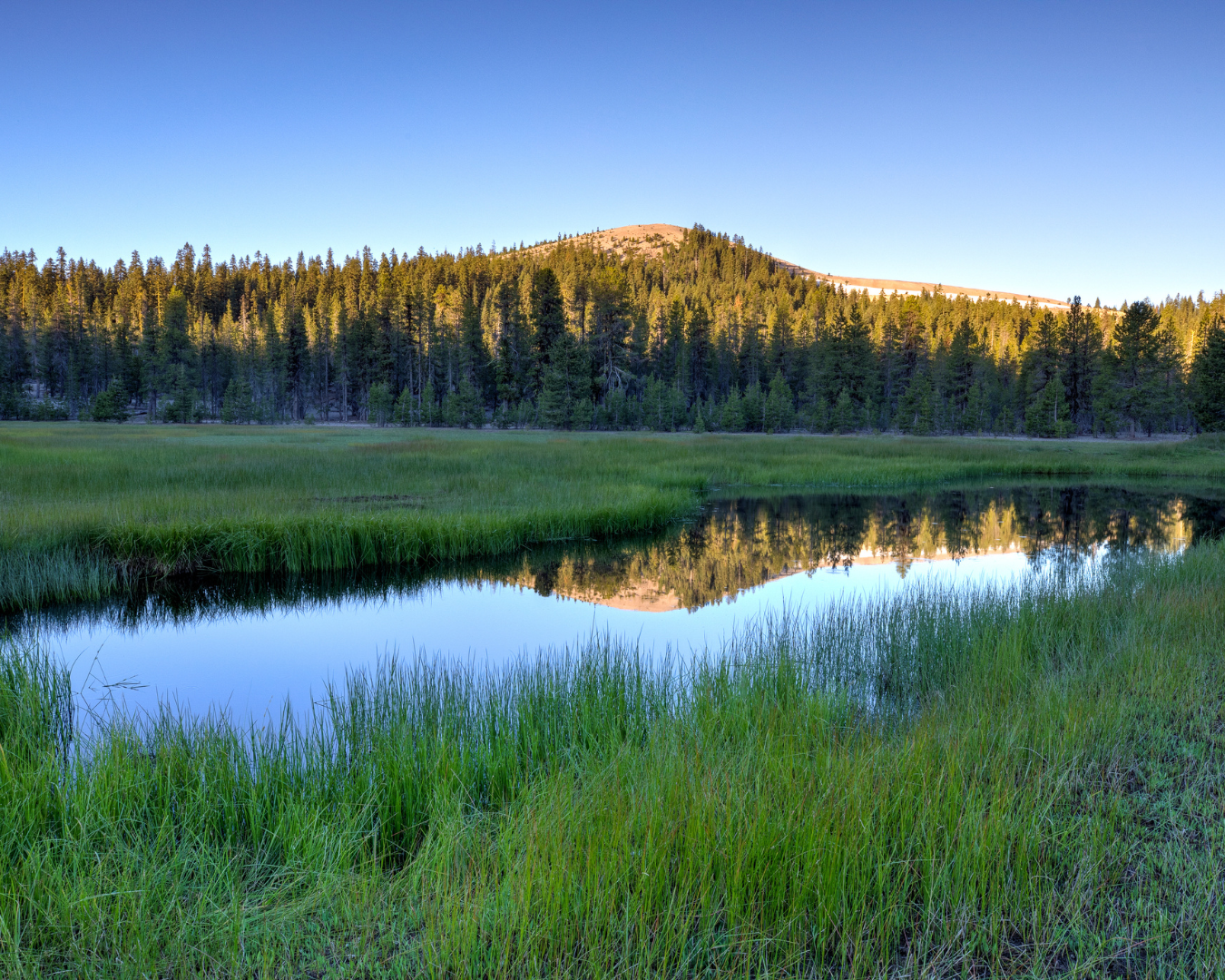
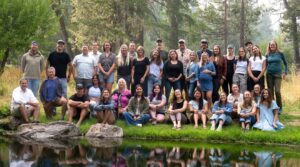
The unique hydrology of this region had been drawing CalTrout’s attention, and in partnership with California Department of Fish and Wildlife, CSU East Bay, UC Davis, and Lawrence Livermore National Laboratory, CalTrout launched a new scientific study of source waters in the Cascade Range during the summer of 2023, including research locations in Sáttítla. The goal of the study is to gain a deeper understanding of how springs function. Specifically, we were looking for insight into how these water sources might offer climate resilience strategies, as spring-fed rivers maintain more stable flows during drought compared to those dependent on rainfall or snowmelt. Spring waters that emerge from the volcanic rocks of Northern California’s Cascade Range are of critical importance for water security for both fish and people, yet relatively little is known about them and how they have been affected by recent drought and other climate change impacts.
Synchronistically, CalTrout had the opportunity to join the emerging national monument campaign to protect Sáttítla permanently in late 2023, just months after the launch of this study. The campaign, led by the Pit River Tribe, aligned with CalTrout’s mission to protect vital watersheds while honoring indigenous leadership in conservation.
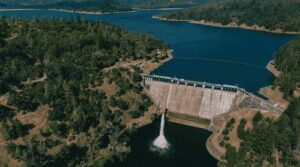
The Pit River Tribe’s extensive restoration work and advocacy throughout their territory has enhanced fisheries and water resources that serve not just their people, but many Californians, by supporting recreational opportunities to providing clean water and hydroelectric power for communities downstream. The campaign to establish Sáttítla Highlands National Monument builds on their legacy of environmental stewardship benefitting various communities.
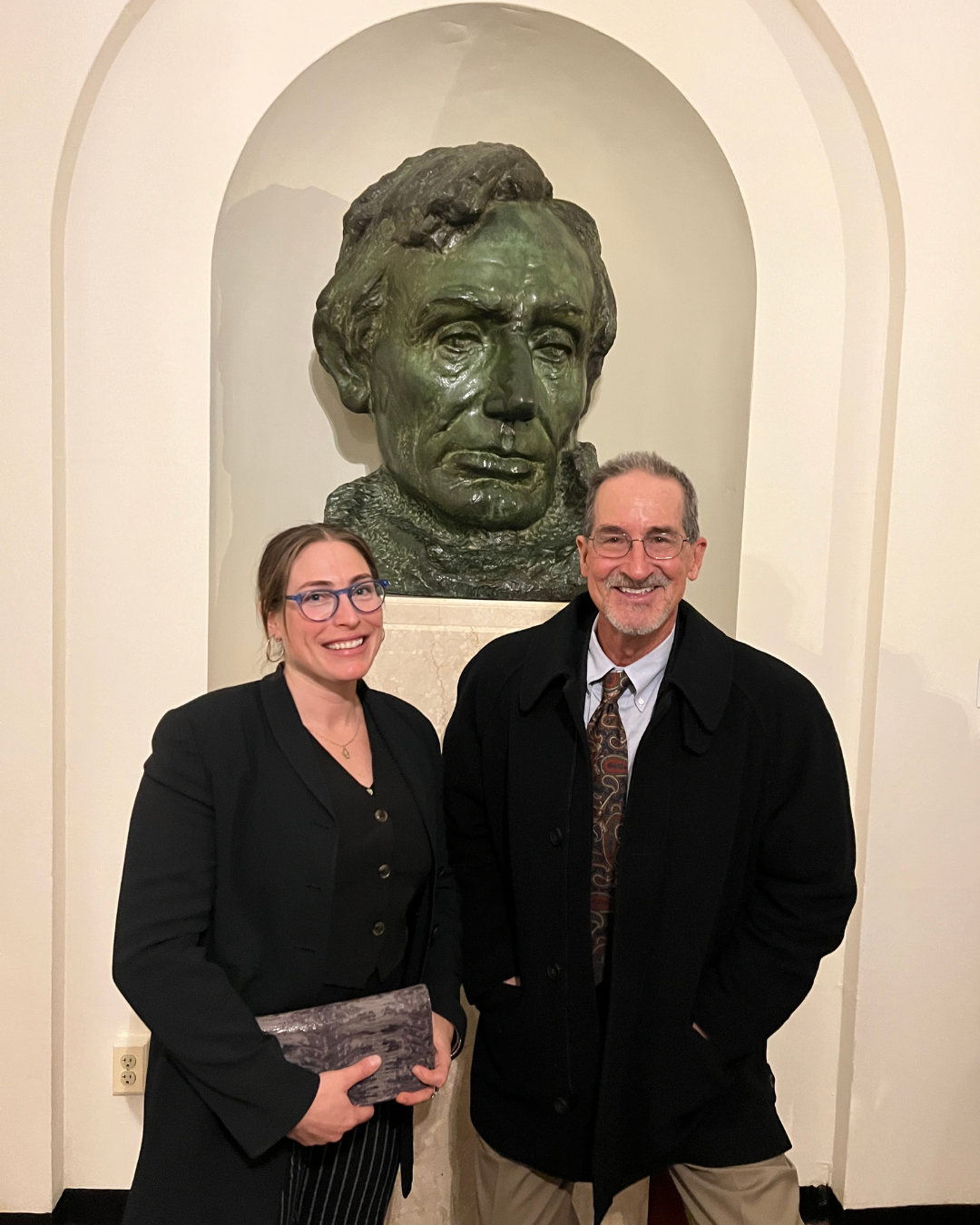
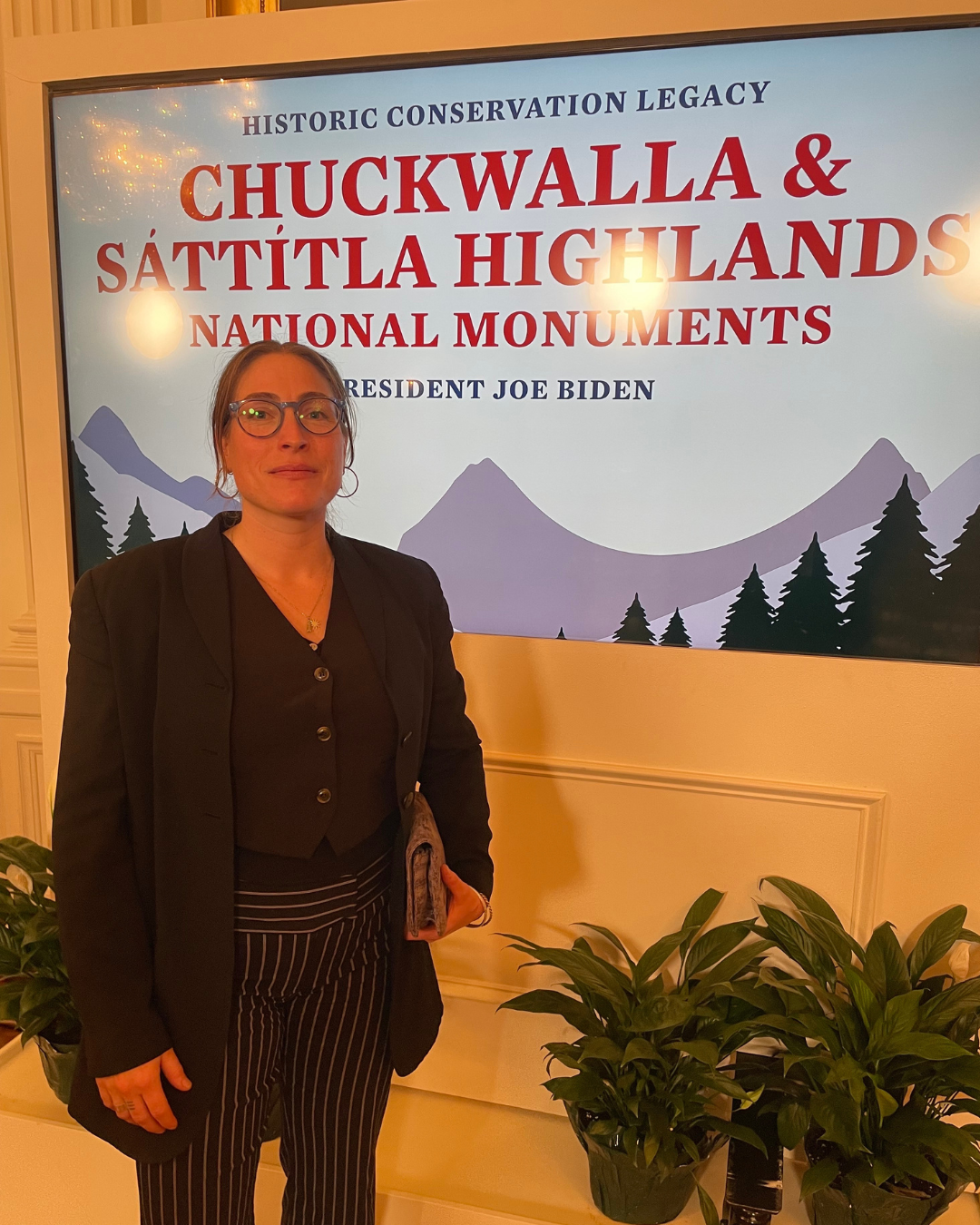
The campaign worked hard to bring information about the monument and region to as many interested parties as possible. Locally, the process led to a public listening session where community members shared their perspectives on the potential monument designation with the Department of Agriculture. Overall, there was overwhelming support at the listening session, and we saw an outpouring of local business support for the monument including fly fishing guide services & fly shops who serve the Fall River and Upper Sacramento. In a culmination of the campaign, on January 15th, CalTrout had the privilege of attending an event at the White House to honor the conservation legacy of former President Joe Biden and to witness him sign Sáttítla Highlands and Chuckwalla National Monuments into designation by presidential proclamation, protecting them permanently against resource extraction.
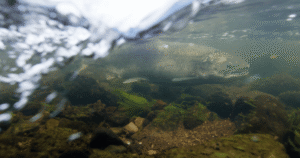
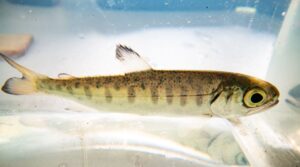
Alongside the Pit River Tribe and many other community and conservation partners that supported this designation, we celebrate that this place, so sacred to the Pit River people, and so crucially important to California’s great freshwater fisheries, is protected. We celebrate that important activities on the land like fishing, hunting, snowmobiling, OHV-ing, hiking, birding, and more are uninterrupted by the designation. We celebrate further the increased attention on the management of these lands for fire and healthy forests. As climate change threatens California’s water security, the monument’s spring systems may prove increasingly vital for both human communities and native fish populations that rely on cold, clean water – we’re grateful that this designation provides protection over these resources, while removing threats to the cultural lifeways of the Pit River peoples on this landscape.
Public lands are a legacy of the American people, and CalTrout is proud to support these places that our children and their children will get to enjoy for generations to come.