
A Field Note from the South Fork Eel River
by Matt Metheny
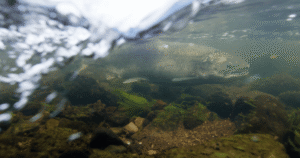
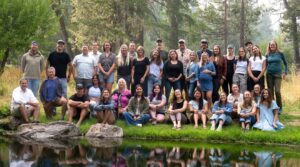
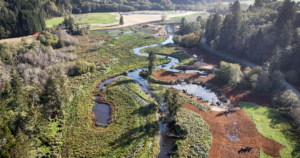
Early one morning in July I leave the cool, foggy Humboldt Bay area heading south and inland. As I pass through the ancient trees of Humboldt Redwoods State Park, the morning sun starts to shine on the South Fork Eel River. A little later, I arrive in the small community of Piercy to meet our team from the Wiyot Tribe, Blue Lake Rancheria, UC Berkeley, and the Bureau of Land Management. We head over to our weir trap to see if any pikeminnow came in the night before. The weir is like a giant floating fence that prevents larger fish from passing upstream. Our team installed the weir after the annual runs of salmon and steelhead ended to keep invasive Sacramento pikeminnow out of the cool, productive headwaters of the South Fork Eel.
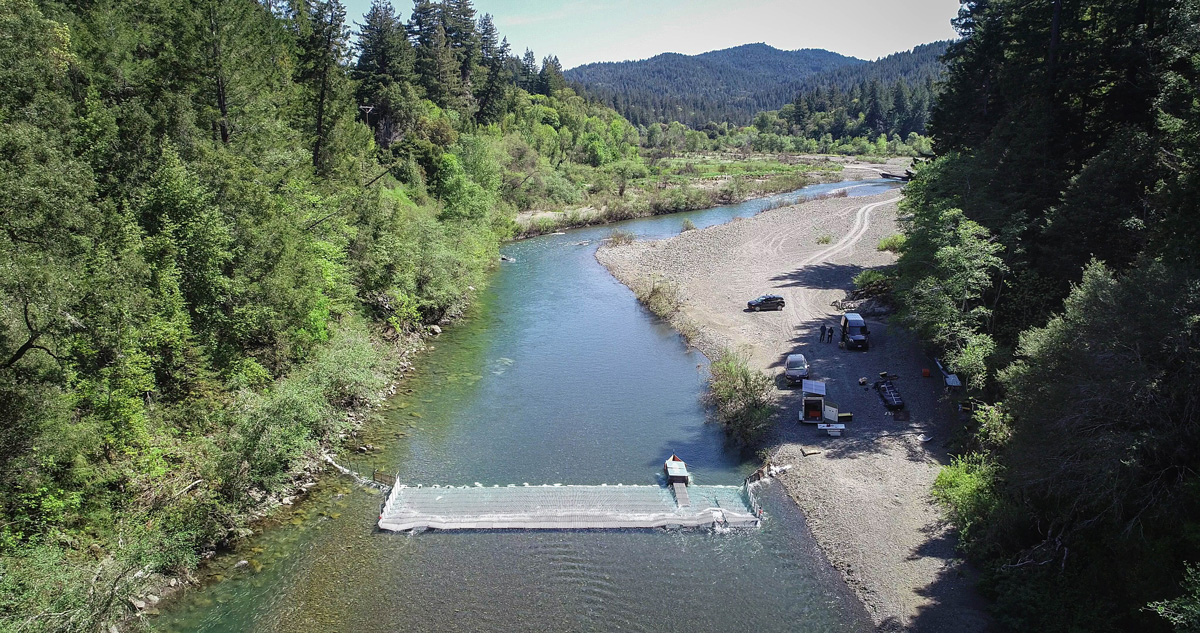
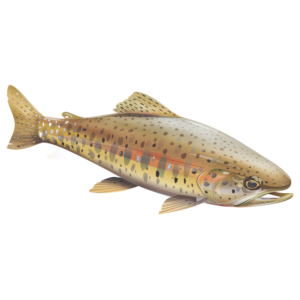
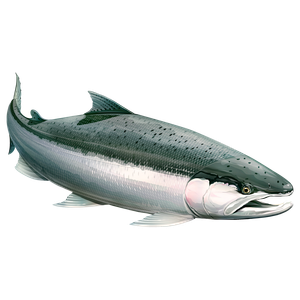
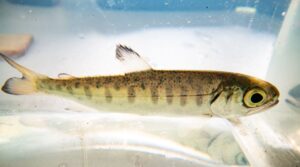
Invasive Sacramento pikeminnow compete with Eel River salmon and steelhead for limited food, and when they grow large can consume huge numbers of juvenile salmonids (Chinook salmon, coho salmon and steelhead). As competitors and consumers of salmonids, Sacramento pikeminnow have been identified as a threat to the recovery of native salmon and steelhead populations in the Eel River. CalTrout, in collaboration with UC Berkeley, Stillwater Sciences and the Wiyot Tribe, operates a weir to interrupt the migration of pikeminnow and conducts pikeminnow suppression activities to give native salmonids a better chance at recovery.
After finding no fish on our trap, we load up our gear and head upriver to the Rangjung Yeshe Gomde California Buddhist retreat center. Last summer, CalTrout was here to remove a defunct dam on Cedar Creek, an important cold-water tributary of the South Fork Eel River. But today our task is to remove a large school of salmon-eating pikeminnow from a huge pool on the South Fork Eel River. We put on our wetsuits and take off hiking downstream with gear, nets, and spearguns. After crossing the river a couple times, we reach a 25 foot deep pool where dozens of large pikeminnow were spotted a week ago.
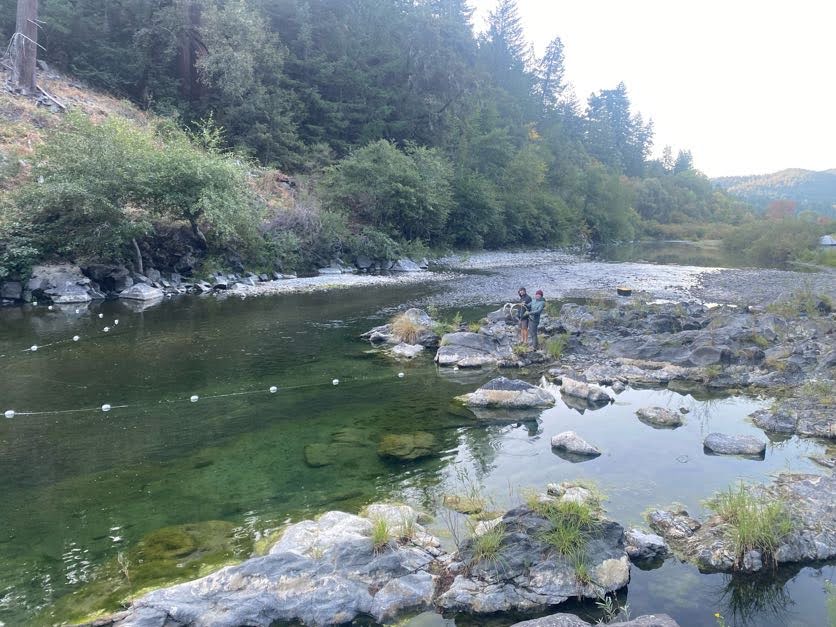
After a pair of snorkelers confirm that the really big (almost two feet long!) pikeminnow are still here, we strategize on how best to corral and capture them. The snorkelers have also confirmed that there are no native fish in the area that could be harmed, so we stretch gillnets across the river above and below the biggest concentration of pikeminnow. Once the gillnets are in place and the water has cleared, a team of expert spear fishers are deployed, and the suppression effort begins. A handful of pikeminnow are hit by spears, and others are driven into the nets where they become entangled. All are humanely dispatched as soon as possible to prevent suffering.
It’s unfortunate that these fish were illegally introduced into the Eel River. They’re formidable, beautiful fish, and it’s not their fault they’re in the wrong river system. We all feel a little bad about having to dispatch them, but it’s our duty in order to restore the natural balance of the Eel River and to help the native salmon and steelhead. Fortunately, Sacramento pikeminnow are not in short supply in their native range (or in the Eel River). Over this summer, we have now removed almost 300 large pikeminnow from the South Fork Eel. This puts a serious dent in their population, since these large pikeminnow are often females carrying many times more eggs than smaller pikeminnow.
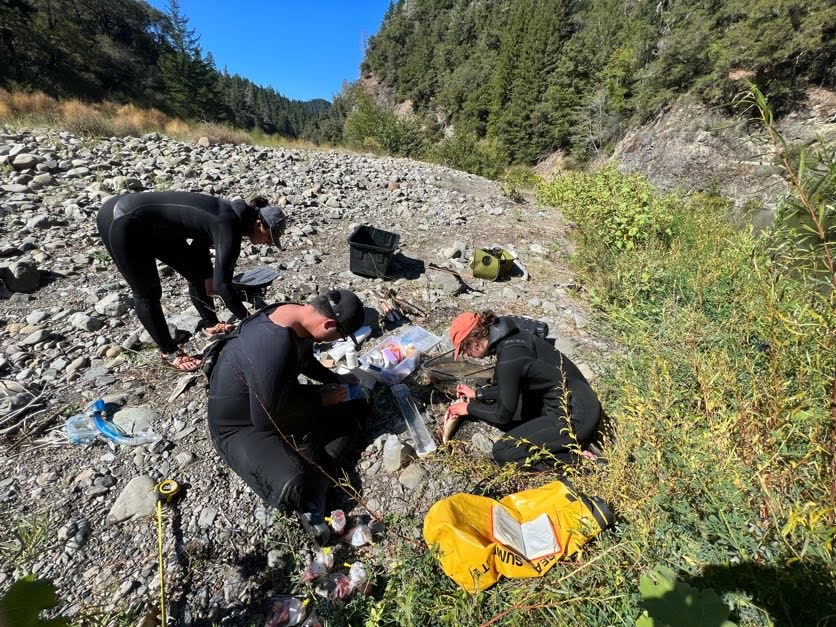
After our efforts have concluded we retrieve our nets, now soaked and heavy with algae, for the hike back out. It is now the hottest part of the day, and thick wetsuits don’t help keep us cool! Today, we removed over half of the biggest pikeminnow in that pool. Young salmon and steelhead now have a better chance at survival in this section of river. Back at our vehicles, we are tired, but satisfied to have helped our native salmonids have a better chance at recovery.
Learn more about CalTrout’s collaborative work to recover native salmonid populations in the South Fork Eel River through our North Coast Science and Monitoring Program.
Cover Photo: Pikeminnow weir in the South Fork Eel. Credit: Mike Wier.