A Field Note from the San Gabriel River Watershed
by Bernard Yin and Rebecca Ramirez, CalTrout SoCal Ambassadors
March 2024
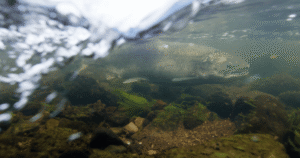
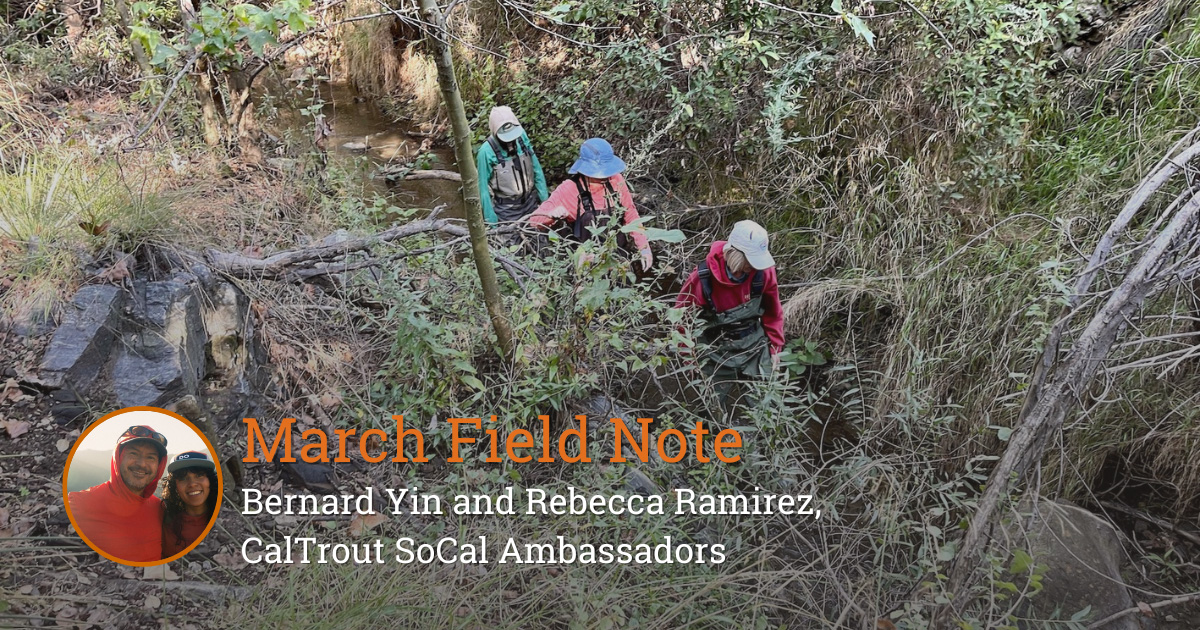
As decades-long devotees of Southern California trout angling, our passion and curiosity extend to the habitat conditions needed for these resilient fish. As SoCal residents, the “think globally, act locally” mantra could not be more appropriate as we bring a stewardship ethic to the incredibly underrated wild spaces within an hour of our home. Recently, we’ve found ourselves equipped less and less with rods in hand, but more with other tools like a GoPro ready to be dipped under a rock, or a drone to scout if a pool survived a dry summer .5 miles up a rugged canyon, or both.
The fundamental value of quality habitat and its protection, conservation, and restoration has led us down many rabbit holes. Last year we got roped into an exciting project related to water temperature, one of the important indicators that tell us about habitat health.
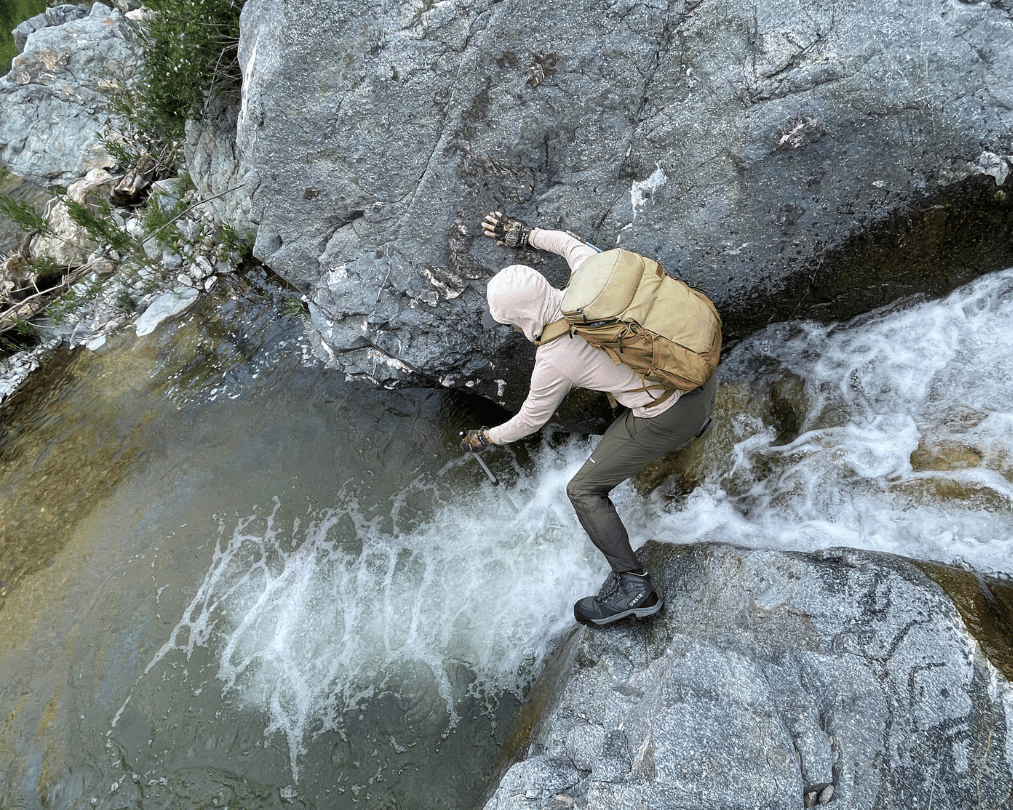
As CalTrout can attest, being good stewards of the land requires multiple like-minded parties to collaborate. The Watershed Conservation Authority (WCA) and Southern California Coastal Water Research Project (SCCWRP) joined forces to collect temperature data in the middle and upper San Gabriel watershed to help inform current and future management. According to the SCCWRP, “Relationships between temperature and habitat are key to determining the ability of streams to support species of management concern, and to plan for restoring streams in light of drought, climate change, and other factors that can affect stream temperatures.”
Understanding these temperature patterns could be huge for caring for the trout and waters we love so dearly. In January of 2023, they installed temperature sensor loggers in four stream locations that would continuously measure and record temperatures in 15 minute intervals. Unfortunately, the SCCWRP had to step away, but the study and data were of notable importance to Jane Tsong of the WCA. She hoped the collection could somehow continue and when it was suggested by Dr. Katherine Pease at Heal the Bay that we could pick up the basic work from where the SCCWRP left off, we eagerly volunteered and accepted the task.
Our role was to collect and export the data from these loggers to the WCA, who would make it available to relevant agencies and organizations seeking to put the information to use. In the process, we could continue to further our understanding of our local LA County waters.
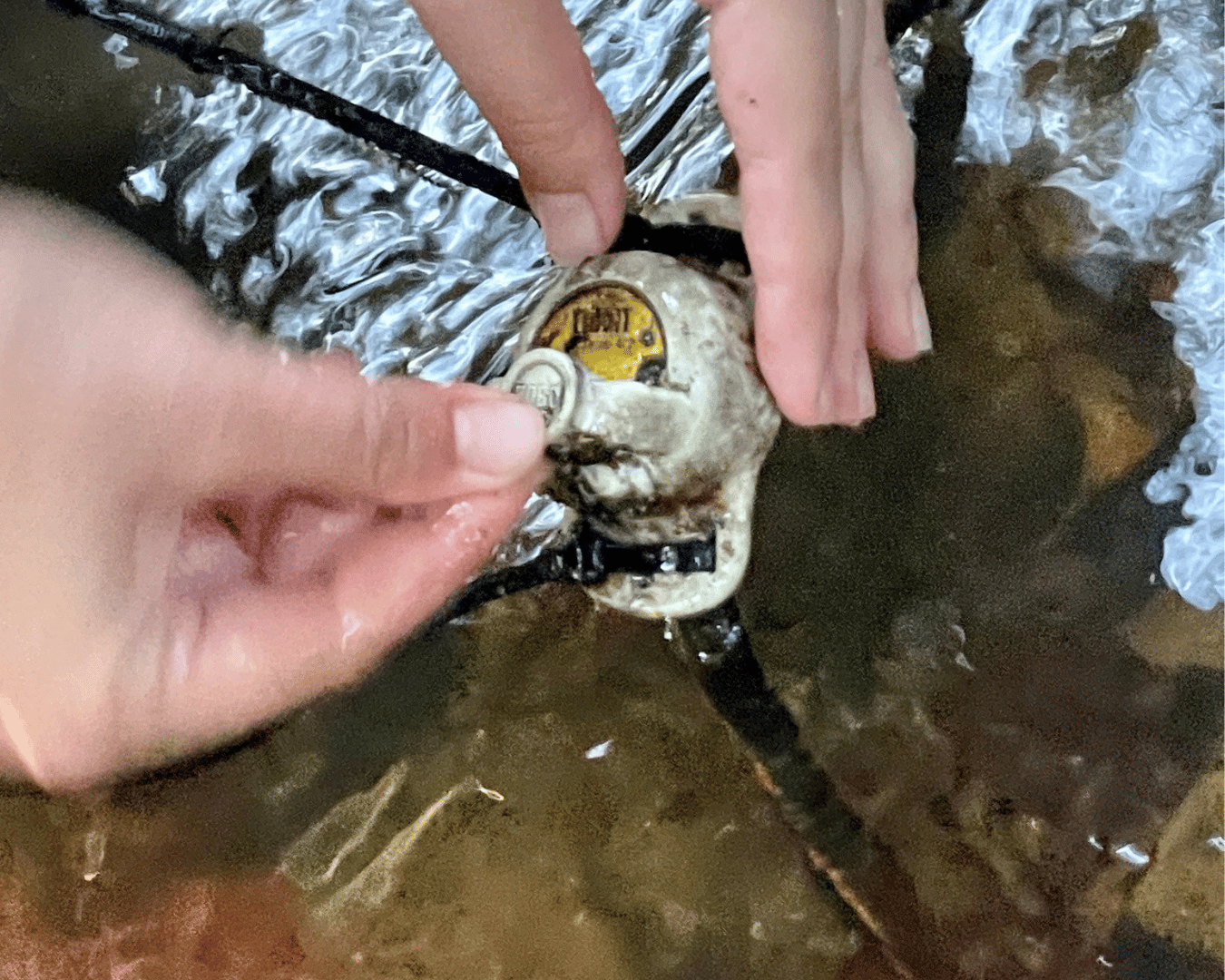
In October of 2023, we met up with two biologists, Liesl Tiefenthaler and Rachel Darlingfrom SCCWRP who showed us the logger locations, taught us how to export the data, and offered us general tips for deploying the loggers the following spring.
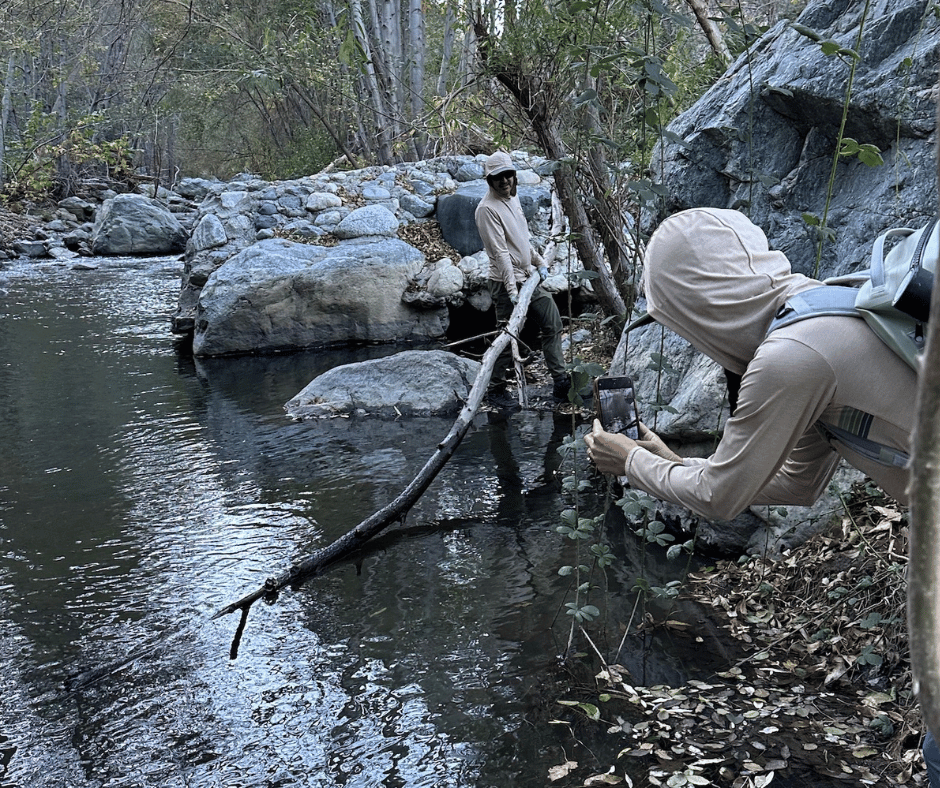
We successfully visited 3 of 4 locations, but because of road construction, we were unable to check in on the 4th site together. This somewhat comically transformed into a scavenger hunt at a later date where Rachel emailed a description and photos of where we’d find the logger “100-ft from this sign” and “attached to the end of a skinny fallen tree.” And guess what? With some cross referencing, determination, and wet feet, we eventually found it! On our final retrieval and export for the year, we removed the loggers from the waters to store them until the next season when we will redeploy them and resume the data collection.
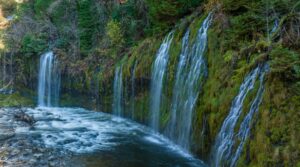
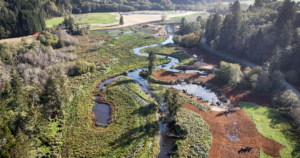
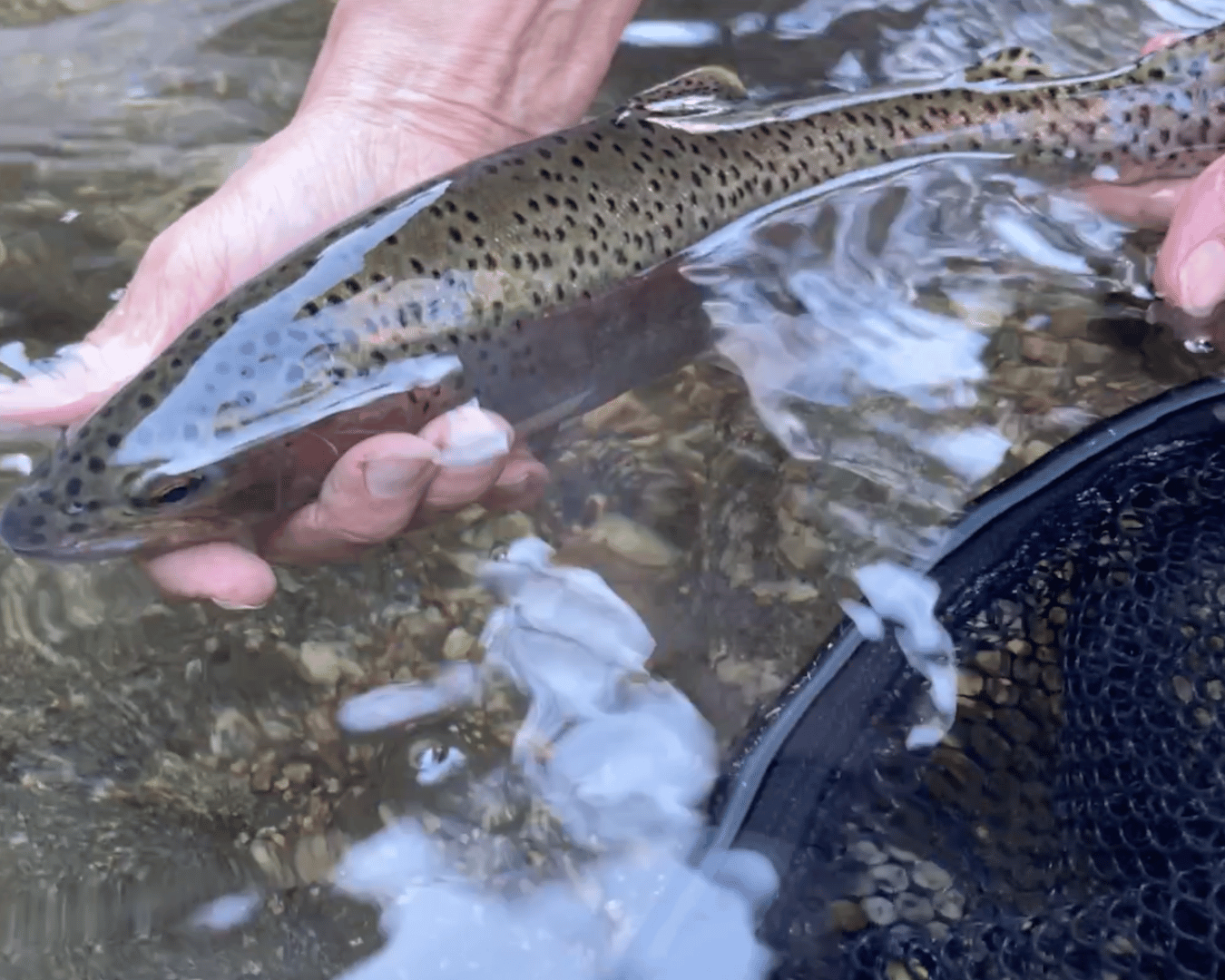
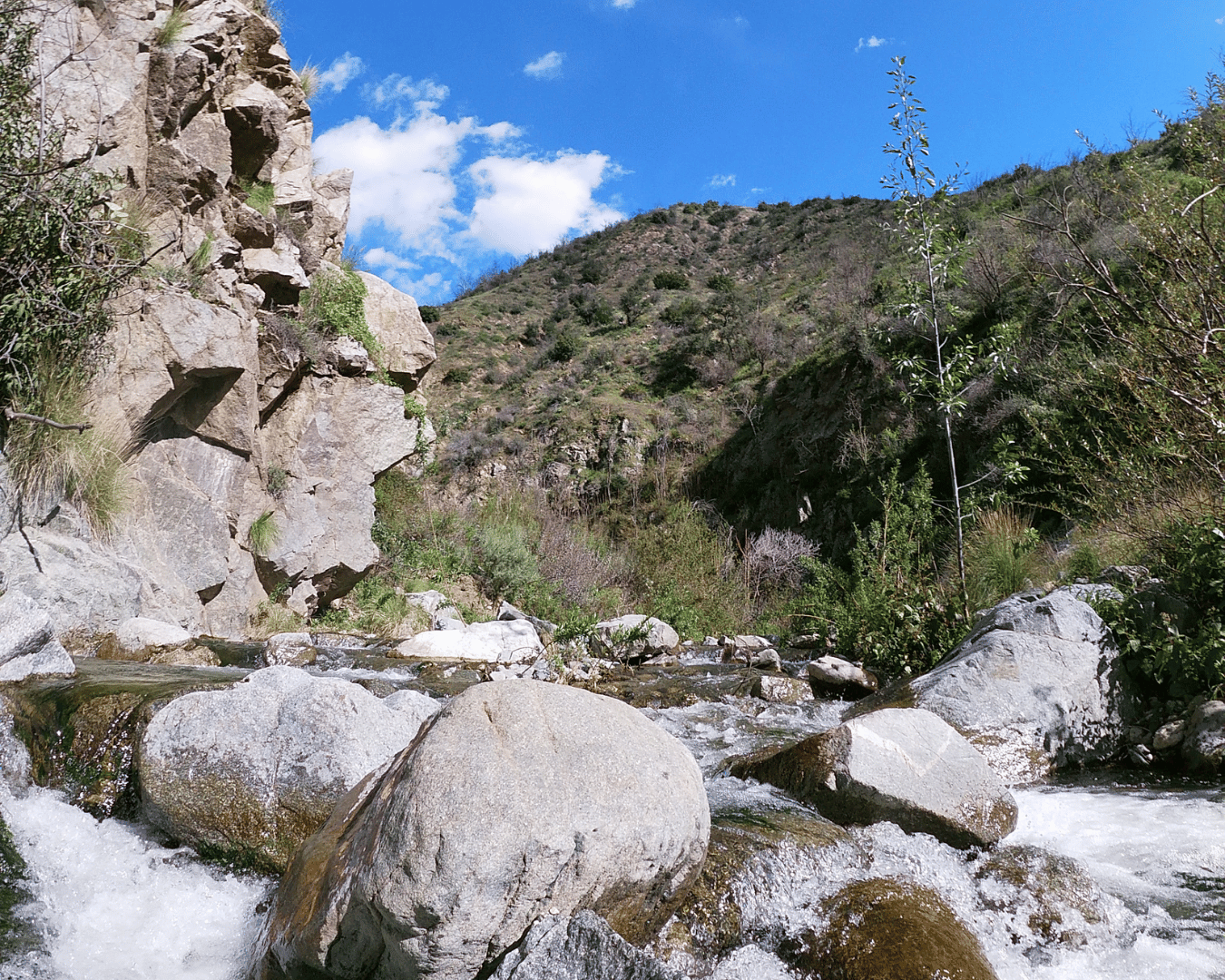
These trout need cold water habitat to survive, and the data confirms that these pockets of cold water refugia exist in the watersheds. The data also shows that the stretches of streams with “considerable vegetation and/or mountainous cover which provided less opportunity for direct sunlight on the water…are most likely a large contributing factor as to why [they] displayed the lowest temperatures throughout the data collection.” (SCCWRP) These lands and waters are critical to inland trout and Southern steelhead in these reaches, and are why protecting and preserving these mountains through the proposed San Gabriel Mountains National Monument Expansion is incredibly valuable to our native fish and to many of us here in Southern California. Cold-water refugia exists for our fish in the San Gabriels, and it’s our duty to ensure that habitat remains.
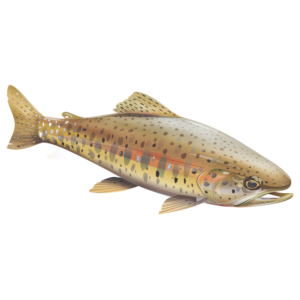
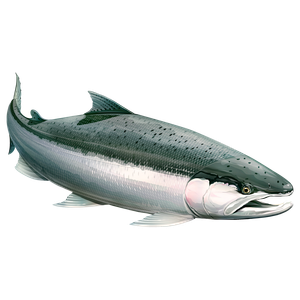
For us as anglers and outdoor enthusiasts, it feels as if everything is coming together – being able to combine our passions with a purpose outside of ourselves. The adaptations of native Southern California trout and steelhead inspire us to no end. These special fish are the toughest when facing heat, drought, and unpredictable cycles in climate. Admittedly, there’s also a certain kick to making discoveries and observations so close to a massive and dense metropolitan area. These fish, both trout and currently landlocked anadromous (ocean-going) southern steelhead, are vital parts of the ecosystem. Southern steelhead hold Federal Endangered Species Act (ESA) designation, and CalTrout is working hard to get these fish listed additionally under California’s ESA. A petition can be signed here with an April 4, 2024 deadline. We encourage you to do so.
The most heartfelt gratitude to CalTrout, Heal the Bay, WCA, and SCCWRP for facilitating our quest to humbly contribute to protecting the trout we adore.