

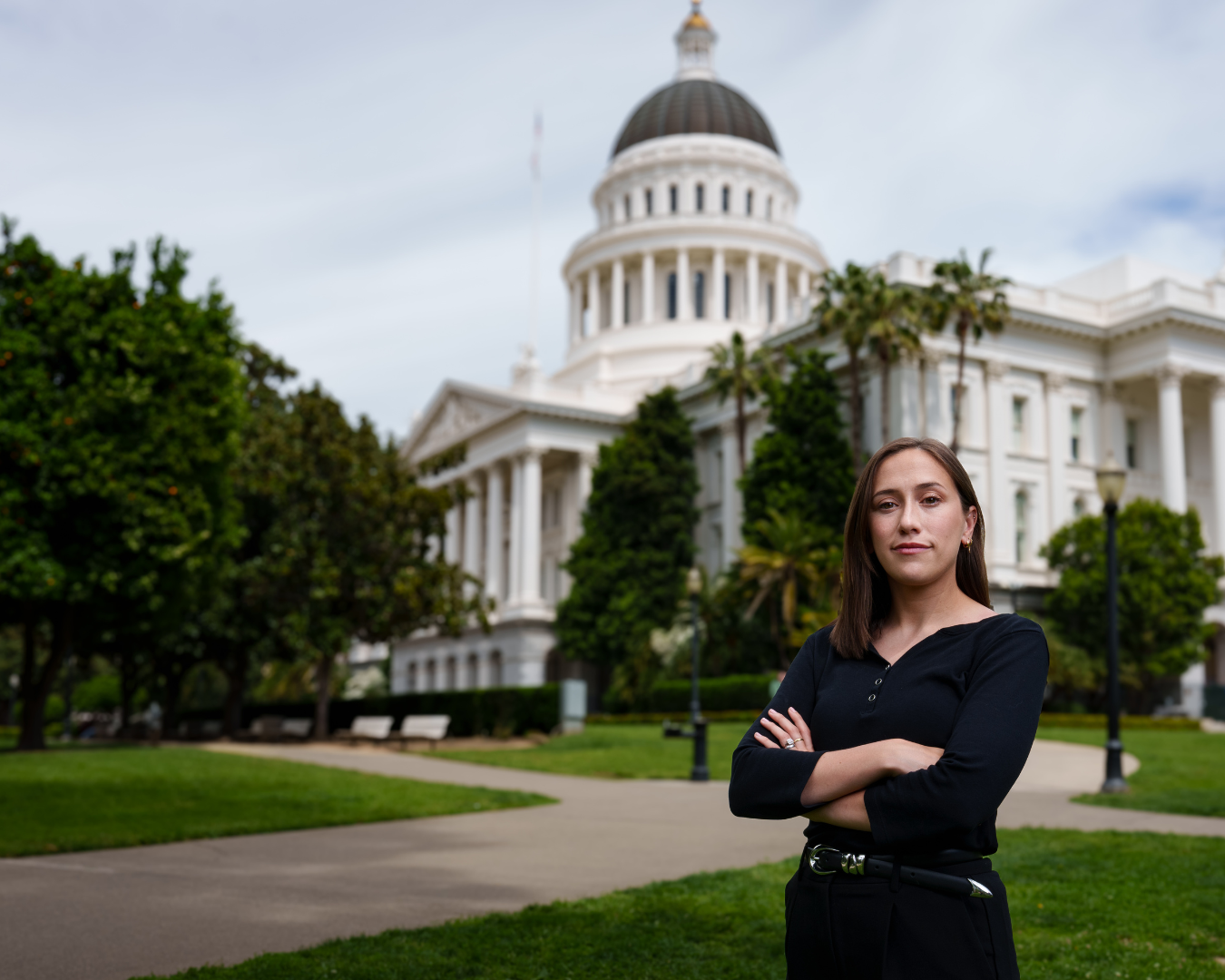
By Analise Rivero, CalTrout’s Director of Policy
For CalTrout, policy work is about translating what we learn on the ground into action in Sacramento. That means advancing legislation, advocating for investments in restoration and conservation, and bringing the needs of California’s native fish into broader conversations about water and natural-resource management.
This year brought meaningful progress on all of those fronts.
A Legislative Win for California Steelhead
One of CalTrout’s biggest legislative successes this year was Senate Bill (SB) 1393 (authored by Senator McGuire), signed into law by Governor Newsom.
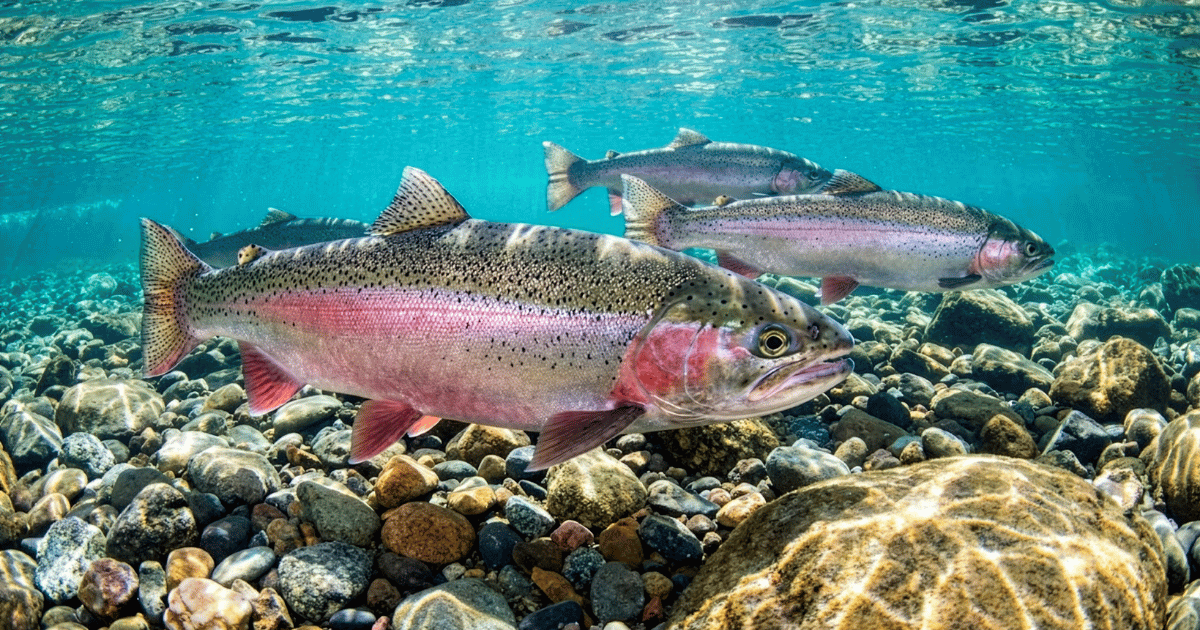
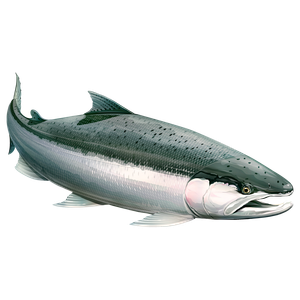
CalTrout worked on and supported the steelhead provisions of SB 1393 to extend and modernize California’s Steelhead Report and Restoration Card Program. Operating since the early 1990s, the program provides the California Department of Fish and Wildlife (CDFW) with its only statewide, angler-reported dataset on steelhead catch, fishing effort, and harvest.
CDFW uses this information to evaluate individual steelhead runs and inform seasons, bag limits, and other management decisions. Without legislative action this year, the program’s statutory authorization would have expired.
With steelhead facing pressures from habitat degradation, drought, and a changing climate, SB 1393 preserves an important tool for understanding and managing these iconic fish.
Putting Proposition 4 to Work for Fish and Rivers
The 2026 budget also represents a major investment in California’s natural resources. SB 113 appropriates approximately $2.624 billion from Proposition 4 (a $10 billion bond dedicated to climate and restoration work voted on by Californians), including substantial funding for habitat restoration, streamflow, salmon, wildlife connectivity, coastal resilience, groundwater recharge, and other climate and conservation priorities. Our partner, the Wildlife Conservation Board, for example, received $310. 060 million for a variety of programs.
CalTrout worked alongside partners to advocate for investments in programs that directly benefit California’s fish and rivers. Some highlights from the final budget include:
- $30.835 million for coastal resilience projects through the State Coastal Conservancy, alongside other investments in watersheds, wetlands, fisheries, and habitat throughout the state.
- $20 million for the Wildlife Conservation Board’s (WCB) Stream Flow Enhancement Program—nearly double the $11 million CalTrout and partners requested—and another $20 million for wildlife crossings and habitat connectivity.
- $39.125 million for salmon monitoring and management, including parentage-based tagging and cohort reconstruction, with funding provided through WCB to CDFW.
These are significant investments, and we’re excited to see Proposition 4 dollars begin turning into work on the ground: restoring habitat, reconnecting rivers, and helping California’s native fish and communities persist in a changing climate.
They also tell an important story about how much work there is to do. With enactment of the 2026 budget package, approximately 61% of Proposition 4 will have been appropriated in just two budget cycles. After accounting for existing commitments and bond administration, only about $3.6 billion remains available for future allocation.
That pace reflects how great the need is. Across California, there is no shortage of restoration and resilience projects waiting for funding. When voters approved a bond of this scale, the demand was already there to meet it, and much of it remains unmet.
Building lasting climate resilience is expensive. Removing barriers to fish passage, reconnecting floodplains, restoring wetlands, and keeping enough cold, clean water in our rivers all take significant, sustained investment. But this is an investment that pays off for fish and wildlife, for the communities that depend on healthy watersheds for clean water, flood protection, and local economies, and ultimately for all of us.
That’s why how this funding is invested, and whether it continues, matters so much. This year’s budget directs a substantial share of Proposition 4 to specifically identified projects and earmarks rather than established competitive programs. And California’s conservation needs will extend far beyond the life of any single bond. Long-term restoration and recovery require consistent investment, including reliable General Fund support for the agencies and programs responsible for California’s fish, wildlife, and habitats. Avoiding a cycle of funding booms and cliffs will be essential to sustaining the progress these investments make possible.
Looking Ahead to 2027
The progress made in 2026 reflects how CalTrout approaches policy: combining science and on-the-ground restoration experience with relationships and partnerships to advocate for California’s native fish and the waters they depend on.
This year, that approach helped preserve an important statewide steelhead monitoring program, direct significant public investment toward fish and habitat, and keep CalTrout at the forefront of consequential conversations about the future of California water.
As we head into 2027, we’ll continue working with our partners to turn good policy and public investment into healthier rivers, stronger wild fish populations, and more resilient watersheds.