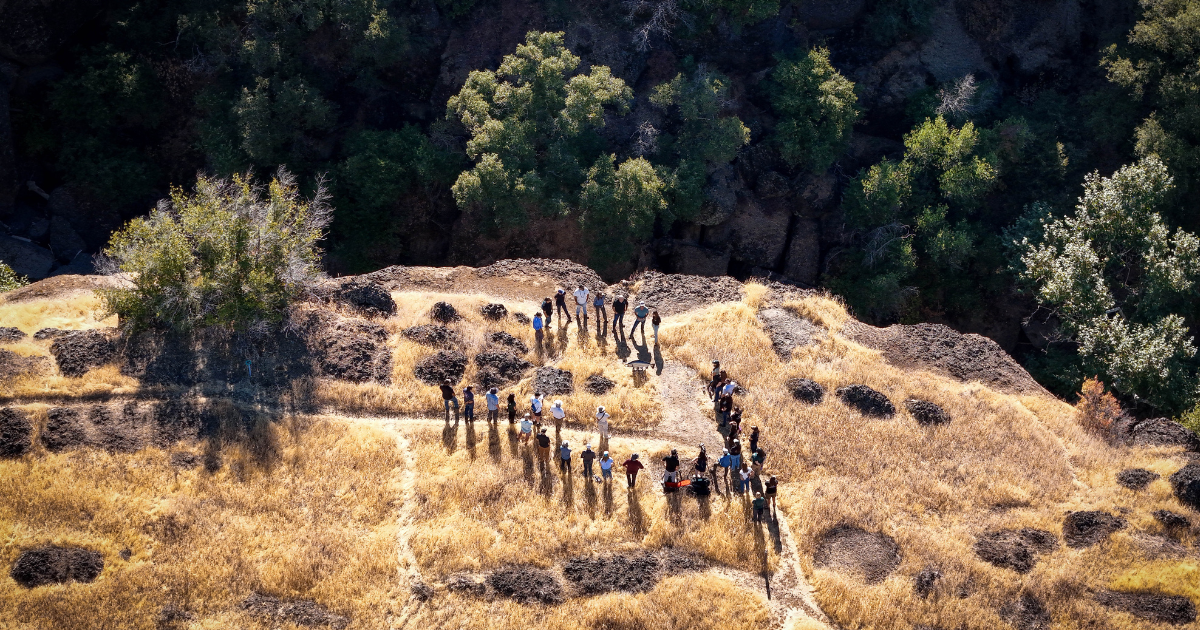
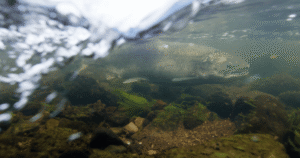
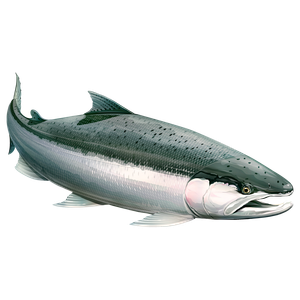
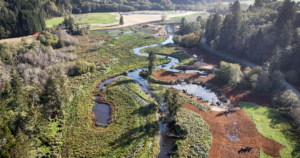
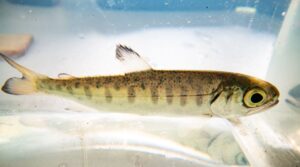
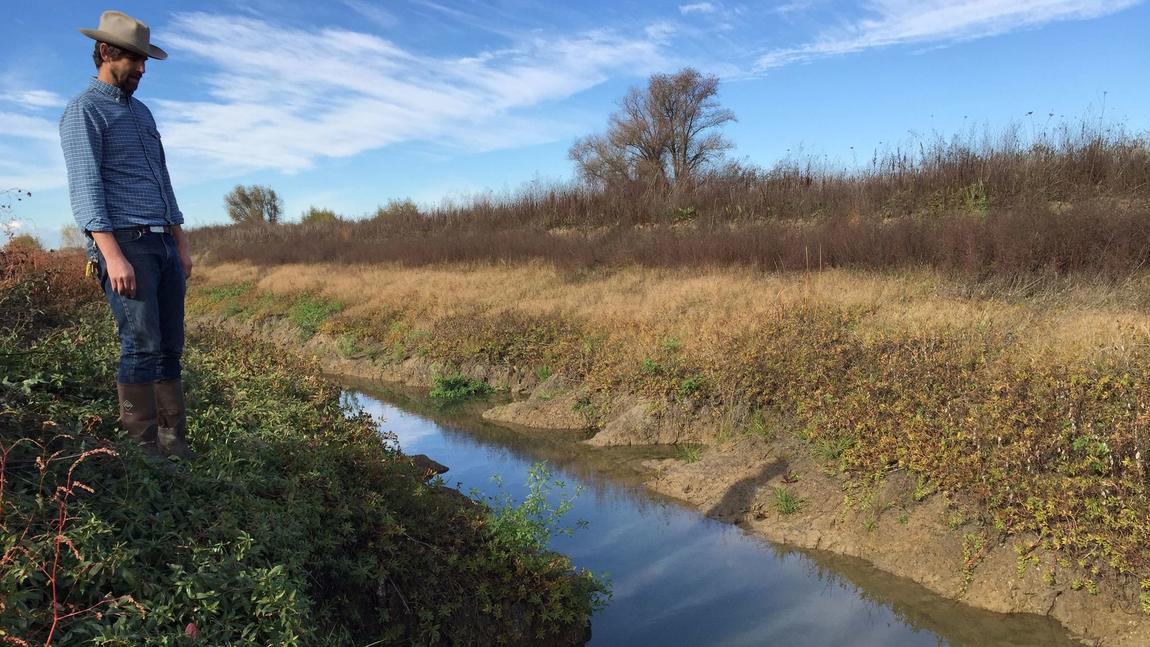
The LA Times recently toured with CalTrout’s Senior Scientist, Jacob Katz, at Knagg’s Ranch, a floodplain farm field where we successfully implemented the Nigiri Project, demonstrating that agricultural fields in the Central Valley can grow food for both people and wild fish. Historically, the floodplains in the Central Valley would flood during the winter months, essentially creating wetland habitat that becomes a hotbed for microorganisms and bugs for fish to feed on. Before the levees and canals were built, fish would come down the river, spill into the floodplain, and fatten up on the bug buffet before making their journey to the sea. When they return to the river as adults, swimming upstream to spawn, bigger fish have a much better chance of survival. In today’s world, that thriving wetland habitat has been lost and salmon populations have been depleted due to food scarcity in the rivers and streams.
But we can mimic the lost floodplains, allowing the agricultural fields to flood in the winter and restore fish food abundance. In the summer, the fields are back to growing food for people.
CalTrout conducted numerous studies demonstrating that fish populations thrive when exposed to the many nutrients and organisms that are abundant in floodplain areas – more so than in rivers.
We’re changing the conversation from fish or farms, to fish and farms.
Read more about LA Times reporter Robin Acarian’s tour of the project.
To learn more about this exciting project, check out our film, No Going Back or linked in the article as ‘showing promise.’