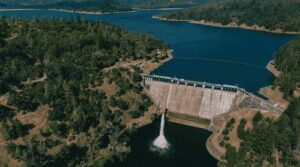
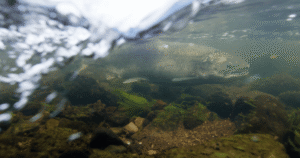
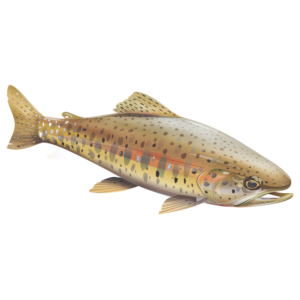
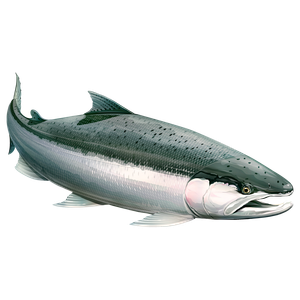
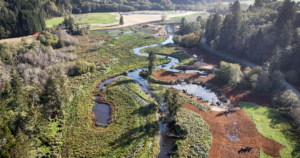
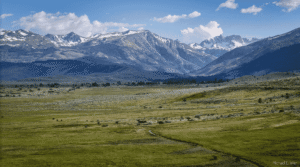
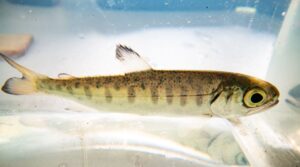
For over 10 years CalTrout has been involved in the effort to remove four dams from the Klamath River. In February 2010, CalTrout was one of forty five organizations to sign on to the Klamath Settlement Agreements. These Agreements provide a pathway to dam removal in 2020 and in the meantime a lot of work to improve conditions for fish and communities in the Klamath Basin.
For Immediate Release:
KLAMATH BASIN–The Klamath Basin Coordinating Council today released its first annual report highlighting its accomplishments since the Klamath Agreements were signed in February 2010.
The Klamath Basin Restoration Agreement (KBRA) and the Klamath Hydroelectric Settlement Agreement (KHSA) were forged by Klamath Basin stakeholder groups including the Klamath Basin tribes, irrigators, fishermen, conservation groups, the dam owner PacifiCorp, the governors of California and Oregon, the U.S. Secretary of the Interior and the director of the National Oceanographic and Atmospheric Administration. Also participating were agencies within the states, the Department of the Interior, the National Marine Fisheries Service, Humboldt County, CA, and Klamath County, OR. Forty-five organizations have signed the Klamath Agreements.
The Klamath Agreements are designed to create economic stability, provide reliable energy, and restore important fisheries for all the Basin’s diverse communities.
Over the past year, parties to the Klamath Agreements have established the coordination and oversight bodies called for in the agreements and have implemented many of the near-term actions. For example, during the first year, parties to the agreements have:
- Invested over $1.5 million dollars from PacifiCorp for coho salmon habitat improvements, water quality monitoring, and water quality improvement studies as part of the interim measures in the KHSA
- Implemented a flow variability plan to improve conditions for coho salmon, consistent with Bureau of Reclamation’s biological opinion on project operations
- Prepared a Hatchery and Genetics Management Plan for Iron Gate Hatchery, and began early implementation of some measures included in the plan
- Obtained necessary regulatory approval from the Oregon Public Utility Commission for KHSA implementation
- Obtained preliminary regulatory approval from the California Public Utilities Commission for KHSA implementation; the final decision is pending
- Developed an outline and approach for the Klamath Basin Fisheries Restoration and Monitoring Plan
- Prepared a draft Drought Plan which, when completed, will provide more tools to deal with very low-water years
- Established the Klamath Basin Coordinating Council to facilitate and coordinate an open and transparent public process to ensure that the commitments in the KBRA are carried out effectively
- Established a Technical Advisory Team to allow stakeholders to provide local knowledge and technical expertise to agencies regarding water management decisions and fisheries restoration projects
Invested over $1.5 million dollars from PacifiCorp for coho salmon habitat improvements, water quality monitoring, and water quality improvement studies as part of the interim measures in the KHSA
Implemented a flow variability plan to improve conditions for coho salmon, consistent with Bureau of Reclamation’s biological opinion on project operations
Prepared a Hatchery and Genetics Management Plan for Iron Gate Hatchery, and began early implementation of some measures included in the plan
Obtained necessary regulatory approval from the Oregon Public Utility Commission for KHSA implementation
Obtained preliminary regulatory approval from the California Public Utilities Commission for KHSA implementation; the final decision is pending
Developed an outline and approach for the Klamath Basin Fisheries Restoration and Monitoring Plan
Prepared a draft Drought Plan which, when completed, will provide more tools to deal with very low-water years
Established the Klamath Basin Coordinating Council to facilitate and coordinate an open and transparent public process to ensure that the commitments in the KBRA are carried out effectively
Established a Technical Advisory Team to allow stakeholders to provide local knowledge and technical expertise to agencies regarding water management decisions and fisheries restoration projects
In 2009, the Oregon Legislature passed the legislation necessary to collect a portion of the cost for dam removal from Oregon utility customers; the legislation also includes the cost cap that was in the KHSA.
Final implementation of the agreements will require additional actions including the completion of environmental reviews and a federal determination decision by the Secretary of the Interior as to whether or not the benefits of removing PacifiCorp’s four Klamath River hydroelectric dams will advance the restoration of the salmonid fishery in the Klamath Basin and is in the public interest. This determination is scheduled to be made in March 2012. Federal legislation is also needed to authorize and fund key elements of the Agreements including fish restoration projects, measures to achieve the agreed water balance in the agreements, and programs to help communities in the basin.
Copies of the Annual Report, the Klamath Settlement Agreements, along with summaries, reports, and meeting notices can be found at www.klamathcouncil.org.
To learn more about the environmental review process visit www.klamathrestoration.gov
For more information, please contact:
Ed Sheets, facilitator for Klamath Settlement Agreements (503) 222-1700
Greg Addington, Klamath Water Users Association (541) 883-6100
Art Sasse, PacifiCorp, (503) 453-0051
Glen Spain, Pacific Coast Federation of Fishermen’s Associations, (541) 689-2000
Craig Tucker, Karuk Tribe, (916) 207-8294
Curtis Knight, California Trout (530) 926-3755