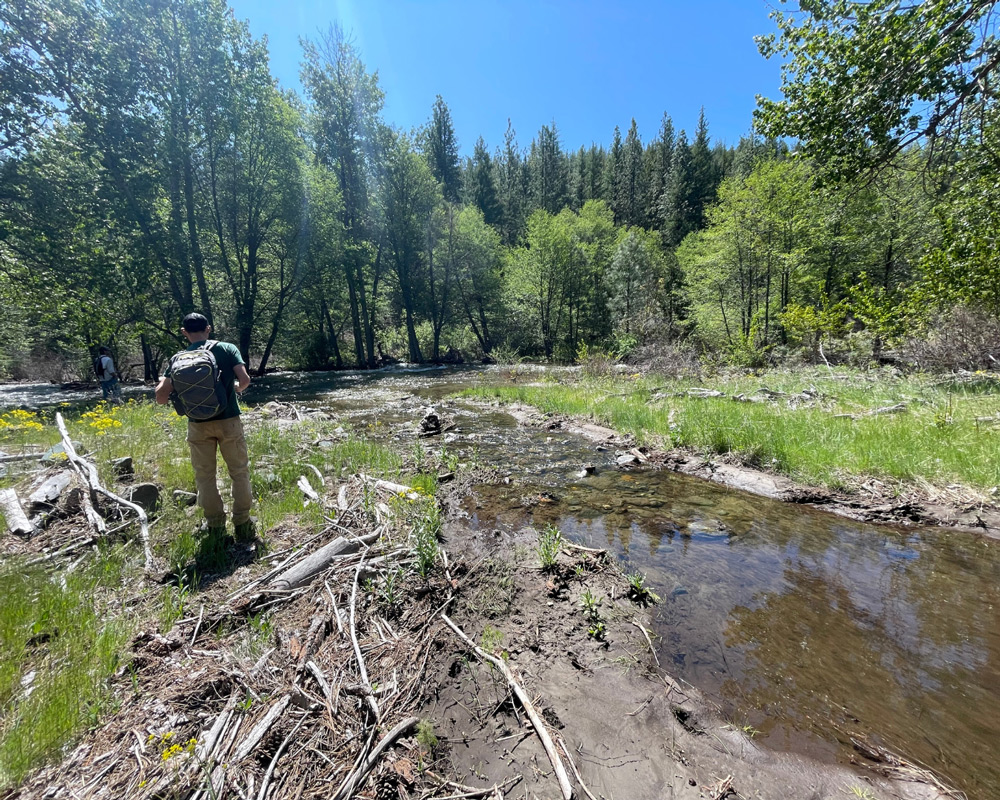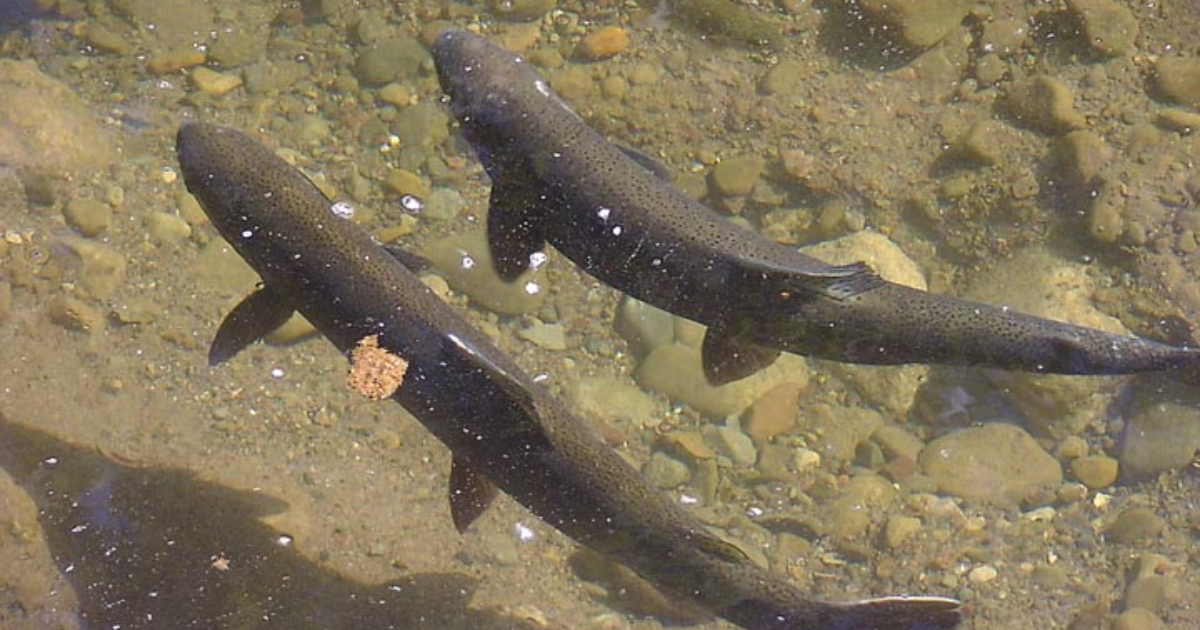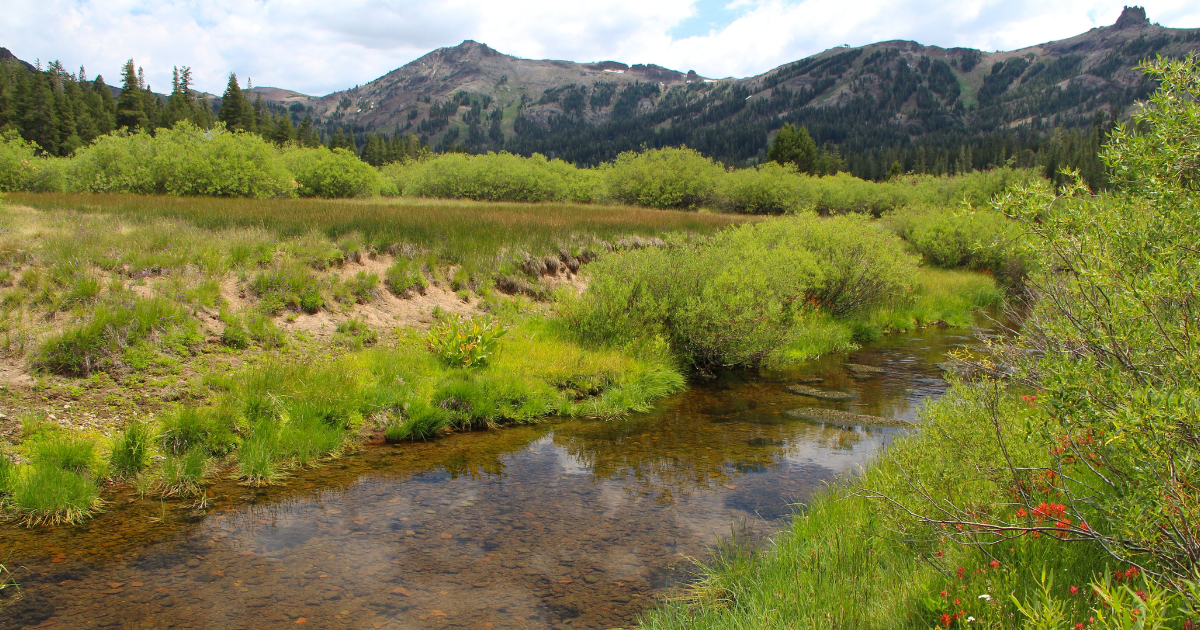
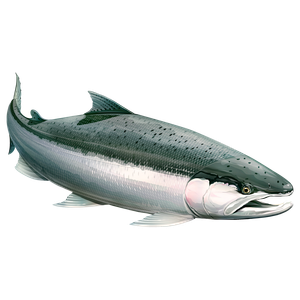
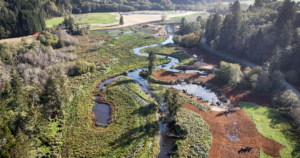
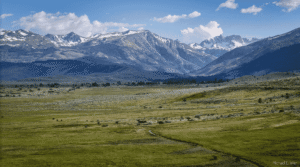
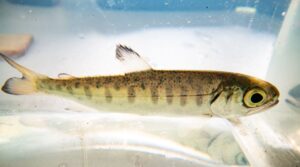
By the end of 2024, four dams will be removed on the Klamath River, opening hundreds of miles of habitat to native fishes including coho salmon. But until those dams do come down, and even after as the river recovers, coho salmon in the Klamath Basin are in desperate need of places to safely grow and rear their young. On the South Fork of the Scott River, a tributary to the Klamath, CalTrout and our partners are beginning the fourth phase of a restoration project that will reconnect the stream to its natural floodplain and improve cold water rearing habitat for Klamath Basin fish.
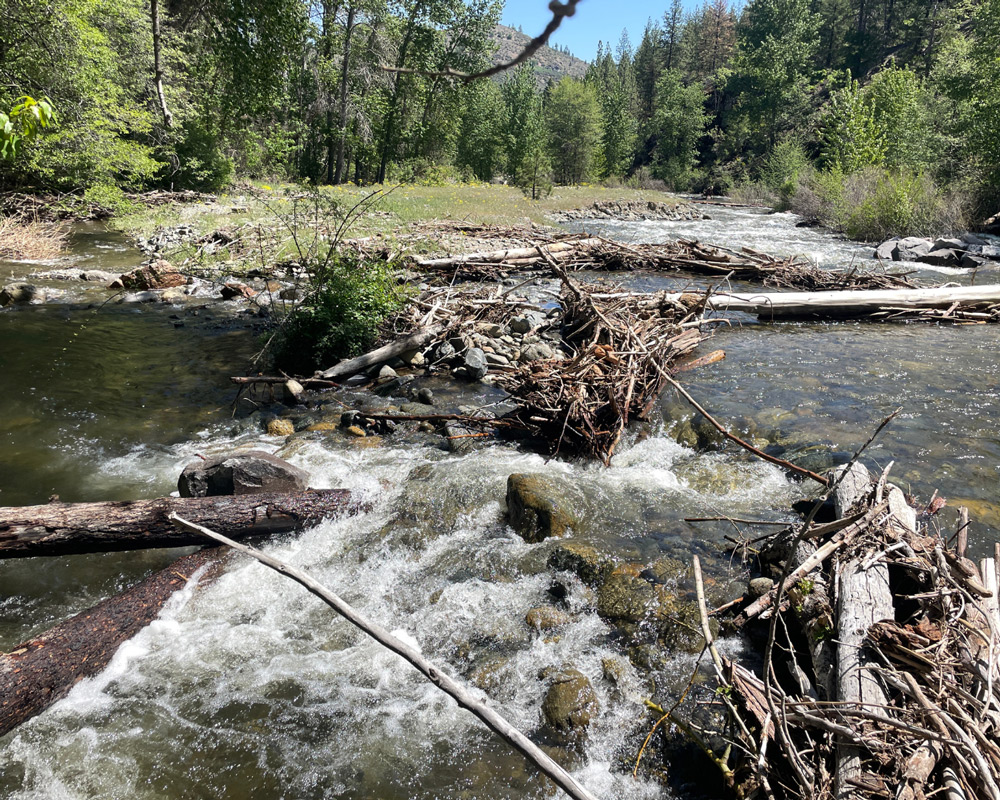
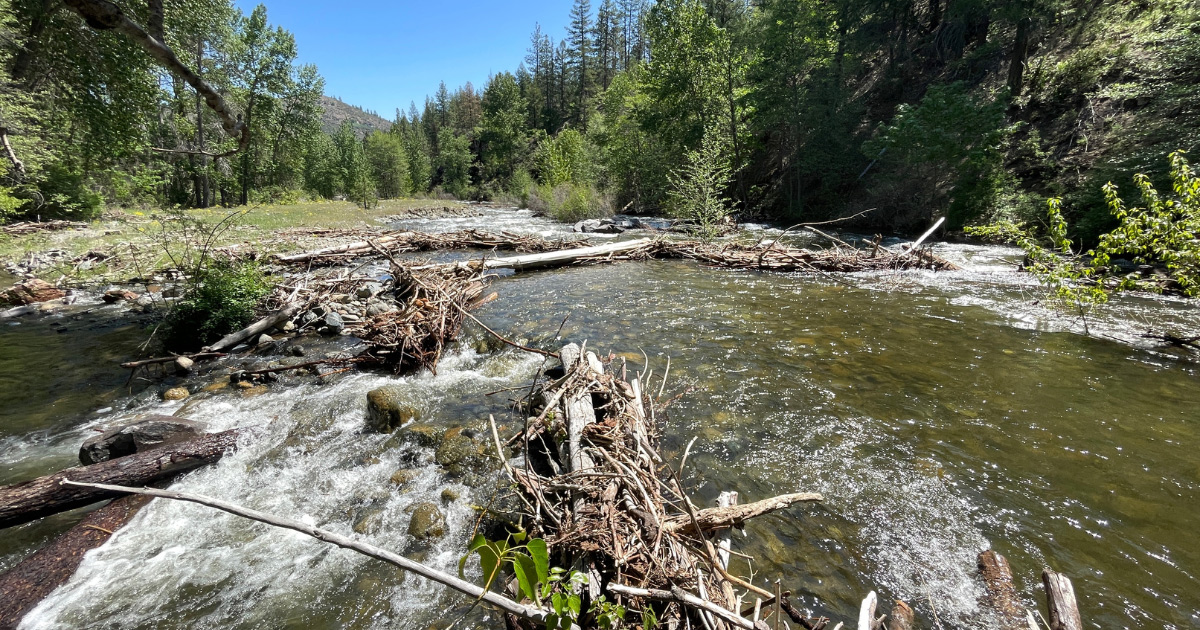
Historic mining and timber operations significantly altered the landscape, disconnecting the river from its floodplain and degrading fish habitat. In 2017, CalTrout and our partners began implementation for the South Fork Scott River Floodplain Connectivity Project. Our work thus far has included restoring and excavating floodplains, adding habitat features in side-channels and the mainstem, removing mine tailings, and monitoring these improvements.
“All of these improvements have been performing marvelously,” said CalTrout Project Manager Dustin Revel. “We are thrilled with the way this reach handled the high spring runoff and the overall restoration of natural stream function.”
The next round of construction will begin in the summer of 2024. Building on previous work, this final phase will further enhance instream habitat through large-wood placement, side channel excavation, and riparian planting. The project will restore floodplain connectivity and improve in-stream habitat complexity in a critical cold water rearing tributary for coho salmon. Coho salmon in the Klamath Basin are listed under the Endangered Species Act. The South Fork of the Scott River offers perennial, cold water, that has never been observed to run dry even in drought years – a rarity in the Scott River watershed and crucial for coho salmon recovery.
We are excited to partner with Siskiyou RCD on this project and the project site landowner, Michael Thamer of Bouvier Ranch. This project would not be possible without generous funding from The National Fish and Wildlife Foundation and The Partners for Fish and Wildlife Program.
In the lead up to Klamath River dam removal, we can provide our struggling native fishes with quality habitat in the places that are already accessible to them. Spawning and rearing tributaries to the Klamath, like the Scott River, act as salmon nurseries for the entire basin making our restoration efforts crucial. This project is part of CalTrout’s larger vision to enhance and restore fish habitat and passage throughout the Scott River watershed. Explore more projects in the Scott River watershed: on the East Fork, Scott-Bar Mill Creek, and at Mill-Shackleford bridge.