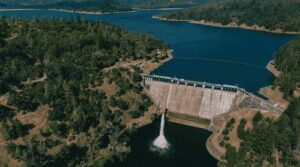
Over the past century, humans have constructed major transportation infrastructure like highways, bridges, railroads, and more to streamline travel and the movement of goods. However, much of this development has made it difficult for animals to follow their traditional migration routes. Highways and railroad lines divide habitat, making animal crossings perilous, and bridges constructed over rivers or streams often do not allow for fish passage beneath them. Dams, culverts, and levees, built to meet human needs, split watersheds, leaving native fish unable to move freely.
Much of this infrastructure is essential for our human communities. Some however, like the Klamath River dams, are no longer beneficial and can be removed. Others, like bridges and railways, can be redesigned to meet the needs of society, and fish and wildlife. As we advance technologically, so too does our ability and responsibility to reconnect severed ecosystems. Click here to learn more about why migration matters.
Wildlife Crossing Solutions In Action
In Los Angeles, the Wallis Annenberg Wildlife Crossing is being constructed over Highway 101 to protect native species like lions and bobcats. These animals risk death or injury while crossing the highway to access vital habitats for food and mating. Proposed by the National Wildlife Federation and CalTrans, the crossing will reconnect the Santa Monica Mountains with the Simi Hills and beyond. Construction is set to finish in 2026.
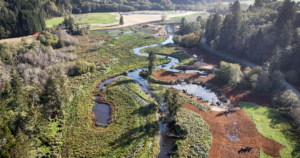
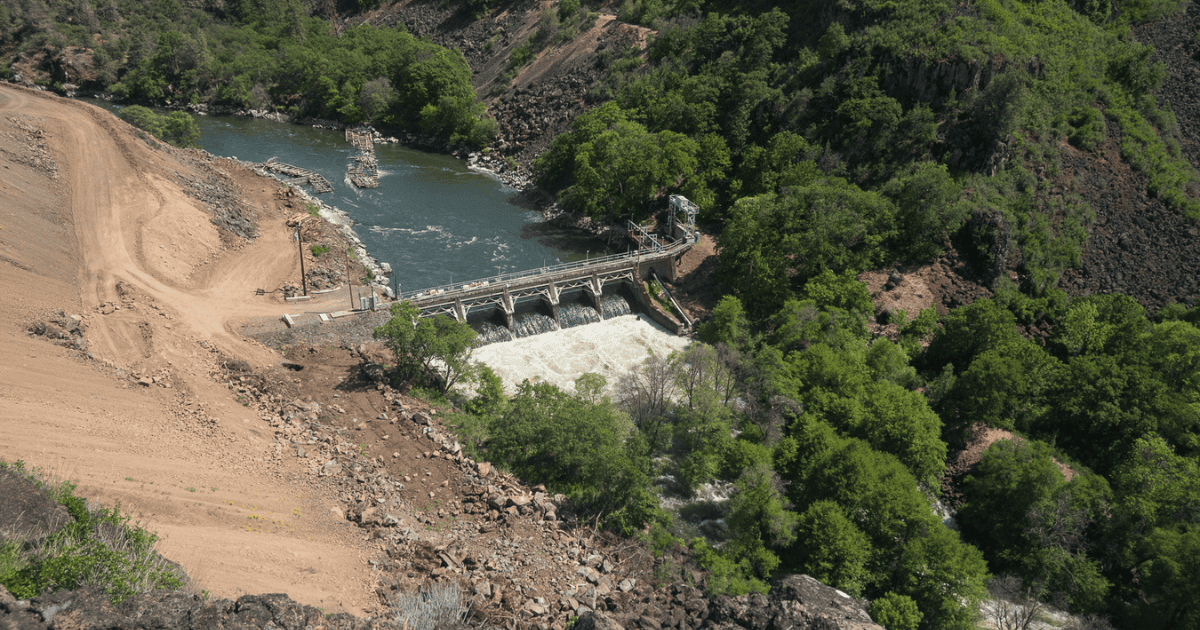
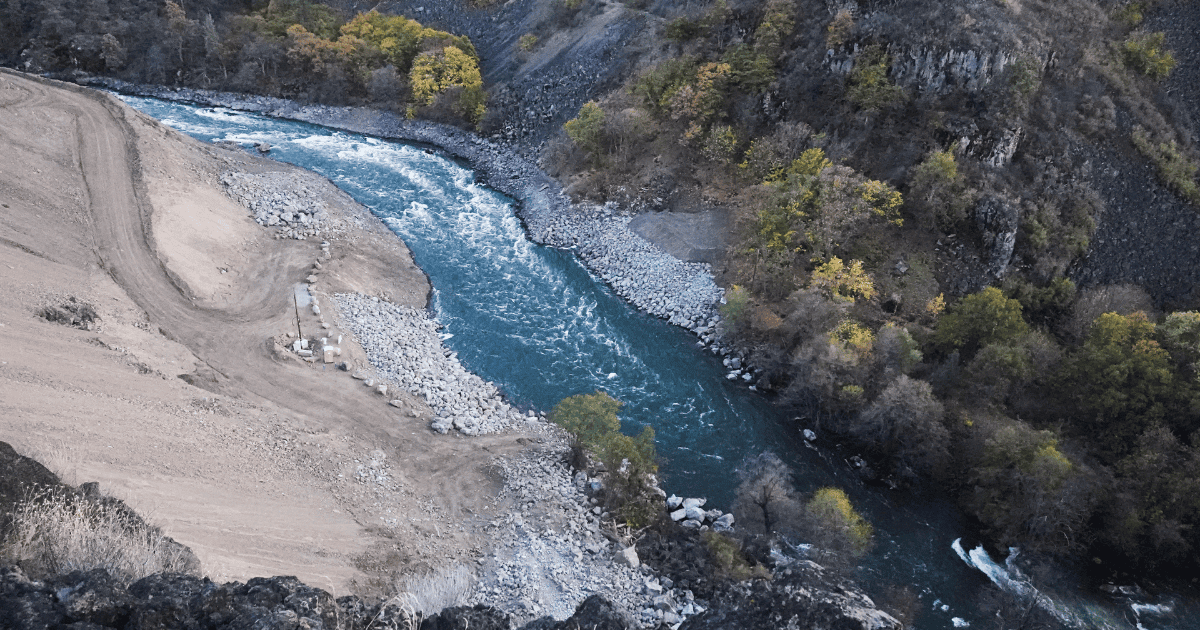
This year in Northern California and Southern Oregon, the Klamath River dams were deconstructed and removed. For the first time in over 100 years, the river flows free. Dam removal unlocks access to hundreds of miles of historic habitat for native salmon and steelhead, improves water quality for humans and wildlife, and marks a step towards restoring a place critical to the cultural life-ways of Indigenous peoples who have lived along the river since time immemorial. We’re building on this dam removal momentum to unlock fish habitat across the state.
How do barriers disrupt fish migration?
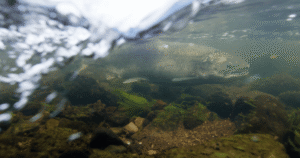
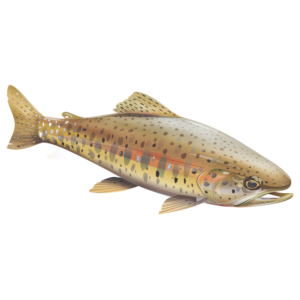
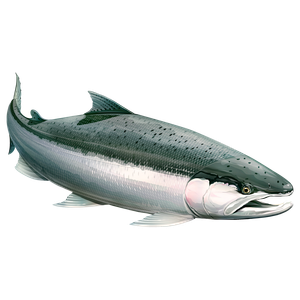
Adult salmon and steelhead migrate upstream to find suitable spawning habitat with cold, flowing water for egg incubation. They require access to diverse headwater habitats as a safeguard against potential disturbances. However, dams, bridges, and other barriers often block their paths. CalTrout and our partners are working statewide to strategically identify and remove barriers so that fish can access diverse upstream habitats for spawning.
Dams Out
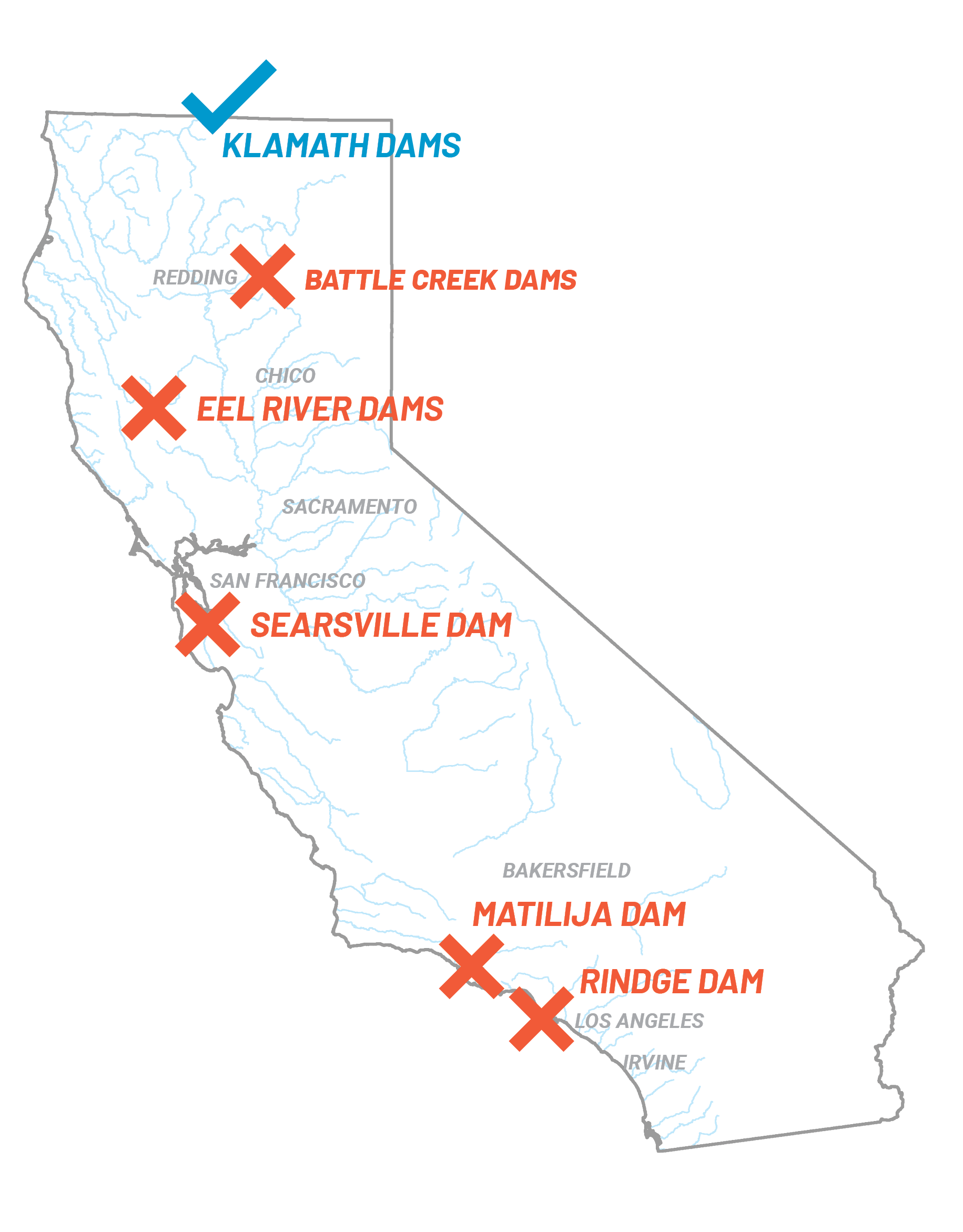
In 2023, we released our Top 6 California Dams Out report. The report identifies six watersheds with dams that are ripe for removal and that must, for the health of the ecosystem and communities around them, come out. With the Klamath River dams removed, we are down to five!
Eel River Dams
Two dams on the Eel River block 288 miles of salmon and steelhead spawning and nursery habitat. PG&E, the owner of the dams, plans to remove their outdated hydropower facilities and will submit their plans to the Federal Energy Regulatory Commission in 2025. We will be working over the next few years to ensure that dam removal happens quickly and safely. We will work to support dam removal in tandem with restoration efforts to ensure recovery of this vital river.
Battle Creek Dams
The Battle Creek Hydroelectric project owned and operated by PG&E includes 16 dams, two reservoirs, and three forebays located throughout the North Fork and South Fork of the Battle Creek watershed blocking fish passage and altering the creek’s natural flow pattern. PG&E’s license for this project will expire in 2026. In 2024, CalTrout assembled a coalition of resource agencies, NGOs, Tribes, and community members to accelerate dam removal. CalTrout is contributing technical reports to inform the project decommissioning process including the Battle Creek Temperature Model. This model will explore how water temperature may change with various decommissioning and climate change scenarios.
Searsville Dam, San Francisquito Creek
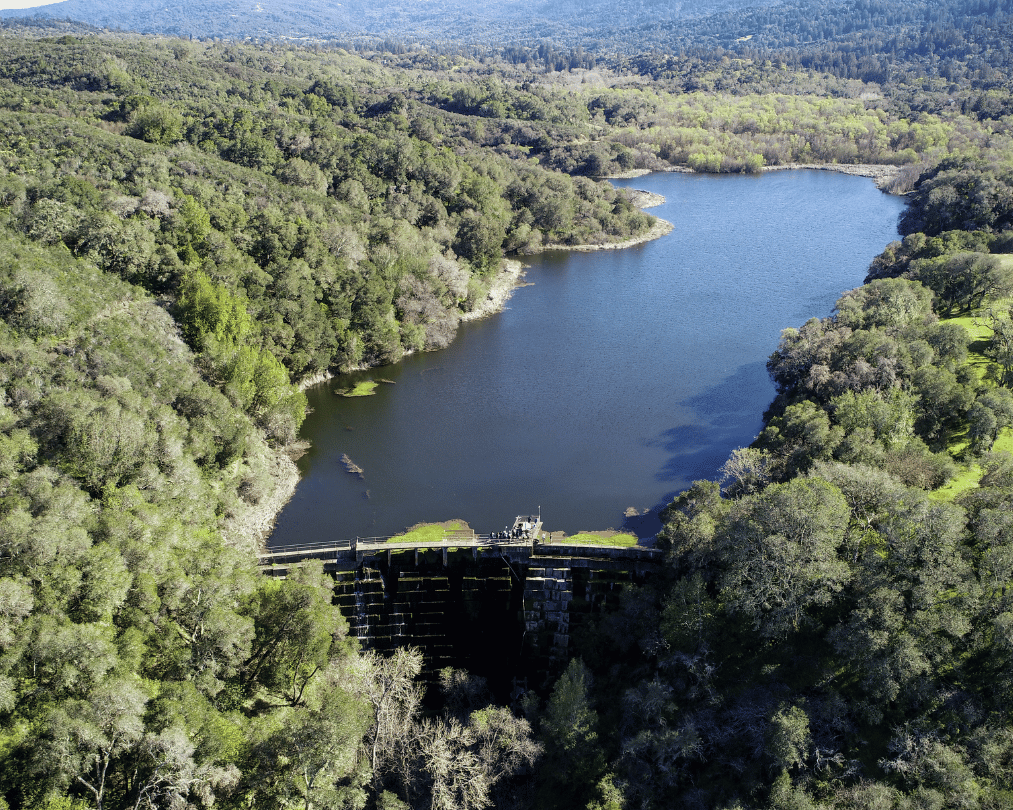
Searsville Dam is an impassable barrier to federally threatened steelhead, and CalTrout is committed to finding a solution that includes full dam removal. The environmental review process for the future of Searsville Dam continues to be delayed. We are working with consultants to conduct studies to help us and resource agencies better understand the benefits of full dam removal as compared to Stanford’s current proposal to drill a hole in the dam and leave it in place.
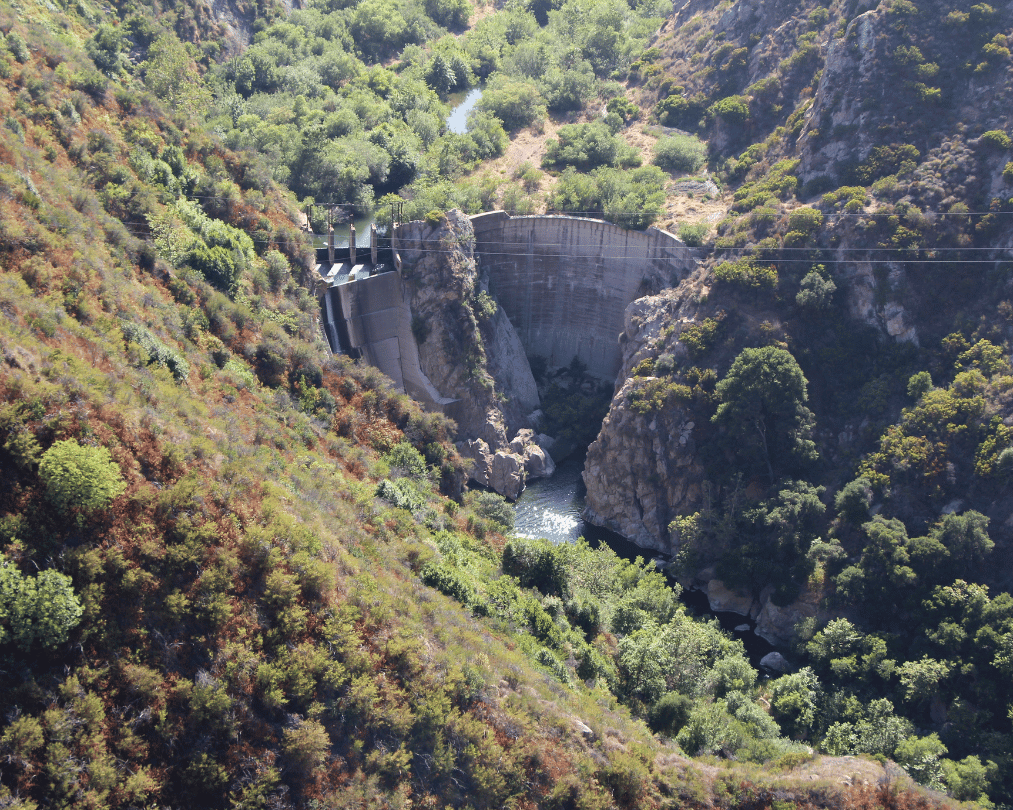
Rindge Dam, Malibu Creek
Based on the current schedule, Rindge Dam is expected to be removed by 2035. Its removal will achieve a crucial species recovery action for the critically endangered Southern steelhead and revitalize healthy beaches, supporting both fish and people. CalTrout is partnering with State Parks to lead communication and public outreach for the project.
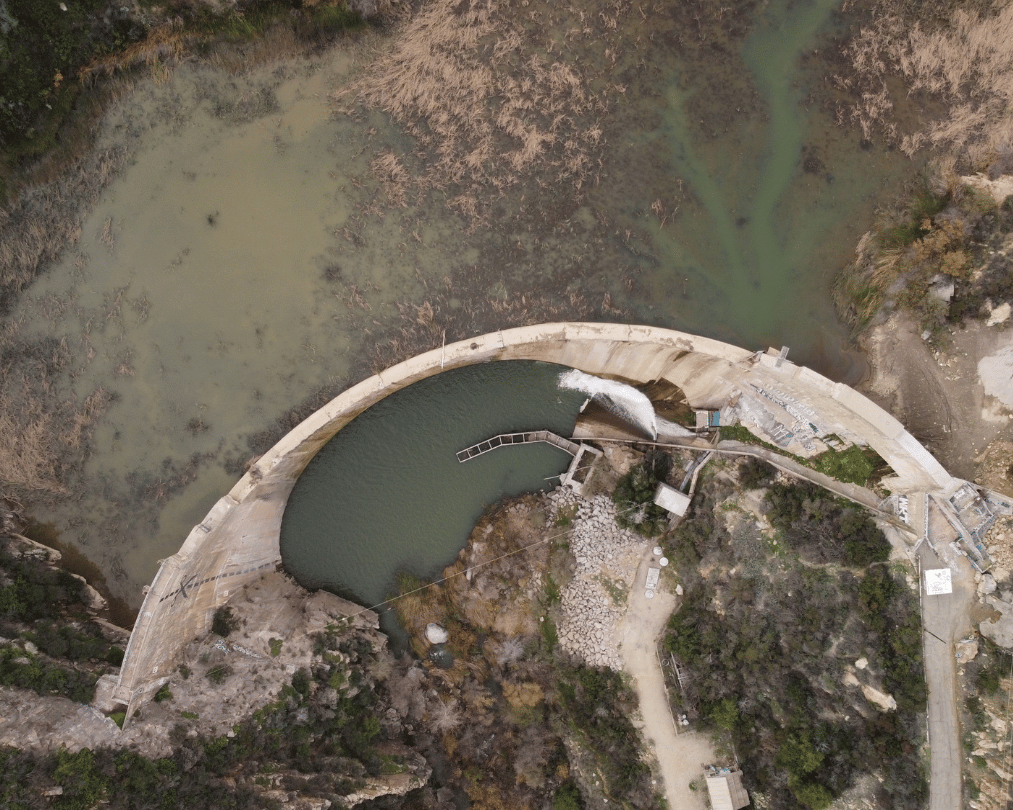
Matilija Dam, Matilija Creek, tributary to Ventura River
Matilija Dam is a complete barrier to the migration of endangered Southern California steelhead. As of October 2024, Ventura County is preparing the higher-level plan sets for detailing the removal of the Dam along with an Environmental Impact Report (EIR) for the project. Dam removal is expected to begin as early as 2030.
Beyond Dams
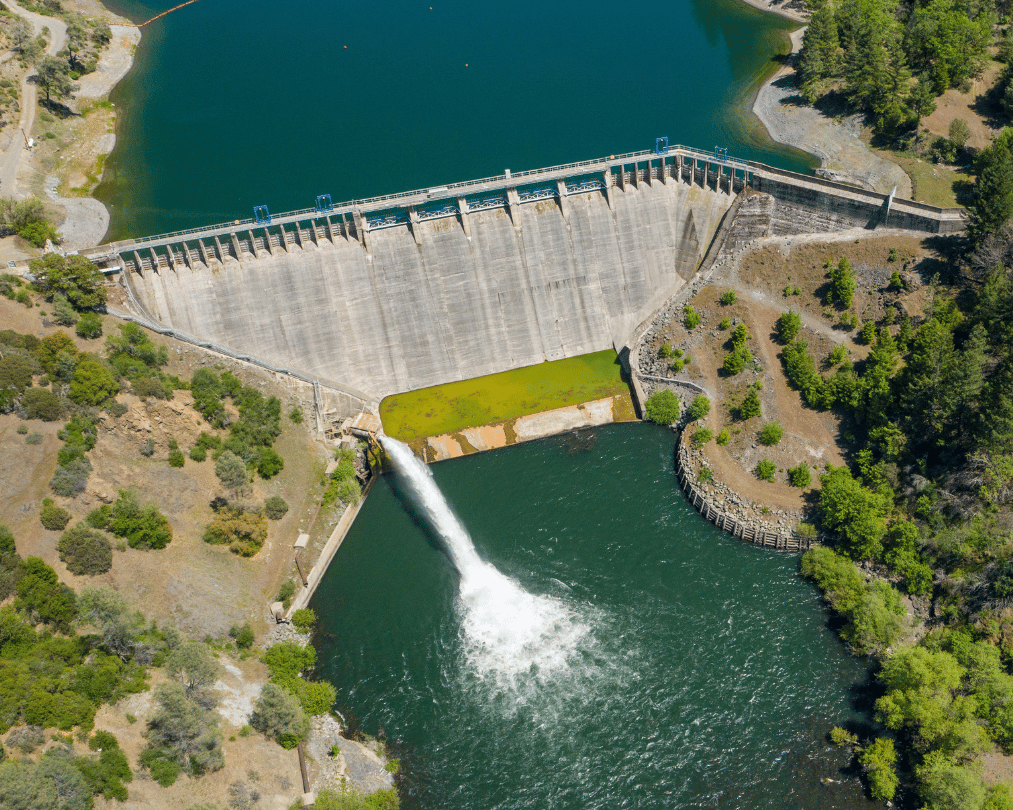
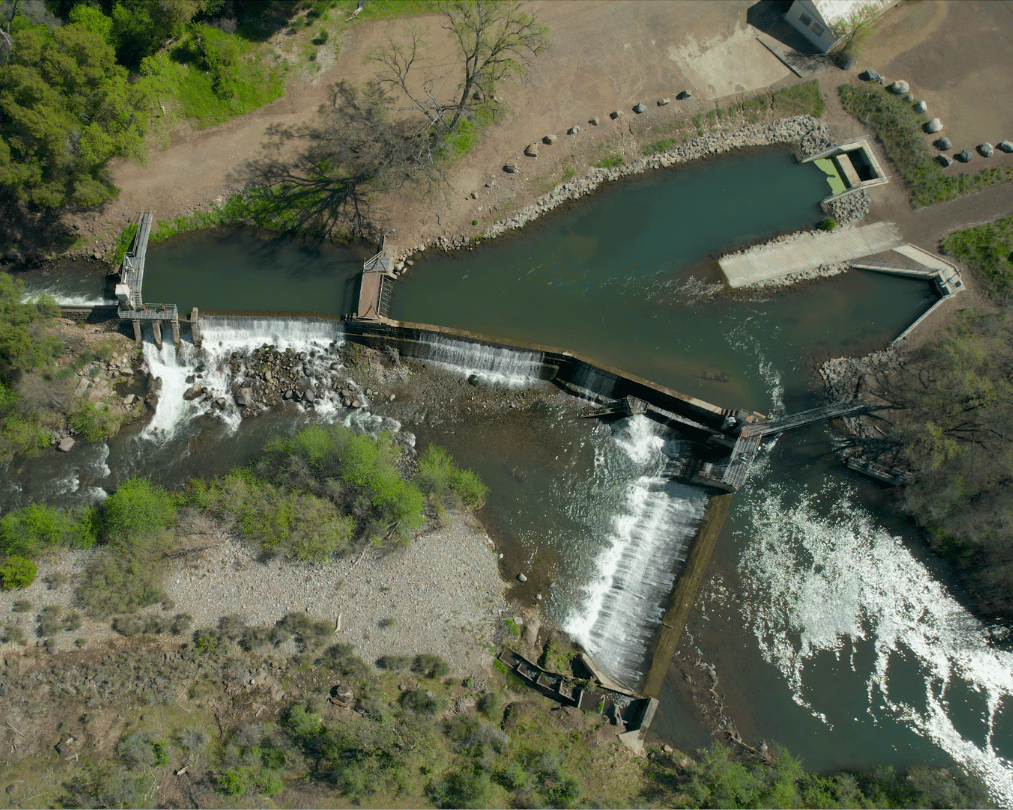
It’s more than just dams that create barriers to native fish migration. Other obstacles include bridges, highways, train lines, and even gas pipelines. On Alameda Creek, in the Bay Area, CalTrout and our partners are working to address the last major fish passage barrier in the watershed and open nearly 22 miles of habitat for federally threatened Central California Coast steelhead and other migratory fish. Currently, a concrete erosion control structure protecting a gas transmission line blocks fish passage. This year, we received $4.3M from NOAA to support the project with implementation most likely beginning in summer 2025.
On the Santa Margarita River in San Diego County, CalTrout and our partners are reconstructing a bridge that currently blocks fish passage to the upper watershed. Soon endangered Southern steelhead will be able to access all 29 miles of the Santa Margarita River, restoring this important historic migration corridor from headwaters to sea. The new bridge will also improve flood safety for those passing over it, enhancing an important link between the Temecula and Fallbrook communities. This year, reconstruction of the bridge broke ground!
In 2024, CalTrout received $23.9M from NOAA and CDFW to address a fish passage barrier on Trabuco Creek in Orange County created by the Interstate 5 Bridge Array and Metrolink Railroad Bridge crossing – one of the most significant fish passage barriers in Southern California. The project, when implemented, will restore access for Southern steelhead to 15 miles of historic habitat. The project will also benefit the surrounding community by stabilizing an aging flood control channel.
And on Cedar Creek, a tributary to the South Fork Eel River, we’re already seeing results from our barrier removal work. In 2022, CalTrout and our construction crews demolished a hatchery dam on the creek allowing salmon and steelhead access to this important tributary for the first time since the late 1940s. The creek is important for fish because it delivers abundant cold water year-round. Since then, our monitoring crews have surveyed for juvenile salmon and steelhead the past two summers. This year, we found coho salmon and steelhead far upstream of the old dam, enough to indicate a strong likelihood that they spawned in Cedar Creek!
We know what can happen when a watershed is split apart. For instance, the Shasta Dam on the McCloud River led to the complete extirpation of native bull trout. While not all dams should be removed, we have the opportunity to leverage technology to remove or upgrade obsolete dams and other infrastructure to reconnect ecosystems and protect native species.