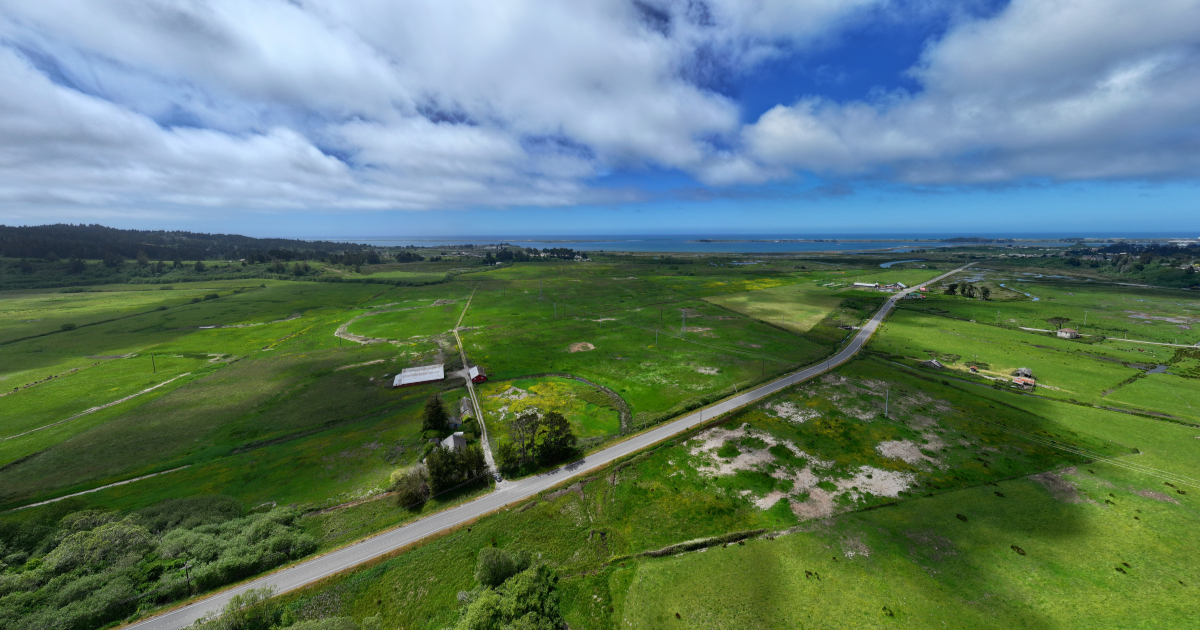
On a bright and blustery Tuesday, I’m winding my way down the coast to Pescadero State Beach. It’s the very end of November and giant waves are crashing along the rocky tide-pool covered beaches.
I’m on my way to meet CalTrout Project Coordinator, Will Ware, and CDFW Environmental Biologist, Sean Cochran. We have a special morning planned – a class of Pescadero Middle School students are meeting us at Pescadero Marsh for a few hours in the field discussing fish and estuaries.
The Pescadero Unified School District is unique. With such a small number of students, class sizes stay small, and teachers are encouraged to build creative curriculum that will keep students engaged with the subject matter. Colin Geraci, Pescadero Middle School’s science teacher, worked with us diligently to make this collaboration happen for his students.
When I meet Will and Sean at the parking lot, there’s another ecological surprise waiting for us – the mouth of the lagoon has naturally breached by the first set of storms. For many years, on and off, water levels have not been high or powerful enough to break through, and the mouth of the lagoon has been breached mechanically. This natural process is another exciting talking point to share with the students.
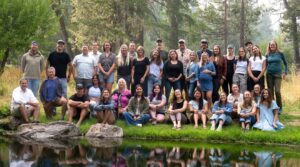
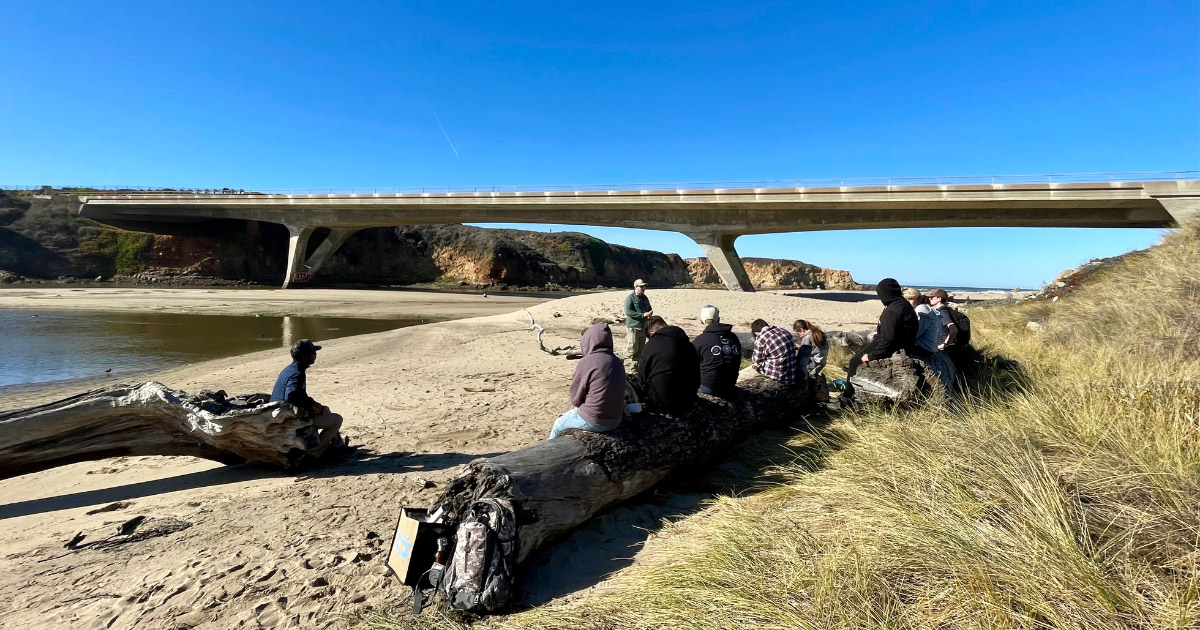
Shortly after Will, Sean, and I have scampered down the sandy dunes to the lagoon, Colin arrives with his class. They’re familiar with Pescadero Marsh, as Colin and other teachers at Pescadero Middle School do their best to get students down to the close-by marsh as much as possible.
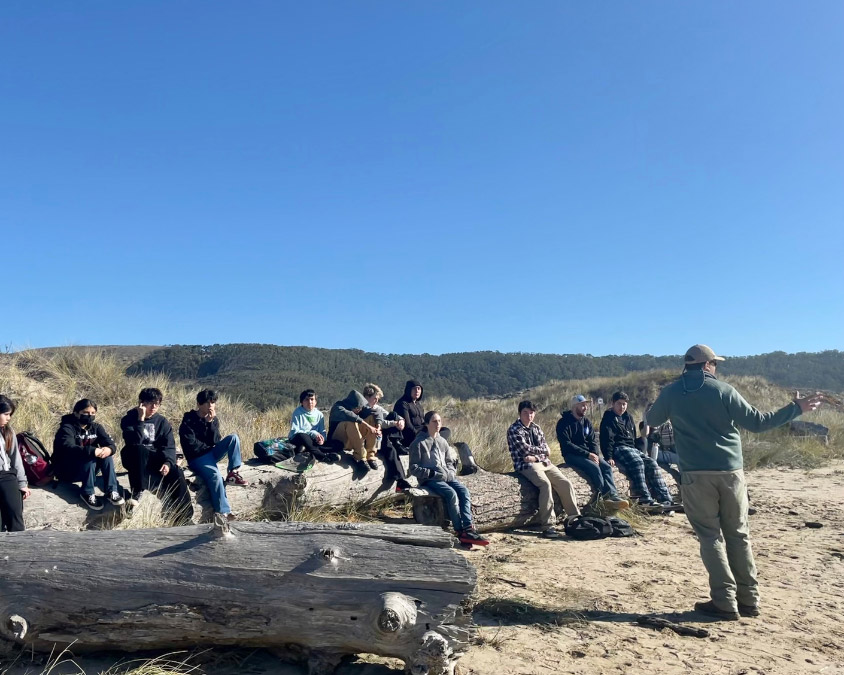
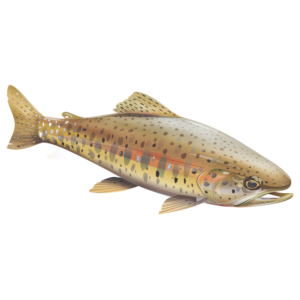
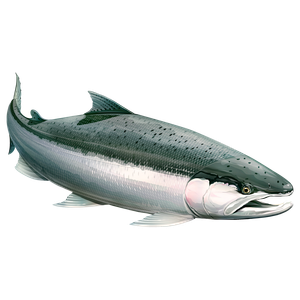
We sprawl out along beached logs, and Sean leads a discussion on the marsh’s ecological processes, including its unique salmon and steelhead runs and CalTrout and CDFW’s collaborative work at the site.
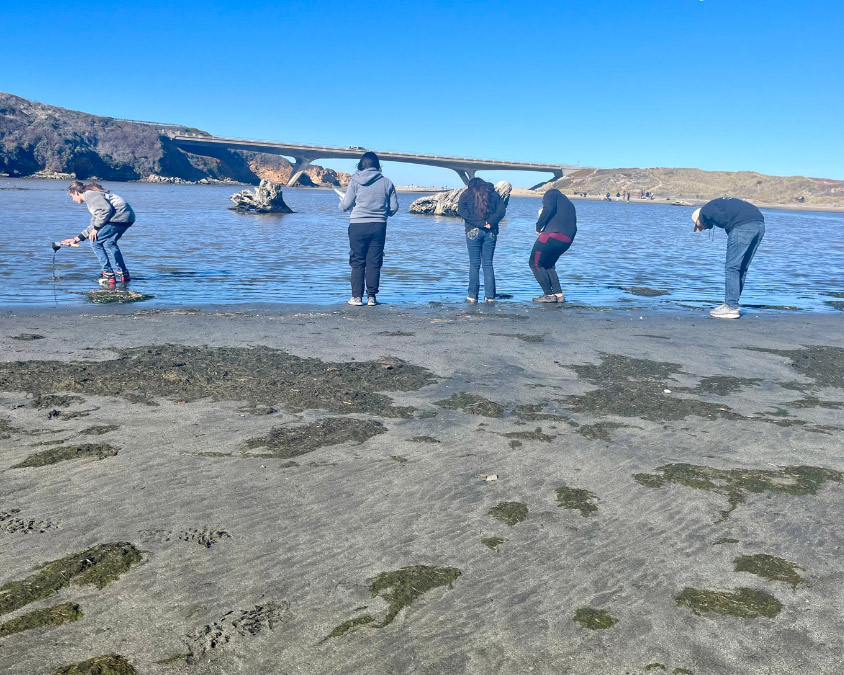
After answering a handful of questions, we set out to explore the newly drained lagoon. The breach drained much of the lagoon’s sitting water, leaving behind a slow main channel. Along the drained flats we find flounder that weren’t fast enough to get into the main channel, different types of clams, invasive New Zealand mud snails, small shrimp, and plenty of organic material.
With Sean and Will available to answer questions on discovered species and the marsh’s ecological processes, I wander the shoreline with students pointing out marsh birds like grebes, buffleheads, and coots, and getting my hands dirty in the life-giving silt right below the water’s surface.
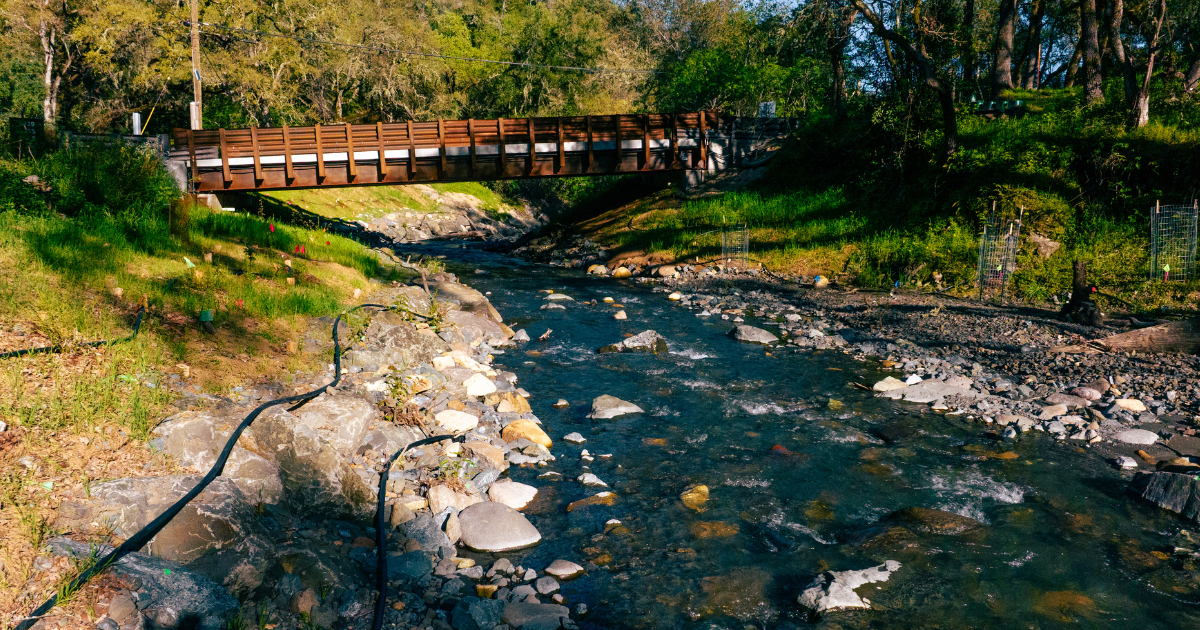
A few thoroughly wind-swept hours later, Colin’s class departs for their school’s campus and Will, Sean and I make our way back to the parking lot with Will and Sean discussing the technical needs for the CalTrout and CDFW fish tracking PIT tag arrays in Pescadero Creek.
We’re hopeful that this trip will be the first of many that we get to do with Pescadero Unified School District, as well as other districts in our project areas.
To learn more about CalTrout’s research and monitoring work in Pescadero Marsh explore the links below.