

Where juvenile steelhead grow faster than anywhere else in California
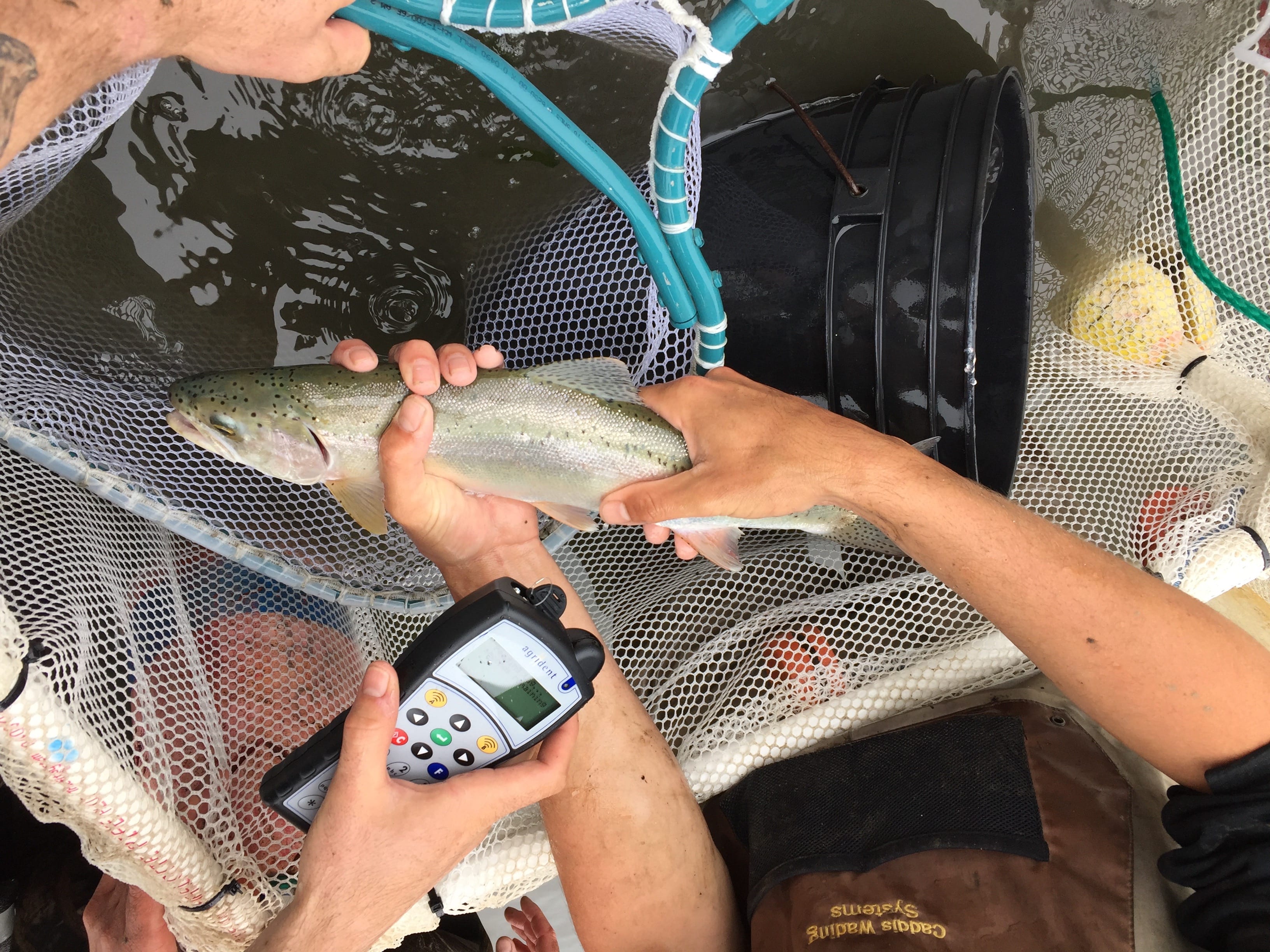
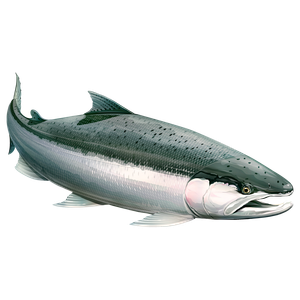
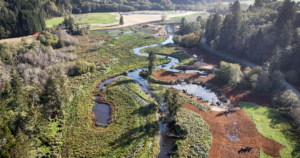
Since 2014, California State Parks, California Department of Fish & Wildlife (CDFW), NOAA Fisheries, and other local partners and citizens have helped monitor the threatened steelhead population in Pescadero Marsh Preserve, San Mateo County.
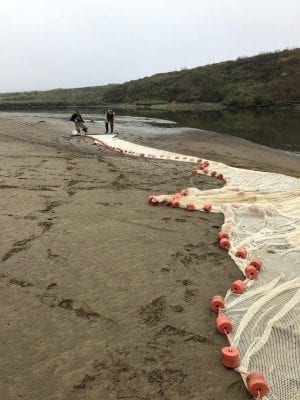
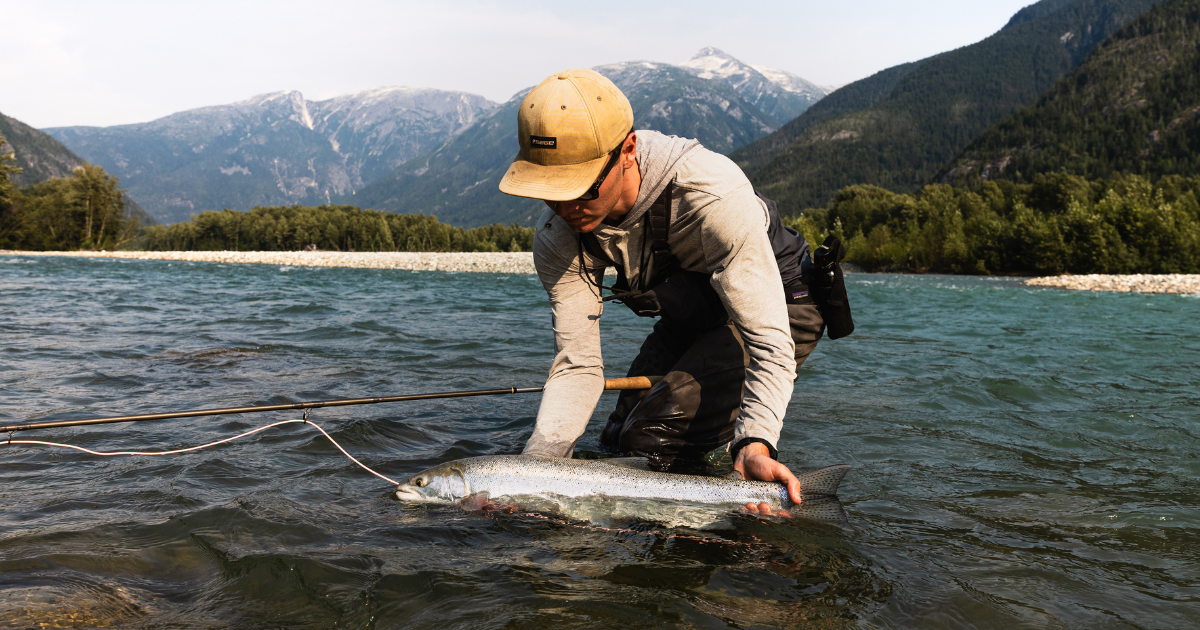
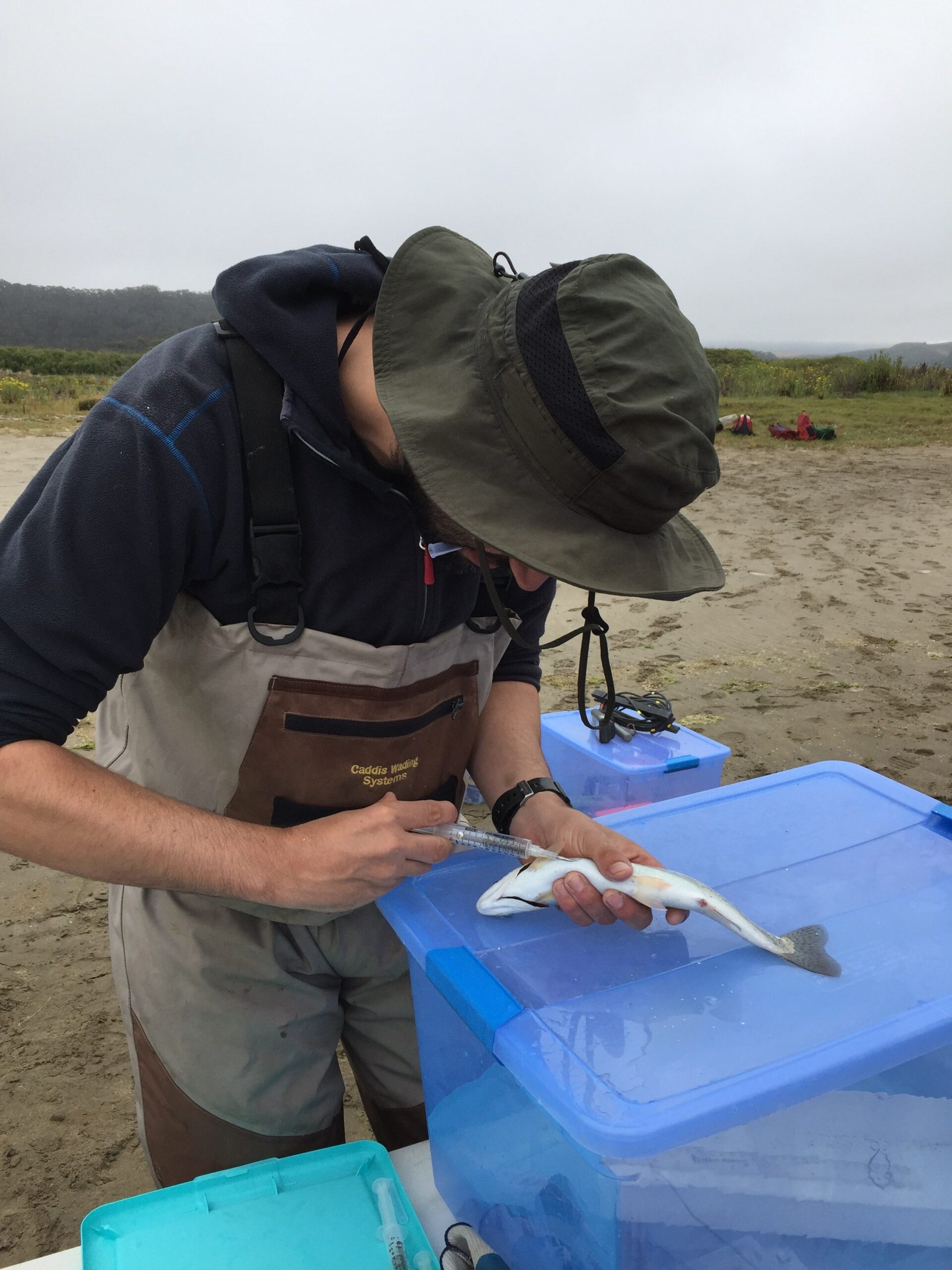
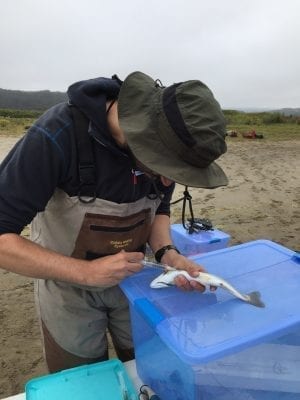
Led by CDFW’s Jon Jankovitz, staff from all three agencies assist in a population monitoring study for several months each summer and fall that consists of capturing juvenile steelhead with a seine net, measuring, taking scale samples, and tagging fish with small Passive Integrated Transponder (PIT) tags – each with an individual number (like the chip in your dog or cat to help identify them if lost).
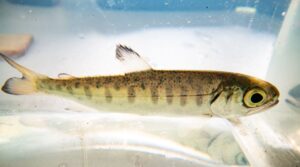
With permission and in partnership with California State Parks – who own the land – the researchers capture and tag about 100 juvenile steelhead in one day of sampling. They then collect scale samples that, when analyzed under a microscope, can be used to determine the age and growth rates of individual fish, as well as how long they have spent in freshwater, the marsh, or the Pacific Ocean. The following day, the researchers return to sample the marsh and attempt to re-capture juvenile steelhead. The exercise is repeated twice per month from July through November.
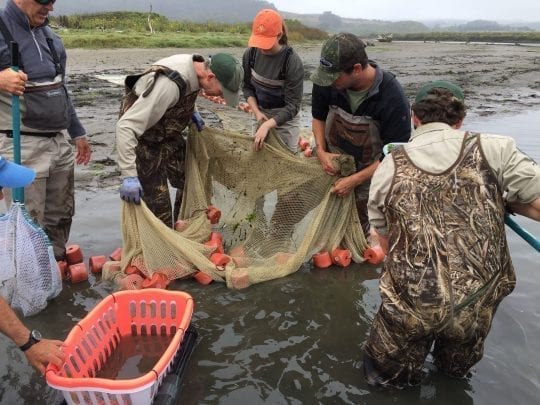
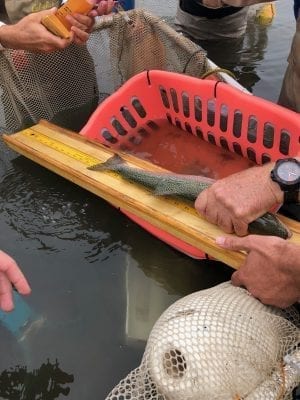
The number of recaptured fish (detected by the electronic PIT tag reader) from the previous day is extrapolated and plugged into a population model to estimate the total steelhead population from the Pescadero watershed. CalTrout Bay Area Program Manager Pat Samuel, assisted by Board Member Paul Vais and summer intern Hannah Zuklie, helped assist the study last week. Paul was able to provide aerial photography and videography of the effort, while Pat and Hannah moved fish from the holding net pens to the PIT tagging table and then back to be released in the Marsh once they recovered.
This study and its findings are critical to understanding the health and growth of individual fish, the size and health of the population as a whole, and reveals critical information about how much time the fish spend in and grow in the Marsh. Through similar studies from researchers at UC Berkeley, managers have learned that juvenile steelhead grow faster in Pescadero Marsh than anywhere else in California. Putting on size and weight before their arduous journey to the Pacific Ocean and back is the biggest determinant of survival to adulthood in steelhead. For this reason, Pescadero Marsh represents perhaps our best opportunity for reaching recovery goals for steelhead south of the Golden Gate Bridge.
We continue to work with our partners in the watershed to monitor the health of the population, increase awareness of the importance of these closed lagoon systems to steelhead and coho salmon, and explore future restoration opportunities to improve habitat for these species.