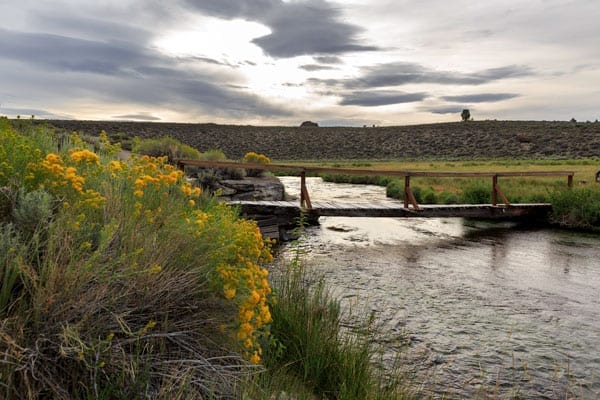

California Department of Fish and Wildlife (DFW) recently released an announcement regarding the status of Hot Creek and actions that the Department will be taking.
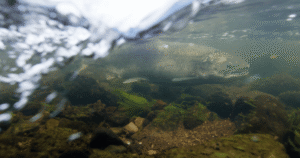
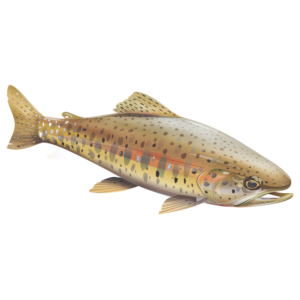
Hot Creek, a Wild Trout Water and one of the most popular fishing spots in California’s eastern Sierra, is home to a historically thriving rainbow and brown trout fishery that boasts trophy-sized fish, yet it is currently in serious decline. Kevin Peterson of Hot Creek Ranch initially expressed concern after observing drops in fish size and quantity throughout the last three to four years, prompting DFW to perform a population survey with assistance from CalTrout and local fishing guides in August 2016. Their findings revealed that there were fewer than 1,000 fish per mile of stream. Compared to a 2008 survey that found a record 12,000 fish per mile, DFW determined that swift action is needed to restore the wild fish populations. Hot Creek stream will be supplied with 12,000 fish (8,000 rainbows plus 4,000 browns) yearly until the population reaches a sustainable level.
California’s enduring drought is the proposed culprit behind Hot Creek’s disturbing decline. Low stream flow leads to a build-up of sediment which blocks the cool, deep holes that big fish use for shelter and obscures the gravel streambeds where fish lay their eggs.
According to California Fish and Game Code, Wild Trout Waters (Hot Creek earned this designation in 2007) must support wild trout populations to provide satisfactory catch, considering both size and quantity of fish. The stocked fish, provided by Hot Creek Hatchery, will be sub-catchable size, allowing them to grow naturally alongside their wild counterparts. CalTrout remains an engaged partner in this project, helping to collect data to monitor stream conditions. We support the Department’s actions, believe they are within the bounds of managing Wild Trout designated streams and applaud them for being a proactive partner in the eastern Sierra.
The Sheet, an eastern Sierra local newspaper, covered this story in this week’s paper (found on page 5).
To learn more about CalTrout’s work on Hot Creek, click here.