Fish, Farms, and Floods.
Today’s San Francisco Chronicle features an Op-Ed by author and former land-use planner Tim Palmer who writes about the need to rethink our relationship to rivers and their floodplains. Palmer correctly identifies increasingly costly and damaging seasonal flooding as a major challenge facing our country, and especially California, as the effects of climate change grow more and more severe. We at CalTrout wholeheartedly agree and have been working to help re-define the way people think about rivers and their natural tendency to spread beyond their banks.
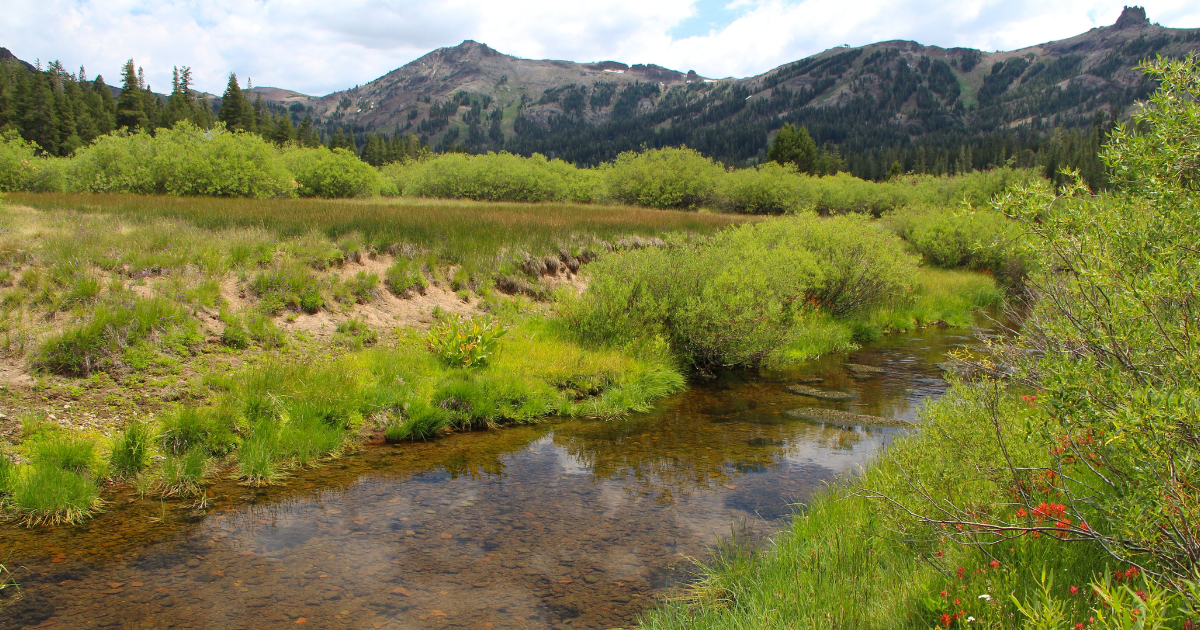
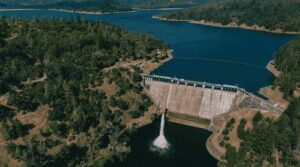
Over the years, here in California as in the Midwest and beyond, we have re-engineered our waterways – channelizing them, building dams, dikes, and levies – in an attempt to control their flows and divert their waters for our benefit. In the process, we built too heavily in their floodplains and become too dependent on man-made structures to control flowing water, one of the strongest forces in nature. This has resulted in harm to migratory fish populations and tragic losses of property for those who have found themselves in the floodwaters’ path.
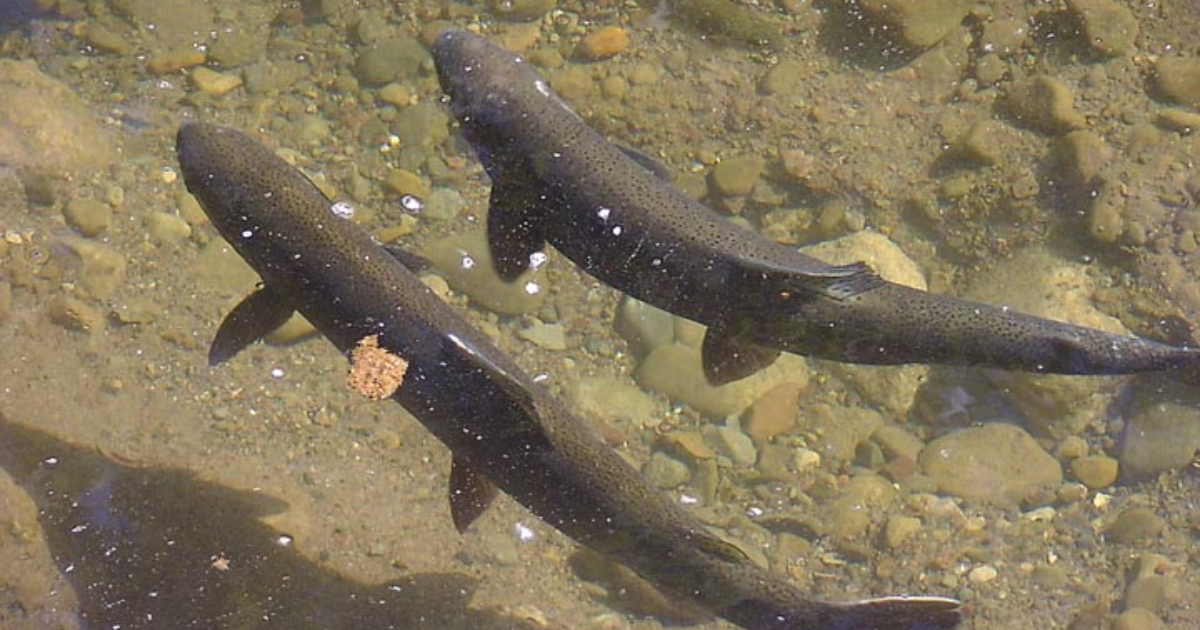
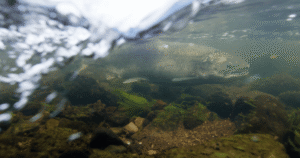
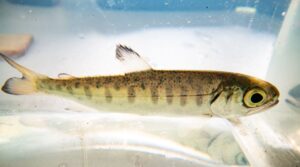
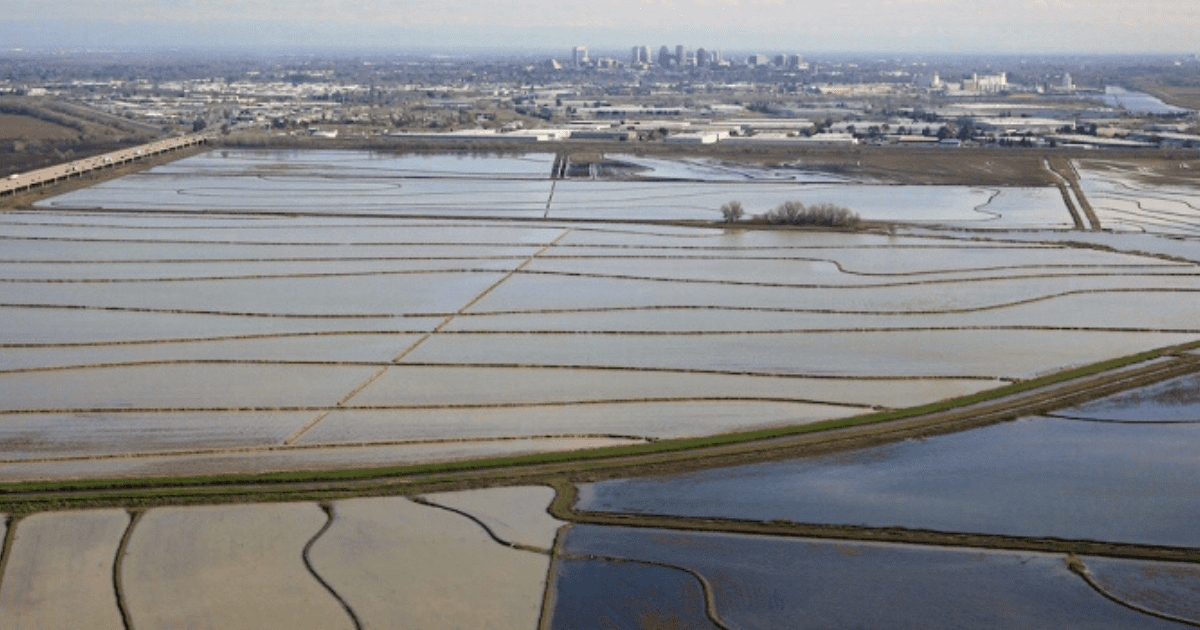
Reconnecting rivers to their floodplains not only protects communities from catastrophic floods, as noted in Mr. Palmer’s Op-Ed, it also results in multiple benefits for wild salmon, steelhead and other wildlife, including migratory birds. In order to achieve these benefits, California needs to update its water infrastructure and flood control operations in a way that reintegrates historic patterns of floodplain inundation in the Central Valley. To do that, we first need to understand how nature works and use that knowledge to guide our resource management plans.
For more than a decade, Caltrout has been conducting the science necessary to help flood managers make decisions that achieve optimal benefits for fish while still protecting communities and local economies. Currently, we are working closely with Governor Newsom’s administration to better prioritize flood and water management actions that incorporate the flooding process. By understanding large-scale natural processes and how to harness their benefits, we can achieve greater water resiliency for California. When we learn to make the land/water interface work on a number of levels, instead of just trying to keep the water at bay, walled in, waiting for it to spill over catastrophically, we can make it work for fish, for people, and for a more sustainable future.
Read more here: