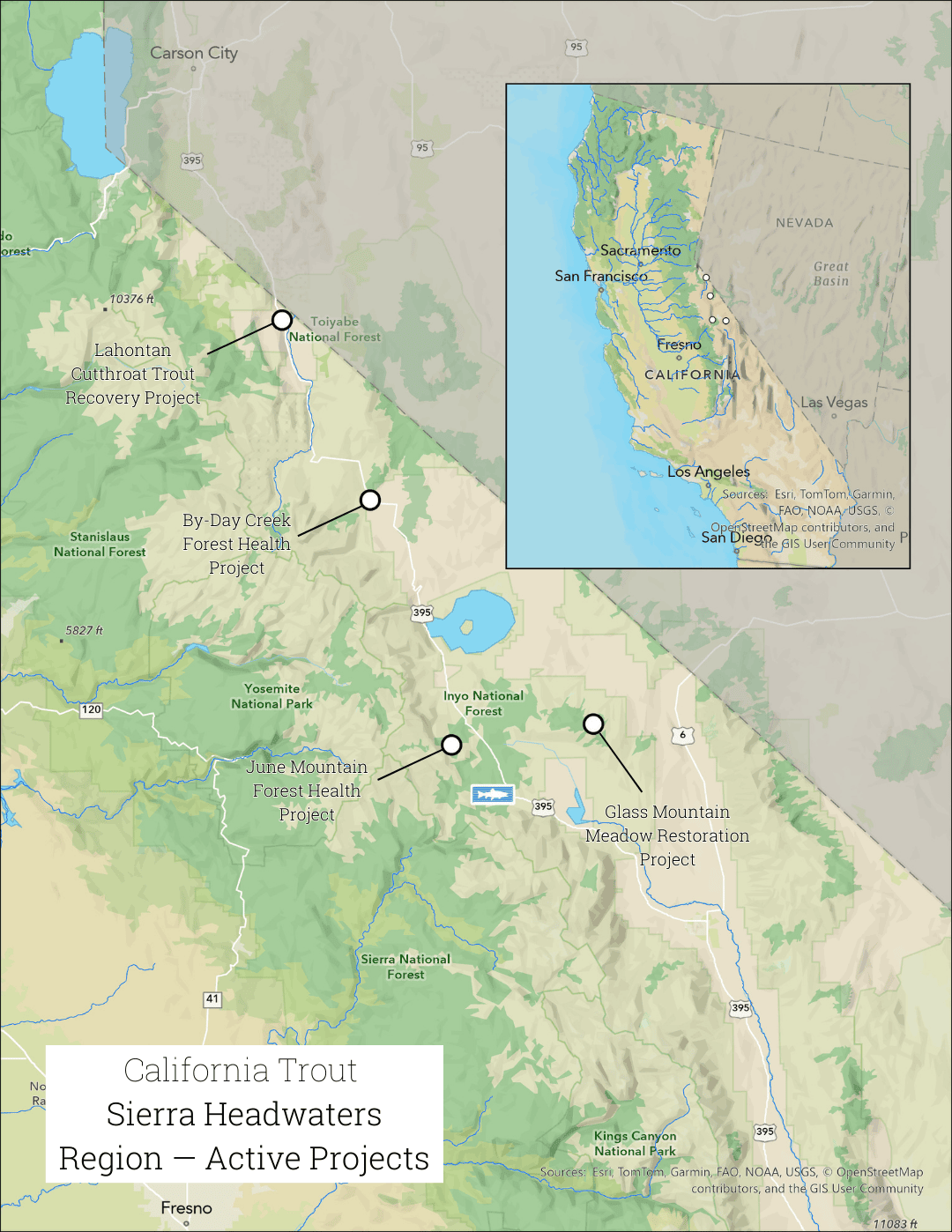
The Sierra Nevada is known for its incomparable natural beauty, a paradise for hikers, skiers, and anglers alike. However, decades of human intervention have degraded meadows, disrupted hydrological systems, and threatened critical habitats. Our team has been working tirelessly to address these challenges through innovative, integrated conservation projects to ensure the Sierra’s unparalleled landscape remains healthy for future generations to enjoy. This year, we have successfully completed two projects on By-Day Creek and June Mountain and have six more active projects in the region.
Join us as we dive into a few key projects that are restoring the health and resiliency of some of our most challenging and important ecosystems.
Protecting Lahontan Cutthroat Trout: A Multi-Pronged Strategy
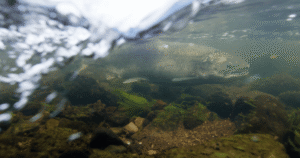
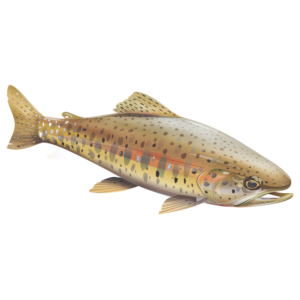
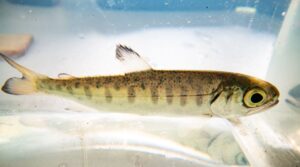
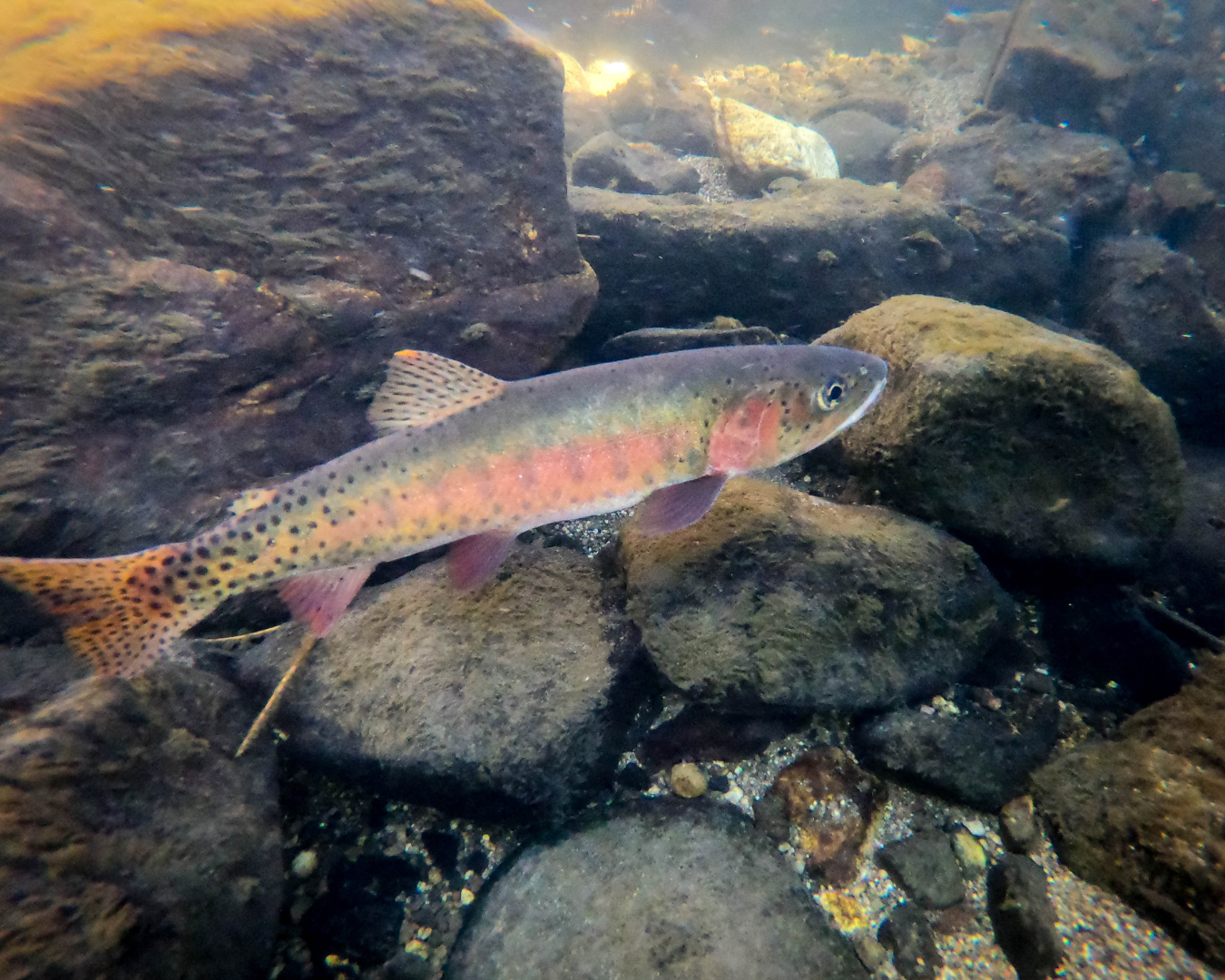
The Lahontan Cutthroat trout (LCT) is a species whose survival hangs in a delicate balance and is an important focal point in our broader conservation efforts. In the West Walker Basin, we’ve launched an intensive invasive species removal project in Silver and Slinkard creeks in partnership with California Department of Fish and Wildlife (CDFW) that represents a critical intervention for these endangered fish.
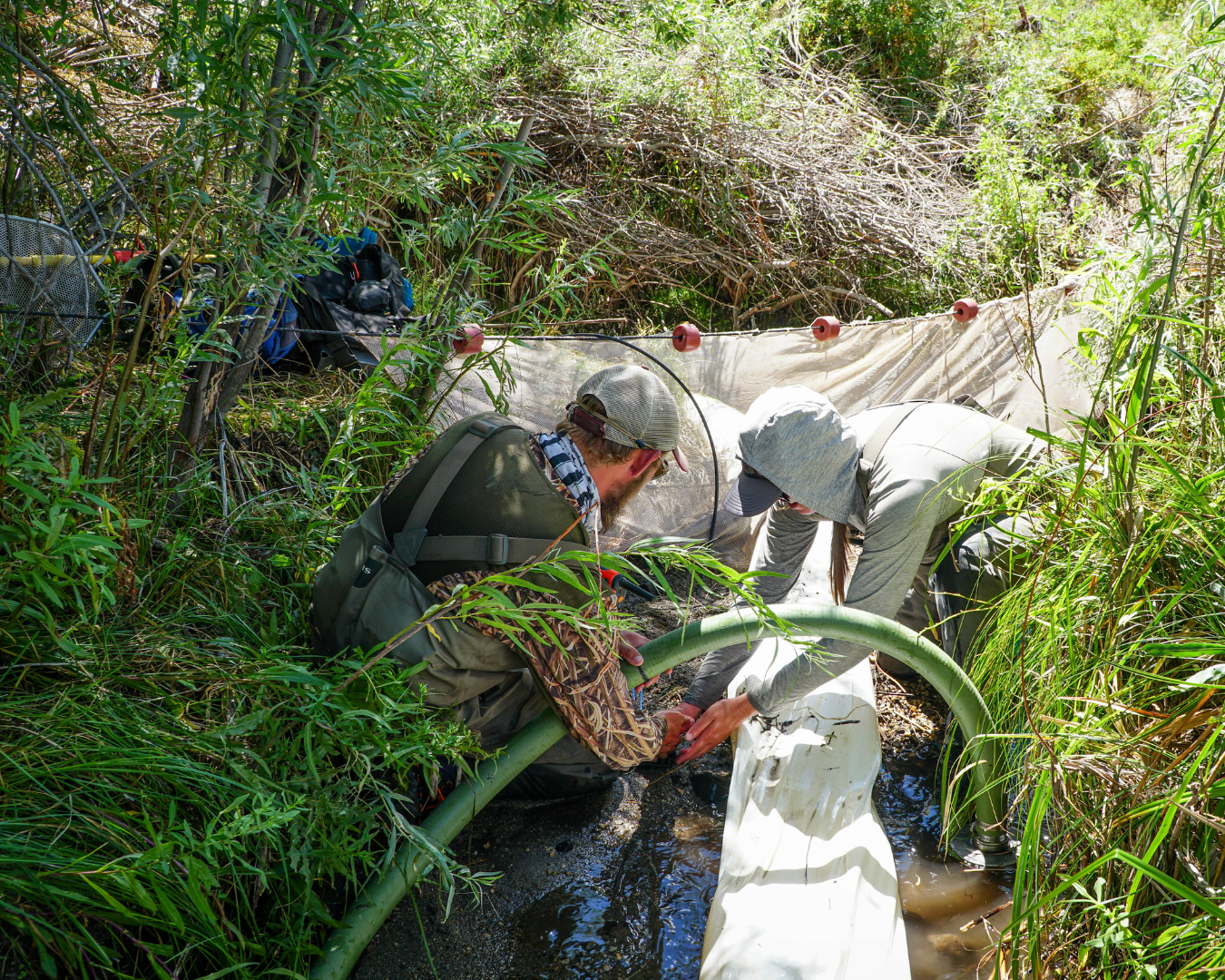
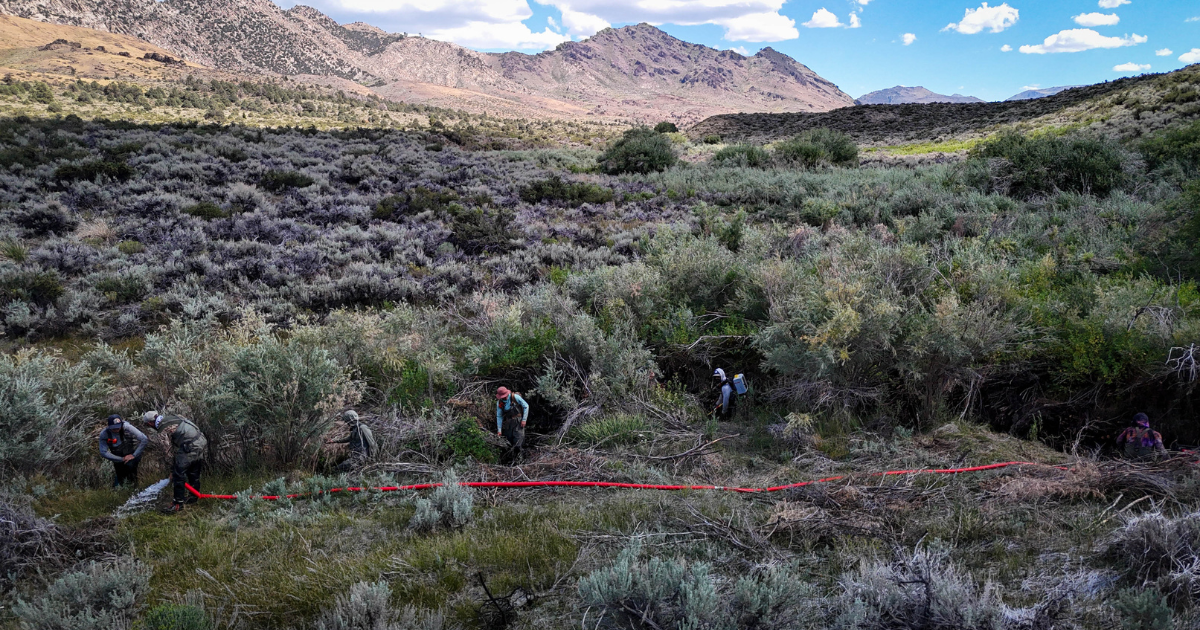
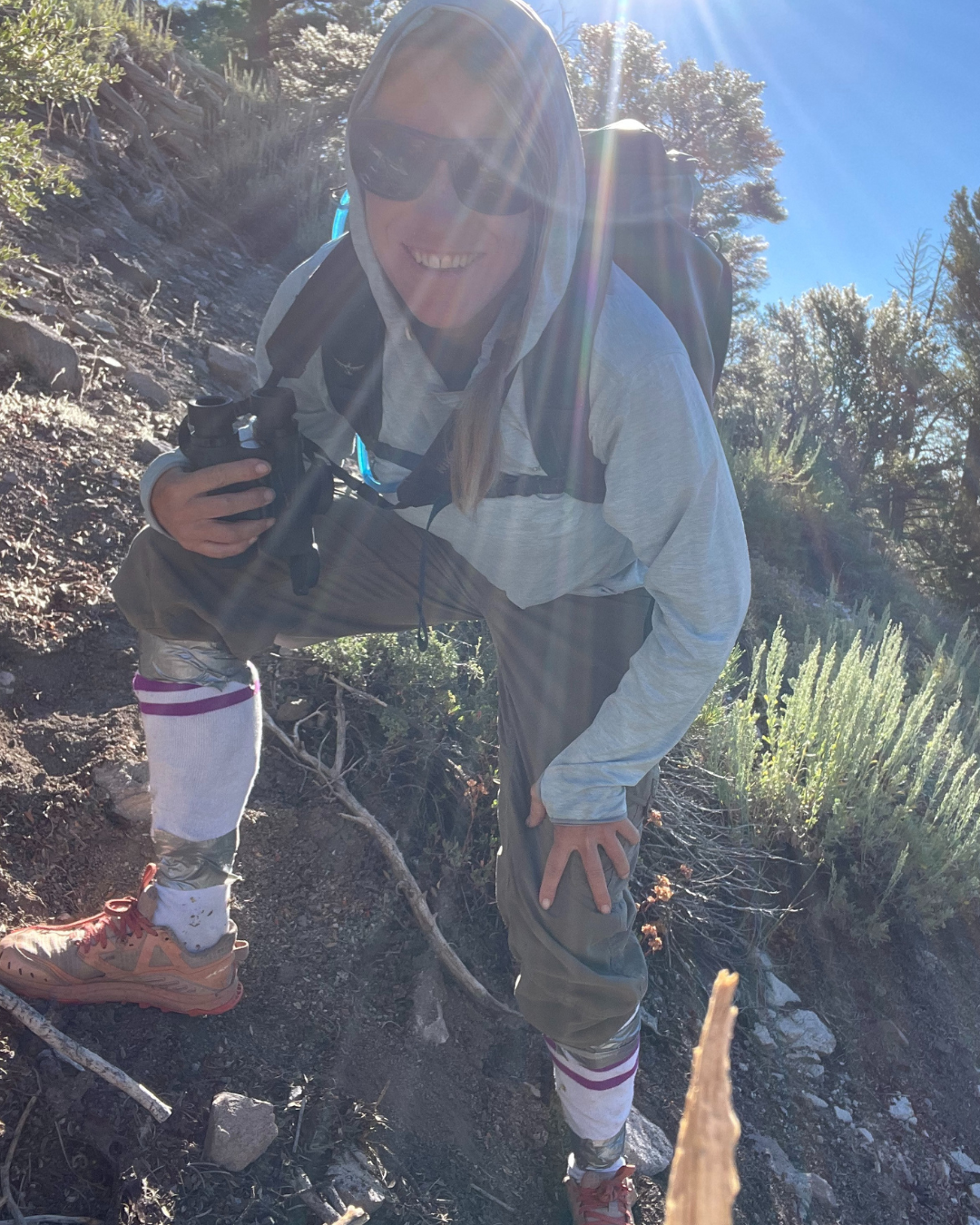
The project was ambitious from the start. We assembled a dedicated seasonal crew of five who worked alongside California Department of Fish and Wildlife (CDFW) field teams to tackle over 10 miles of Silver Creek. Their approach was meticulous and physically demanding (requiring frequent bushwacking to reach the stream): using dewatering techniques and electrofishing to remove non-native brook trout. The team completed five eight-day intensive field hitches, setting up advanced environmental DNA (eDNA) monitoring to track both native LCT and invasive brook trout populations.
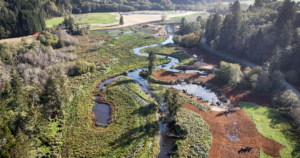
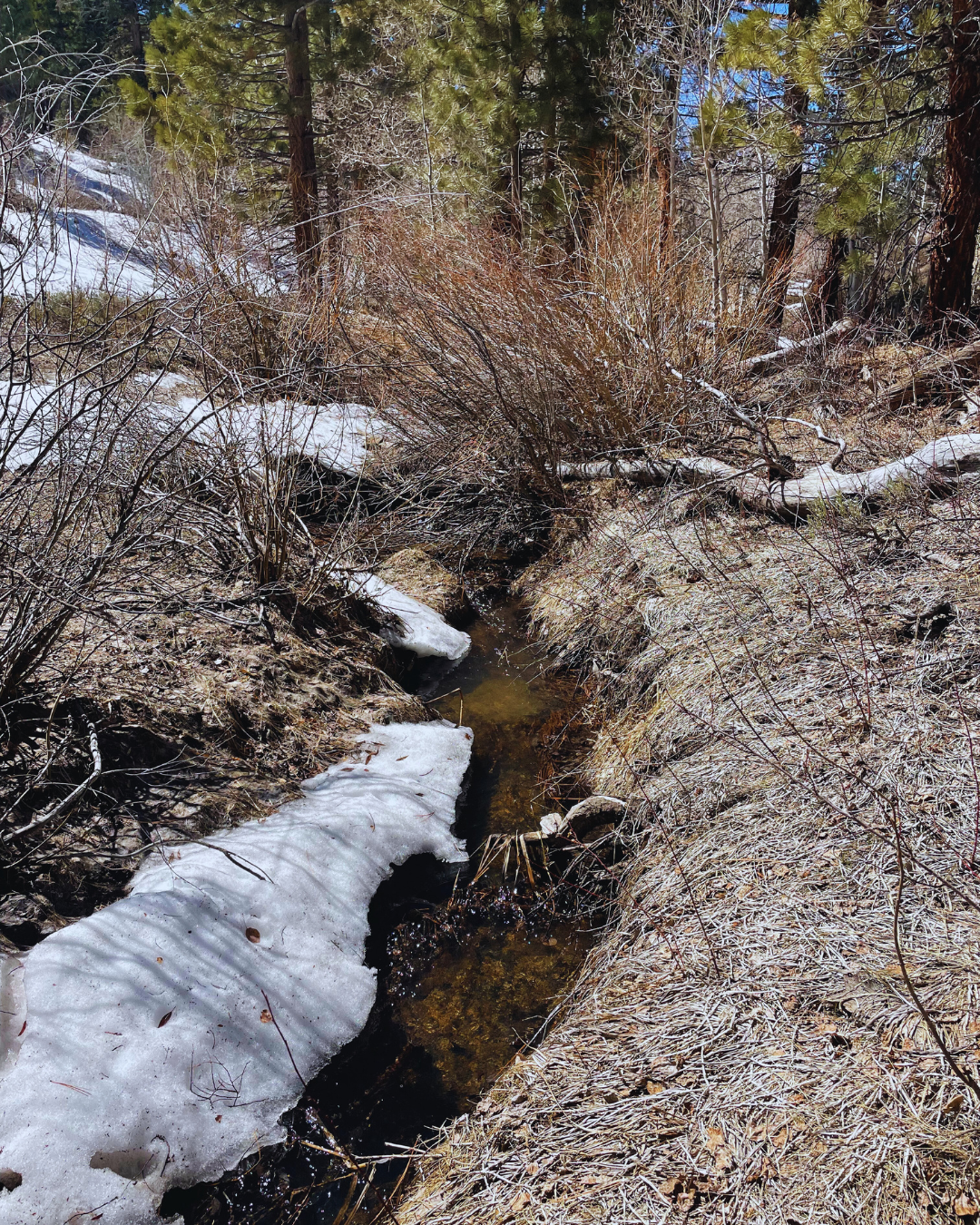
Slinkard Creek presented its own unique challenges and opportunities. Once a ranching area, the creek showed significant signs of anthropogenic degradation, including massive head cutting from construction of Highway 89. Head cutting simply refers to a process of erosion in streams or river. However, this site emerged as ideal for restoration—a spring-fed, drought-resistant stream within the native LCT range that could serve as a critical cold-water refuge in our changing climate. Similarly to our physically demanding Silver Creek project, our eight-member field team worked hand-in-hand with CDFW this year to dewater and electrofish in Slinkard Creek.
Forest Health: A Preventative Approach
At By-Day Creek, our forest health project with CDFW represents a strategic approach to ecosystem management. Completed this fall, we implemented targeted thinning of an overly dense understory, addressing multiple conservation objectives simultaneously. By removing excess conifers, we’ve created space for native aspen trees, reduced the threat of catastrophic wildfires, and allowed for a resurgence in biodiversity.
This project is particularly significant because it protects a genetically pure LCT source population—a critical genetic reservoir that can support reintroduction efforts across the region. Despite facing unprecedented challenges, including our snowiest winter in Sierra history that delayed our work by four months and required extensive road repairs, we successfully completed the project.
The success was so remarkable that adjacent land managers, including the Humboldt-Toiyabe National Forest, are now looking to replicate our approach across the entire By-Day Creek watershed.
Integrated Meadow and Forest Restoration: A Holistic Model
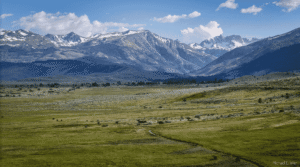
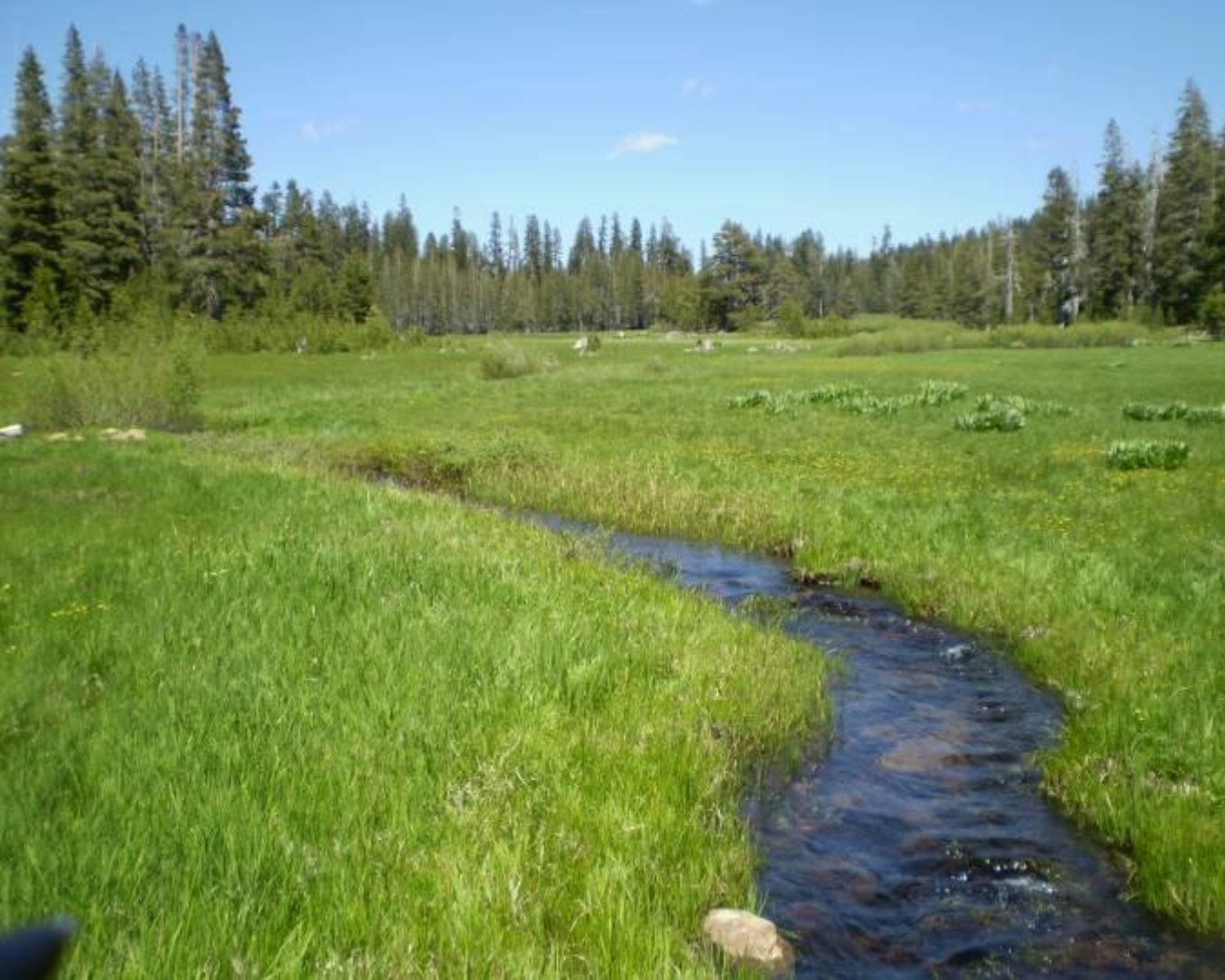
Meadows are the unsung heroes of our ecosystem – the driving force behind our Glass Mountain restoration project. They act as critical oases for wildlife, capture sediment during wildfires, and provide essential habitat for species. Healthy meadows are also powerful carbon sinks—when degraded, they can release centuries of stored carbon.
The project at Glass Mountain addresses multiple critical issues. Years of human intervention—including grazing, logging, and road construction—have deeply impacted the ecosystem. Sediment accumulation, conifer encroachment, and stream incision have disconnected the meadows from their natural groundwater systems and threatened various species, such as the mountain yellow-legged frog. Each of these factors creates a domino effect, which we are addressing by first identifying the root issue.
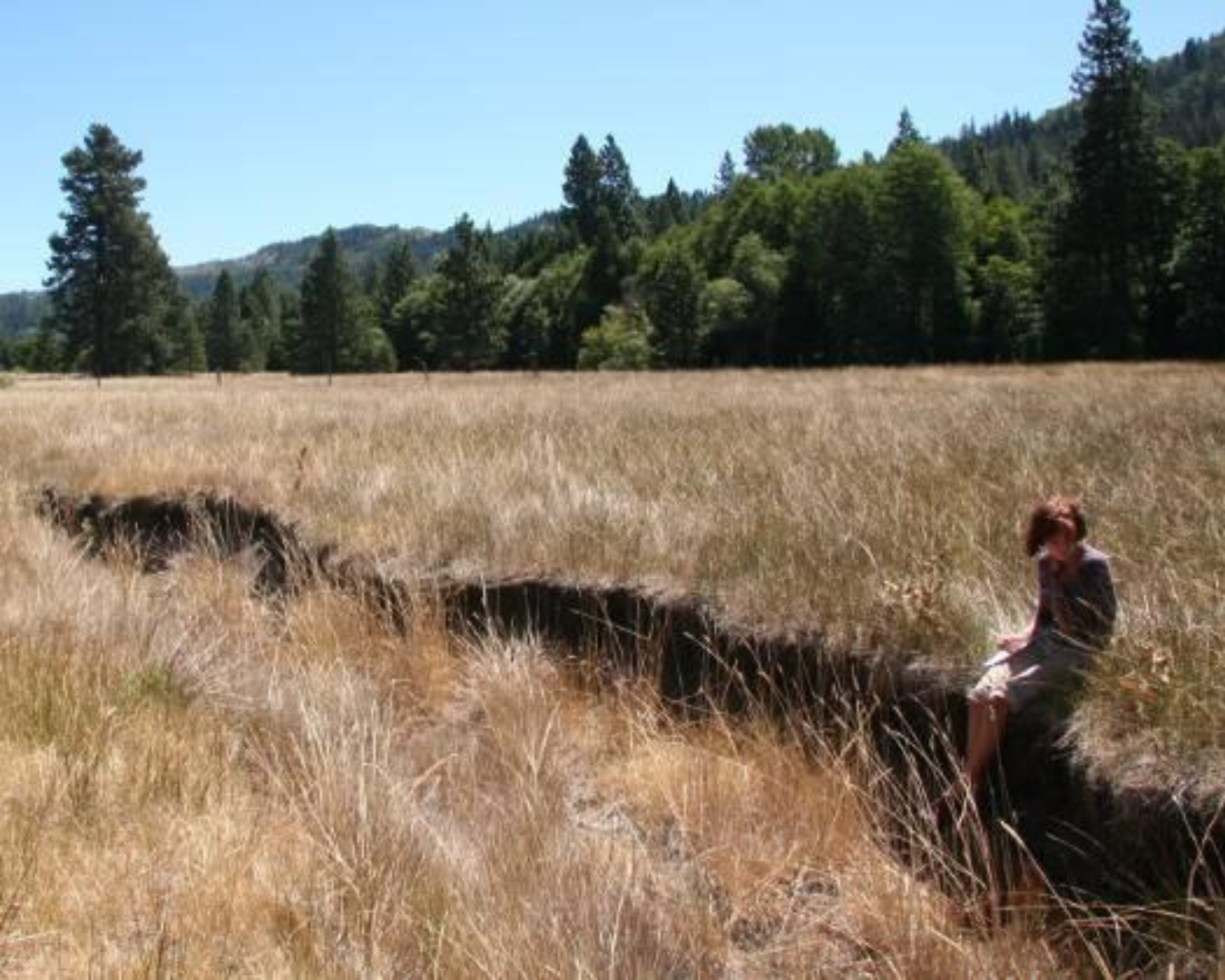
Our team has spent countless hours walking the terrain, carefully “reading” the landscape to understand its complex ecological dynamics. We’re investigating everything from channel incision and natural fault lines to historical wildlife patterns and current hydrological systems to ensure our restoration work is both impactful and sustainable.
Collaboration is key to success. Our partners include the Inyo National Forest, Kootzuduka’a and Bishop Paiute Tribal Nations, CDFW, landowners, and more.
The project serves as a pilot study—a potential roadmap for financing large-scale restoration projects. By quantifying multiple benefits including carbon sequestration, water resource protection, and biodiversity enhancement, we’re creating a model that could transform meadow conservation.
Expanding Our Impact
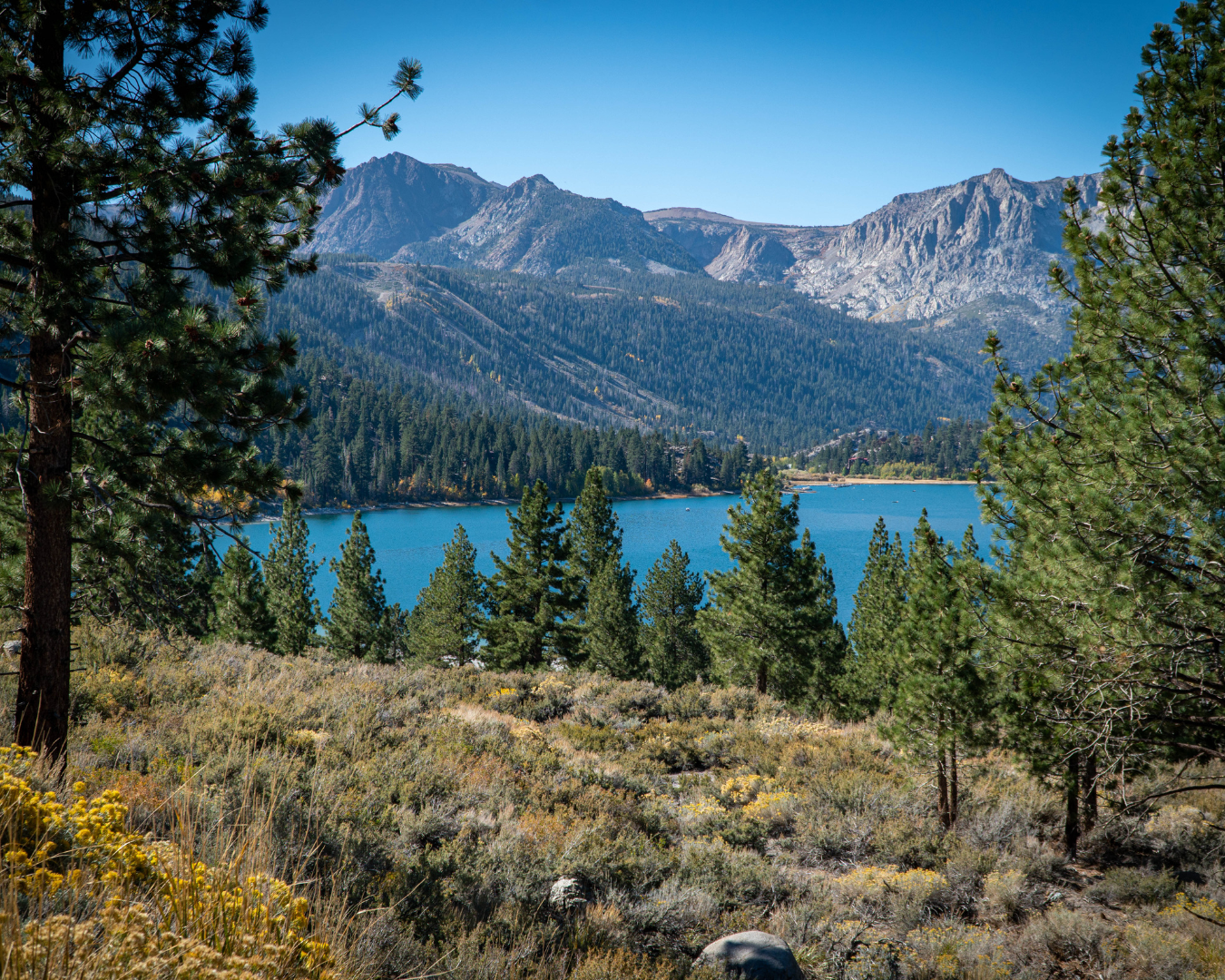
This year, we also completed a forest health project on June Mountain, treating over 316 acres in collaboration with the Inyo National Forest. By processing and removing more than 1,000 tons of cut biomass and completing forest treatment units, we’re creating healthier forests and protecting downstream fisheries.
An exciting new project on Lower Mammoth Creek is also on the horizon, promising to restore fish habitat, improve recreational trails, and engage the community through creativity and art.
A Collaborative Future
Our work in the Sierra Headwaters is a testament to the power of collaborative, holistic conservation. By addressing challenges like invasive species, forest health, and meadow restoration simultaneously, we’re creating a more resilient landscape—one creek, one meadow, and one forest at a time.