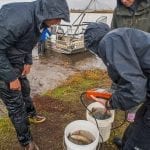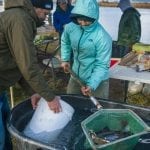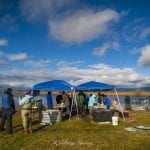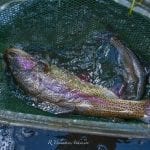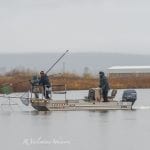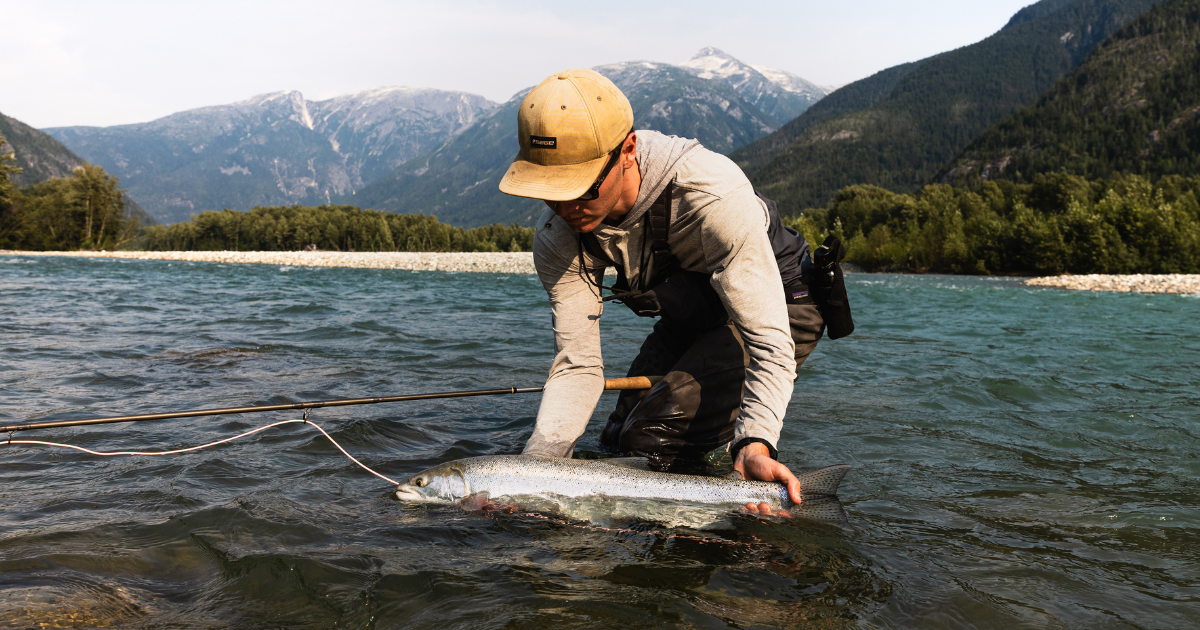
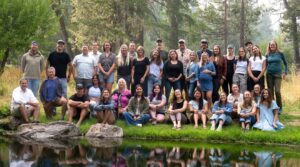
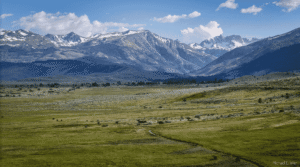
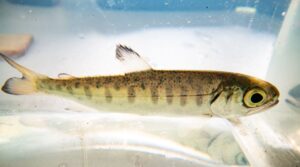
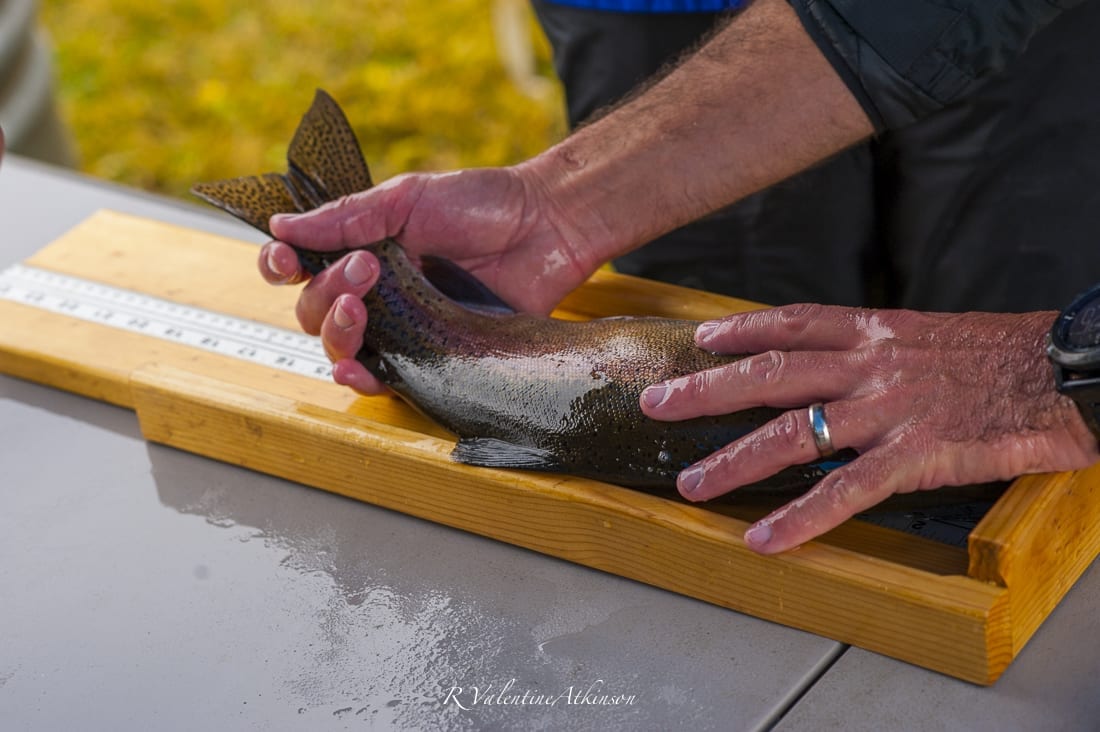
CalTrout joined Fall River Conservancy and UC Davis Center for Watershed Sciences along with volunteers from the community at the Fall River this November for a day of wild trout PIT tagging. This fish monitoring program was started in 2013 to learn more about trout populations in the fishing haven of the Fall River and protect and restore their habitat to ensure healthy trout populations into the future.
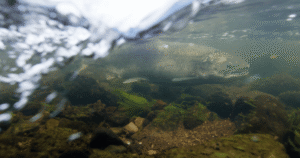
The day started out cold and rainy. Nevertheless, the team went to work quickly, ultimately collecting and tagging 275 fish with Passive Integrated Transponders (PIT). The PIT tags track fish movement, allowing us to monitor population trends and life history patterns so we can identify key habitat areas for protection. Later in the afternoon, the skies opened and treated us to sunshine and an epic rainbow.

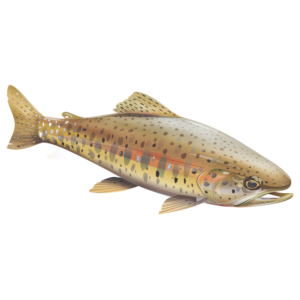
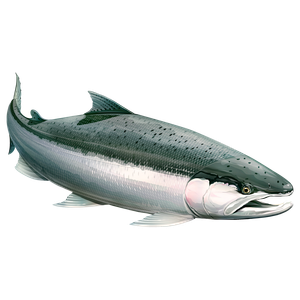
At the same time as the tagging, researchers also collected small samples from the fins to collect genetic data. Over the last 4 years of the program collecting and analyzing data, the genetic analysis has revealed that there are genetically-different sub-populations of Rainbow trout in the Fall River. These sub-populations encounter each other in the main Fall River system, but are segregated in spawning locations with very little gene flow between populations. The genetically distinct sub-populations of Fall River fish experience different hydrological conditions, and understanding these conditions will ultimately lead to better management.
The Fall River Wild Trout PIT Tagging Program has provided a wealth of interesting data that will be useful in influencing management decisions to keep the fishery healthy.
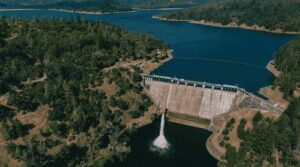
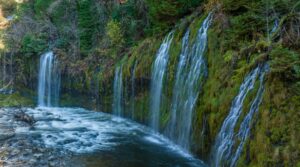
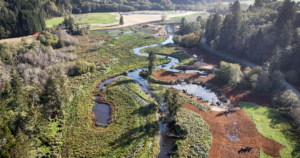
CalTrout has been involved with Fall River conservation projects for years. At over one million acre feet per year (890 million gallons a day), the Fall River generates more cold, clean, nutrient-rich, spring water than any river in California. This water fuels one of the state’s largest hydroelectric projects- Pit River Hydro System, recharges (with steady year-round flows) the state’s largest reservoir- Shasta Lake, and irrigates tens of thousands of acres of agricultural lands in the Sacramento Valley. Additionally, the Fall River supports the state’s largest blue-ribbon spring-creek wild trout fishery. Existing threats to the fishery include invasive aquatic plants (Eurasian watermilfoil), degraded streambanks caused by unrestricted cattle grazing, and over-sedimentation of the streambed and channel.
Thank you Val Atkinson and Mike Wier for capturing the day’s activities.