Governor Newsom Expands Drought Emergency to Klamath River, Sacramento-San Joaquin Delta and Tulare Lake Watershed Counties
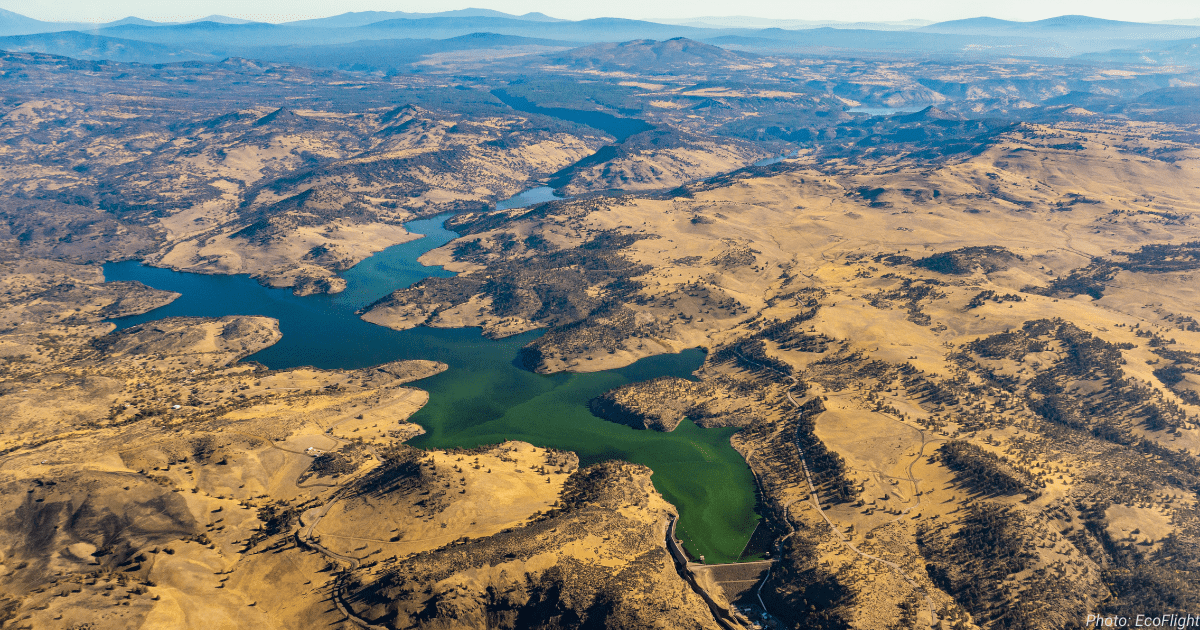
Governor Gavin Newsom today significantly expanded his April 21 drought emergency proclamation to include Klamath River, Sacramento-San Joaquin Delta and Tulare Lake Watershed counties where accelerated action is needed to protect public health, safety, and the environment. In total, 41 counties are now under a drought state of emergency, representing 30 percent of the state’s population.
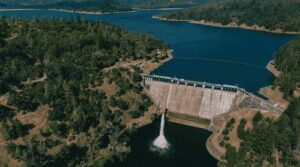
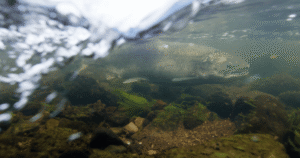
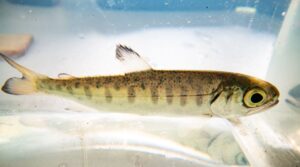
The Governor’s proclamation directs the State Water Board to consider modifying requirements for reservoir releases and diversion limitations to conserve water upstream later in the year to maintain water supply, improve water quality and protect cold water pools for salmon and steelhead.
CalTrout applauds the drought declaration and will continue to work with the administration, partners, agencies, and our NGO colleagues to build recommendations for emergency relief and longer-term drought preparedness so that California can act more quickly and decisively when we see the next period of continued drought.
Additionally, today Governor Newsom released a $5.1 billion plan for water infrastructure, drought response, and improved climate resilience. CalTrout appreciates the $200 million proposal for habitat restoration and multi-benefit projects, $266 million for water resilience projects to improve ecosystem health for native fish in the Sacramento and San Joaquin rivers, and $230 million for wildlife and fish passage improvement. CalTrout is also encouraged that the plan also includes $1.3 billion for drinking water and wastewater infrastructure, with a focus on small and disadvantaged communities. Finally, CalTrout is in full support of the $1 billion for water debt coverage in the proposal.
While we are encouraged by this effort by the Governor, we would like to highlight some additional action items that CalTrout will be working on as we continue to deal with this multi-year drought:
- Building Our Fisheries Back Better: While CalTrout encourages emergency rescue operations for our fisheries, we ask that the state use drought funding to plan for these catastrophic drought events and use funds to enhance our watersheds so that they have the capacity for abundance. Droughts will occur and unless the state invests in watershed-wide restoration of aquatic habitats, populations will not be able to weather these extreme, but increasingly common events.
- Cutting the Green Tape: The state needs to invest in CNRA’s Cutting the Green Tape initiatives and PPIC Fellow’s Letitia Grenier’s recommendations for ease of permitting for restoration actions. CalTrout is calling for the introduction of permanent code changes to put these recommendations into law and we will advocate for funding to do so.
- Invest in Enforcement: Our fisheries are already in dire straits, so those water users that ignore curtailment and spurn the orders of the SWRCB need to be identified and fined. While this seems like a straightforward ask, the SWRCB has been quick to call for less water usage, but slow to respond to abusers.
Drought Impacts on the Fish Food Program
 From Jacob Montgomery, CalTrout Central Valley Project Manager
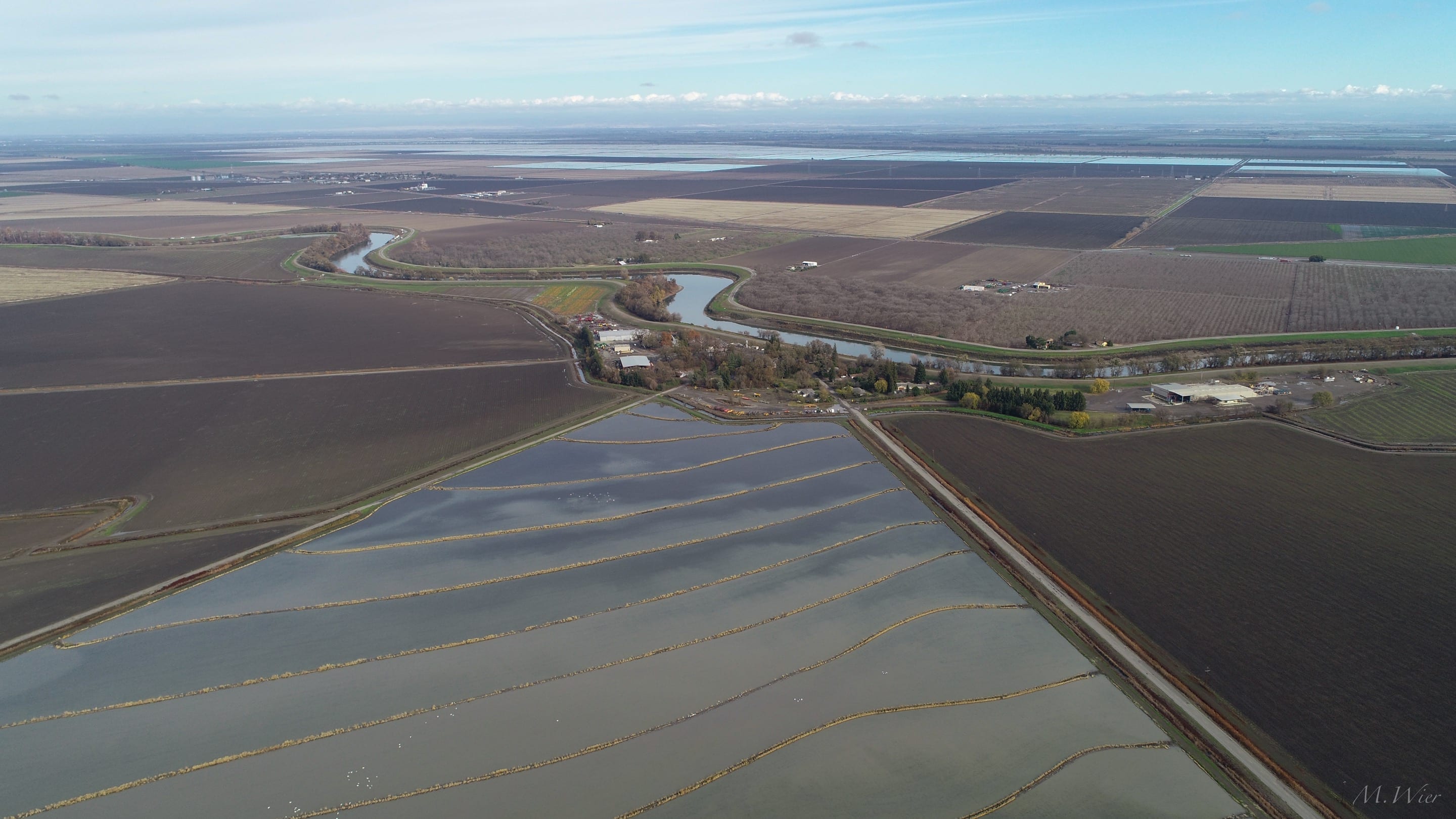
Drought conditions dramatically reduce the water supply for winter flooding in the Fish Food program (and other winter flooding for conservations, such as waterfowl and shorebirds on the Pacific Flyway). This past season (Winter 2021) we were delayed in flood timing and we could not meet our total flooded acreage goals. We all hope not, but this year looks like it will be MUCH worse.
The reduction in winter water supply for conservation is a terrible mismatch in the cost-benefit of water use. In drought conditions: there are few, if not zero, opportunities for juvenile fish to access off-channel habitat where they achieve optimal foraging conditions; and the main channels are super clear making it difficult to avoid predators while migrating out to the ocean.
The Fish Food program could provide its biggest impact to the salmon population under drought conditions by providing access to otherwise non-existent off-channel food resources and turbid water for visual cover, relative to a wet or average year.
In wet and average years, when we have a conservation water supply, the Fish Food program is still good, but there are many alternative opportunities for a fish to make a living in the Central Valley and the Delta.
But in a drought year, when the conservation water supply is prohibitively low, the Fish Food program is the Central Valley salmon population’s only hope South of the Butte Sink. This is the mismatch we must remedy by preserving winter water for conservation in programs like Fish Food.
A little bit of water managed off-channel via shallow flooding can produce an outsized positive impact on the salmon population that access that water where it is returned to the main channel, particularly in a drought.