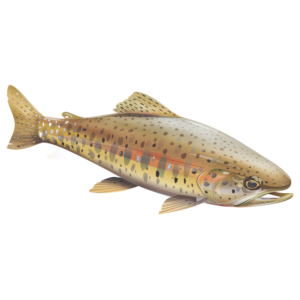
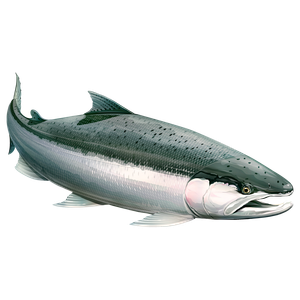
Competition runs high for water in California, especially during drought periods. Climate models predict drought may be the new normal. Many of California’s native trout, steelhead and salmon – all of which rely on cold, clean water for survival – are in danger of extinction within the next century. Several species are already protected under State and Federal law.
California Trout advocates for a future in which both the quantity and quality of water in rivers and streams is protected in order to secure the best chance for survival for native fish. We must ensure we have water for people, and we need to make sure that we don’t damage sensitive fish populations in the process. Depressed fish populations are less resilient and often require strict regulations making it harder to manage water during drought conditions. The right approach to water management has the potential to simultaneously meet the needs of people and fish.
Native Fish Bring Value to California Communities
The Department of Fish & Wildlife closed salmon and steelhead fishing in many rivers and streams to protect vulnerable species during the drought. This is a necessary step—anglers are willing to do their part while also recognizing they are typically not the root problem. Fishing closures underscore the impacts of drought on a recreational fishing industry that accounts for more than $2B in economic activity statewide and a commercial fishery worth $1B in direct income annually. Protecting California’s fisheries protects essential components of California’s economy, especially in rural areas.
California’s native fish are also an important part of our state’s natural heritage. Many of these species exist only in California, and their loss would represent an unfortunate decline in critical ecosystems statewide.
The Good News
Protecting fish protects California’s water supplies. Native fish evolved here and have adaptations to reflect the state’s arid landscape. And while it’s true that our trout, steelhead and salmon persisted through past drought conditions, human development of California’s river systems has largely deprived fish populations of the resiliency needed to persist during tough times. Maintaining adequate water levels especially in drought years for these species is a benchmark that should guide water policy to ensure healthy watersheds.
Protecting native fish is not a zero-sum game.
- Improving water quality for fish means that same water is clean for human consumption.
- Fish and farmers can successfully coexist. There are a number of working landscapes around the state that demonstrate the benefits for multiple constituents. Giving fish access to traditional floodplain rearing habitats by setting back levees reduces risk of catastrophic flood damage and improves water quality and recharges groundwater.
Solutions for Fish Support Sustainable Water Supplies
California’s approach to water management is overdue for an overhaul. With water supplies becoming increasingly unpredictable, broad water policy reform is needed. Past droughts have resulted in innovative water conservation measures—this drought provides that same opportunity as the public and policymakers become more aware of the inefficiencies of water use.
In order to promote these important goals, state policymakers should:
- Promote resilient fish populations.
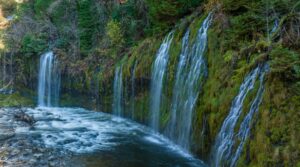
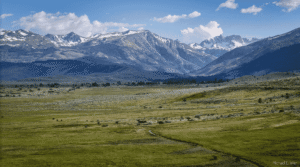
- Protect Headwaters and Cold Water Source Areas. Protecting springfed rivers, such as those in the Mt. Shasta area, and restoring meadow systems in the Sierra Nevada where over 60% of the California’s water supply originates should be a policy priority for the legislature.
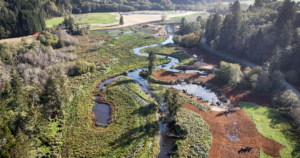
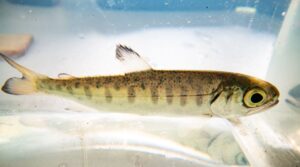
- Restore Floodplains and Estuaries, which provide important rearing habitat for juvenile salmonids and also help to recharge groundwater supplies.
- Prioritize Native Fish Strongholds statewide that already harbor diverse salmon and steelhead runs. Protecting healthy watersheds is easier than restoring damaged ones.
- Retool Operation of Fish Hatcheries so that hatchery salmon populations support the recovery of, rather than compete with, their native cousins.
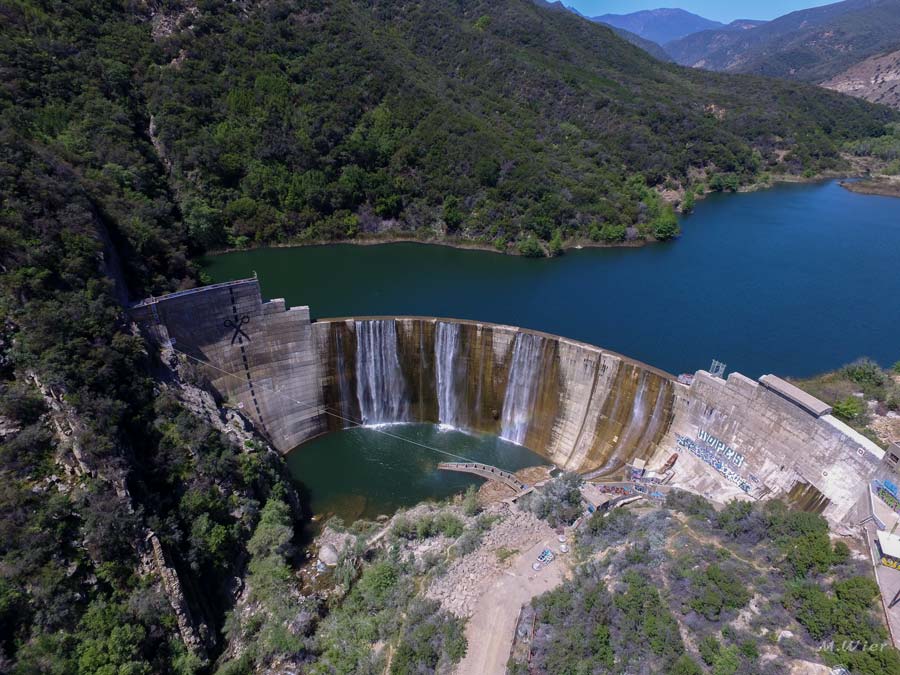
- Improve existing groundwater storage instead of building more reservoirs. Aquifers in many parts of California have been severely drawn down in recent years. If these underground reservoirs are allowed to be depleted too severely they may not be able to recover. Policy makers should prioritize replenishing aquifers and removing pollutants from groundwater instead of proposing to build more dams (Sites or Temperance Flat) or raising existing dams (Shasta).
- Maximize local water supplies. Promote water recycling, make the use of storm water and gray water a common practice, and invest in desalination.
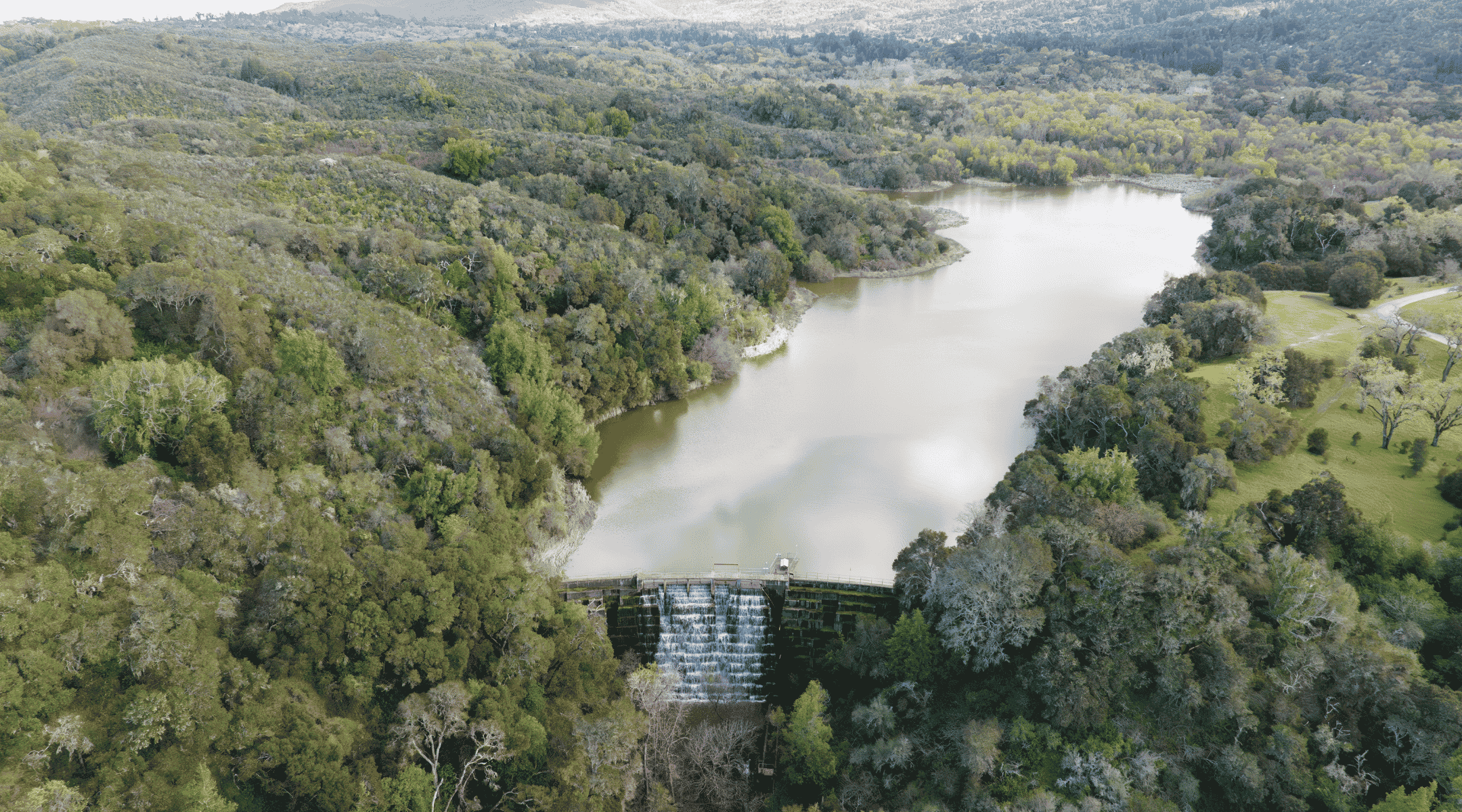
- Modernize reservoir storage management to reflect current science and improve efficiency. New research can help to guide when and how much water to release from reservoirs based on climate and weather predictions, improving public safety by minimizing flood risk and making the most of existing surface storage facilities.
If we make the most of every drop and manage water supplies and storage responsibly, both fish and people can thrive.