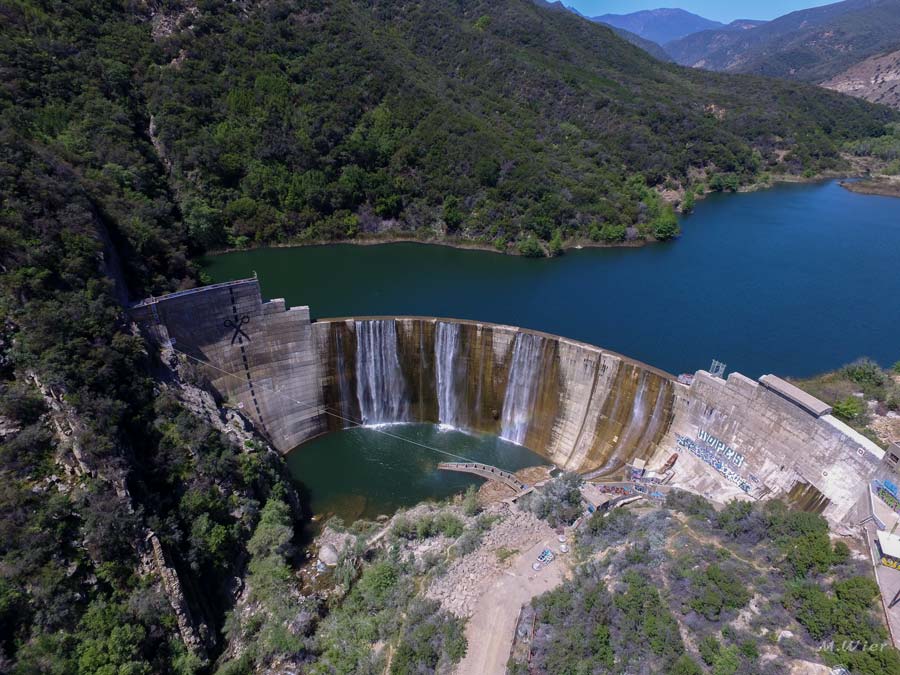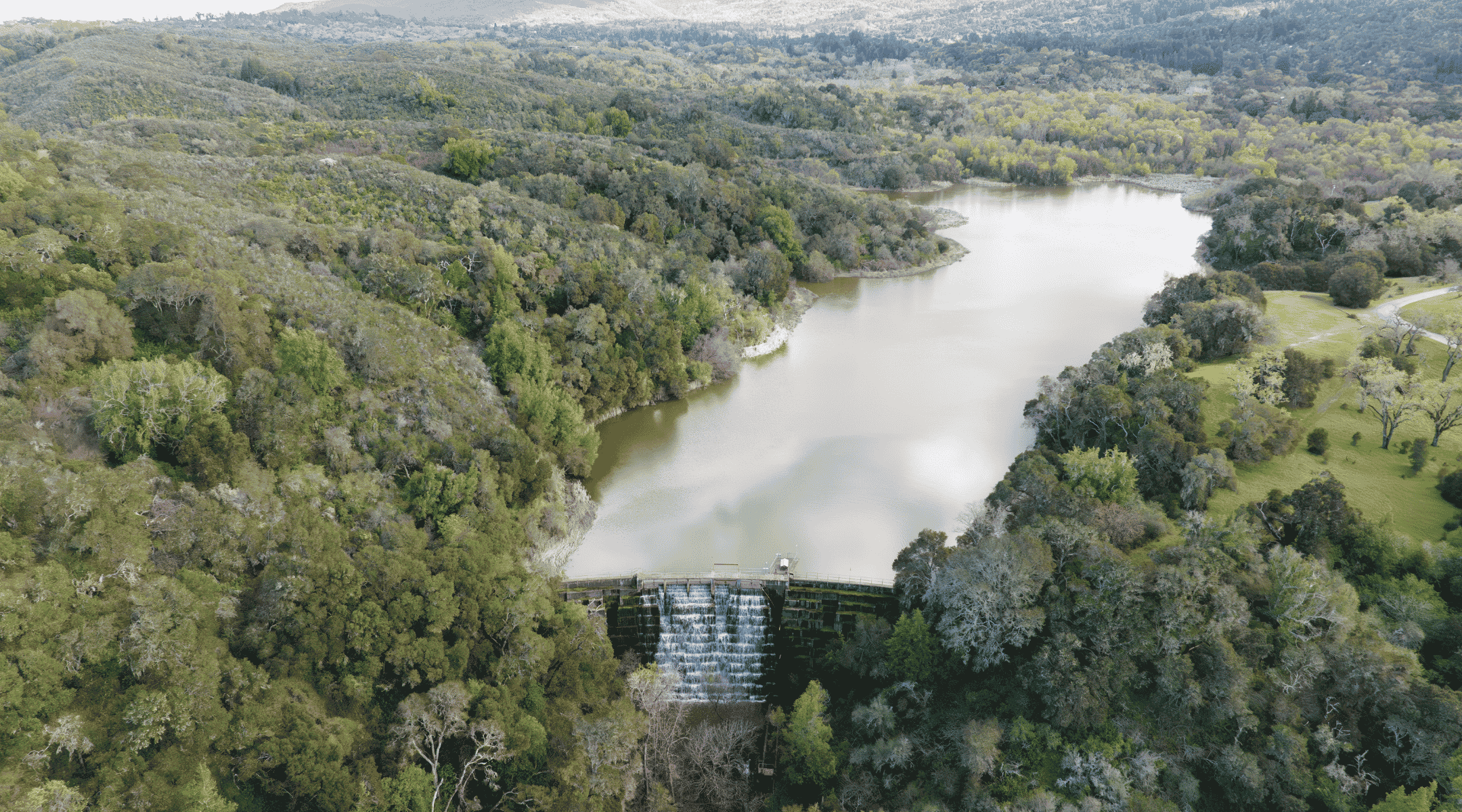
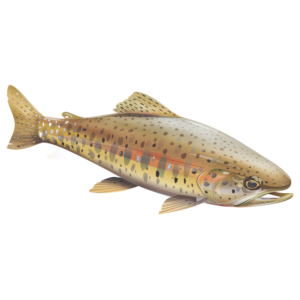
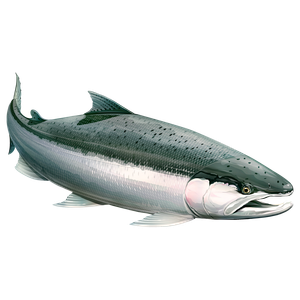
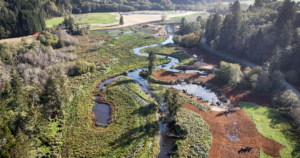
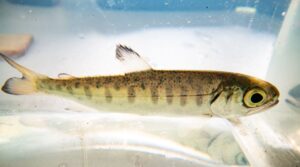
Southern California is home to a surprising number of steelhead streams, most of which are imperiled in one form or another. California Trout’s Southern California Region Manager Nica Knite is fighting to keep many of these heavily pressured populations alive, which often means balancing agricultural and residential uses of water from coastal streams.
In the case of Santa Clara River (which is blocked by the Freeman Diversion), she wrote a powerful editorial for the Ventura County Star about the challenges facing both agriculture and residential water users in Ventura County—which is once again overdrawing the water from its aquifer (from the Ventura County Star)
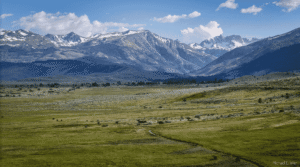
While the Freeman Diversion has been a key component in preserving the farming legacy on the Oxnard Plain up until now, other historic uses of the Santa Clara River, such as preserving the Southern California steelhead fishery, have been damaged or lost. Agriculture as well as other uses dependent upon water are facing serious threats in the near future. We should be taking a lesson from neighboring Los Angeles and its use of eastern Sierra snow melt to support the unchecked demand of the city’s 20th century building and development boom. When the water managers initially devised plans to import water from Owens Lake, they never imagined that the demand would exceed the seemingly endless and annually replenished supply found in the lake. In time, though, it did exceed the available resource, but failed to learn the lesson — Owens Lake was depleted and destroyed and Los Angeles started draining Mono Lake. In the 1980s, lawsuits filed by California Trout stopped the madness, requiring the replenishing of Mono Lake and leading to Los Angeles’ internationally recognized water conservation programs. Ventura County is dominated more by farms than urban or suburban sprawl, but the formula and the result are the same. The water resources are finite and species, habitat and groundwater resources will be lost forever if we do not stop using more water than is available and can be maintained in the natural systems.
While the Freeman Diversion has been a key component in preserving the farming legacy on the Oxnard Plain up until now, other historic uses of the Santa Clara River, such as preserving the Southern California steelhead fishery, have been damaged or lost. Agriculture as well as other uses dependent upon water are facing serious threats in the near future.
We should be taking a lesson from neighboring Los Angeles and its use of eastern Sierra snow melt to support the unchecked demand of the city’s 20th century building and development boom. When the water managers initially devised plans to import water from Owens Lake, they never imagined that the demand would exceed the seemingly endless and annually replenished supply found in the lake.
In time, though, it did exceed the available resource, but failed to learn the lesson — Owens Lake was depleted and destroyed and Los Angeles started draining Mono Lake. In the 1980s, lawsuits filed by California Trout stopped the madness, requiring the replenishing of Mono Lake and leading to Los Angeles’ internationally recognized water conservation programs.
Ventura County is dominated more by farms than urban or suburban sprawl, but the formula and the result are the same. The water resources are finite and species, habitat and groundwater resources will be lost forever if we do not stop using more water than is available and can be maintained in the natural systems.
You can read the entire editorial here.
To learn more about CalTrout’s efforts to protect and restore wild trout, steelhead, salmon and their waters throughout California, visit its website, news feed, or sign up for our enewsletter.