Are we there yet?
A word from CalTrout’s ED, Curtis Knight

The answer to both, “No.” I’m usually not as straightforward with my kids though, instead giving the same canned answer no matter where we are, “20 more minutes.” The canned answer to the drought question, “It’s complicated.”
A recent article in the San Jose Mercury News provided a good summary of why it’s complicated and what the determining factors are.
One week of rain doesn’t make up for four years of historic drought. We are in a very deep hole,” said Mike Anderson, California’s state climatologist. Anderson researched years when other major droughts were widely considered to have ended: 1938, 1978 and 1993. In each case, the Sierra snowpack — the source of one-third of California’s water supply — was roughly 150 percent of the historic average. And precipitation levels at eight key weather stations in Northern California, located in watersheds that feed Shasta, Oroville, Folsom and other massive reservoirs, also was between 130 percent and 150 percent of normal. His conclusion: If California receives 150 percent snowpack by this April and 150 percent of normal precipitation in the north, that should be enough to fill the biggest reservoirs and probably end the drought.”
One week of rain doesn’t make up for four years of historic drought. We are in a very deep hole,” said Mike Anderson, California’s state climatologist.
Anderson researched years when other major droughts were widely considered to have ended: 1938, 1978 and 1993. In each case, the Sierra snowpack — the source of one-third of California’s water supply — was roughly 150 percent of the historic average. And precipitation levels at eight key weather stations in Northern California, located in watersheds that feed Shasta, Oroville, Folsom and other massive reservoirs, also was between 130 percent and 150 percent of normal.
His conclusion: If California receives 150 percent snowpack by this April and 150 percent of normal precipitation in the north, that should be enough to fill the biggest reservoirs and probably end the drought.”
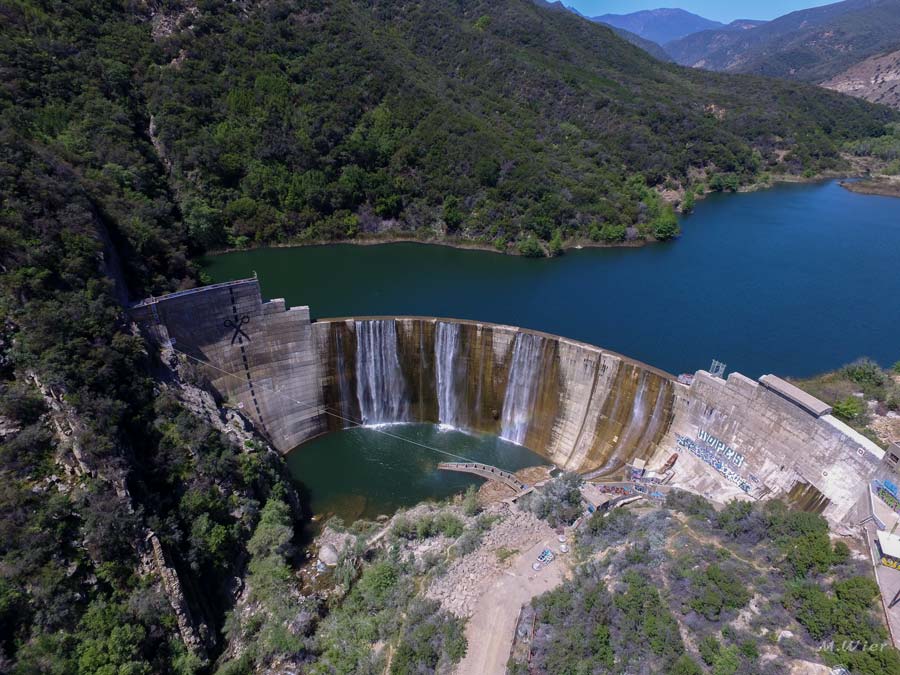
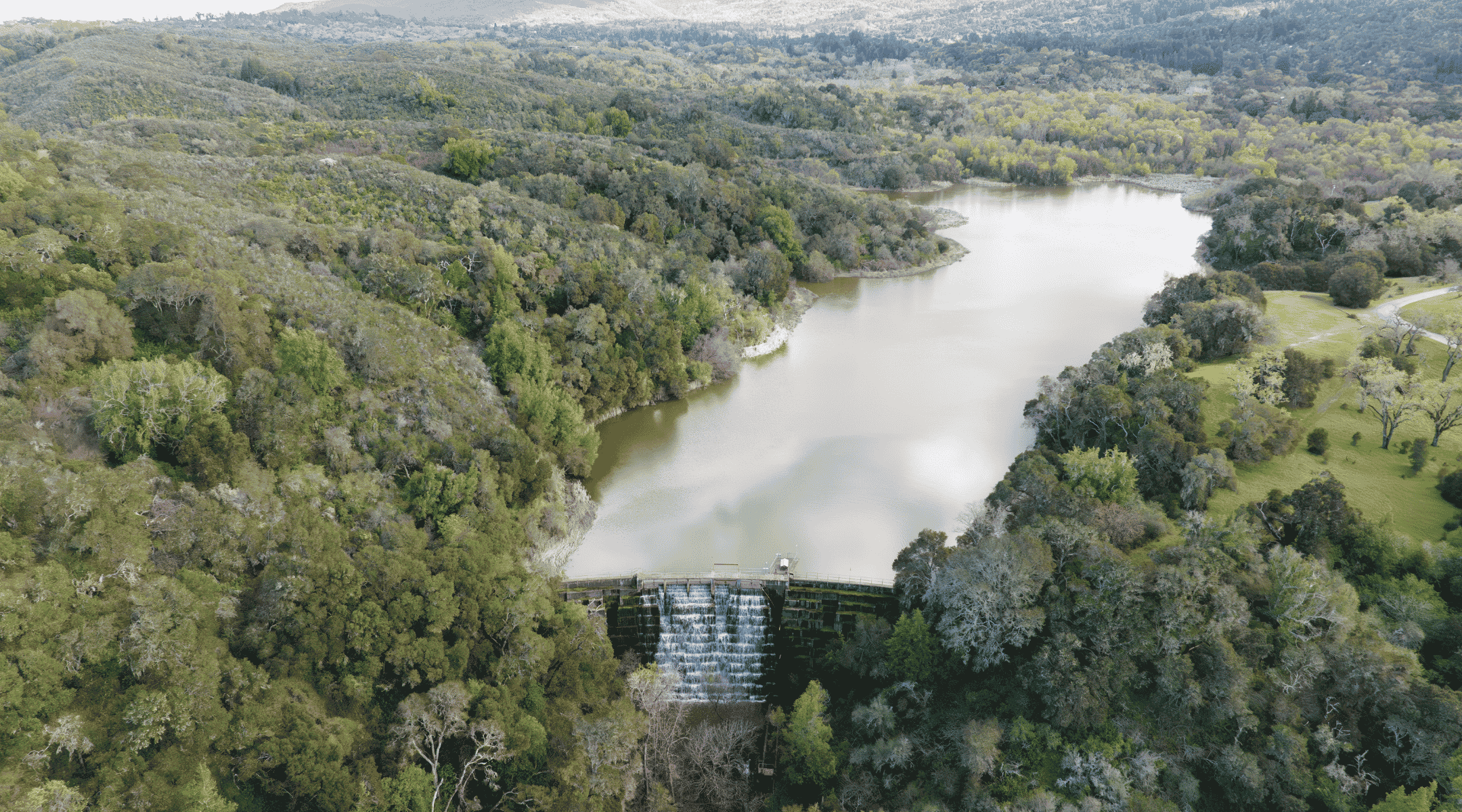
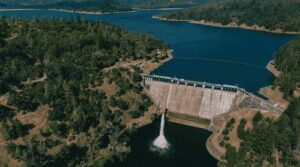
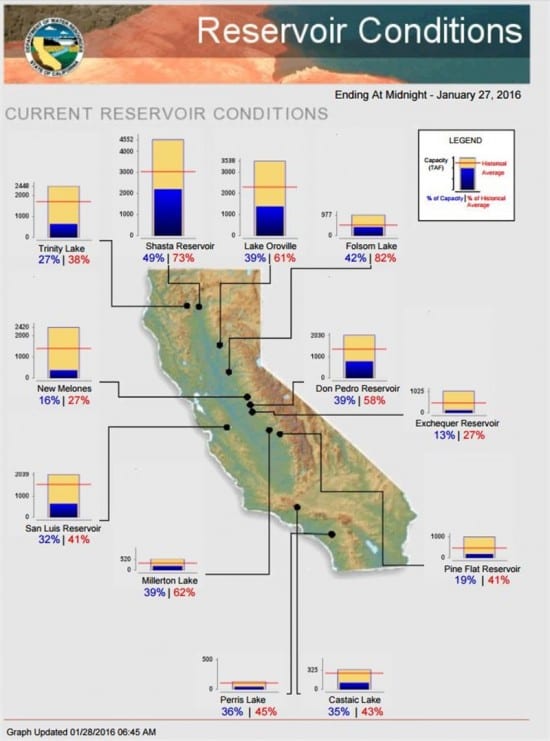
Read the full article here: California drought: How will we know when it’s over? Of course, our El Nino influenced wet weather is moving us in the right direction. Reservoirs are filling, though still have a ways to go (27% – 82% of historic average); snow water content is higher then average, though not near the 150% drought-ending figure; and groundwater supply, well, that could take decades, if ever, to replenish.
The Capital Public Radio article: ‘Modest Dents’ in Long-Term California Drought does a great job of illustrating where we stand with its graphs and charts such as this one showing reservoir conditions.
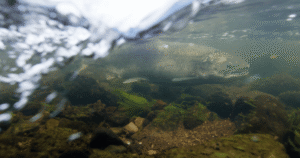
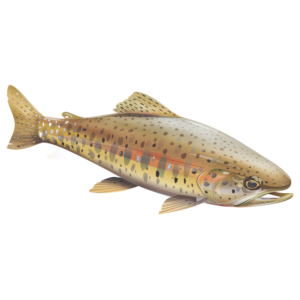
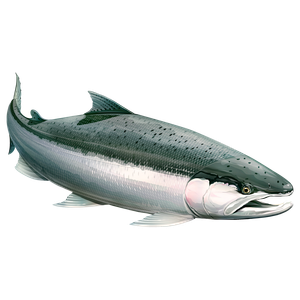
What does all this mean for California’s native, wild fish? We need to recognize these are now normal years. We need to promote resilient wild fish populations that can take advantage of the wet years and survive the dry years. Water scarcity and variability are, arguably, the biggest issues our wild fish face.
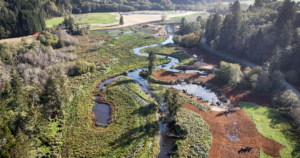
At CalTrout, we recognize that we must balance the needs of people and wild fish during this drought and in years to come. We need to protect the systems that are healthy and working–the strongholds, we need to restore the areas that have the potential for greatest impact, and enhance landscapes that have been altered to make them work for fish once again.
We do this using a science-based approach to all our projects around the state led by regional staff bringing stakeholders together. It takes persistence, dedication, and vigilance over time. How much time? Well, at least another 20 minutes.
Warm regards,