Voices of Lower Sacramento River Watershed: Arianna Kosel & Alyssa Winkelman

Charting the Course of the Sacramento River with Arianna Kosel and Alyssa Winkelman
by Alisan Theodossiou, CalTrout Senior Communications Manager
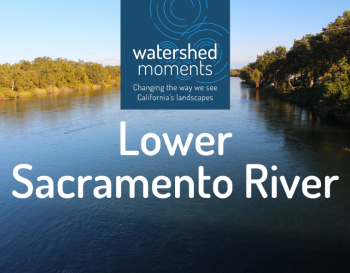
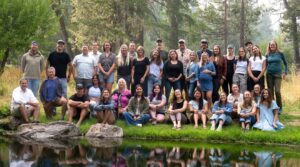
In the realm of river conservation, there are few places as vital as the Sacramento River watershed. We recently had the pleasure of speaking with two inspiring women, Arianna Kosel and Alyssa Winkelman, about their rafting trip down the entire Sacramento River and their insights on the watershed. Arianna and Alyssa are no strangers to the importance of these waterways. Their shared passion for rivers and the outdoors has led them down fascinating paths. Their unique rafting journey, which started as a fun adventure, evolved into a deeper mission of education and awareness about the challenges faced by the watershed and its vital role in the lives of Californians and their wildlife.

Arianna and Alyssa, both natives of Mount Shasta, have deep ties to the Sacramento River, having grown up at its headwaters. Arianna, a graduate of UC Davis and now a master’s student in Eugene, and Alyssa, a degree holder in Outdoor Adventure Leadership from Southern Oregon University, have been instrumental in raising awareness about the importance of the watershed and the ecological threats it faces through their mission and outreach campaign, Sacramento River Source to Sea, and film, A River’s Reach.
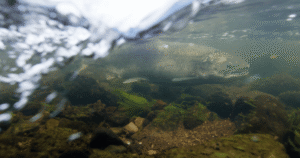
When asked about the importance of the Lower Sacramento River watershed for sustaining fish and communities, Alyssa highlights the watershed as the largest in California, and speaks passionately about the importance of maintaining spawning habitats for fish populations. However, its current tributary habitats have been severely compromised due to drought, water scarcity, and anthropogenic activities, posing a threat to fish species like salmon. Arianna pointed out the significant impact of increasing saltwater intrusion into the Sacramento Delta, disrupting the balance of the ecosystem and endangering species like the Delta smelt.
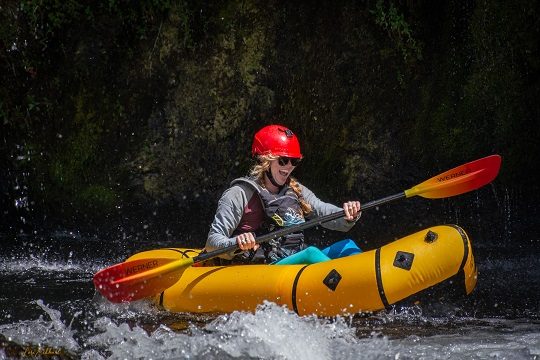
Traveling down the river, they noticed a gradual shift in the landscape. They described the transformation from the natural wild riparian habitat to a heavily engineered agricultural belt starting around Colusa. Despite the overt anthropogenic influence, they were surprised by the amount of wildlife they still encountered, underscoring the importance of the river as a wildlife corridor. “I expected to see less and less wildlife as we made our way into the heart of the Central Valley and yet, we continued to see a good amount of diversity and supporting habitat for different species,” explained Arianna.
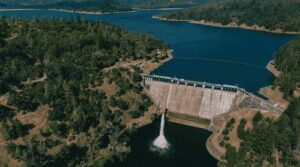
However, the journey also revealed more worrying aspects. Alyssa highlighted the adverse effects of levee systems on the river’s natural flow, creating a challenging environment for fish migration. The presence of agricultural byproducts and waste in the river also raised concerns about water quality and pollution.
The most pressing issue, according to Arianna and Alyssa, is the stress on California’s water resources. Persistent drought and growing demands from agriculture, municipalities, and environmental conservation efforts have resulted in an intense conflict over water allocation.
In spite of these challenges, Arianna and Alyssa expressed excitement about the collaborative efforts of organizations such as California Trout to restore and protect the Lower Sacramento River watershed. They pointed out CalTrout’s Nigiri Project, an initiative that uses floodplains and agricultural areas to create viable habitats for fish during migration. Alyssa explained that this project represents the future of sustainable management of the watershed, stating, “It feels less of an oppositional approach to managing our watersheds, it feels much more collaborative.”
Their expedition down the Sacramento River deepened Arianna and Alyssa’s connection to the waterway. They recognize the escalating tension and conflict over water resources as the river flows downstream, emphasizing the importance of their mission to educate and advocate for a balanced and sustainable approach to managing California’s precious water resources.
This rafting journey has not only been an adventure for Arianna and Alyssa but also a call to action, urging us all to recognize the importance of our watersheds and to strive for sustainable and collaborative solutions to protect them. The story of their journey serves as a reminder of the vital role the Sacramento River plays in sustaining California’s unique biodiversity and the livelihoods of its communities.
Alyssa made a final remark noting that “the communities in the lower Sacramento watershed, especially through the Delta, are incredibly connected to the river. I sort of envisioned that there would be more of a disconnect due to the leveed and engineered systems, so it was an amazing surprise for me then to see how these Central Valley communities are still very passionate about their local river and wanting to protect it.”
To learn more about Arianna and Alyssa’s rafting adventure down the Sacramento River and their mission, check out their website: www.sacsourcetosea.com and follow their Instagram: @sacsource2sea.
And don’t miss watching the film from their epic excursion, A River’s Reach: