Voices of Klamath River Watershed: Barry McCovey
by Alisan Theodossiou, CalTrout Senior Communications Manager

Barry McCovey is a member of the Yurok Tribe and the Yurok Tribe’s Senior Fisheries Biologist
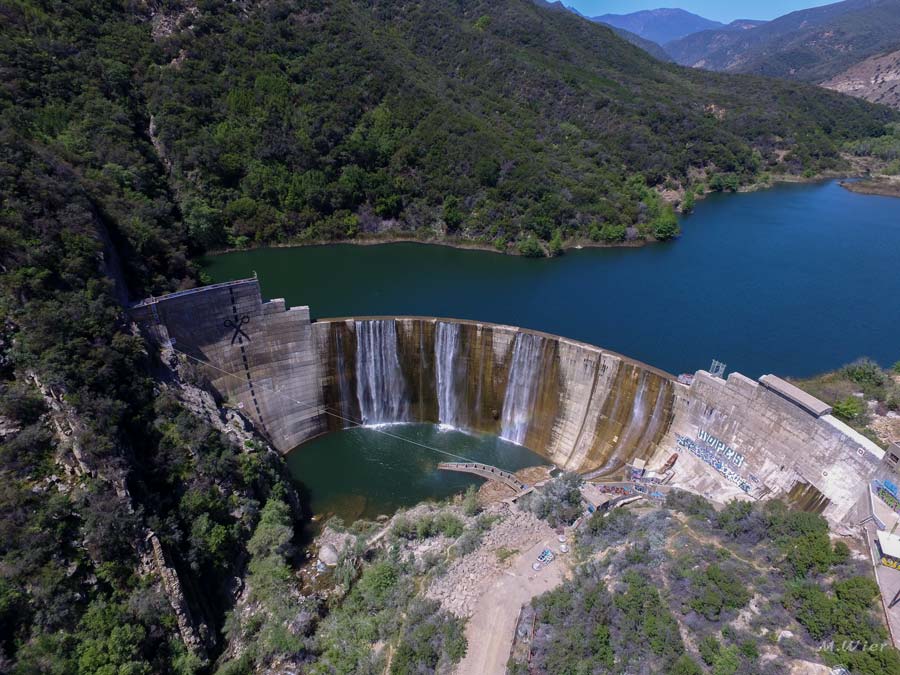
Major progress on the removal of the four lower Klamath dams is being celebrated from people all around the world, but for Indigenous Peoples in the Klamath watershed (including the Yurok, Karuk, Hoopa, and Klamath Tribes), dam removal is especially meaningful since they are the original caretakers of the river and surrounding lands. The ongoing Tribal leadership from the Klamath River Peoples has been a central component in efforts to restore the river.
“The Yurok Tribe are ‘fix the world’ people. Our high ceremonies dictate that we restore balance to the world. For those of us participating in these ceremonies (not all Tribal members do), that’s who we are and why we believe we were put on this earth,” explains Barry McCovey, Senior Fisheries Biologist for the Yurok Tribe and Yurok Tribal member. “Looking at the Klamath River today, it is bisected by four dams, cutting off the energy flow. That is the definition of imbalance in an ecosystem. Pulling those dams out of the river and reconnecting the lower and upper basin for the first time in 100 years will be very meaningful to the Yurok people and other Tribes. It’s been a long time coming.”
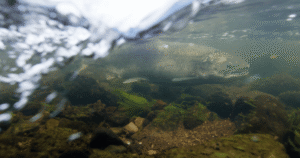
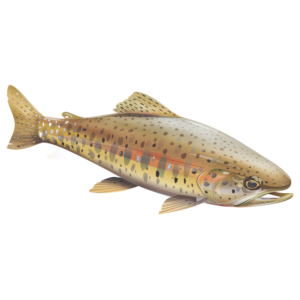
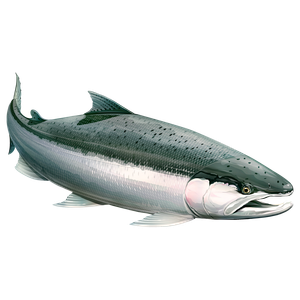
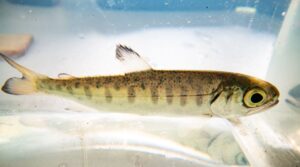
The Klamath River once had an incredible abundance of diversity. The Indigenous Peoples in the Klamath watershed benefitted from that abundance for millennia. Barry notes, “the fish are really important to this area. They feed Tribes and are culturally significant to us, but they also provide incredible benefits to the ecosystem.” When the Klamath dams were constructed on the river, anadromous fish were no longer able to access the upper Klamath watershed, and thus have been unable to carry important marine-derived nutrients there. Vice versa, “the energy particles in the upper basin which are critical for sustaining the lower basin are now blocked. The continuum is completely disrupted. The harmful effects of these dams are far reaching,” Barry adds.

Klamath dam removal is now set to begin in 2023. With the project license now transferred, “it feels much more tangible. I’m looking forward to seeing the construction equipment at the dams,” says Barry. In his biologist role with the Yurok Tribe, Barry has designed and implemented numerous fisheries related projects in the Klamath River Basin since 1999 and has been involved in several studies related to dam removal. “It’s an honor to be a part of Klamath dam removal and river restoration. I’m incredibly humbled to be amongst other influential and hard-working people at this time. And am lucky enough to be a part of this watershed moment. The excitement is welling inside me. I really want to roll my sleeves up and put my boots on and get to work.”
Barry made an important note that while dam removal is a huge step in the right direction, there are still many steps to go. “There are other issues in the Klamath watershed that need to be addressed. [Dam removal] isn’t the one thing that will fix everything. There are still water quantity and quality issues, endangered species issues, disease, etc. Plus, the Shasta and Scott rivers, important tributaries to the Klamath and located within the Klamath Basin, need our help too.” The Yurok Tribe has partnered with fellow Klamath Tribes, California Trout and other organizations, agencies, plus state and federal governments on numerous projects and studies focused on restoring the Klamath River watershed and its tributaries. “All of the most important people are on board,” notes Barry.
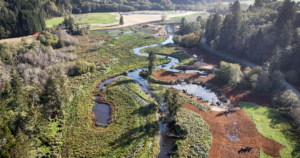
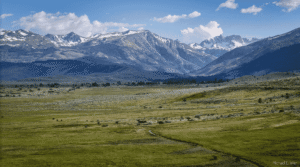
All this work by numerous organizations and Tribes is incredibly important, though Barry concludes that “the Klamath river will eventually heal itself. We’re just here to give it a boost. Once the river is free flowing, anadromous fish will once again inhabit the upper basin which they haven’t been in over 100 years. That is the ultimate goal. When it will happen, we aren’t sure. But we are excited for when it does.”