Voices of Lower Sacramento River Watershed: Carson Jeffres
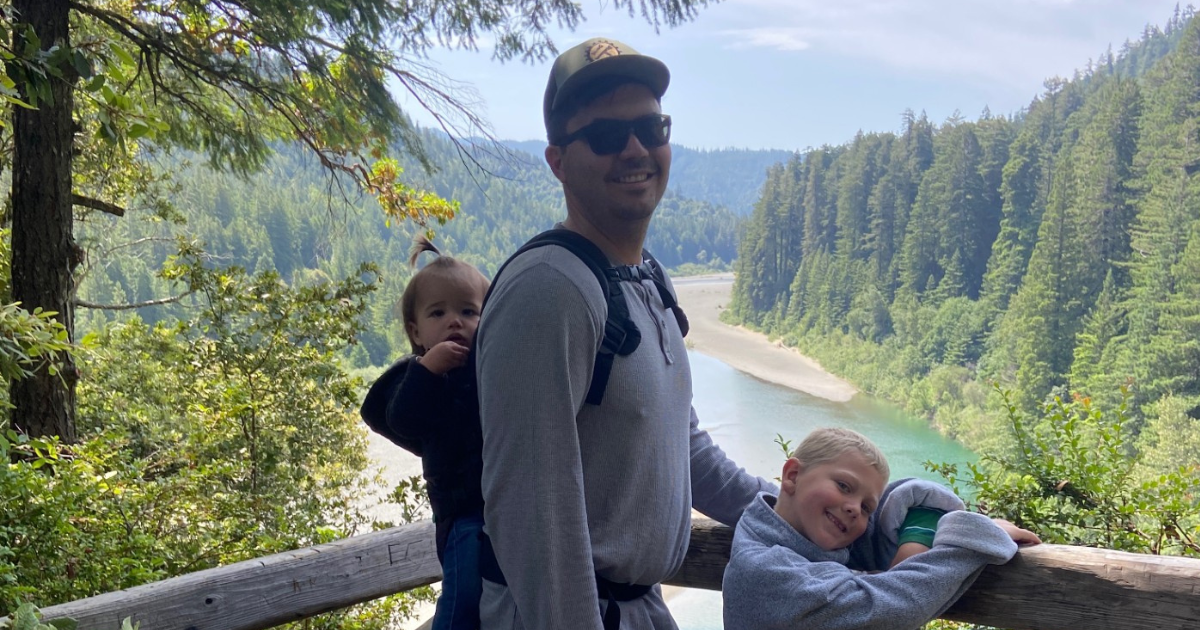
Carson Jeffres is a Senior Researcher at UC Davis Center for Watershed Sciences
Reconciling the Lower Sacramento River Watershed
by Alisan Theodossiou, CalTrout Senior Communications Manager
The Sacramento River watershed, a vital source of life for both Californian communities and indigenous fish species, presents an intriguing exploration of ecological resilience and transformation. We recently had the privilege to engage with Carson Jeffres, a Senior Researcher at the UC Davis Center for Watershed Sciences, to delve into the watershed’s past, its prospective future, and his ongoing alliance with California Trout.
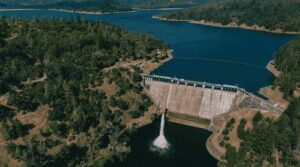
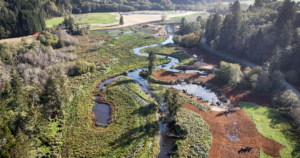
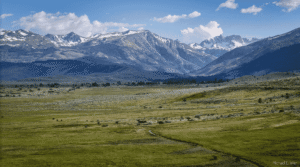
About a century and a half ago, the lower Sacramento watershed was an expansive marshland—a landlocked sea that experienced annual flooding due to rainfall and snowmelt. This cyclic flooding cultivated an invaluable habitat for native fish species. However, as Jeffres highlighted, human intervention through dam and levee constructions has significantly modified this landscape, estranging the floodplain from its main channel, and leading to habitat deterioration.
Regardless of these extensive transformations, the Sacramento River persists as a potent and unpredictable entity. The integrated flood control structures, such as bypasses that reroute water around the city of Sacramento, mimic a hint of the erstwhile lost habitat, serving as essential sanctuaries for native fish species.
As we gaze into the future, Jeffres notes that California’s cycle of extreme droughts and floods, known as “weather whiplash,” is forecasted to intensify. These shifts, he indicates, underscore the crucial role of green infrastructure. Advocating for a harmonized ecosystem, Jeffres stated, “We can sustain agriculture and cities, while also embracing the understanding that we are invariably a part of the ecological system.”
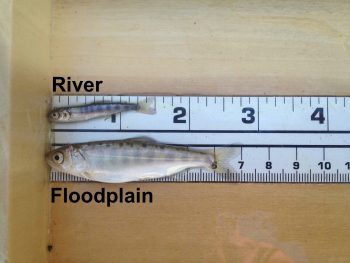
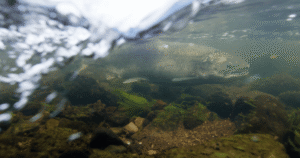
As a dedicated research ecologist, Jeffres is intent on comprehending how physical processes across the landscape impact ecological functionality. His work, in collaboration with CalTrout, concentrates on how we can navigate within our existing and future infrastructure constraints to rejuvenate ecosystem functionality. Jeffres’ current research extends to the floodplains of the Central Valley, where he examines detrital food webs and salmon growth. In these floodplains, he is utilizing isotopes as environmental markers to ascertain successful life history strategies and habitats.
The joint endeavor between UC Davis Center for Watershed Sciences and CalTrout is aimed at narrating a comprehensive account of the watershed, gathering crucial data, and advocating for policy modifications based on the data. “We excel when we collaborate,” Jeffres commented, “Our collective strength exceeds our individual contributions.”
The reimagining of the lower Sacramento River watershed goes beyond mere ecosystem restoration—it involves acknowledging our interdependence and the intrinsic worth of the ecosystem. For Jeffres, this process is deeply personal. As a resident, angler, and duck hunter in the Central Valley, he is keen on imparting his ardor for the river’s bounty to future generations.
He underscores that today’s conservation endeavors are investments for California’s future. The outcomes of these efforts may take decades, even centuries, to materialize, but the goal remains steadfast—to safeguard a sustainable ecosystem for future generations to experience and value.