Voices of Malibu Creek Watershed: Danielle LeFer

Based on an interview between Danielle LeFer, Senior Environmental Scientist with California State Parks, and Alisan Theodossiou, CalTrout Senior Communications Manager
A big move from the diverse Bay Area and variable Northern California ecosystems to the seemingly flat and dry Southern California can seem quite daunting at first- as it did for Danielle LeFer. But upon her move south, she quickly found refuge in a place that seemed like LA’s best kept secret: the Santa Monica Mountains. “That was a big watershed moment for me. There’s a lot of open space in this area and many folks do not recognize it- myself included before moving here,” explained Danielle. “Malibu Creek especially is a great place to go hiking and explore nature, and there’s such diverse habitat, starting with the wetlands down at the shore, leading up to beautiful riparian areas, oaks, and plains.” Danielle has the benefit of also working in Malibu Creek. She’s a Senior Environmental Scientist with California State Parks in their Angeles District.
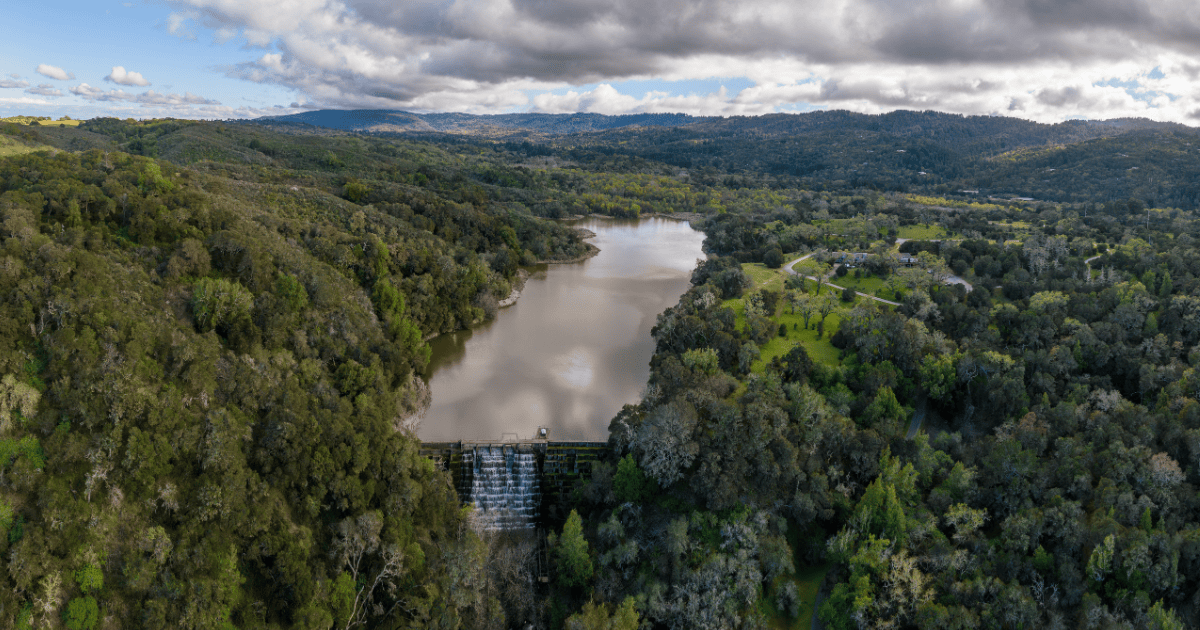
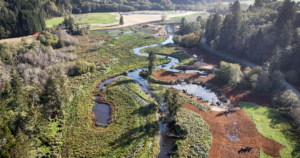
The Malibu Creek Watershed spans 110 square miles and is the largest watershed in the Santa Monica Mountains area, mostly comprised of undeveloped mountain areas, large acreage residential properties, and many natural stream reaches. The watershed itself is quite unique in that is in very close proximity to extremely urbanized areas.
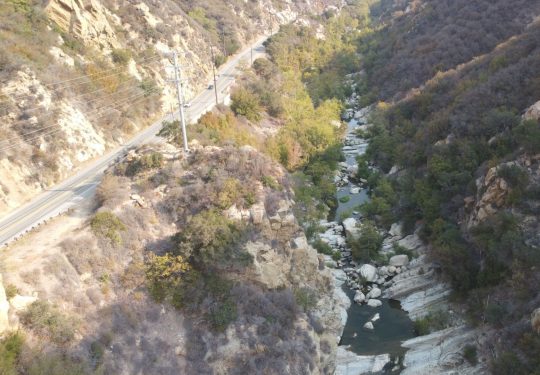
According to LeFer, the biggest change for Malibu Creek watershed was all the development along its edges- lots of people moved in, so did more buildings, and many more roads and highways. She explains: “That constrained the area for all wildlife to be able to move freely about since it’s very hard for animals to cross concrete roads safely. They either choose not to do so, and that loss of movement accounts for loss in species genetic diversity, or the animal does try and cross, and often times are hit. This is a big shame because Malibu Creek watershed is an important connector for wildlife. Many species use it to move from one diverse habitat area to another.”
Despite the large amount of nearby development, it’s a relief that the majority of Malibu Creek Watershed (80%) is designated as open space. “A lot of non-profits plus state and federal agencies cobbled together all these open space areas to create this incredibly large one, which is great for wildlife and great for communities,” says LeFer. “With improved habitat quality for animals, we’ll start seeing increased population numbers using those connection corridors in the watershed. That’s a big draw for visitors coming to the park who may catch a glimpse of a wild animal.”
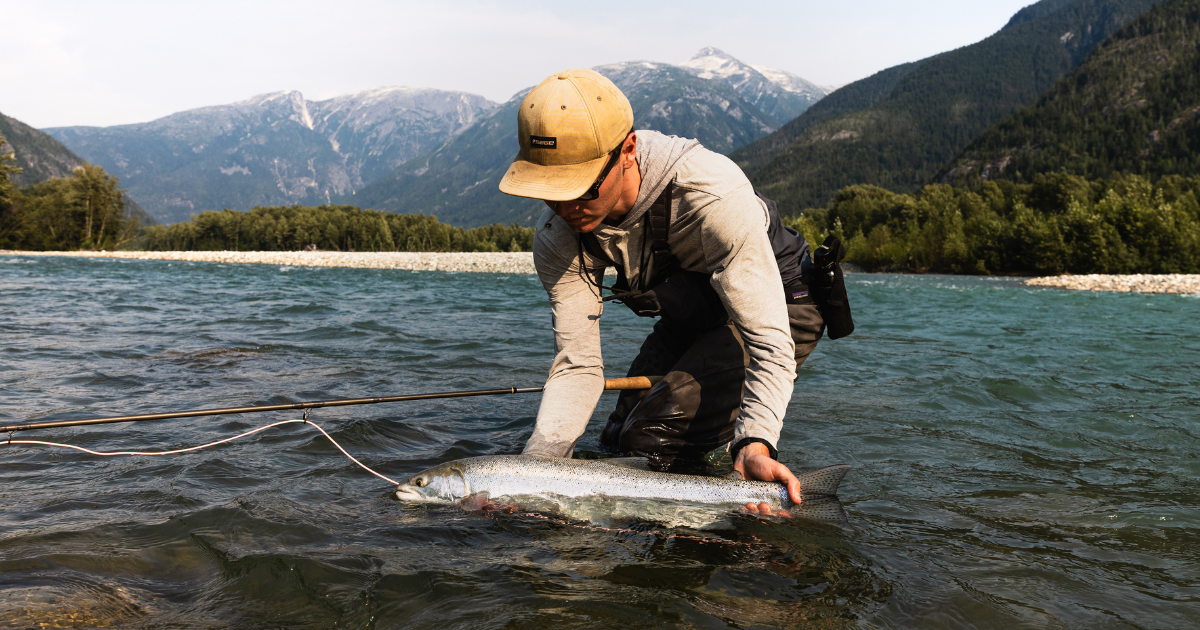
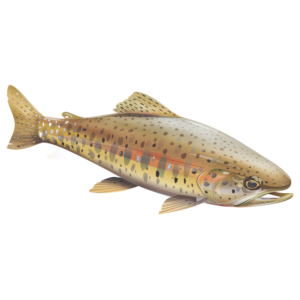
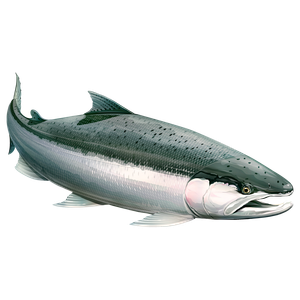
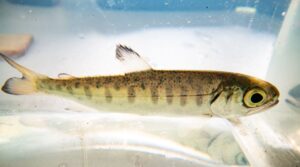
LeFer in her role with State Parks has been working with CalTrout and other non-profits, agencies, and groups, to bring Southern steelhead back to abundance and back to their historic native range. Their efforts have been focused on the Malibu Creek Watershed due to its identification as a core watershed that needs to be protected and improved and will be a big factor in the return of Southern steelhead to the overall area. This is a prime example of a project that benefits fish, water, and people. “As a biologist, I get caught up looking at things from just the perspective of plants and animals. But the relationship between people and the ecosystem they live in is so important.”
We can’t wait to see the future outcome of Malibu Creek with the removal of Rindge Dam. Thank you, Danielle and State Parks, for your worthy work and for being such great partners!