San Francisquito Creek & Searsville Dam
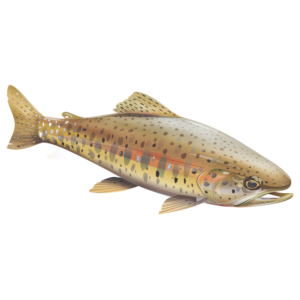
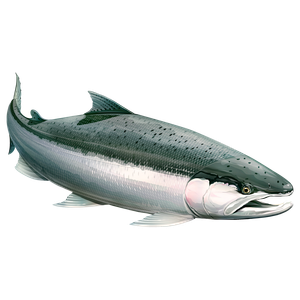
Searsville Dam blocks migrating Bay Area steelhead from reaching as much as 20 miles of upstream spawning and rearing habitat — habitat that could be the difference between a fragile, at-risk run and a self-sustaining one.
Understanding the creek
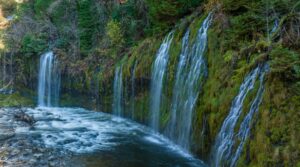
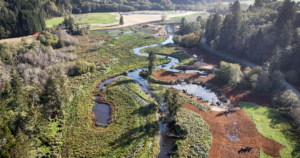
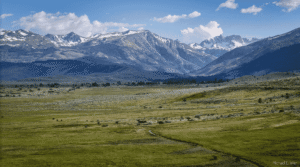
San Francisquito Creek forms where Bear Creek and Corte Madera Creek meet on the eastern slope of the Santa Cruz Mountains, then flows about 12 miles through the Stanford University campus and the neighboring communities of Palo Alto, East Palo Alto, and Menlo Park before reaching the South San Francisco Bay.
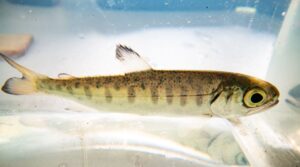
The 45-square-mile watershed traces its way through the ancestral homeland of Ohlone peoples and has long marked a boundary between counties and communities — it still forms the line between San Mateo and Santa Clara counties today. Despite sitting in the middle of one of the most developed parts of the Bay Area, San Francisquito Creek is home to the most viable remaining native steelhead population in the South San Francisco Bay.
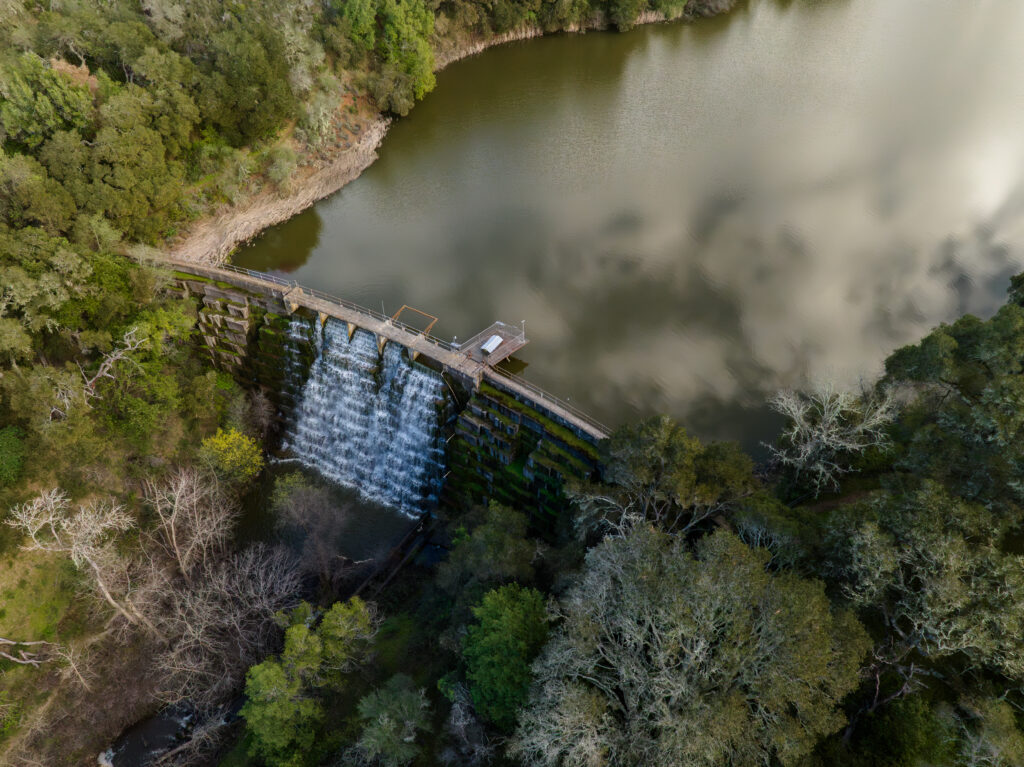
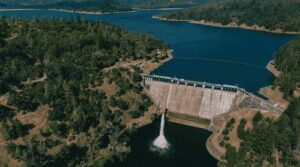
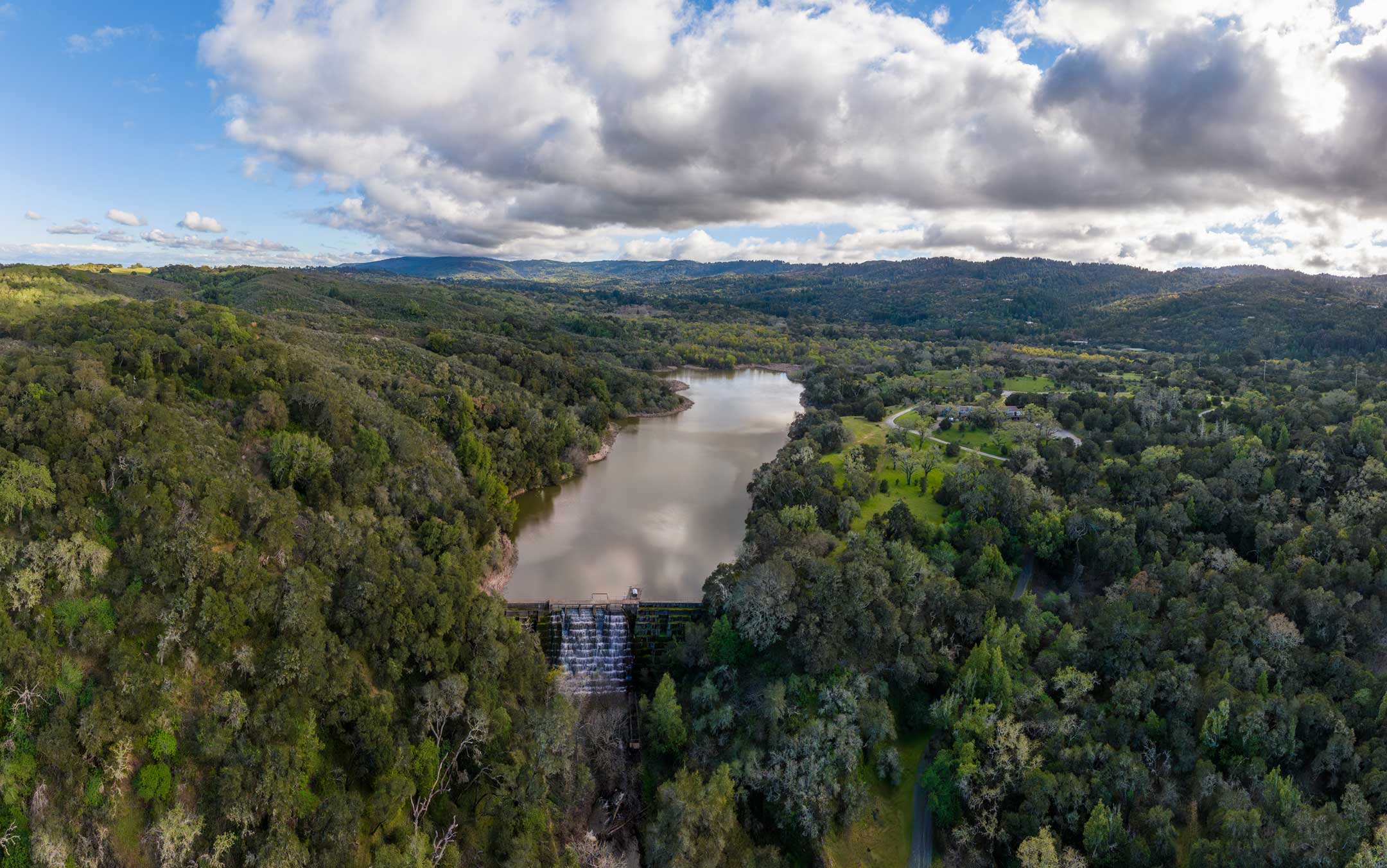
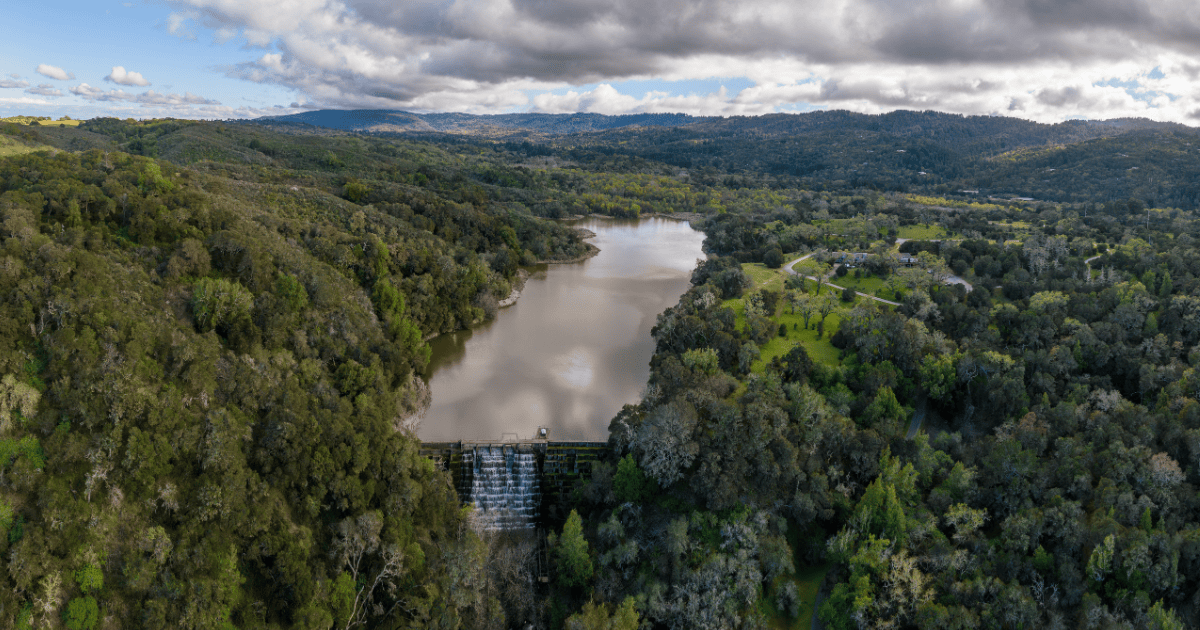
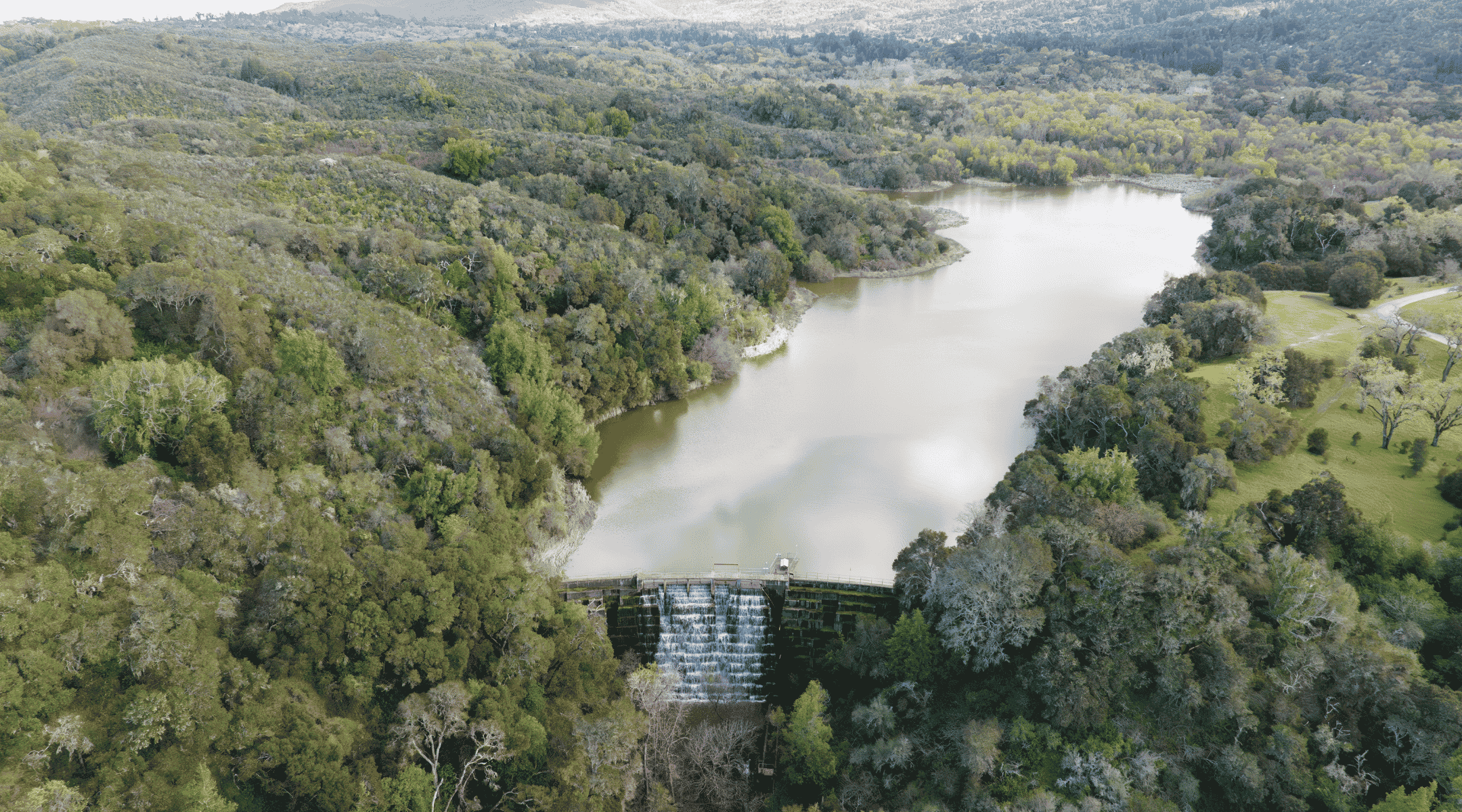
That population survives largely in spite of Searsville Dam. Built in 1892 near the historic confluence of five smaller creeks, the 65-foot concrete dam once supplied water to the growing Peninsula; today it serves no purpose beyond limited campus irrigation for Stanford, which has owned the dam and surrounding land for more than a century. In that time, an estimated 1.5 million cubic yards of sediment have filled in behind it, costing the reservoir more than 90% of its original storage capacity.
The Challenge
Searsville Dam blocks migrating Bay Area steelhead from reaching as much as 20 miles of upstream spawning and rearing habitat.
Beyond Searsville Dam
A Decade at the Table
For more than a decade, CalTrout has worked alongside the Beyond Searsville Dam coalition to push Stanford toward full removal, including a seat on the university’s Searsville Advisory Group since 2013.
That effort reached a major turning point recently: Stanford’s Searsville Watershed Restoration Project, launched in 2023, was updated to formally include complete dam removal as an alternative under environmental review — a significant shift after years in which Stanford considered only partial fixes. A Draft Environmental Impact Report is expected soon, and CalTrout is asking supporters to weigh in during the public scoping and review process to make the case for full removal, paired with offstream flood-attenuation basins and metered sediment release to protect downstream communities.
Removing Searsville Dam would be one of the most significant urban dam removals in California history — but this campaign has already shown, on a smaller scale, what reconnecting this creek can achieve.
A Preview of What’s Possible
The Lagunita Diversion Dam
Before Searsville, there was Lagunita. In 2019, after years of advocacy and permitting, Stanford removed the eight-foot Lagunita Diversion Dam from a tributary reach of San Francisquito Creek above campus, restoring roughly 480 feet of creek to natural conditions with boulders, logs, and constructed riffles and pools modeled on the creek’s undammed reaches nearby. Funded in part by a grant from the California Department of Fish and Wildlife, the project gave migrating fish room to move freely through a stretch of creek that had been blocked for more than a century.
Lagunita proved that Stanford can remove a dam on this creek, that fish respond quickly when given the chance, and that a university, state agencies, and conservation groups can get a project like this across the finish line. It’s a small-scale preview of what full Searsville removal could mean for the watershed as a whole.
completed in 2019
480 ft
Of creek restored to natural conditions with boulders, logs, and constructed riffles and pools
The Cost of Waiting: Steelhead Stranded Below Searsville Dam
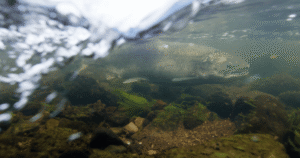
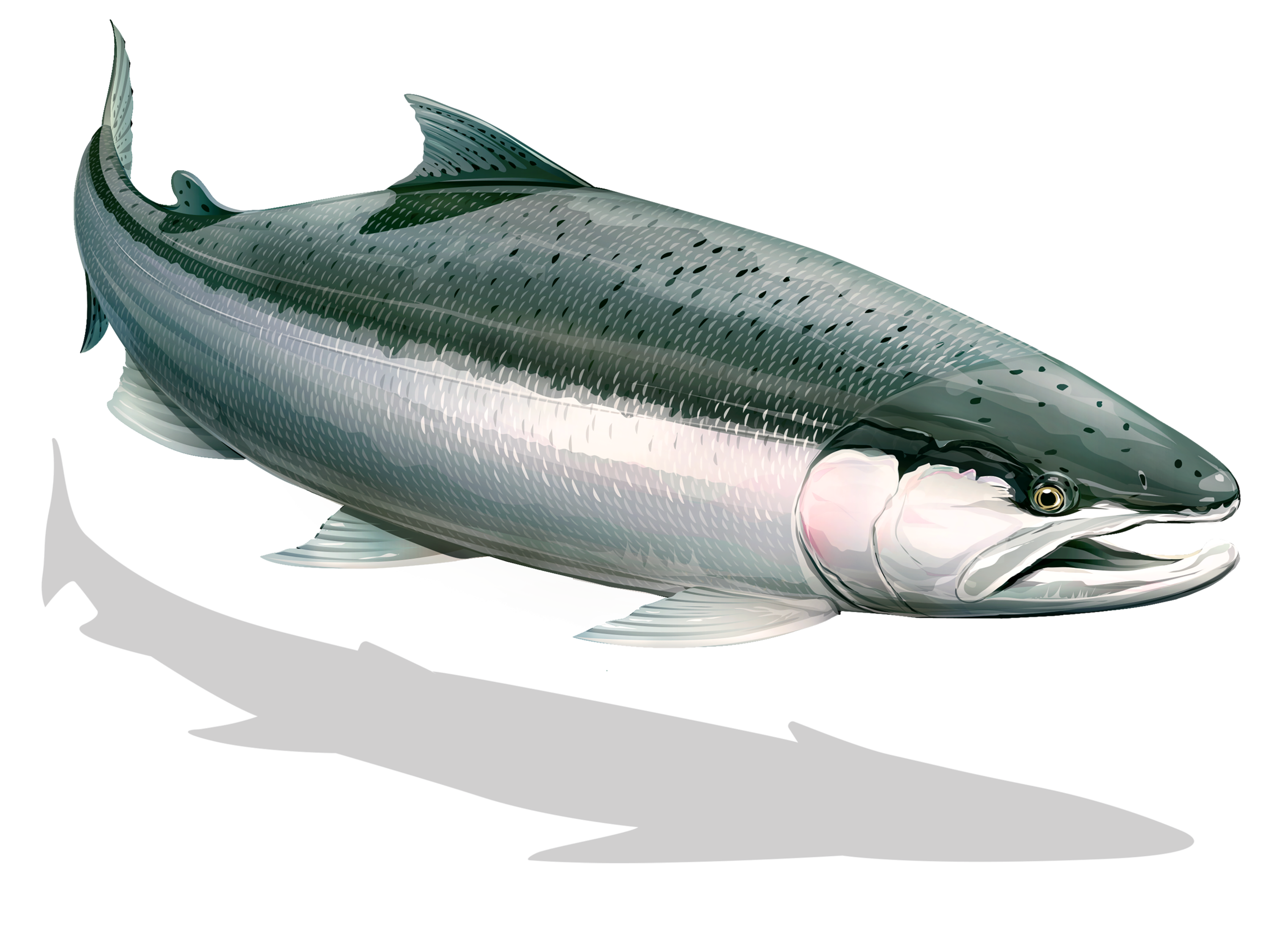
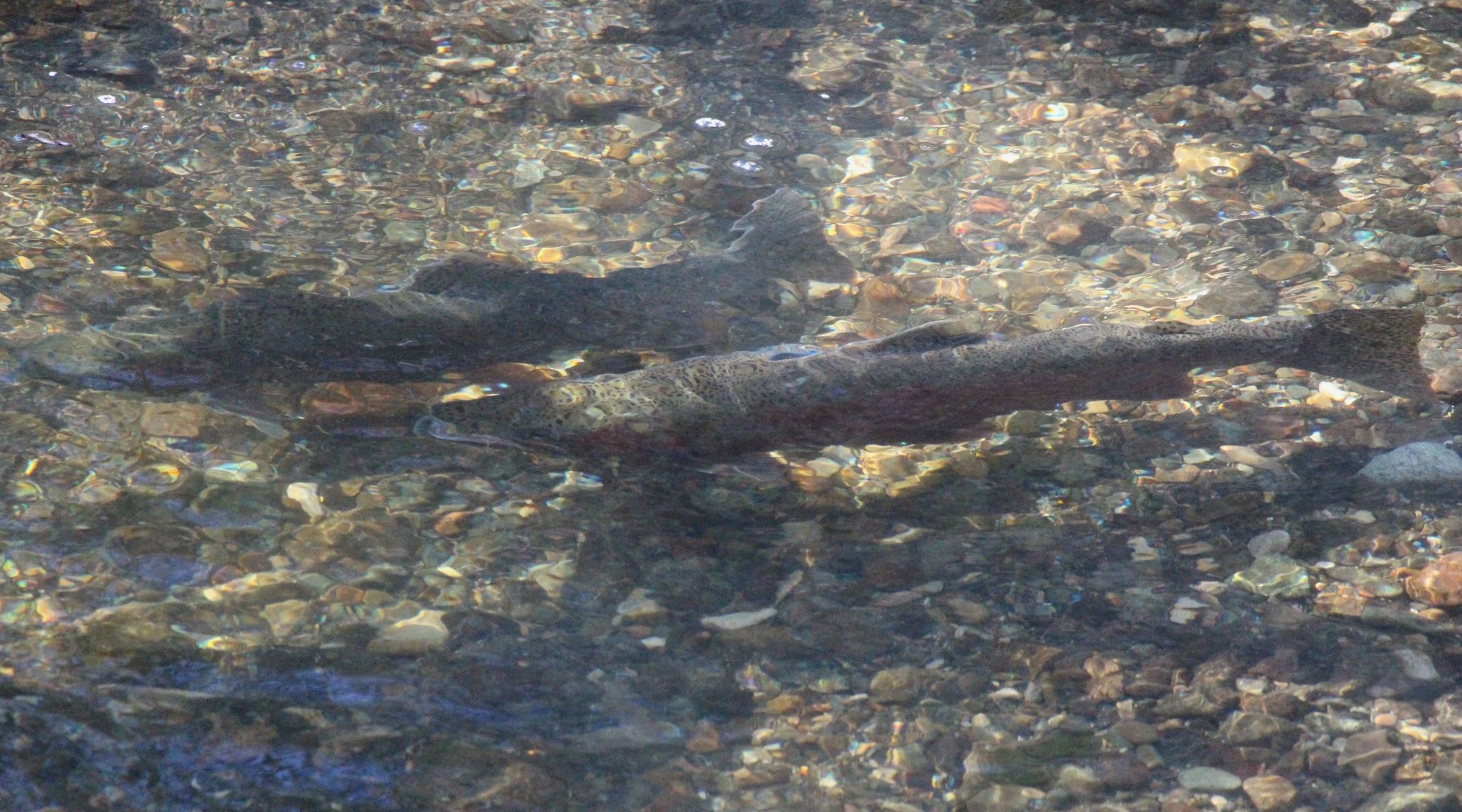
In early 2013, two adult steelhead — each a remarkable 26 inches long — were documented spawning in San Francisquito Creek just below Searsville Dam.
It should have been a hopeful sign. Instead, blocked from moving upstream to better habitat and cut off from returning to the Bay by shallow riffles and upstream water diversions, the fish became stranded as the lower creek dried up later that season. They didn’t survive.
Their story is a reminder of what’s at stake in the years before Searsville comes down. Unlike other diversions in the region that have been upgraded with fish ladders and protective flow requirements, Searsville Dam has neither — leaving every steelhead that attempts to return to this watershed dependent on conditions the dam does nothing to protect.
Looking ahead
San Francisquito Creek is one of the clearest opportunities in the Bay Area to bring a major dam down and give native steelhead the habitat they need to recover.
With a Draft Environmental Impact Report due soon, the next year will help determine whether Searsville Dam finally comes out after more than 130 years — and whether the South Bay’s last wild steelhead get the reconnected watershed they’ve been waiting for.
CalTrout and our coalition partners need supporters to speak up during Stanford’s environmental review process, and we need continued funding to keep pushing science, advocacy, and community partnership toward full dam removal. Your support helps ensure this rare opportunity for a major Bay Area dam removal doesn’t slip away.
CALTROUT IN ACTION
Stories from San Francisquito Creek.
-
An Aging Dam in Stanford’s Backyard — and Why it Must Go
Read more →: An Aging Dam in Stanford’s Backyard — and Why it Must Go -
Searsville Dam Under Official Consideration for Full Removal: Send Your Comment of Support
Read more →: Searsville Dam Under Official Consideration for Full Removal: Send Your Comment of Support -
Migration Matters: Breaking Down Barriers to Migration
Read more →: Migration Matters: Breaking Down Barriers to Migration
Support caltrout
Help recover Bay Area steelhead
Your support helps ensure these major Bay Area restoration opportunities continue.