Sierra Nevada Headwaters
Protecting California’s inland native trout, and safeguarding the places where much of our water flows from.
Understanding the headwaters
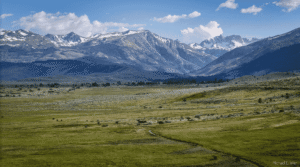
Along the eastern edge of the Sierra Nevada, where the range’s granite crest drops into the sagebrush high desert of the Great Basin, a string of headwater landscapes gives rise to much of California’s freshwater.
This is the Sierra Headwaters — a patchwork of subalpine meadows, aspen groves, and spring-fed streams stretching from the Mono Basin, north through the Bodie Hills to the West Walker River basin near Bridgeport, and west to the high country above June Lake and Mammoth Lakes. Fed by snowmelt and cold springs rather than any single river, these headwaters are the source waters for the Walker River system, Mono Lake’s tributary streams, and the creeks that feed the upper Owens and San Joaquin watersheds beyond.
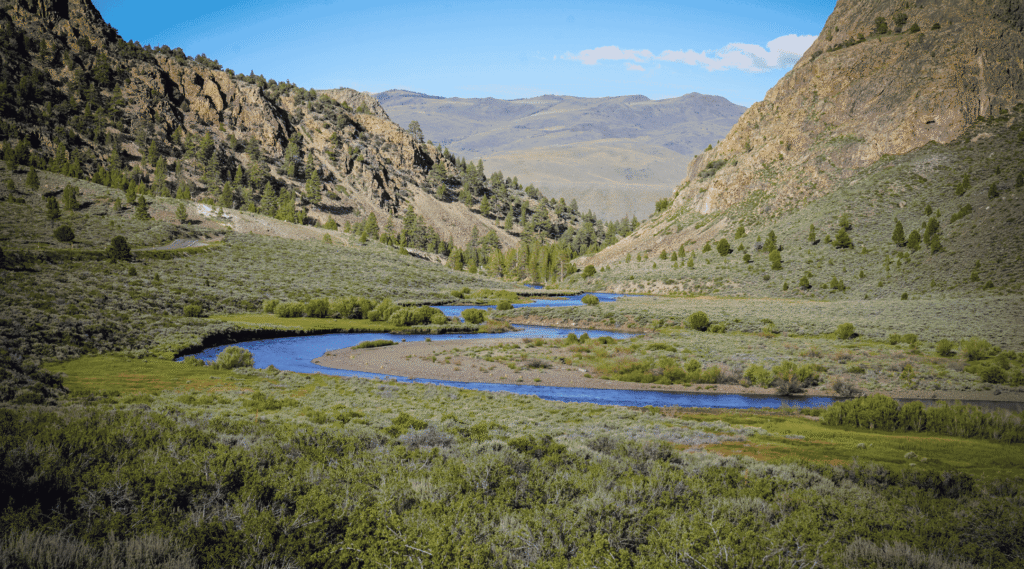
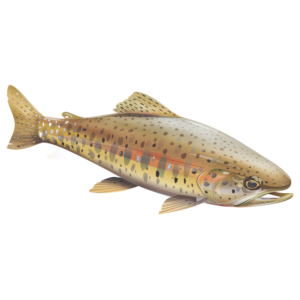
For thousands of years, these meadows and streams sustained Lahontan cutthroat trout, the largest native trout in North America, along with many Indigenous communities who have long called this landscape home. But more than a century of livestock grazing, logging, road building, and fire suppression has taken a steep toll. Meadows that once slowed and stored snowmelt have eroded and disconnected from their floodplains, streams have incised into narrow channels, forests have grown unnaturally dense, and non-native trout have pushed Lahontan Cutthroat Trout (LCT) to the brink of extirpation across nearly all of their historic California range. Climate change — through deeper droughts and more severe wildfire — is only raising the stakes.
CalTrout works across the Eastern Sierra on an integrated set of projects that treat the creek, meadow, and forest as one connected system. Our work falls into three interconnected areas: restoring degraded meadows, protecting Lahontan Cutthroat Trout by removing non-native fish and restoring in-stream habitat, and improving forest health.
meadows matter
Today, roughly 70% of Sierra meadows are degraded — at a time when the Sierra supplies about 60% of California’s water.
Program Area 1 | Meadow Restoration
Nature’s Water Infrastructure at Work
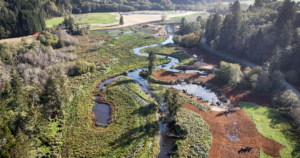
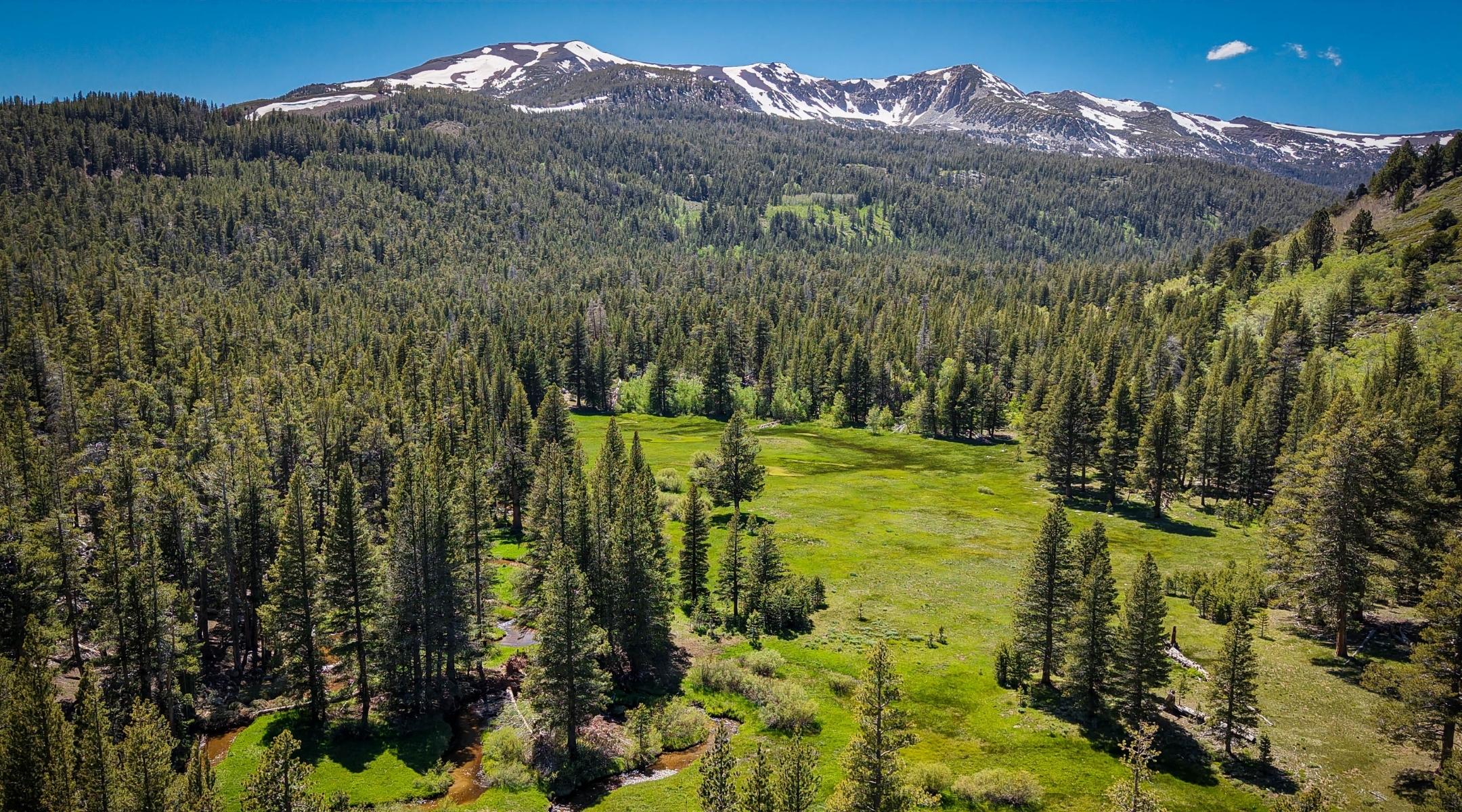
Sierra meadows are vital to California’s water future. These headwater ecosystems store snowmelt, recharge groundwater, reduce flooding, and sustain the cold, clean flows that native trout and salmon depend on — while also acting as powerful carbon sinks. But many meadows have been degraded, diminishing their ability to support both wildlife and communities downstream. Today, roughly 70% of Sierra meadows are degraded, at a time when the Sierra supplies about 60% of California’s water. CalTrout is working with partners to restore these natural systems by reconnecting streams to their floodplains and rebuilding the processes that keep meadows healthy.
Glass Mountain Meadows
CalTrout is restoring over 300 acres of subalpine meadow, riparian, aspen, and stream habitat in the Mono Basin that have been degraded by grazing, altered hydrology, and wildfire. On-the-ground restoration of roughly 125 acres will be paired with a new carbon and economic benefits tool designed to help fund future watershed restoration. Partners include Inyo National Forest, the California Department of Fish and Wildlife, and the Bishop Paiute Tribe.
Lower Mammoth Creek
CalTrout is planning a large-scale effort to reconnect roughly 64 acres of wet meadow, 22 acres of riparian corridor, and over a mile of stream channel near Mammoth Lakes. We are working through the design process, with construction targeted for the years ahead.
By-Day Creek
CalTrout is repairing 1.34 miles of incised stream near Bridgeport using nature-based solutions, including more than 150 beaver dam analogs and floodplain reconnection, along with the restoration of 16 acres of meadow and aspen, ahead of planned beaver reintroduction in the coming years. The project is being developed in consultation with Tribal representatives and the California Department of Fish and Wildlife, which manages the reserve.
Program Area 2 | Protecting Lahontan Cutthroat Trout
30+ Miles of Stream Protected or In Process for LCT Recovery
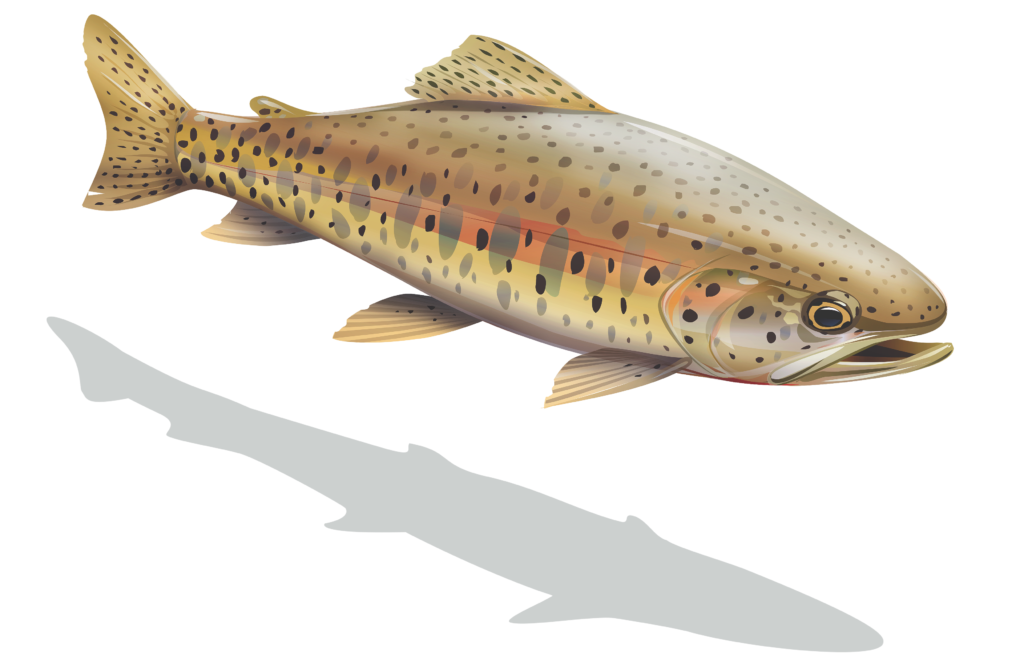
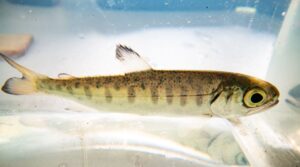
Roughly 95% of Lahontan cutthroat trout (LCT) has been extirpated from its historic California range, largely due to non-native trout and habitat loss. LCT is federally listed as threatened, and CalTrout is working to recover the species at a landscape scale in the West Walker Basin.
Silver Creek
Annually, CalTrout and the California Department of Fish and Wildlife remove non-native brook trout across more than 10 miles of creek. Our comprehensive approach includes eDNA sampling, dewatering, and electrofishing to both remove the fish and monitor the efficacy of our work. LCT presence in this tributary is particularly important because their health serves as an indicator of drought resilience for the broader basin.
Slinkard Creek
Despite past ranching impacts and erosion, Slinkard Creek remains a spring-fed, drought-resistant cold-water refuge within LCT’s native range. Crews use the same dewatering and electrofishing approach to remove non-native fish here.
By-Day Creek
By-Day Creek protects the only remaining historic original LCT habitat and serves as the genetically pure source population for reintroduction efforts, including at Silver Creek, tying this site directly to the forest and meadow work at By-Day Creek. These fish depend on cold, clean water to survive, making the restoration of this watershed both highly impactful and critical.
Program Area 3 | Forest Health
A Preventative Approach
Today’s environmental and social challenges don’t exist in isolation, and neither can the solutions. By treating the entire landscape rather than individual components, we achieve lasting results that isolated efforts simply can’t deliver. A century of fire suppression has left Sierra forests dangerously dense, and forest health and fish health are directly linked. CalTrout works with Inyo National Forest to thin forests before fire strikes, reducing wildfire risk while restoring aspen and whitebark pine.
By-Day Creek Forest Health Project
Completed in 2024 in collaboration with the California Department of Fish and Wildlife, this project thinned dense conifer understory to protect the genetically pure LCT source population upstream. Neighboring land managers are now looking to replicate our approach across the entire By-Day Creek watershed.
June Mountain Forest Health Project
Since 2016, CalTrout and Inyo National Forest have thinned 356 acres to restore aspen and whitebark pine and reduce fire risk to the town of June Lake. Now completed, this multi-phase project removed more than 2,000 tons of dead biomass across 316 acres. Fewer trees also means wetter, healthier meadows nearby, and cleared wood supports public firewood collection and local school programs.
SIERRA NEVADA HEADWATERS
The Sierra Headwaters by the numbers:
Real numbers behind the need for restoration, Lahontan cutthroat trout protection, and forest health across the Eastern Sierra.
30+ mi
Of stream protected or in process for Lahontan Cutthroat Trout recovery
2k+ tons
Of dead biomass removed at June Mountain Forest Health Project
60%
Of California’s water supply originates in the Sierra Nevada
70%
Of Sierra meadows degraded — the impetus for restoration efforts
CALTROUT IN ACTION
Stories from the Sierra Nevada Headwaters.
-
Introducing Dr. Eric Huber, CalTrout’s new Sierra Headwaters Regional Director
Read more →: Introducing Dr. Eric Huber, CalTrout’s new Sierra Headwaters Regional Director -
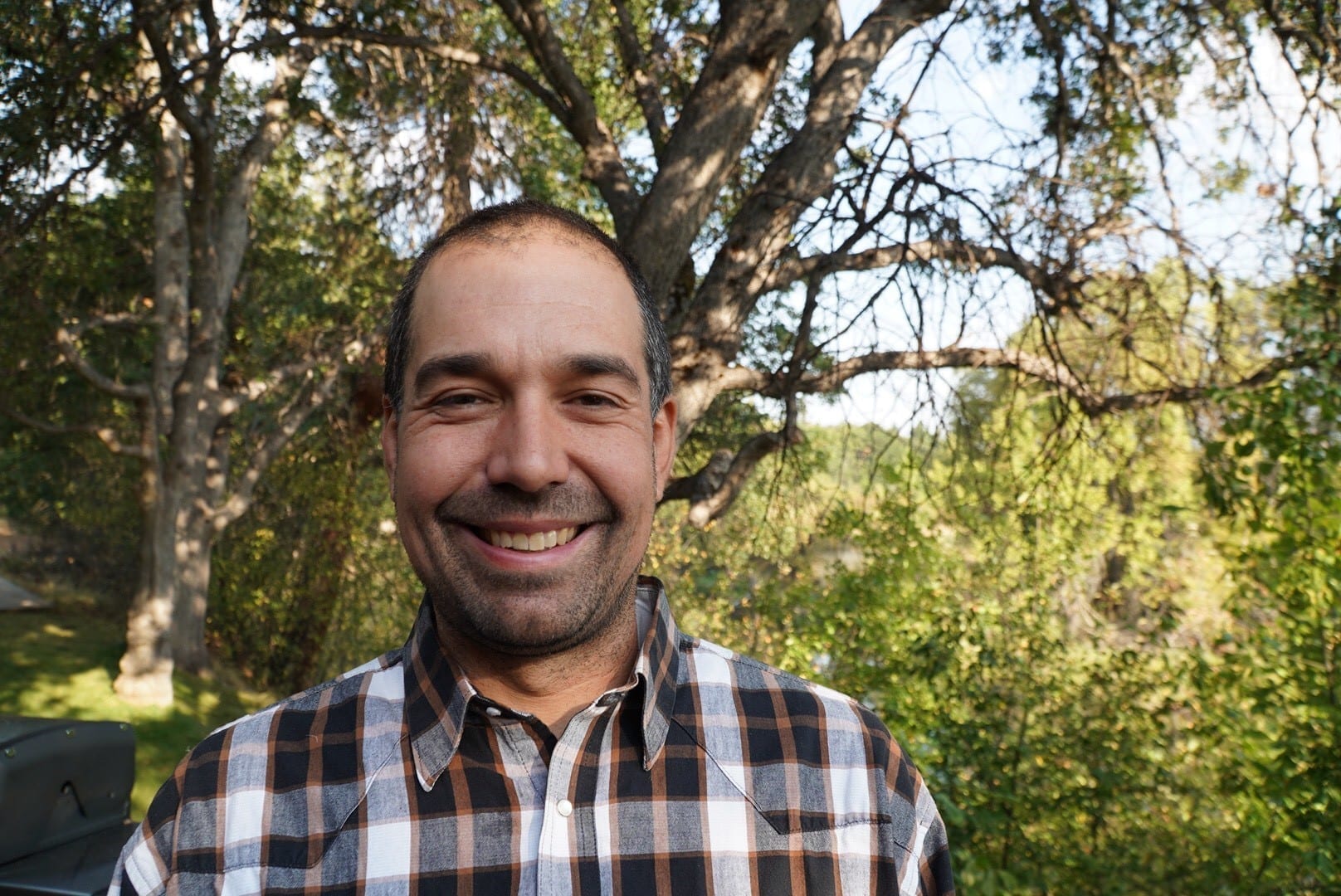
Introducing Dr. Eric Huber, CalTrout’s new Sierra Headwaters Regional Director
Read more →: Introducing Dr. Eric Huber, CalTrout’s new Sierra Headwaters Regional Director -
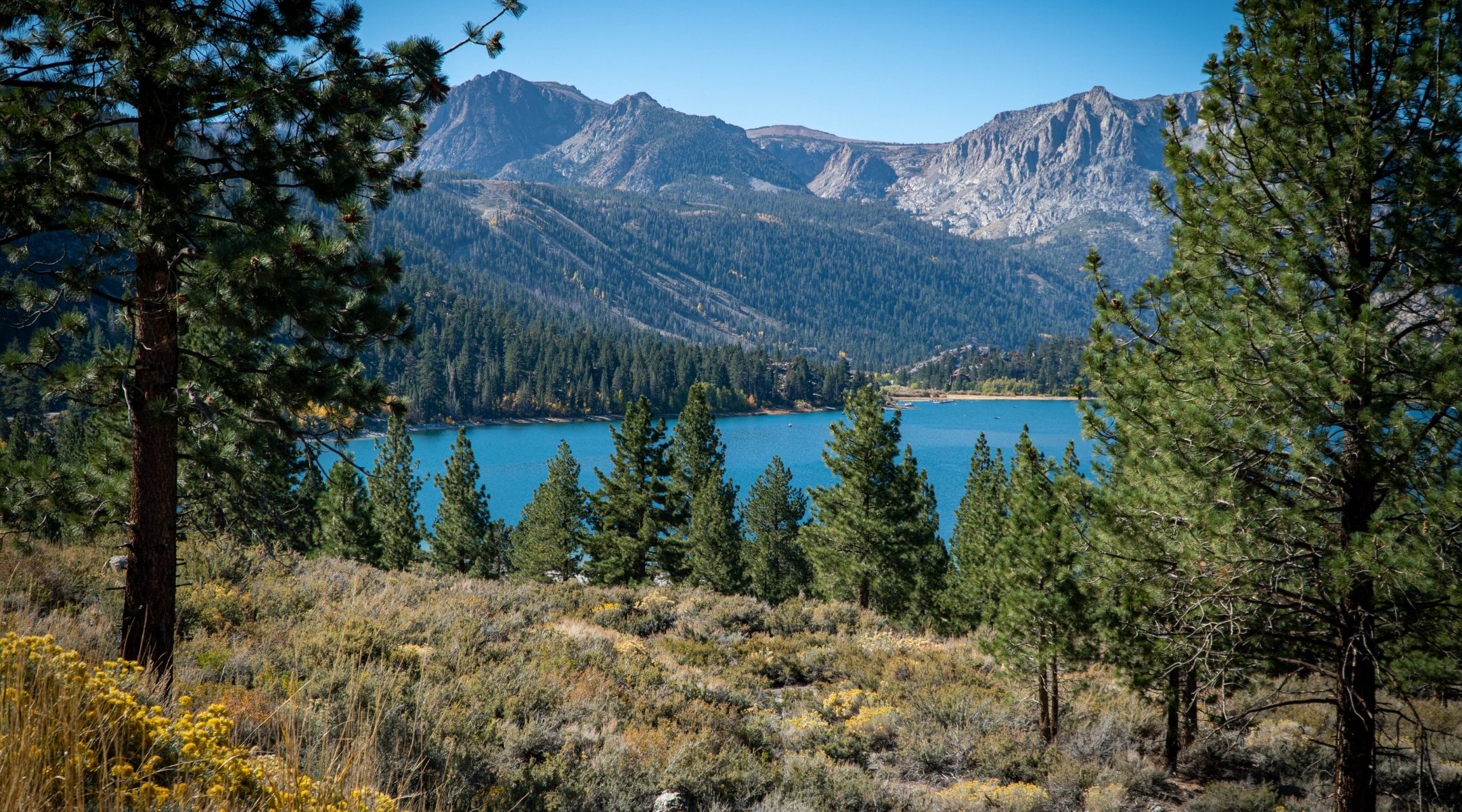
CalTrout leads the way with launch of June Mountain Ski Area Whitebark Pine Restoration Project
Read more →: CalTrout leads the way with launch of June Mountain Ski Area Whitebark Pine Restoration Project
Support caltrout
Support our restoration work
Across the Sierra Headwaters, CalTrout has a growing portfolio of active projects underway, built on partnerships with local Tribes, agencies, landowners, and local communities. Your support helps us address invasive species, forest health, and meadow restoration as one system.