Upper Sacramento River Watershed
A remarkable recovery story — and a long-term commitment to protecting the cold water that made it possible.
Understanding the history
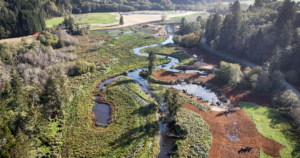
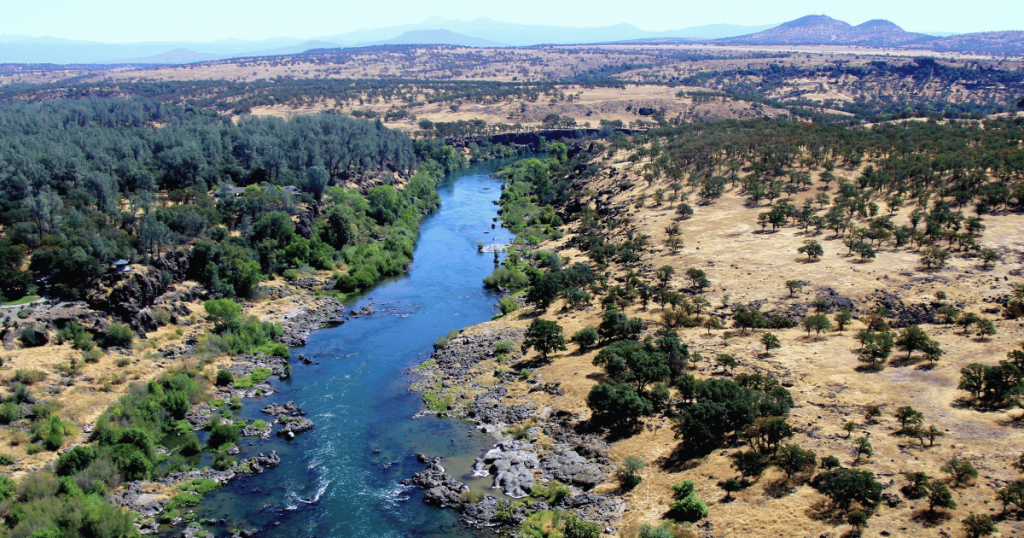
The Upper Sacramento River begins in the shadow of Mount Shasta and Mount Eddy, in the Shasta Cascade region of far Northern California.
Flowing roughly 40 miles down through the town of Dunsmuir before reaching Shasta Reservoir, the 592-square-mile basin is fed in large part by cold, clean springs flowing out of Mount Shasta itself — a rare and vital source of baseflow that keeps the river cold even through the driest summers.
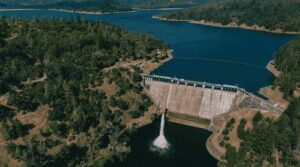
Before the completion of Shasta Dam in 1944, the river supported abundant runs of salmon and steelhead migrating up from the Pacific. The dam permanently blocked that migration, cutting the Upper Sacramento off from the sea and reshaping it into the resident trout fishery it is today — one whose cold spring water still plays a critical role in maintaining the cold-water pool in Shasta Reservoir that endangered winter-run Chinook salmon depend on downstream.
July 1991
In July 1991, that fishery nearly disappeared entirely.
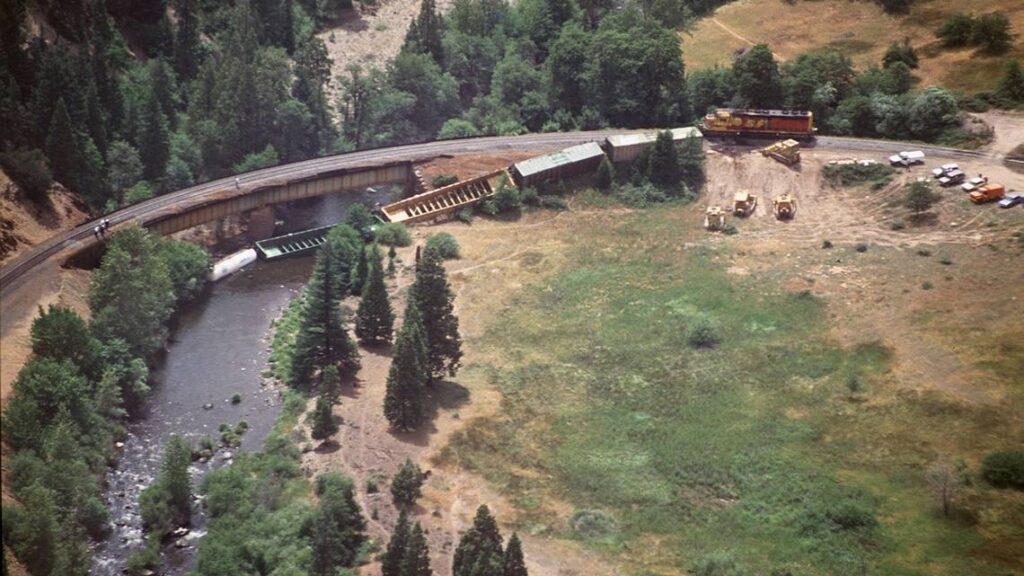
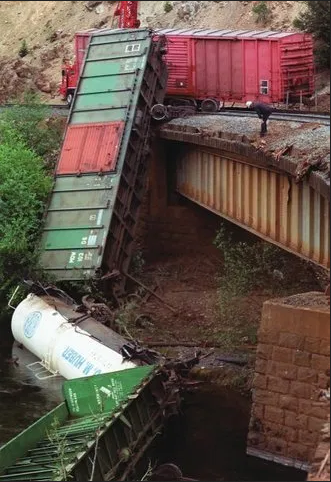
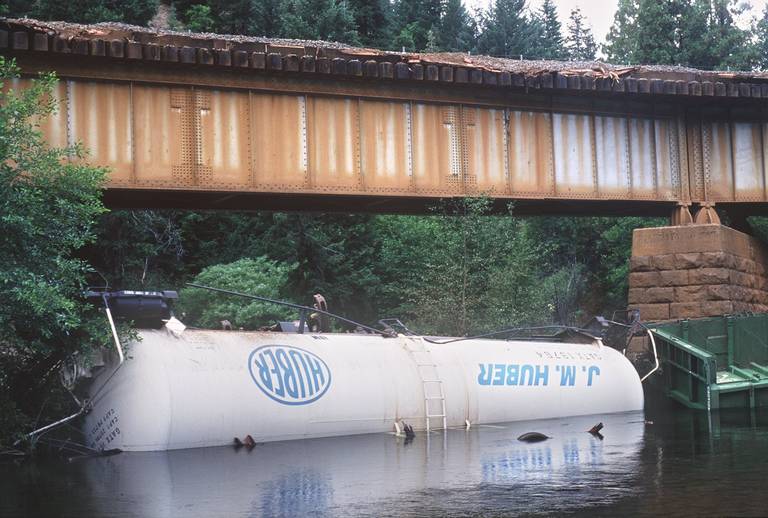
A 97-car Southern Pacific train derailed at Cantara Loop near Mount Shasta, spilling thousands of gallons of the toxic herbicide metam sodium into the river. Within two days, the chemical had traveled all the way to Shasta Lake, killing hundreds of thousands of fish and leaving 45 miles of riverbed scoured of virtually all life — not even algae survived.
Part 1 | The Recovery
A River Rebuilt Without a Hatchery
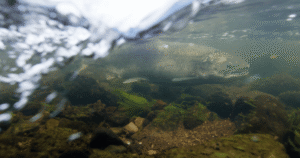
CalTrout led the response to that disaster, and the choices made in its aftermath shaped the river for decades to come. When Dunsmuir and Southern Pacific proposed restocking the river with hatchery fish, CalTrout pushed back, arguing that native rainbow trout surviving in untouched tributaries could naturally recolonize the mainstem if given the chance. Working with Southern Pacific, CalTrout developed a nine-point recovery plan aimed at restoring the fishery within three years — and it worked. Rather than a river rebuilt on hatchery stock, the Upper Sacramento came back on its own, and CalTrout purchased 40 acres of river corridor between Dunsmuir and Cantara Loop in 1993 to help protect that recovery for good.
More than 30 years later, the Upper Sacramento River is a thriving, state-designated Wild Trout fishery and blue-ribbon trout stream — one of the clearest examples in California of what a river can do when it’s given the chance to heal itself. That success hasn’t ended CalTrout’s work here. Protecting the cold spring water that made recovery possible in the first place, and the land surrounding it, remains just as important today.
UPPER SACRAMENTO RIVER, SISKIYOU COUNTY
A river that healed itself — now defended at the source.
Real numbers behind one of California’s clearest recovery stories, and the cold spring water that made it possible.
45 mi
Of riverbed scoured lifeless by the 1991 Cantara Loop spill
9-point
Recovery plan built with Southern Pacific — no hatchery restocking
40 acres
Of river corridor purchased by CalTrout in 1993 to protect the recovery
30+ yrs
A thriving, state-designated Wild Trout fishery and blue-ribbon trout stream
Part 2 | Source Waters
Protecting the Springs That Feed the River
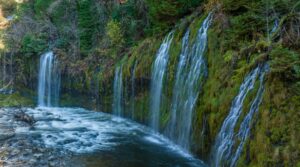
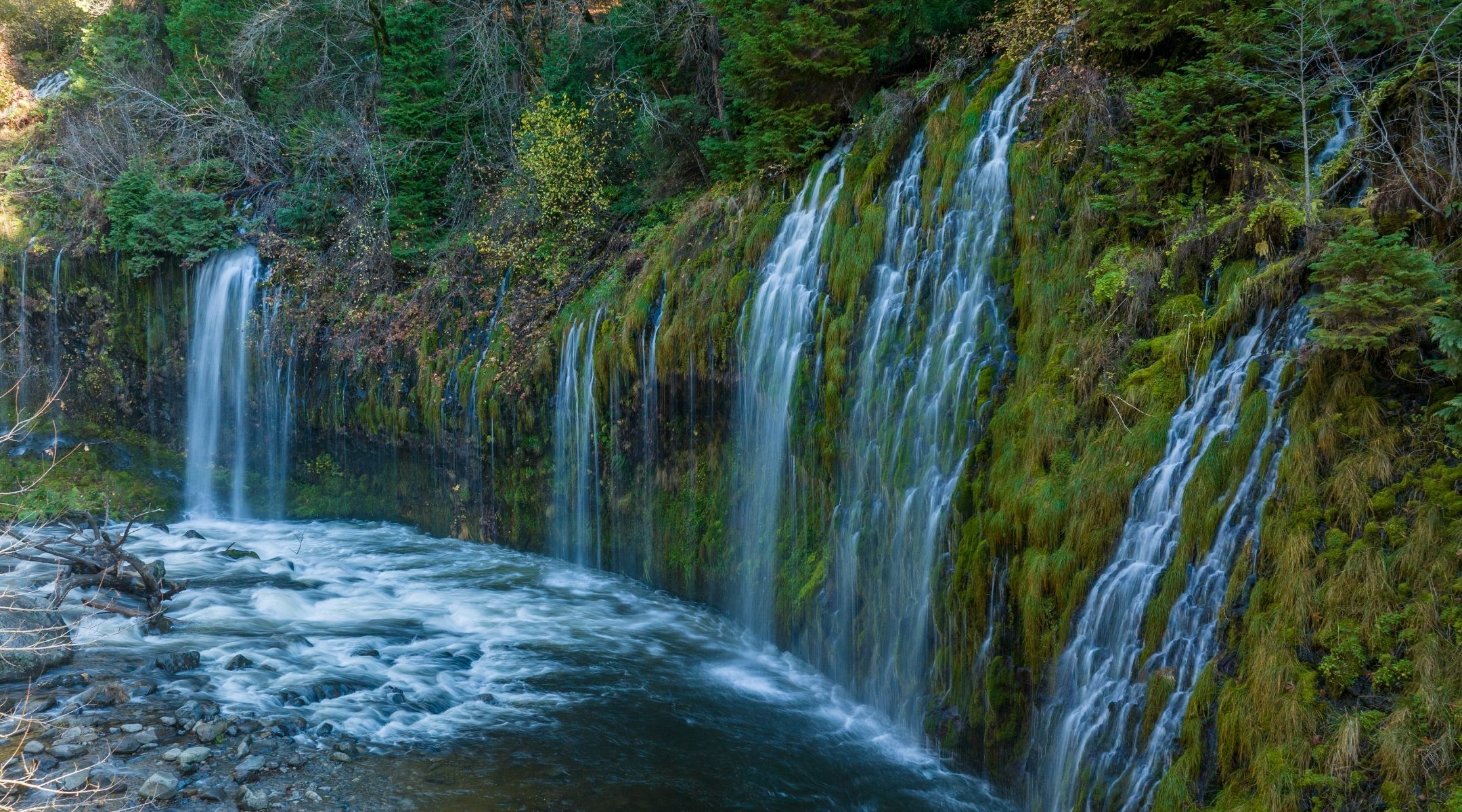
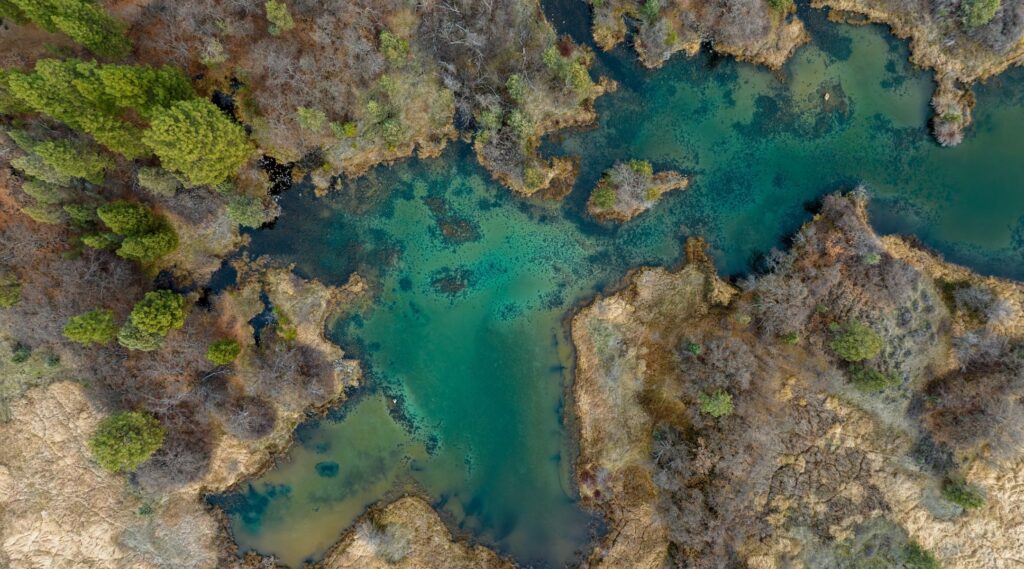
The Upper Sacramento’s cold water flows from dozens of springs on the slopes of Mount Shasta, these same groundwater systems feed the McCloud and Shasta rivers, other spring-fed streams across the region, and local communities surrounding Mount Shasta. CalTrout began studying these springs in 2007, mapping and rating their vulnerability to land use, development, and climate change, and that work continues today through the Upper Sacramento Basin Source Waters Science Study, launched with the California Department of Fish and Wildlife, UC Davis, and other research partners.
New research is beginning to show how these systems work. Major springs across the region are recharged primarily by cold, high-elevation snowmelt that moves through volcanic groundwater pathways before emerging in rivers below. The findings also highlight a vulnerability: declining snowpack and earlier melt could warm spring water, reduce summer flows, and weaken cold-water habitat for trout and salmon. This science is helping identify the recharge areas most important to protect and monitor in a changing climate.
As pressure on Mount Shasta’s spring water grows — from development, water bottling operations, and a warming climate — understanding exactly where this cold water comes from, and how much of it there is to protect, has never mattered more. The health of the Upper Sacramento, and every other spring-fed stream in the Shasta Cascade region, depends on it.
WATCH the film
The Story Behind the Water that Feeds Our Rivers
Part 3 | McCloud River Redband Trout
Safeguarding a Native Trout Lineage Against Climate Change
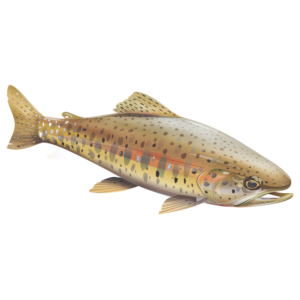
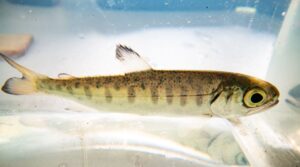
On the other side of Mount Shasta from the Upper Sacramento, the spring-fed McCloud River watershed shares the same cold-water origins — and holds one of the rarest trout on Earth. McCloud River redband trout once ranged throughout the river, and their genetics are so foundational to the species that McCloud broodstock was used to establish rainbow trout fisheries around the world, making it one of the most widely distributed freshwater fish in the world. Ironically, that same success has left true, unhybridized redband trout surviving in only five isolated streams on Mount Shasta’s eastern flank.
Those last strongholds are under increasing pressure. The 2013–2014 drought forced CalTrout and its partners into an emergency capture-and-relocation effort to keep entire populations from disappearing, and wildfires since 2019 have burned through critical habitat, filling deep refuge pools with silt and eliminating the cold water redband trout need to survive. CalTrout has responded with meadow and in-stream habitat restoration, converted the Mount Shasta hatchery to a conservation-focused operation, and is now building new refuge pools on McCloud tributaries with the U.S. Forest Service, the California Department of Fish and Wildlife, Trout Unlimited, and UC Davis to help this remarkable fish survive a hotter, drier future.
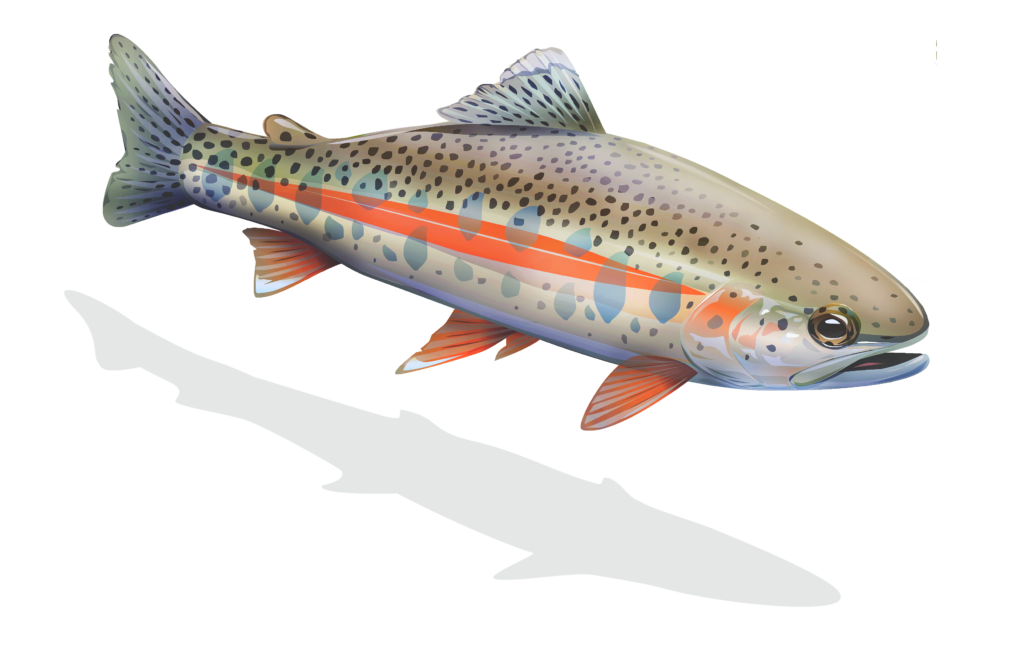
15%
of McCloud River redband trout’s historical range remains occupied by true, unhybridized fish and five isolated streams remain
The Upper Sacramento River proves that recovery is possible — but it also shows that it must be defended. Three decades after the Cantara Spill, CalTrout’s work here has shifted from emergency response to long-term stewardship: protecting the cold spring water at the source, understanding how a changing climate will affect it, and keeping the public connected to a river that came back from the brink.
CALTROUT IN ACTION
Stories from the Upper Sacramento.
-
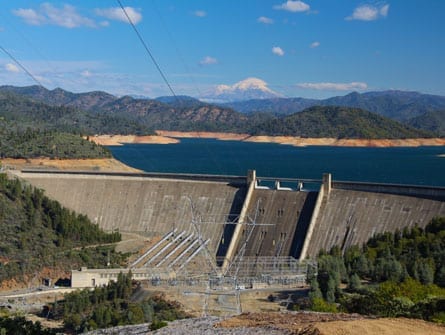
Speak up against raising Shasta Dam
Read more →: Speak up against raising Shasta Dam -
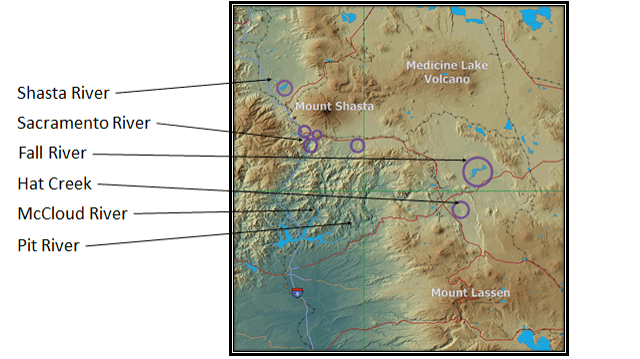
California’s Cascade Aquifers: Resilient & Unrecognized Source Waters
Read more →: California’s Cascade Aquifers: Resilient & Unrecognized Source Waters -
CalTrout’s Comments On The BOR’s Shasta Dam Raising Draft Feasibility Report
Read more →: CalTrout’s Comments On The BOR’s Shasta Dam Raising Draft Feasibility Report
Support caltrout
Support our work to restore the Upper Sacramento River and projects like it
The Upper Sacramento’s recovery is one of CalTrout’s proudest achievements, but it’s not guaranteed to last without continued investment in the springs, land, and science that sustain it. Your support helps CalTrout keep monitoring these cold-water sources and defending them against the pressures of growth and a changing climate, so the Upper Sacramento remains a blue-ribbon fishery for generations to come.