

SCORE
1.6
CRITICAL
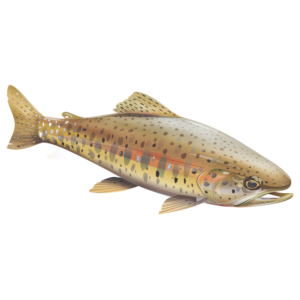
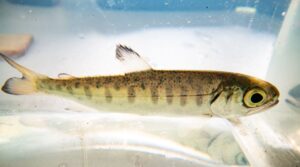
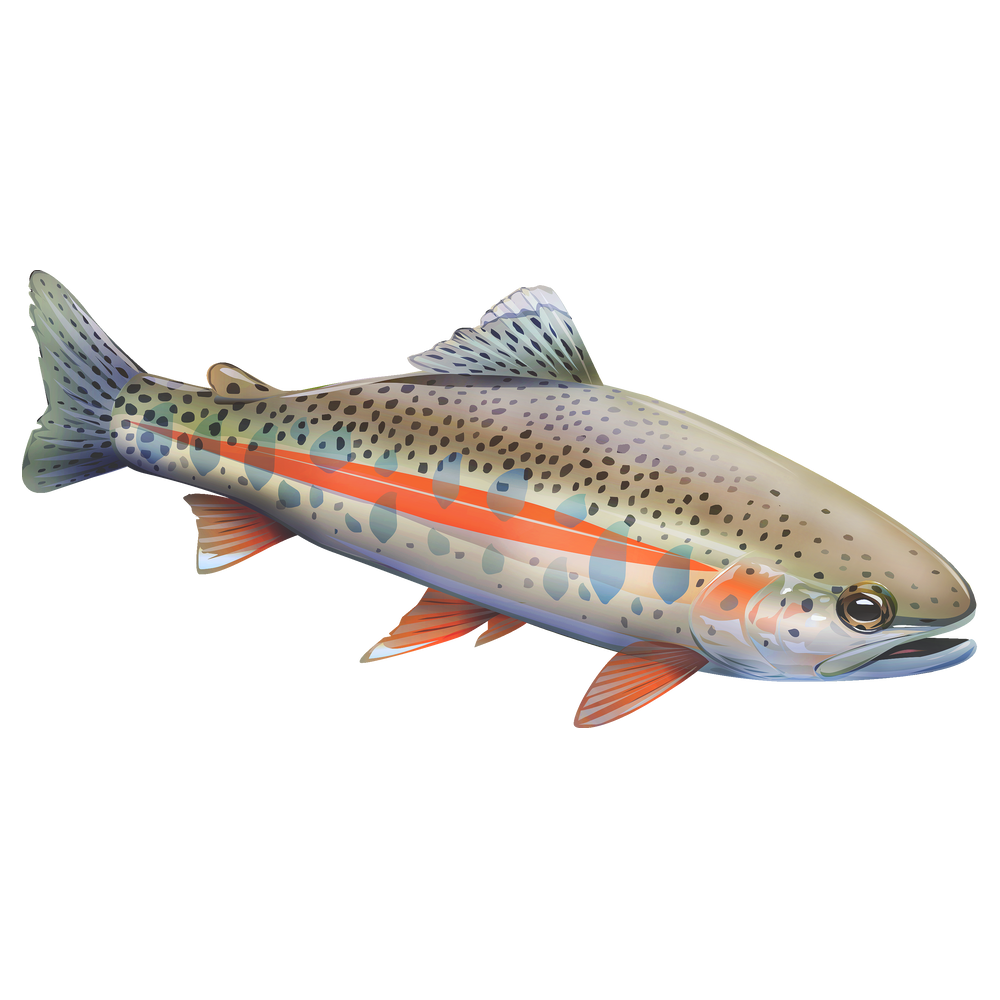
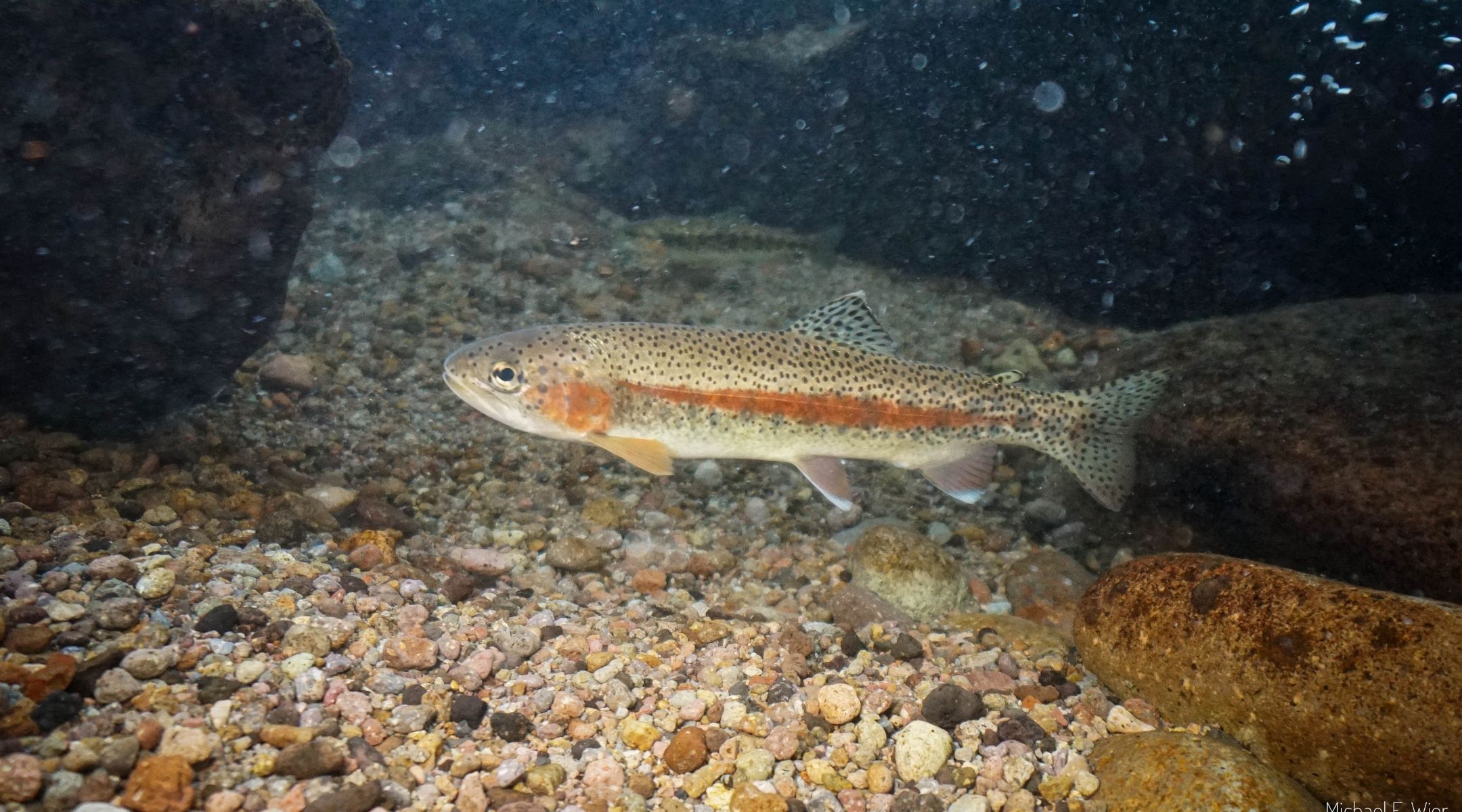
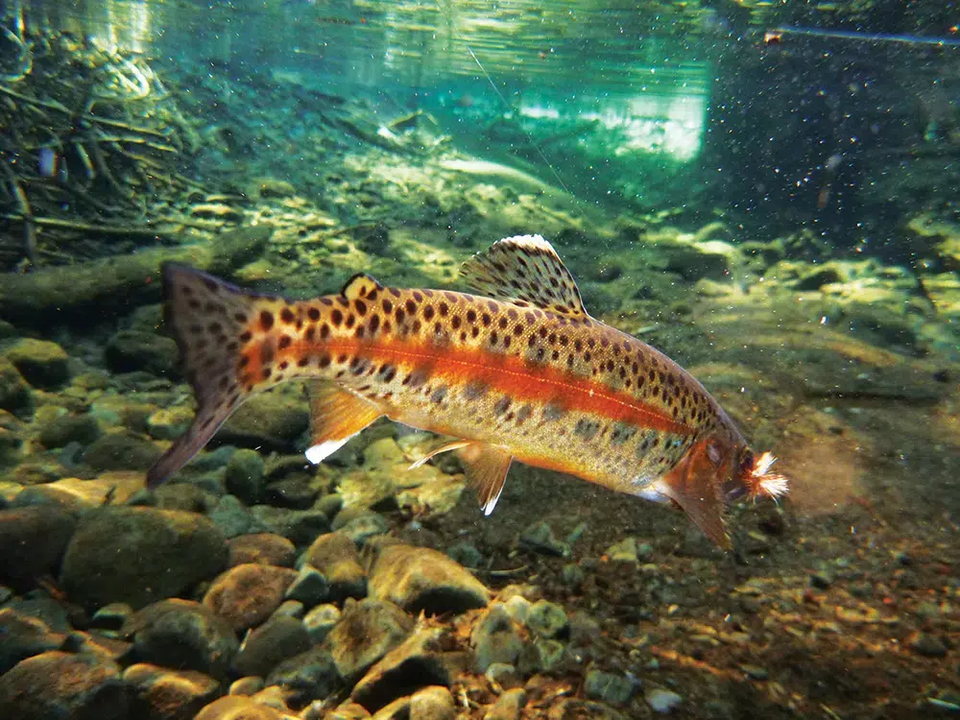
McCloud River Redband Trout
Oncorhynchus mykiss stonei
Species ranges
Related projects
At a Glance
McCloud River Redband trout populations are very small, fragmented, and exist in limited and isolated habitat. Their status could change rapidly, particularly in relation to predicted climate change impacts such as reduced snowpack and precipitation increasingly falling as rain instead of snow.
Species characteristics
Conservation Actions
Conservation Strategy
- Work with the McCloud Redband Core Group to implement the 2014 Inland Redband Conservation Agreement to manage land uses in the McCloud River Basin.
- Establish a McCloud River Redband trout refuge that contains all current Redband streams and suitable reaches of potential future habitat for translocations.
- Use a captive broodstock program to protect the genetic integrity of McCloud River Redbands and facilitate CDFW’s 2013 Upper McCloud River Redband Trout Reintroduction Plan.
Where to find McCloud River Redband Trout
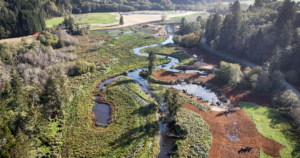
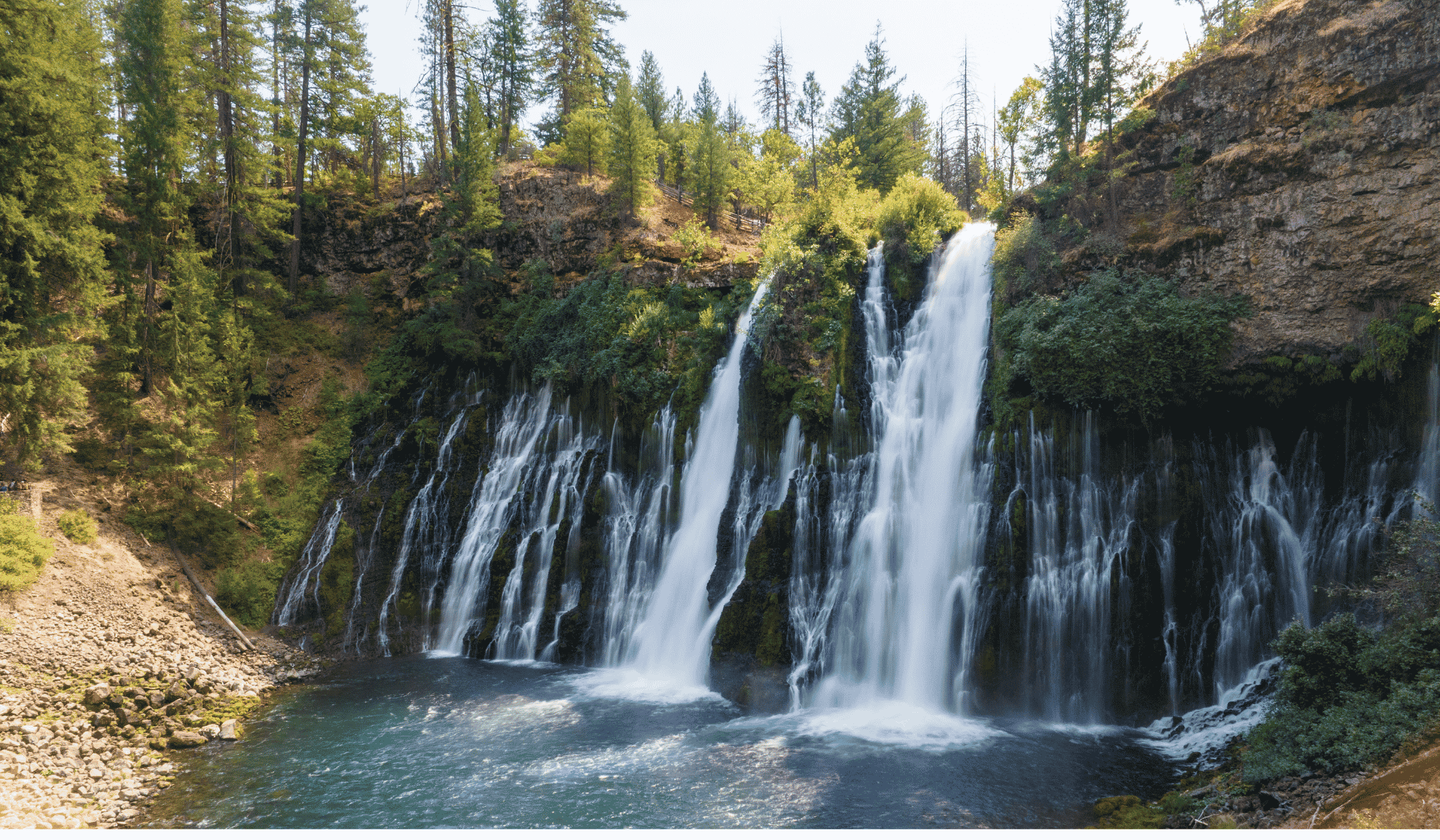
McCloud River Redband trout once ranged throughout the mainstem McCloud River above Middle Falls and its tributaries, and perhaps the lower river and its tributaries as well. Potential habitat, including the upper McCloud River, encompasses about 98 km (about 61 mi.). Today, they persist only in four small (< 2 km, or 1.2 mi.) isolated streams upstream of the McCloud River’s Middle Falls that disappear underground into highly porous volcanic rock before connecting with the mainstem McCloud River downstream.
How This Species Scored
From Caltrout’s SOS II Report
| METRIC | SCORE | JUSTIFICATION |
|---|---|---|
| Area occupied | 1 | Four ‘core’ populations are clustered fairly close to each other and all are in Upper McCloud watershed, so are treated as one ‘watershed.’ |
| Estimated adult abundance | 1 | Population prior to the 2012-2016 drought was likely somewhat less than 3,000 fish over 8 cm (3 in.), with each stream having 100-1,000 fish. In drought years, total numbers of fish of this size likely totaled less than 1,250 fish. |
| Intervention dependence | 2 | Drought necessitated rescue of several populations and relocation to holding facilities until natural conditions improved. Ongoing implementation and recent revision and expansion of a formal Conservation Strategy is critical for survival. |
| Environmental tolerance | 3 | It is likely they are fairly tolerant of high temperatures, as are other Redband trout, but water quality in their small streams has to be monitored during drought years. |
| Genetic risk | 1 | Hybridization risk with rainbow trout is high; small isolated populations result in genetic bottlenecks and inbreeding depression. |
| Climate change | 1 | Vulnerability is high in all streams because of small size and cumulative effects of a changing climate and drought. |
| Anthropogenic threats | 2 | 1 High and 4 Medium threats. |
| Average | 1.6 | LEVEL OF CONCERN: CRITICAL |
CALTROUT IN ACTION
Explore projects affecting the
McCloud River Redband Trout
Native Salmonids
Explore California’s native fish.
From steelhead to coastal cutthroat, California’s native fish are essential to healthy rivers and thriving ecosystems.
-
Bull Trout
-
California Coastal Chinook Salmon
-
California Golden Trout
-
Central California Coast Coho Salmon
-
Central California Coast Steelhead
-
Central Valley Fall-Run Chinook Salmon
-
Central Valley Late Fall-Run Chinook Salmon
-
Central Valley Spring-Run Chinook Salmon
-
Central Valley Steelhead
-
Chinook Salmon
-
Chum Salmon
-
Coastal Cutthroat Trout
-
Coastal Rainbow Trout
-
Coho Salmon
-
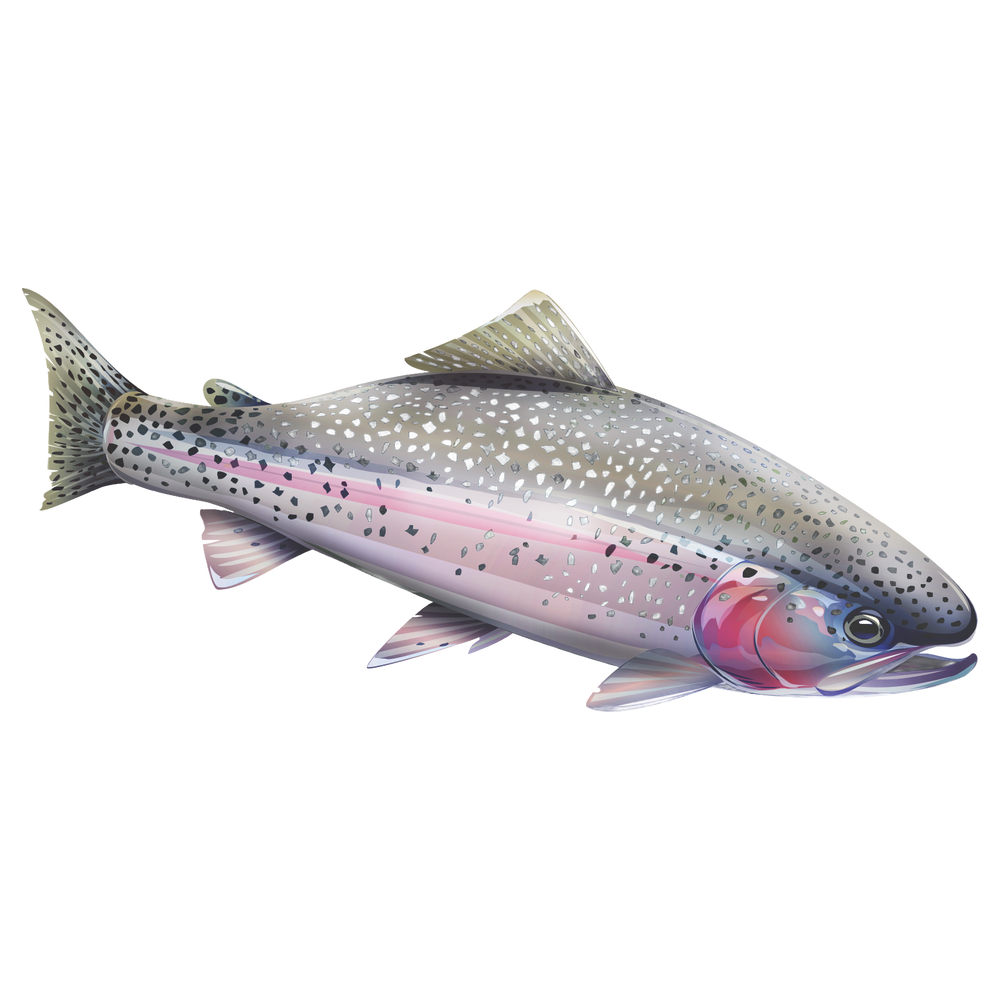
Eagle Lake Rainbow Trout
-
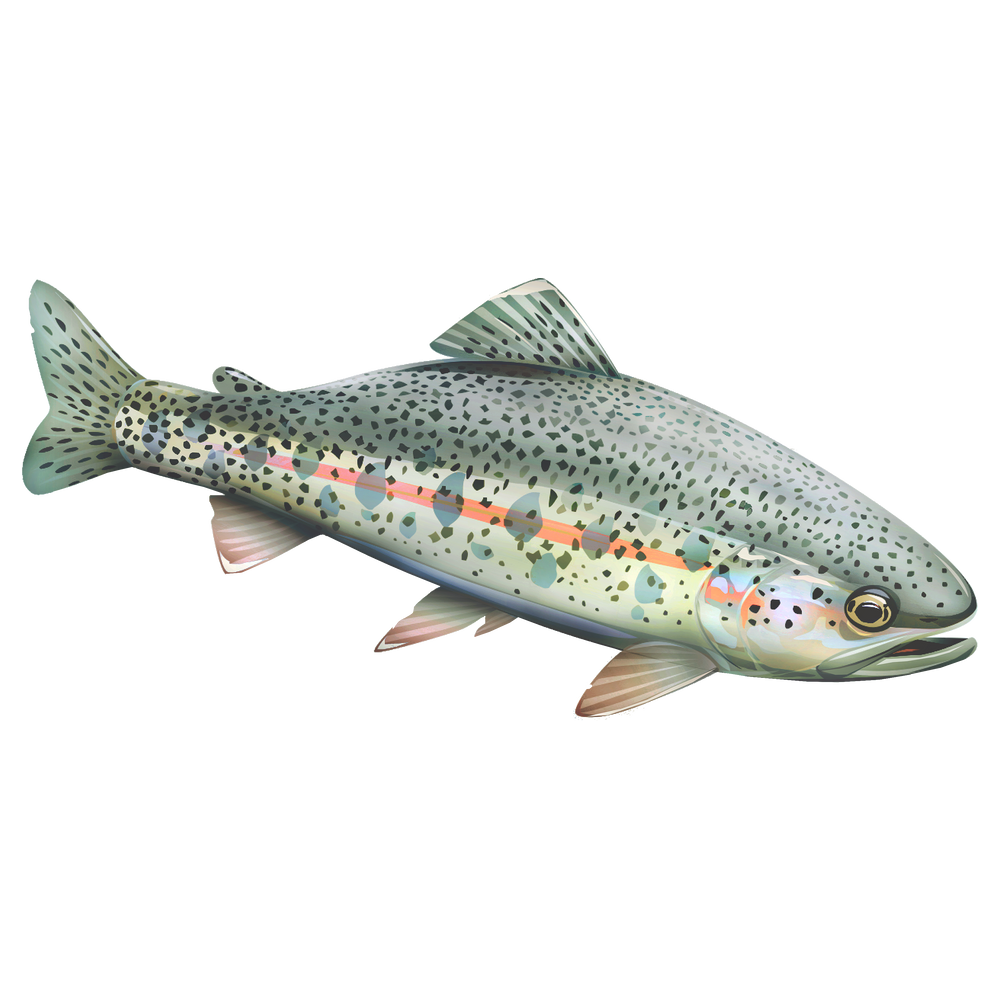
Goose Lake Redband Trout
-
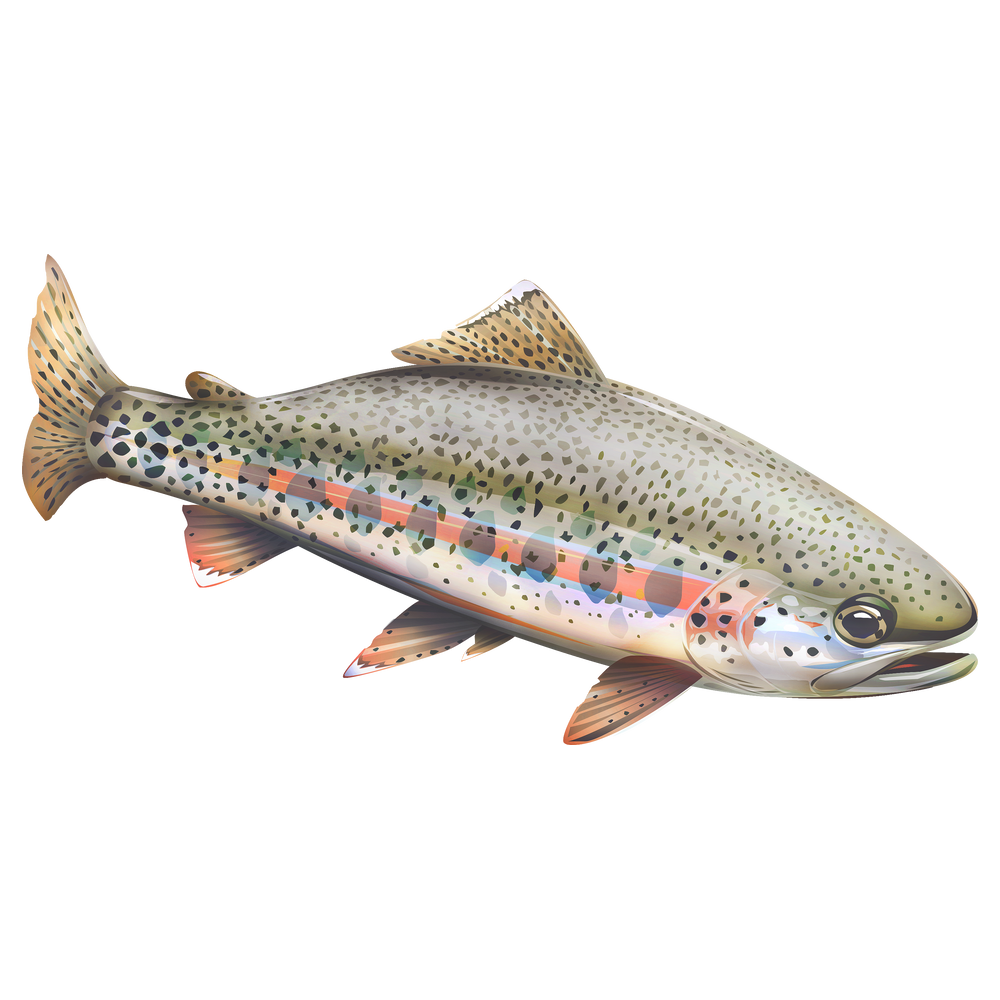
Kern River Rainbow Trout
-
Klamath Mountains Province Summer Steelhead
-
Klamath Mountains Province Winter Steelhead
-
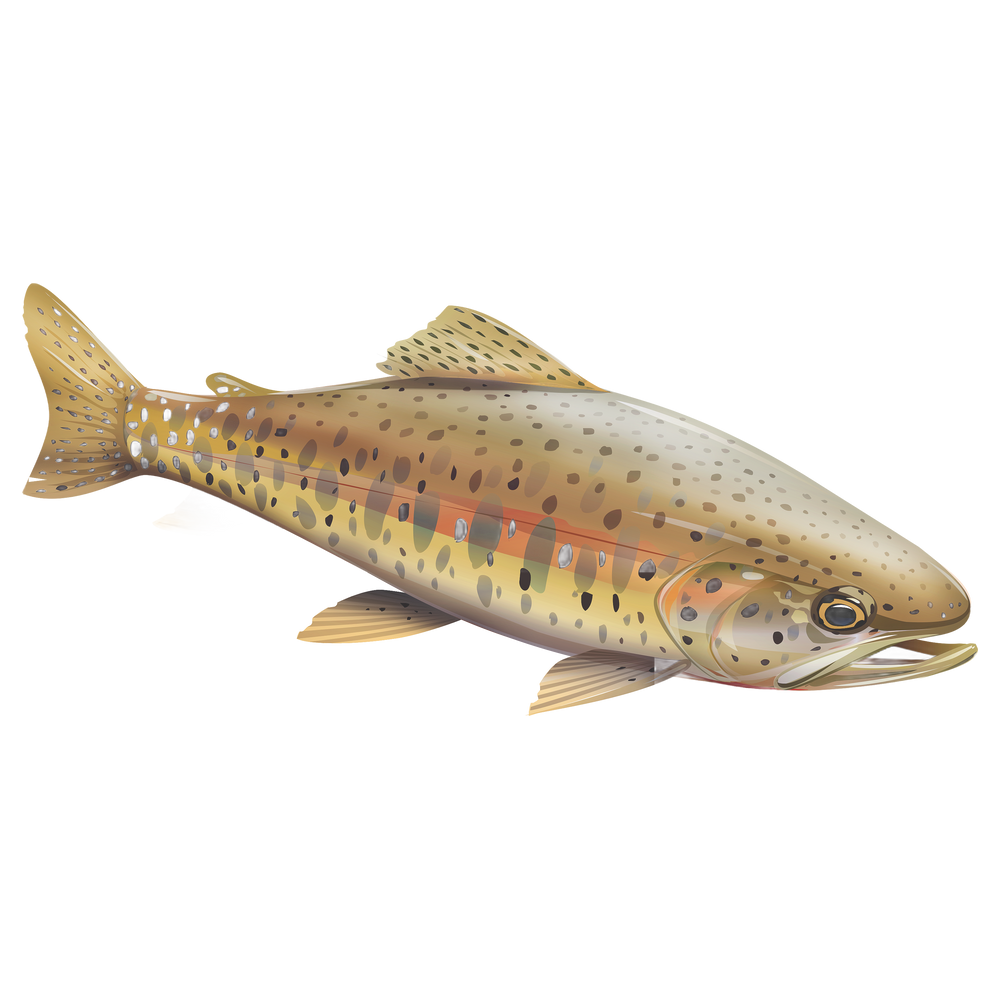
Lahontan Cutthroat Trout
-
Little Kern Golden Trout
-
McCloud River Redband Trout
-
Northern California Summer Steelhead
-
Northern California Winter Steelhead
-
Paiute Cutthroat Trout
-
Pink Salmon
-
Sacramento River Winter-Run Chinook Salmon
-
South-Central California Coast Steelhead
-
Southern Oregon/Northern California Coast Chinook Salmon
SUPPORT CalTrout
The only statewide assessment of California’s native salmon, steelhead, and trout.
CalTrout, in collaboration with academic partners, has produced two once-a-decade State of the Salmonids reports — comprehensive scientific assessments of all 32 native salmon, steelhead, and trout species in California. The third report is currently set to release in 2027.