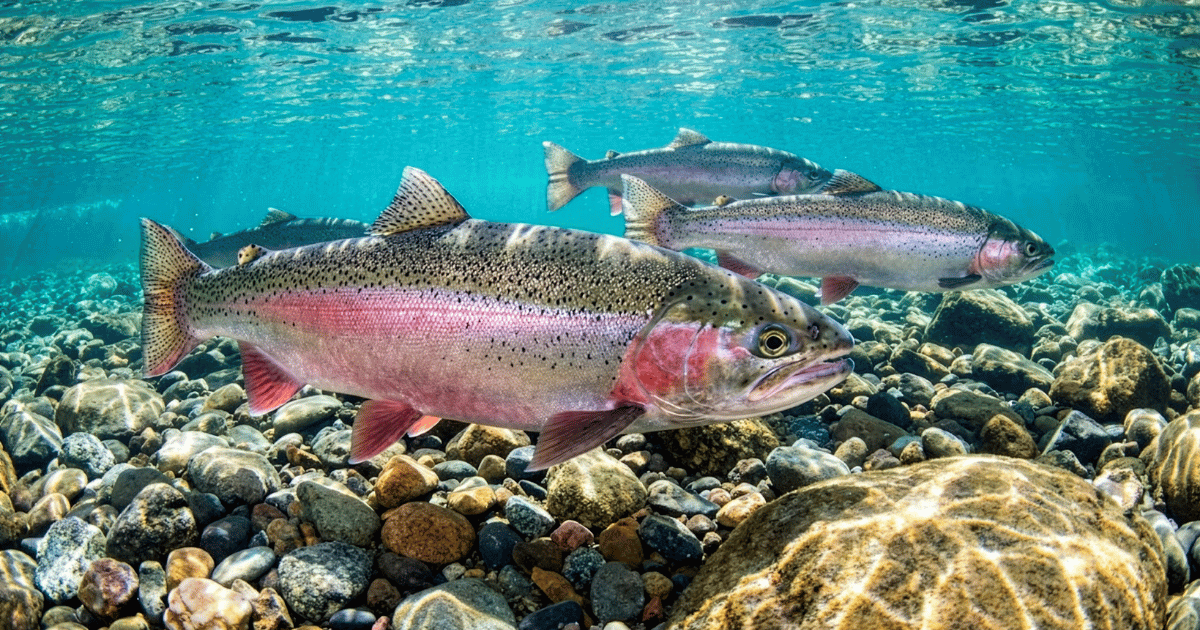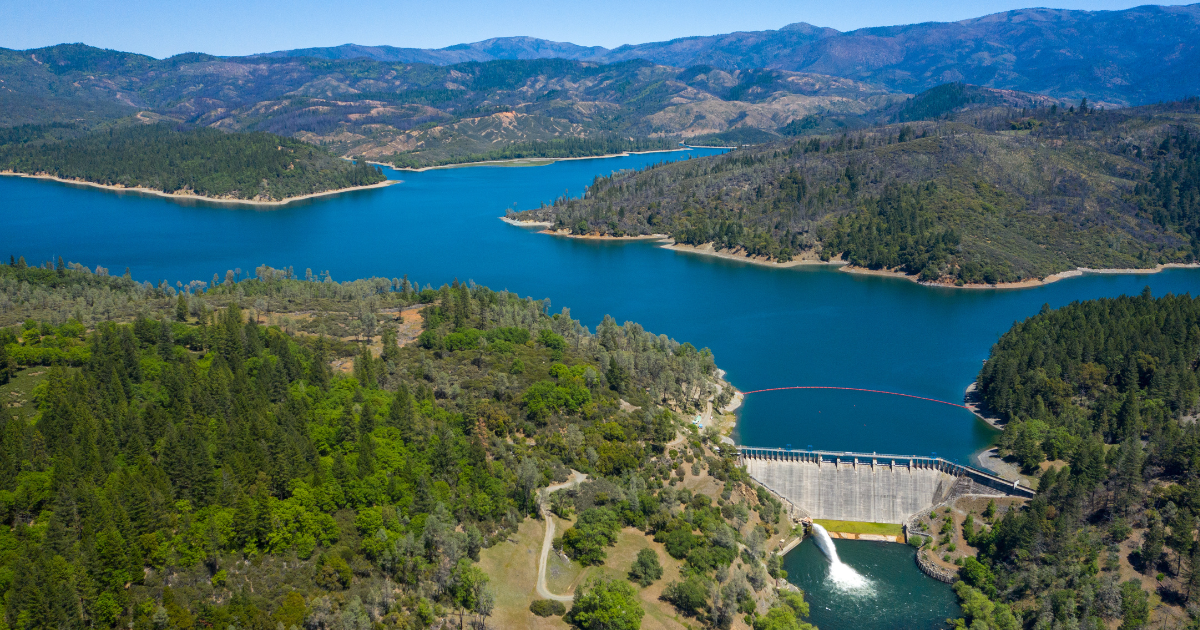
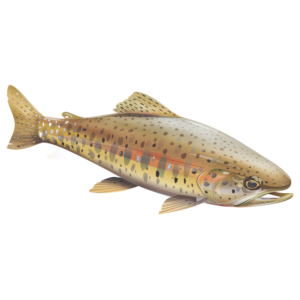
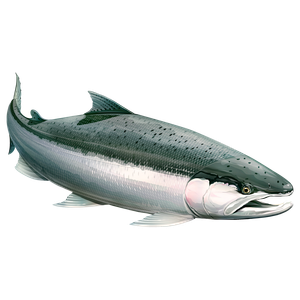
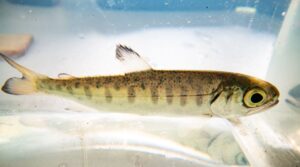
The hatchery designed to mitigate the damage done to the Klamath River’s steelhead and stocks by dams appears to be hastening the demise of wild populations, at least according to a study done by the UC Davis Center for Watershed Sciences’ Rebecca Quinones.
Her conclusions are more dire than many expected:
These hatcheries were built with the good intentions of supplementing wild populations of salmon and steelhead. But the hatchery fish may actually be replacing naturally spawning wild salmon and steelhead in many streams, resulting in runs dominated by genetically and behaviorally uniform fish. Such fish are much more vulnerable to vagaries in natural conditions, such as rearing conditions in the ocean, make them prone to long-term declines.
My recent research on Klamath fisheries indicates that interactions with hatchery fish are facilitating the decline of certain runs of wild Klamath River fish, particularly steelhead trout. I analyzed trends in the number of wild and hatchery Chinook, coho and steelhead spawning in the Klamath River system and returning to the hatcheries. I also modeled the effects of hatchery releases and returns and several other stressors on four runs of wild salmon and steelhead in the basin.
The problem is this; wild fish stocks are typically genetically diverse, which helps them survive better when their environmental conditions change. Hatchery fish, by contrast, come from a relatively small gene pool, , and the resulting monoculture is far more susceptible to environmental changes (like poor ocean conditions).
The result of monocultures are boom and bust population cycles and populations exceedingly vulnerable to extinction.
Damage to wild salmon stocks at the hands of hatchery fish is commonly recognized, but worryingly, Quinones sees even more severe impacts on the Klamath’s wild steelhead populations, which many thought were in good shape:
My results suggest that hatcheries’ harm to wild salmonids spans the entire Klamath River basin. The trends are even more dire for wild steelhead, previously thought to be the most stable population in the basin. For fall Chinook salmon, the decline is concurrent with increases in hatchery returns – a trend that could lead to a homogenous population of hatchery-reared Chinook.
Clearly, the future of the Klamath’s wild steelhead and salmon stocks remains grim unless hatchery interference is reduced and new spawning habitat for wild stocks is opened — exactly the kind of remedy offered by dam removal and the Klamath Basin agreements.
Otherwise, one of California’s most-prolific salmon watersheds (the Sacramento suffers from the same problem)) will see its wild salmon (and steelhead) stocks largely replaced by hatchery monocultures.