


In what will probably be viewed as a landmark decision, the U.S. 9th Circuit Court of Appeals has ruled that suction dredge mining permits can’t be issued in sensitive areas without an Endangered Species Act (ESA) review.
In simple terms, the ESA trumps the 1872 Mining Act.
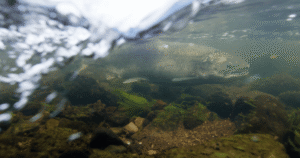
The ruling comes as a result of a lawsuit filed by the Karuk Tribe, who sought to protect endangered coho salmon from suction dredge mining.
The Los Angeles Times story says:
Recreational gold mining using suction dredges along Northern California’s Klamath River must be reviewed by federal wildlife officials if threatened coho salmon might be harmed, a federal appeals court ruled Friday. The 7-4 ruling by the U.S. 9th Circuit Court of Appeals found that the U.S. Forest Service violated federal endangered species protections by approving the mining practice along the Klamath without consulting wildlife officials.
Recreational gold mining using suction dredges along Northern California’s Klamath River must be reviewed by federal wildlife officials if threatened coho salmon might be harmed, a federal appeals court ruled Friday.
The 7-4 ruling by the U.S. 9th Circuit Court of Appeals found that the U.S. Forest Service violated federal endangered species protections by approving the mining practice along the Klamath without consulting wildlife officials.
And while the decision clearly impacts suction dredge mining along sensitive portions of the Klamath River, its shockwave may well spread much, much farther. This from the Karuk Tribe press release:
“This decision sets a major precedent across the western states,” said Roger Flynn, lead attorney representing the Tribe, and the Director and Managing Attorney of the Western Mining Action Project, a Colorado-based non-profit environmental law firm specializing in mining issues in the West. “The government and miners had argued that the archaic 1872 Mining Law, which is still on the books today, overrides environmental laws such as the Endangered Species Act. The Court flatly rejected that untenable position.” said Flynn.
“This decision sets a major precedent across the western states,” said Roger Flynn, lead attorney representing the Tribe, and the Director and Managing Attorney of the Western Mining Action Project, a Colorado-based non-profit environmental law firm specializing in mining issues in the West. “The government and miners had argued that the archaic 1872 Mining Law, which is still on the books today, overrides environmental laws such as the Endangered Species Act. The Court flatly rejected that untenable position.” said Flynn.