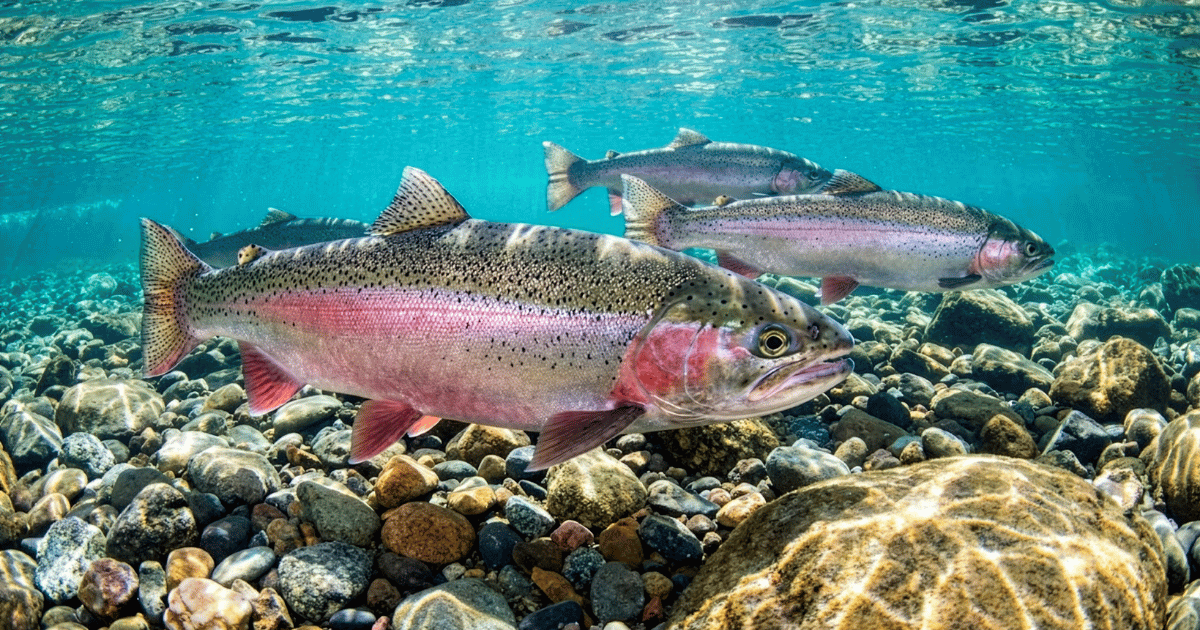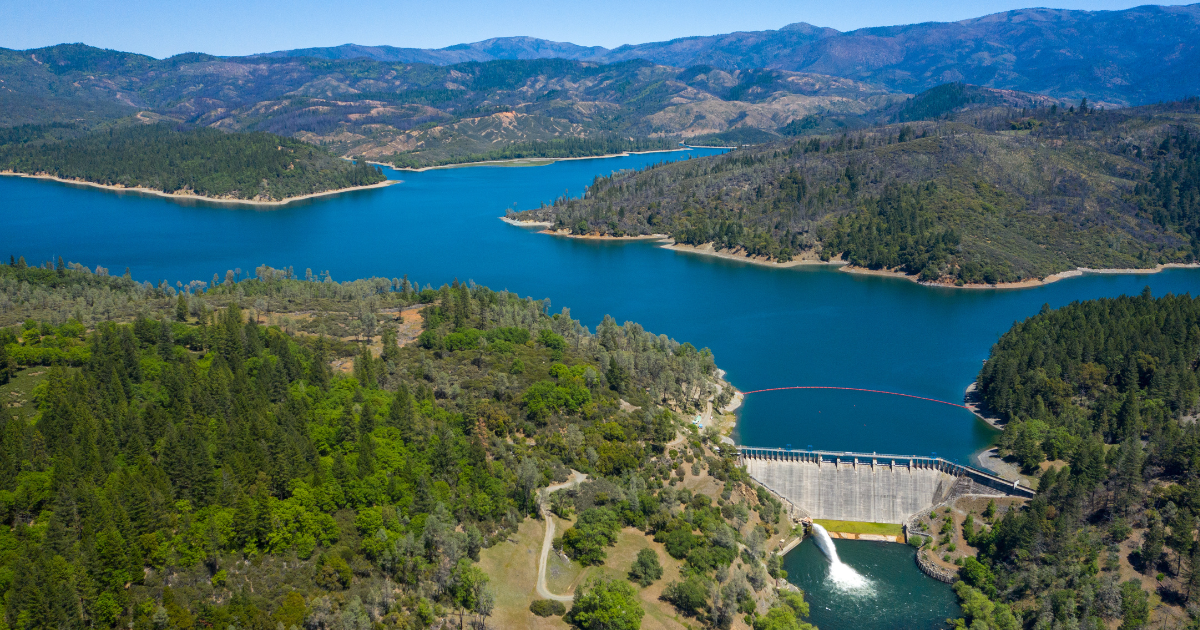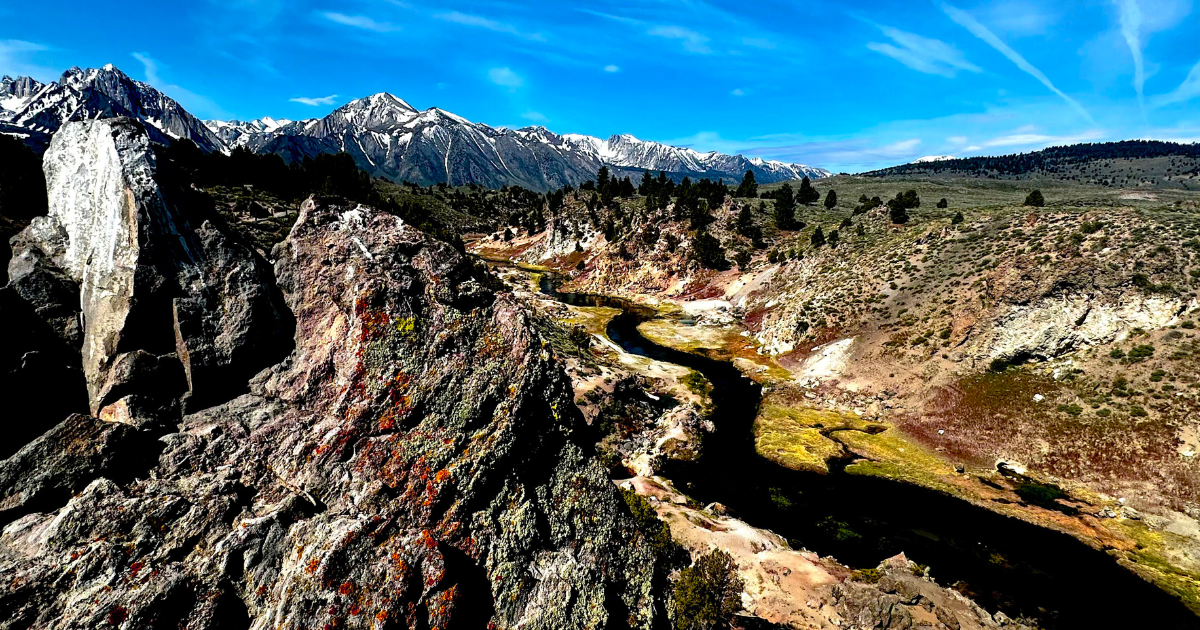
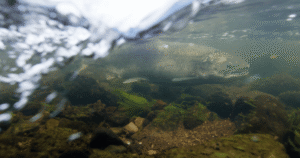
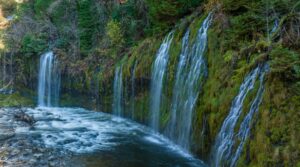
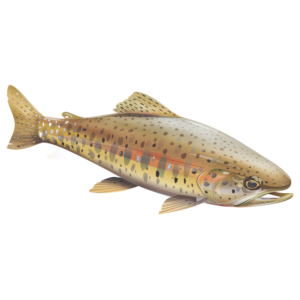
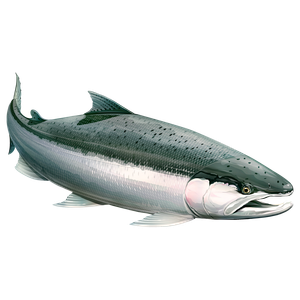
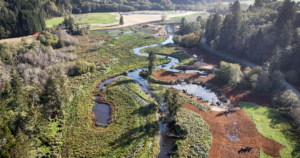
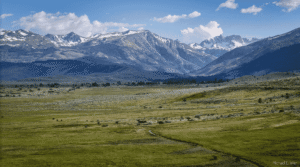
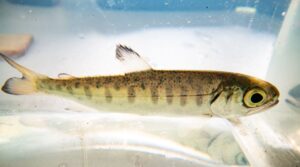
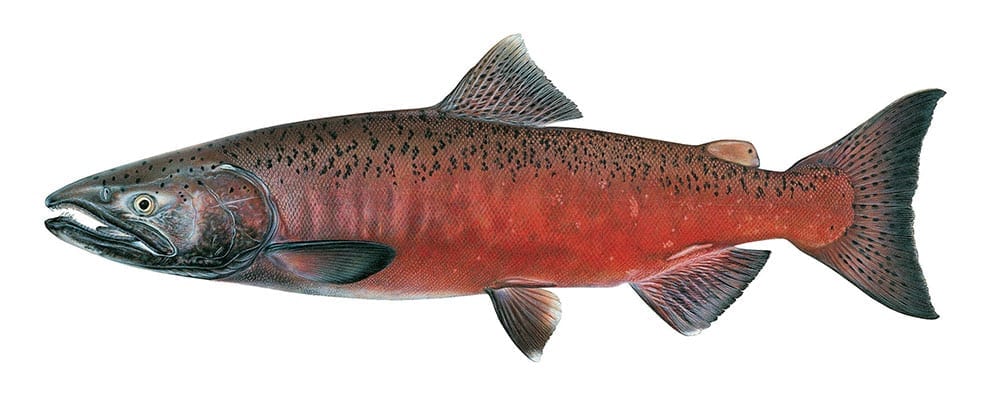
The drought is putting winter-run on the edge. Unlike other Central Valley runs, their eggs incubate in early summer and hatch out during the hottest time of year. Historically this worked in the cold spring-fed waters of the McCloud River, where the winter-run, a run of salmon unique to the Sacramento River system and not found anywhere else on Earth, spawned before construction of Shasta Dam. Today, they are relegated to a small area below Shasta Dam. When the cold-water pool in Shasta runs out, winter run get hit hard, as yesterday’s Sacramento Bee article explains. The building of Shasta Dam put this species on the edge of extinction—they were the first California salmon to be listed as an Endangered Species in 1994. Species on the edge don’t have the resiliency to withstand out-of-ordinary conditions.
“Chinook salmon are among the hardiest, most robust fish that we know of,” said Jon Rosenfield, a biologist with the nonprofit Bay Institute. “Even if you don’t care about fish, the fact that Chinook salmon can’t survive in the Sacramento River is a testament to how poorly we treat our rivers.”
Read the full article here.
Can the winter-run be saved? Wet times and more water will help, but, in the long-run, prospects are poor given that the majority of historic habitat for winter-run are above Shasta Dam. The removal of dams on Battle Creek will help, which is currently underway. In an earlier post we talked about the complex issue of trucking winter-run around Shasta Dam into the McCloud. And remember, this is trucking winter-run into a part of the McCloud where 80% of the spring water is diverted to the Pit River. We’re taking them from one altered system into another.
To reverse the trend we need to improve the long-term management of the cold water pool in Shasta, with the right priorities and balance for fish, farms, commerce and community. We also need to expand access to floodplain habitat for all young salmonids as they head to sea. Also critical is the need to reduce the straying of adult winter-run into agricultural canals. Hopefully these efforts will be enough to stave off extinction of winter-run so they don’t go the way of California’s first extinct salmonid, and another McCloud River native, the bull trout.