
Voices of Lower Sacramento River Watershed: Lee Marshall
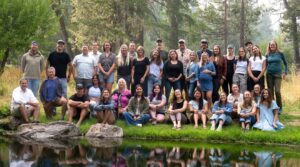
Lee Marshall is a resident of Manton, CA and serves on the board of the Battle Creek Watershed Conservancy
Reviving Battle Creek: A Vital Sacramento River Tributary
by Alisan Theodossiou, CalTrout Senior Communications Manager
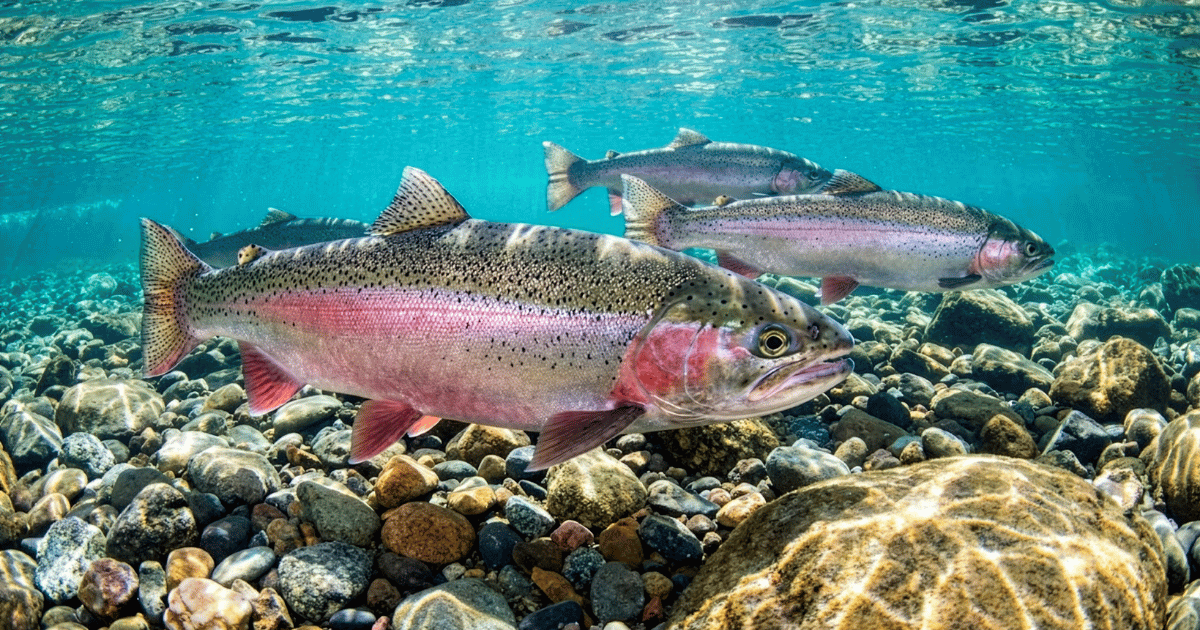
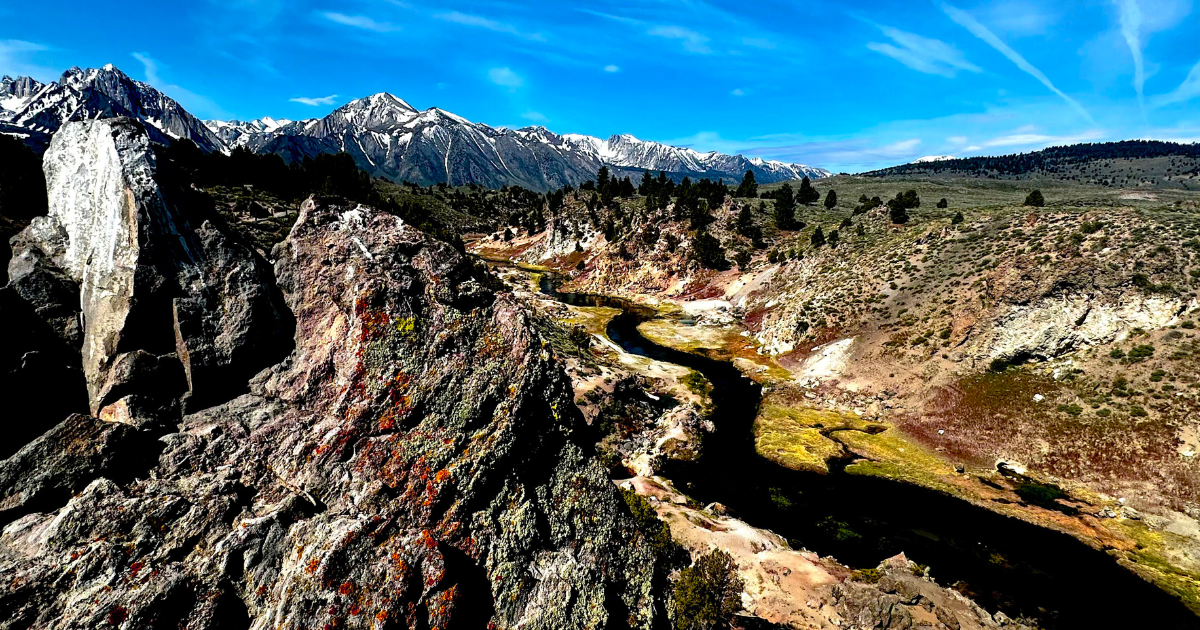
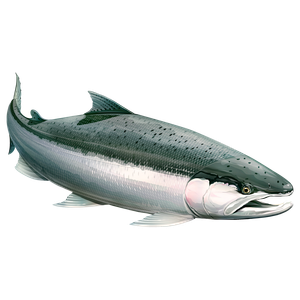
In the heart of California, nestled between the whispering pines and cascading rivers, lies the Lower Sacramento River watershed and its significant tributary, Battle Creek. The creek’s importance to the local ecosystem, native fish, and the communities it sustains cannot be overstated. “The volcanic activity in the region of Battle Creek makes it an especially interesting waterway worth protecting,” explains Lee Marshall, a board member of the Battle Creek Watershed Conservancy. “With Mt. Lassen last erupting in 1915 and other nearby larger volcanic eruptions thousands of years ago, volcanic soil is spread throughout, meaning the groundwater filters slow. This gives rise to the year-round cold water found at Battle Creek, making it crucial habitat for endangered winter-run Chinook salmon.”
Recently, we had the opportunity to sit down with Lee to discuss ongoing conservation efforts in the watershed and the crucial roles California Trout (CalTrout), the Conservancy, and other partners play in this process.
Marshall is a resident of Manton, California, which sits at the heart of the watershed near the North Fork of Battle Creek. His involvement with the Battle Creek Watershed Conservancy, a community organization focused on both the environmental and economic health of the watershed, has been ongoing for the past two years.
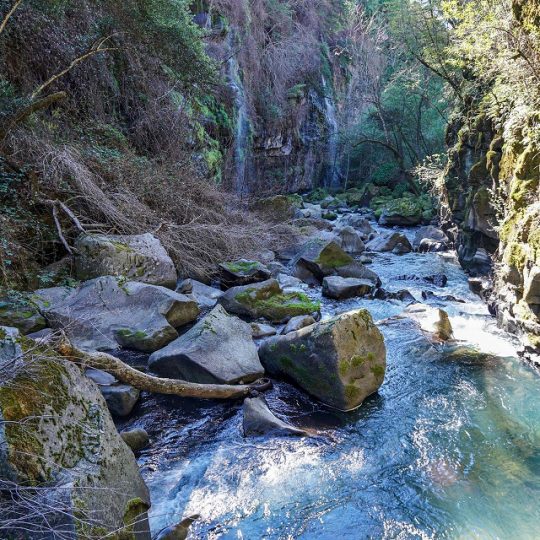
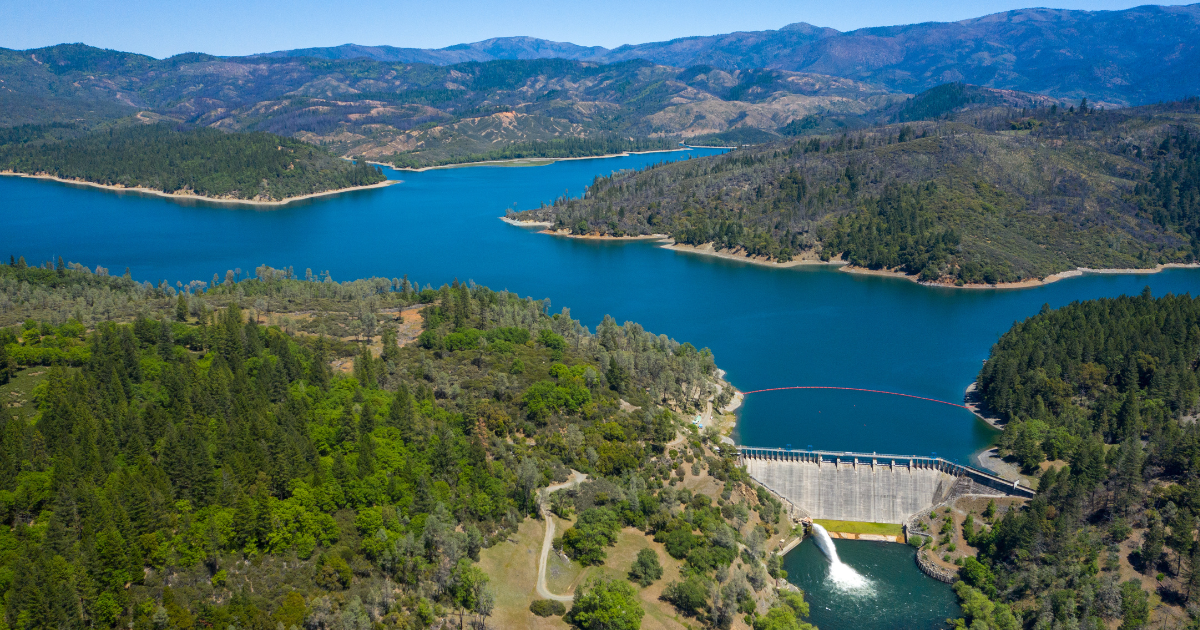
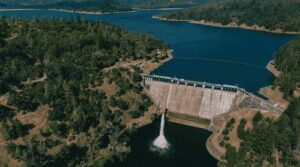
Speaking of the Conservancy’s work, Marshall emphasized, “We’re concerned about local water rights, making sure that both the community and the environment have access to great water resources.” The Conservancy is currently concentrating on restoring fish passage to Battle Creek as part of a a Chinook and steelhead restoration project partnering with a variety of federal and state agencies. “There are several hydroelectric plants, diversions, and dams along the South Fork and North Fork Battle Creek that block crucial fish passage to the cold, clean headwaters,” explained Marshall. “Pacific Gas and Electric has apparently decided that the projects are no longer economically viable, so we’re starting to weigh in on the decommissioning process with PG&E and FERC.” Battle Creek is considered one of the most important anadromous fish spawning streams in the Sacramento Valley.
Marshall expressed that the Conservancy is hopeful that the decommissioning process can be expedited to benefit the community, the environment, and native fish. To do so, they’ve been working closely with various organizations, including CalTrout, to accelerate decommissioning and get all stakeholders to the same table. The Conservancy is also assisting CalTrout with community engagement, access issues, and plans to assist with local stream monitoring and data analysis.
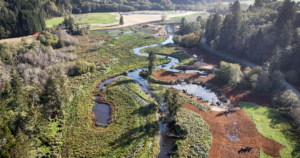
The Battle Creek watershed, over time, has been significantly impacted by various factors, including the construction of dams and changes in land use. Despite these challenges, Marshall is optimistic about the watershed’s future. He envisions a fully restored Battle Creek watershed, one in which the watershed is free from hydroelectric complications and the North and South Fork water is no longer mixed, eliminating confusion for spawning fish.
“Right now, we’re mixing North Fork water with South Fork water, which can be confusing for the fish, trying to decide which way to go to get back for spawning purposes,” said Marshall. “I’m very hopeful that we can solve the PG&E hydroelectric decommissioning issues as soon as possible.”
Indeed, the journey to restore the watershed’s health will not be easy. It will require the concerted effort of a variety of groups, including local communities and landowners, environmental organizations, and governmental agencies. But with the dedication of individuals like Lee Marshall and the concerted efforts of groups like the Battle Creek Watershed Conservancy and California Trout, there is hope on the horizon. Together, we are dedicated to ensuring the watershed – and the diverse life it supports – thrives for generations to come.
Learn more about our Battle Creek restoration project.