
Another interview with our regional managers — this one with Eastern Sierra/Northern Sierra Regional Manager Mark Drew.
Tell us about yourself and your region.
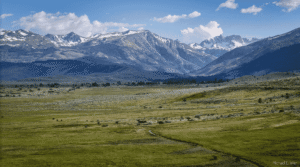
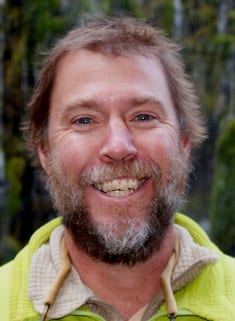
My name is Mark Drew, and I’m the regional manager for the Eastern Sierra and Northern Sierra regions. The Eastern Sierra region stretches from Mono County to the Southern Sierras and includes a lot of popular rivers and streams like Hot Creek, the Walker River and of course the Owens River. To give you an idea of its diversity, my region includes Mt. Whitney and Death Valley — the highest and lowest places in the lower 48.
A significant portion of the region is public land managed by the US Forest Service — which includes a lot of small Sierra creeks — but it’s also a place where the water is scarce, the legal battles over it are significant, and dividing the region’s water fairly is a big challenge.
I’m also managing the Northern Sierra region, where we’re focused on a whole different set of issues.
I formerly worked for The Nature Conservancy in the Caribbean, and hold a PhD in Forestry and Resource Conservation.
Let’s talk about the critical issues facing you in the Eastern Sierra.
Our biggest challenge is the fair use of water resources.
The Eastern Sierra region is unique; water is scarce and much of it is exported, which does not help the fisheries. Nor are the legal issues simple. In some instances, we’re still implementing stream flows stemming from court decisions CalTrout won more than 20 years ago.
Given the complexity of water issues, the best way to shape water use policy is to be in on the planning process. That’s why we’re part of a Mammoth Lakes Basin water quality study that will help determine the overall water quality for key fisheries like Hot Creek and the Owens River.

I’m also proud to say we led the creation of the Inyo-Mono Integrated Regional Water Management Plan (ED: IRWMP) in 2008. The Inyo-Mono IRWMP has become a model of the regional approach to water use, and it now encompasses 11% of the state.
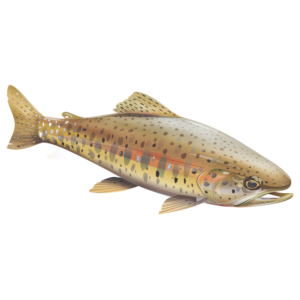
In the Northern Sierra region, Lahontan Cutthroat recovery is the critical challenge. That will continue to happen on a stream by stream basis. Invasive species are also an issue, especially in Lake Tahoe.
What are the long-term issues facing your region?
The long-term issues are probably the same issues we’re dealing with right now — protracted fights over scarce water resources. In the next two decades, forest planning will become a big issue, which is why we’re investing so much time being part of the National Forest planning process, which will affect not just fishing, but grazing, fire fighting, meadow restoration, water management, etc.
I’m optimistic that some of the issues we’re dealing with now will have been resolved in a decade.
Tell us about your favorite place in your region.
Just one? I spend a lot of time in the outdoors, so a lot of the Eastern Sierra seems special to me. The East and West Walker, Kern Plateau’s Golden Trout, and the Devil’s Postpile are all places I’d visit in a heartbeat.
They’re beautiful and very special, even if you don’t fish.