Written by CalTrout Mt. Shasta/Klamath Project Manager Serena Doose
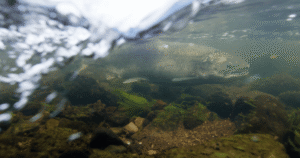
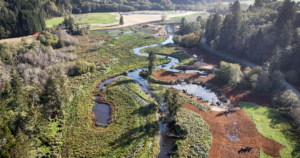
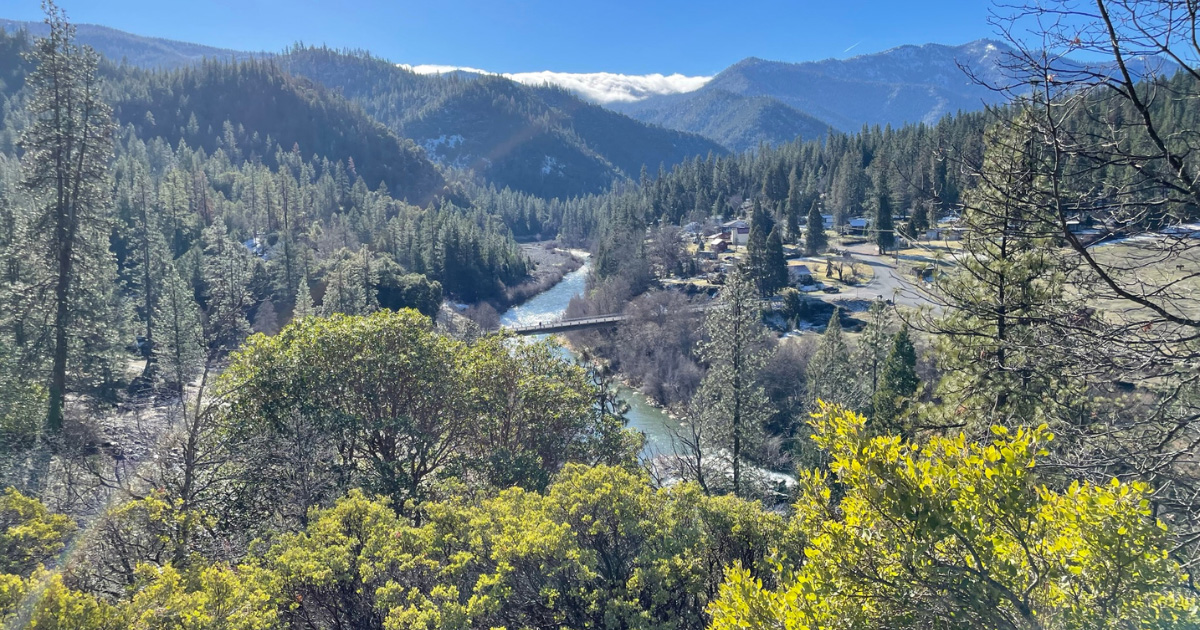
Mill Creek is the lowermost tributary to the Scott River, which consistently generates the largest returns of wild coho salmon in California. During the fall spawning migration for coho and Chinook salmon, Mill Creek is the first tributary they encounter, and one of the only low gradient tributaries in this steep section of the Scott. In the last few years, the mainstem Scott went dry in multiple locations in the summer and early fall, due to drought and late fall rains; these conditions prevented adult salmon from accessing their typical spawning areas and significantly impacted fisheries populations. Restoring a tributary this low in the watershed will ensure that salmon have a place to spawn, and rear, regardless of upstream conditions and drought years.
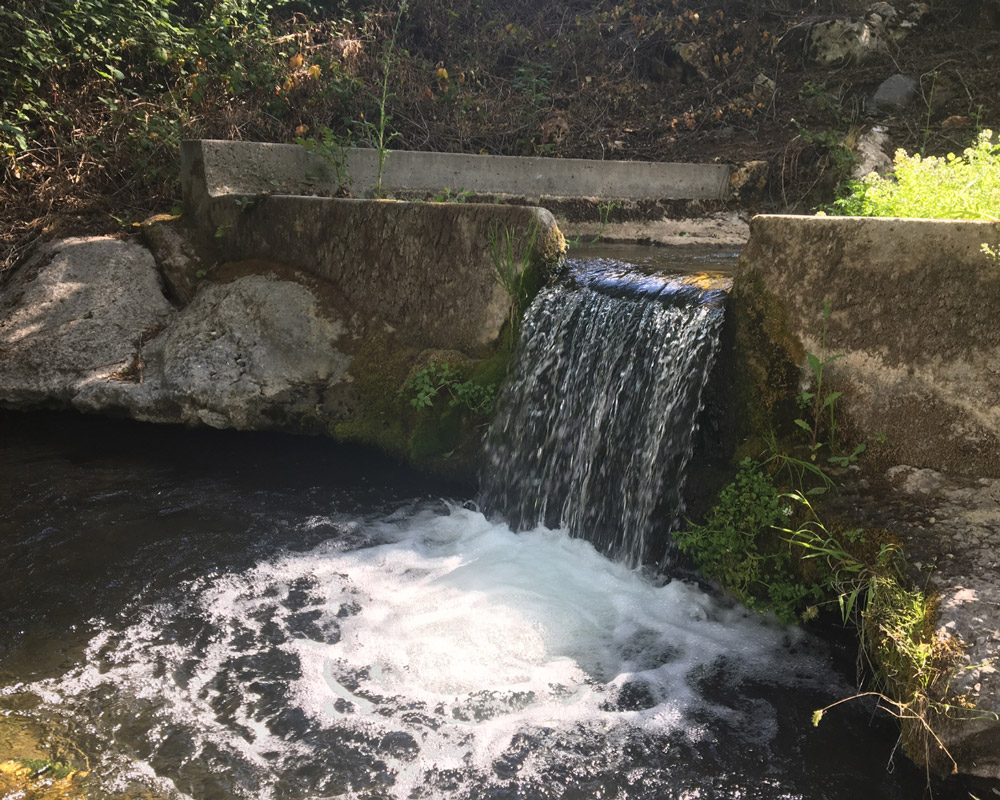
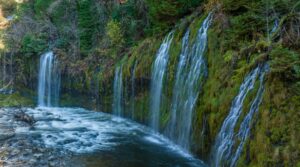
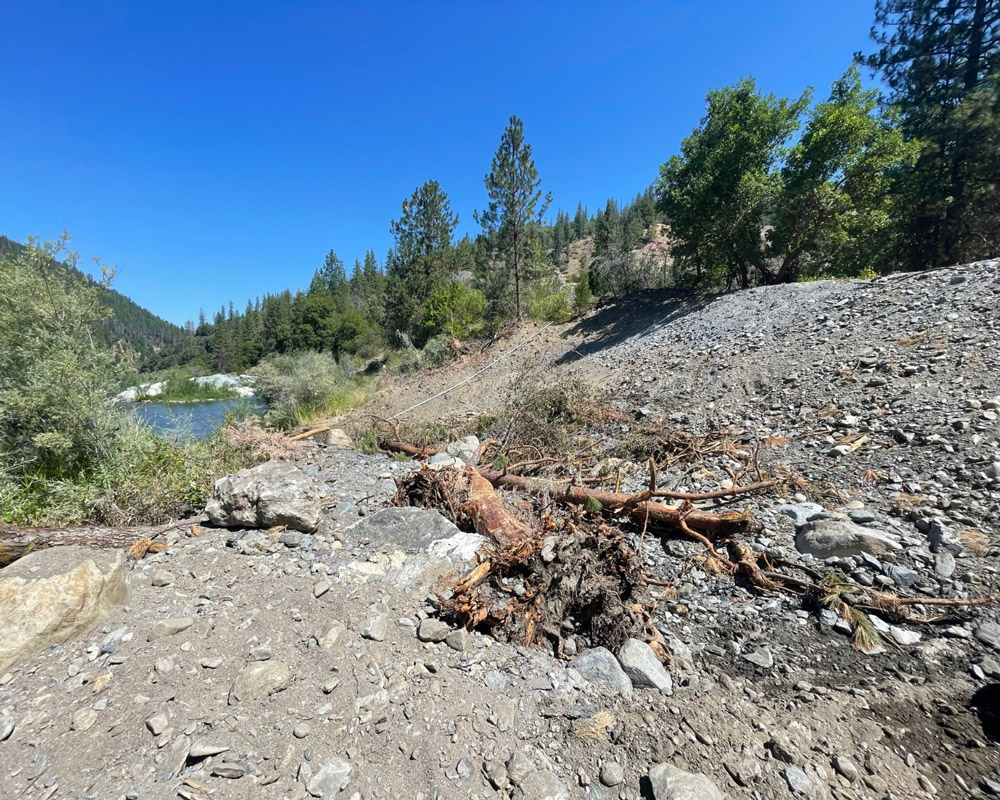
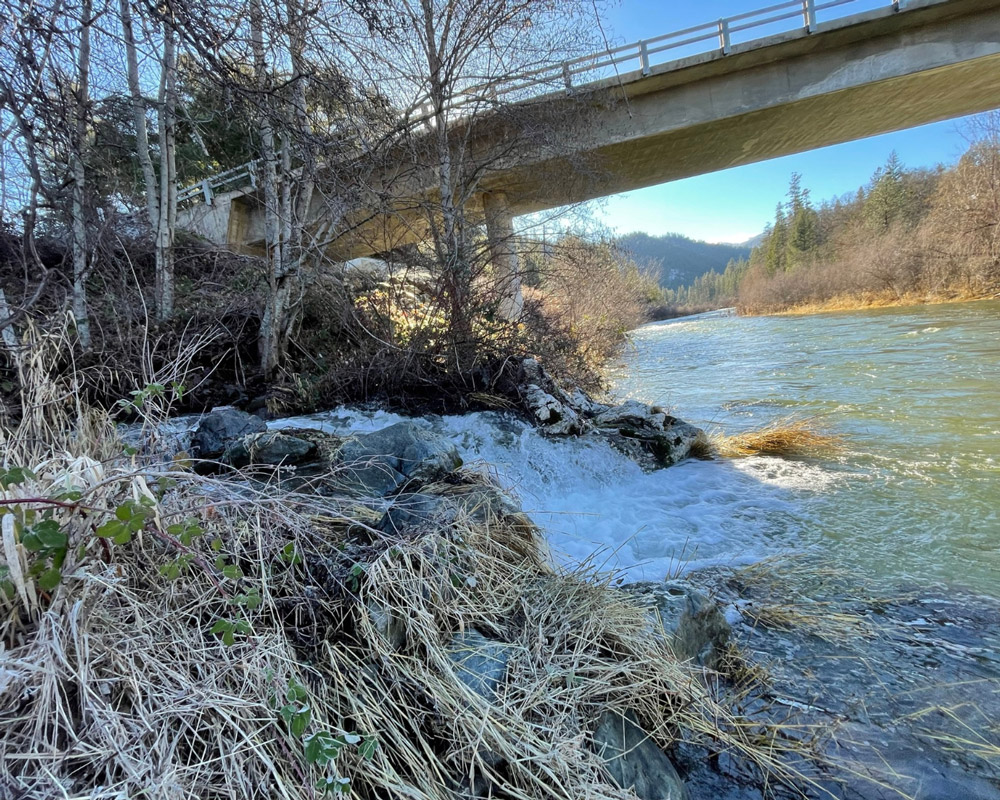
The entire Mill Creek watershed was affected by mining in the early 1900s, and the creek was moved during hydraulic mining activities. Since the 1980s, Mill Creek has been blocked to fish passage during most times of the year by a steep, bedrock cascade at the mouth and an impassable road crossing just 200 feet from its confluence with the Scott River. In July 2023, after much effort by state, federal, tribal partners, and private landowners, construction began on the Scott-Bar Mill Creek Fish Passage Restoration Project. The project will replace the road crossing with a channel spanning bridge, re-profile the channel to improve fish passage, and restore riparian and instream habitat conditions in Mill Creek. CalTrout will restore access to threatened coho salmon, steelhead, and other aquatic species to approximately three miles of year-round, cold water spawning and rearing habitat. Project construction is expected to continue through October 2023.
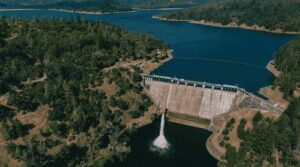
As the Klamath River dams are removed, this project will be especially important for salmon recovery throughout the larger mid-Klamath Basin. By the end of 2024, four Klamath River dams will be removed, which will improve water quality in the mainstem Klamath River, reduce disease, and increase the number of returning adults looking for suitable habitat conditions in historic spawning and rearing streams. Spawning and rearing tributaries to the Klamath, like the Scott River, act as salmon nurseries for the entire basin making our restoration efforts crucial in places like Scott-Bar Mill Creek.
We are thrilled to partner on this project with the California Department of Fish and Wildlife (CDFW), the Karuk Tribe, private landowners, the Siskiyou RCD, and Siskiyou County. We are grateful for our generous funders at the US Fish and Wildlife Service, Wildlife Conservation Board, and CDFW Fisheries Restoration Grant Program.
Restoring Mill Creek is part of CalTrout’s larger vision to enhance and restore fish passage throughout the Scott River watershed. Explore our projects on the East Fork, South Fork, and at Mill-Shackleford bridge.