For Immediate Release: September 20th, 2013
Contact: Meadow Fitton, 530.859/1411
“Water Talks”: Future of Mount Shasta’s Fish and Wildlife in a Changing Climate
Siskiyou County-CA
Shasta County-CA
Mt. Shasta, located at the heart of the Klamath-Cascade region is a mecca for unique fish and wildlife species. A warming climate is expected to alter the habitats these species rely on, and a panel of experts is convening to talk about adaptation strategies.
The public is invited to an educational presentation, “Water Talks: Future of Mount Shasta’s Fish and Wildlife in a Changing Climate” on Wednesday October 2nd 2013 from 6:00 pm to 8:00 pm at the Mt. Shasta Sisson Museum located at 1 North Old Stage Road in Mount Shasta. The informational Water Talks are free and open to the public. This Water Talks program is co-hosted by the Pacific Forest Trust.
[toggle]
“Water Talks: Future of Mount Shasta’s Fish and Wildlife in a Changing Climate” will feature presentations from:
- Dr. Jim Thorne, Climate Scientist, UC Davis on “Climate change and possible consequences to forests, habitats and animals in California”,
- Connie Best, Co-founder and Co-CEO, Pacific Forest Trust on “Working Forest Conservation Easements as a Tool for Wildlife Adaptation”,
- Rich Klug, Wildlife Biologist, Roseburg Resources Co. on “Habitat Enhancement Efforts that Benefit Wildlife,” and
- Robert Lusardi, Fisheries Biologist and Ph.D. candidate, UC Davis Center for Watershed Sciences on “Why spring-fed systems offer a glimmer of hope for coldwater species in the face of a changing climate.”
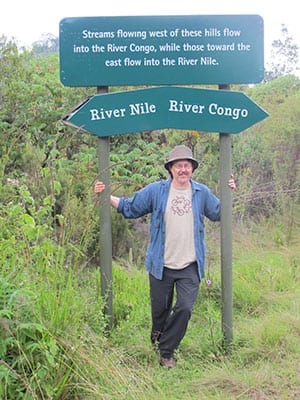
““Models show that climate change will shift temperature and precipitation levels in California. These changes can impact forests in a variety of ways, including drought, heat waves, increased fire risk, and making trees more susceptible to diseases and insect pests. Animals may be forced to move to other locations, either because the climate becomes unsuitable for them, or because the habitats they need start to disappear. In my presentation I’ll provide an overall picture the changes we can expect,” he said.
“The Mount Shasta area has great potential to be resilient in the face of climate change, and a stronghold for wildlife to weather the challenges of changing habitats,” said Connie Best, co-founder and co-CEO of the Pacific Forest Trust. “My presentation will focus on how we’ve been working with local forest owners to develop conservation easements that will help wildlife adapt – while still keeping the land producing wood and jobs,” she explained.
Rich Klug, a wildlife biologist with Roseburg Resources Co. manages habitat enhancement projects. “While our land management strategies are not in place because of climate change, the way we manage habitats benefits wildlife by creating resiliency in the ecosystem” Klug said.
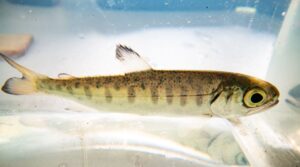
“The cold water springs emanating from Mount Shasta support the unique fisheries of the Shasta River, McCloud River, and Upper Sacramento River,” said Robert Lusardi, a PhD candidate in ecology at UC Davis Center for Watershed Sciences. “My work examines the food web dynamics of these systems and the unique rearing conditions associated with juvenile coho on Big Springs Creek and the Shasta River,” he said. “My talk will focus on this work, and specifically, discuss the potential of spring-fed systems to dampen the effects of climate change on coldwater species.”
Attendees can expect to come away with a better understanding of how scientists expect climate change will impact fish and wildlife in the Mount Shasta region, and on the ground strategies people are working on to help fish and wildlife adapt to a changing climate.
Water Talks are an ongoing series of informational and educational presentations with local and regional experts sharing their knowledge with the public on a range of water related topics. The purpose of Water Talks is to provide a place to learn about water related topics. Water Talks is a project of California Trout. California Trout is a nonprofit organization dedicated to seeking workable solutions for fisheries restoration throughout California.” For more information contact Meadow Fitton, California Trout Outreach Consultant at 530-859-1411 or mfitton@www.caltrout.org. [/toggle]
Pacific Forest Trust’s Co-Founder/Co-CEO to speak on Wildlife Adaptation at “Water Talks” in Mount Shasta
Siskiyou County-CA
Shasta County-CA
The public is invited to a free educational presentation, “Water Talks: Future of Mount Shasta’s Fish and Wildlife in a Changing Climate” on Wednesday October 2nd 2013 from 6:00 pm to 8:00 pm at the Mt. Shasta Sisson Museum located at 1 North Old Stage Road in Mount Shasta.
The purpose of California Trout’s Water Talks program is to provide the public with a place to learn about water-related topics from a variety of perspectives. The topics are generated from the community, and local and regional experts volunteer their time and expertise to share their knowledge with fellow community members.
“One of Pacific Forest Trust’s key focal areas is Mt. Shasta, which is a mecca for fish and wildlife species,” said Connie Best, Pacific Forest Trust’s co-founder and co-CEO. “We suggested the topic of “Future of Mount Shasta’s Fish and Wildlife in a Changing Climate” for California Trout’s Water Talks program, and are co-hosting the program,” she said.
[toggle]
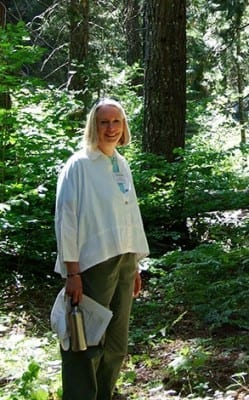
A conservationist and forest owner, Best is a recognized leader in conserving privately-owned working forests for their many public benefits, including wood, water, wildlife – and wonder. Pacific Forest Trust has partnered with landowners and communities to establish working forest conservation easements on 50,000 acres of forestland, including 18,000 acres in Shasta and Siskiyou counties.
“The Mount Shasta area has great potential to be resilient in the face of climate change, and a stronghold for wildlife to weather the challenges of changing habitats,” Best continued. “My presentation will focus on how we’ve been working with local forest owners to develop conservation easements that will help wildlife adapt – while still keeping the land producing wood and jobs,” she explained.
The “Water Talks: Future of Mount Shasta’s Fish and Wildlife in a Changing Climate” program will also feature presentations from:
- Dr. Jim Thorne, Climate Scientist, UC Davis on “Climate change and possible consequences to forests, habitats and animals in California”,
- Rich Klug, Wildlife Biologist, Roseburg Resources Co. on “Habitat Enhancement Efforts that Benefit Wildlife,” and
- Robert Lusardi, Fisheries Biologist and Ph.D. candidate, UC Davis Center for Watershed Sciences on “Why spring-fed systems offer a glimmer of hope for coldwater species in the face of a changing climate.”
Attendees can expect to come away with a better understanding of how scientists expect climate change will impact fish and wildlife in the Mount Shasta region, and on the ground strategies people are working on to help fish and wildlife adapt to a changing climate.
Water Talks are an ongoing series of informational and educational presentations with local and regional experts sharing their knowledge with the public on a range of water related topics. The purpose of Water Talks is to provide a place to learn about water related topics. Water Talks is a project of California Trout. California Trout is a nonprofit organization dedicated to seeking workable solutions for fisheries restoration throughout California.” For more information contact Meadow Fitton, California Trout Outreach Consultant at 530-859-1411 or mfitton@www.caltrout.org. [/toggle]
“Water Talks”: Shasta Valley, Shasta River, Shasta Salmon
Siskiyou County-CA
Shasta Valley’s geology gives rise to its complex groundwater systems, springs that feed the Shasta River, and the unique life histories of its fish.
The public is invited to an educational presentation, “Water Talks: Shasta Valley, Shasta River, Shasta Salmon” on Thursday October 10th 2013 from 6:00 pm to 8:00 pm at College of the Siskiyous Life Science 3 located at 800 College Avenue in Weed. The informational Water Talks are free and open to the public. The program will be informative for people planning to attend The Nature Conservancy’s Open Ranch on the Shasta Big Springs Ranch on October 18th and 19th.
[toggle]
“Water Talks: Shasta Valley, Shasta River, Shasta Salmon” will feature presentations from:
- Bill Hirt, Geology Instructor, College of the Siskiyous on “Geology of the Shasta Valley”,
- Steve Hill, Project Manager, Shasta Valley RCD on “Shasta Valley Groundwater”,
- Dave Webb, Project Manager, Shasta Valley RCD on “Bits and Pieces of Water, Fish and Agricultural Development in Shasta Valley,”
- Amy Campbell, Project Associate, The Nature Conservancy on “Water Transactions Program,” and
- Morgan Knechtle, Environmental Scientist, California Department of Fish and Wildlife on “Status Update on Shasta River Salmon.”
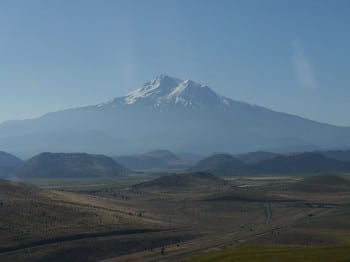
“From ancient marine sediments to young lava flows, the Shasta Valley’s unique geologic history has created its diverse landscape and complex subsurface structure,” said Bill Hirt, geology instructor at College of the Siskiyous. “In this presentation we’ll explore the key geologic events that have shaped the Shasta Valley region,” he said.
“Building upon Bill’s presentation I will share what the Shasta Valley RCD has learned about Shasta Valley’s groundwater sub-areas,” said Steve Hill, a project manager with Shasta Valley RCD.
Dave Webb, also is a project manager for the Shasta Valley RCD, and has been involved in the valley for over 20 years. “I will describe a few important bits and pieces of water, fish and agricultural development in the Shasta Valley. Understanding the past helps to tie together modern day land and water use” Webb said.
“The Nature Conservancy is implementing a Water Transaction Program that partners with willing landowners on negotiating short-term agreements to leave water instream in exchange for fair compensation. This program strategically puts water instream where and when fish need it most,” said Amy Campbell, project associate with The Nature Conservancy.
Morgan Knechtle, an environmental scientist with the Department of Fish and Wildlife will conclude the program with a status update on Shasta River’s salmon. “Drawing upon the presentation I gave at Water Talks last year, my presentation will focus on the status of adult salmonids in the Shasta River including the timing, abundance, age structure and hatchery composition of returning adults” He said.
Attendees can expect to come away with a better understanding of how the Shasta Valley is managed for both agriculture and fisheries, as well as what is unique about the valley’s natural resources.
Water Talks are an ongoing series of informational and educational presentations with local and regional experts sharing their knowledge with the public on a range of water related topics. The purpose of Water Talks is to provide a place to learn about water related topics. Water Talks is a project of California Trout. California Trout is a nonprofit organization dedicated to seeking workable solutions for fisheries restoration throughout California.” For more information contact Meadow Fitton, California Trout Outreach Consultant at 530-859-1411 or mfitton@www.caltrout.org. [/toggle]