Southern California
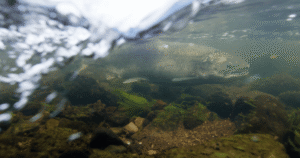
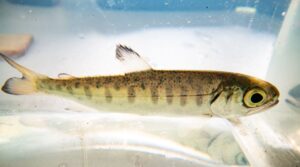
Southern steelhead are the measure of how Southern California’s rivers are doing. Right now, fewer than 500 remain in the wild.
Southern steelhead are the last remaining anadromous salmonid in Southern California, and they are on the brink of extinction. CalTrout’s Southern California team is working to give them a future by removing barriers to migration, reconnecting critical habitat, and bringing together the partners needed to restore healthy, resilient watersheds. Through science, restoration, and collaboration, we’re helping ensure this iconic species can once again thrive in the rivers it has called home for thousands of years.
8
Active projects
500
Adult Southern steelhead estimated remaining in the wild
45+
Coalition partners across two regional coalitions
2
Aging dams set to be removed
Southern california PROJECTS
Explore Southern California projects
Filter projects
9 projects
-
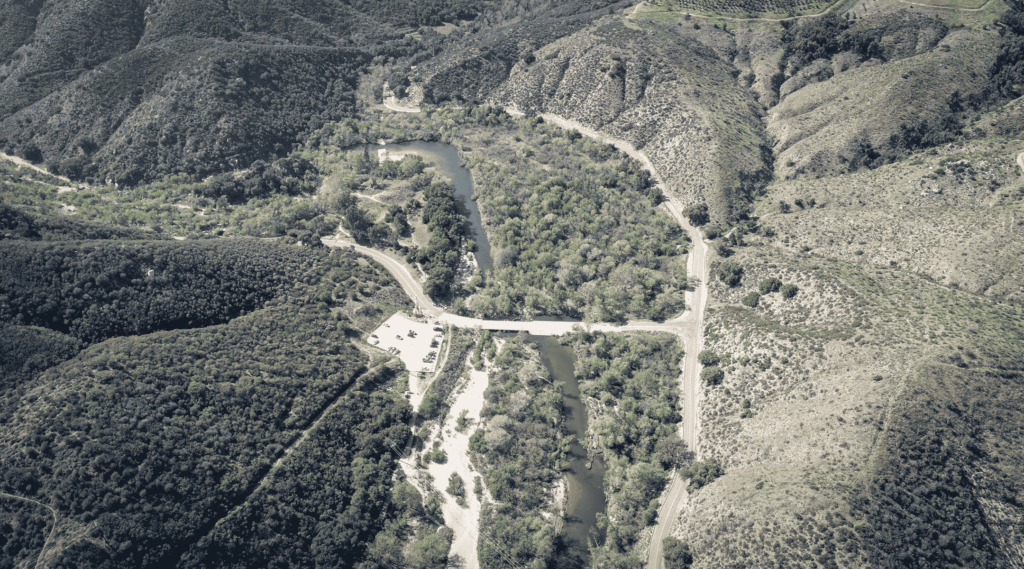
Santa Margarita River Bridge Replacement & Fish Passage Project
Read more →: Santa Margarita River Bridge Replacement & Fish Passage ProjectReplacing a bridge on the Santa Margarita River to reconnect steelhead to habitat and protect a busy crossing…
-
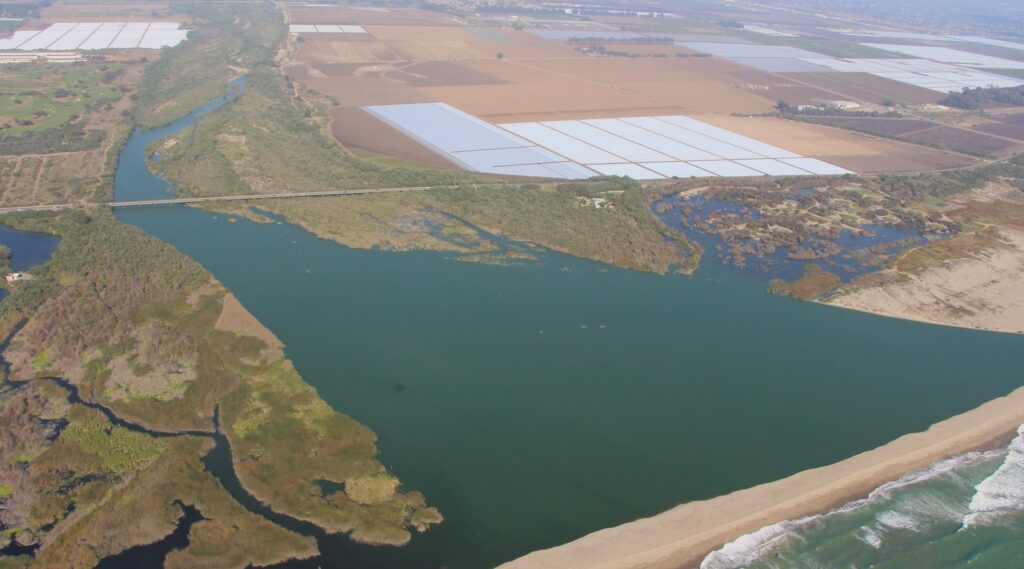
Santa Clara River Floodplain Restoration
Read more →: Santa Clara River Floodplain RestorationRemoved invasive plants to restore 30 acres of riparian habitat along the Santa Clara River, reestablishing critical floodplain…
-
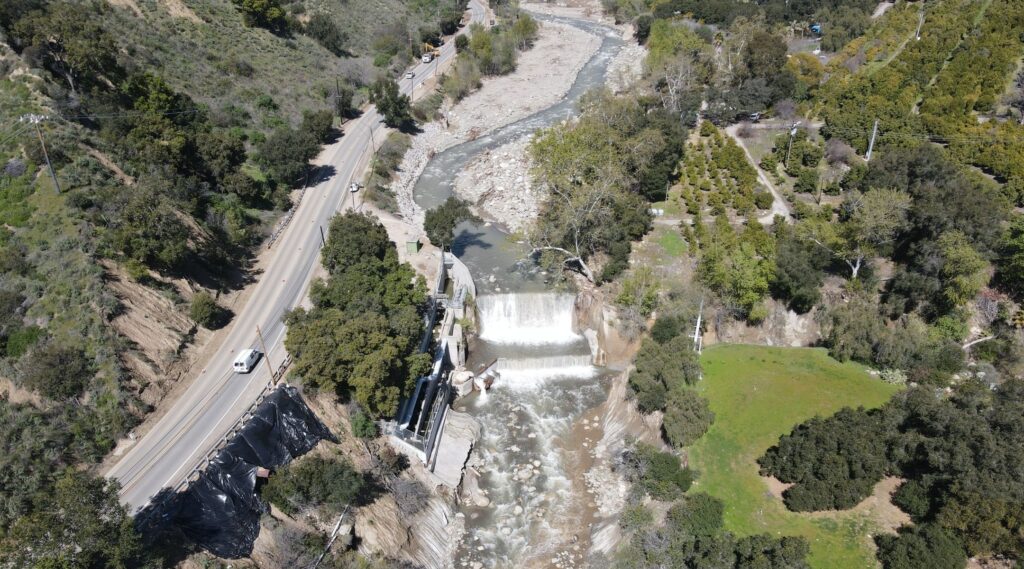
Harvey Diversion Fish Passage Project, Santa Paula Creek
Read more →: Harvey Diversion Fish Passage Project, Santa Paula CreekRemoving a complete fish passage barrier on Santa Paula Creek reconnects up to 18.5 miles of historic habitat…
-
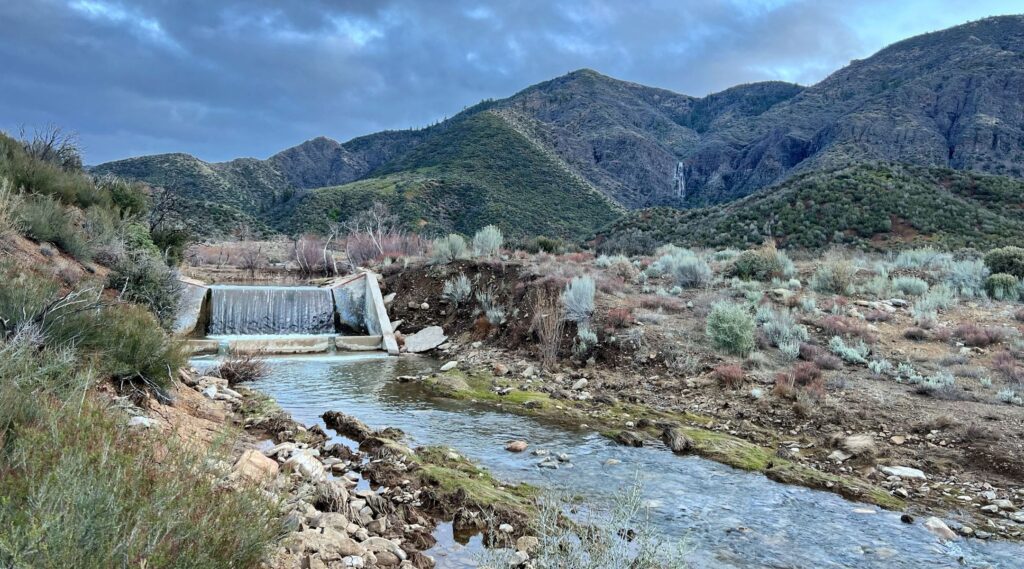
Rose Valley Creek Stream Restoration Project
Read more →: Rose Valley Creek Stream Restoration ProjectRestoring Rose Valley Creek’s spring-fed waters, a Sespe Creek tributary within California’s longest undammed river, to recover endangered…
-
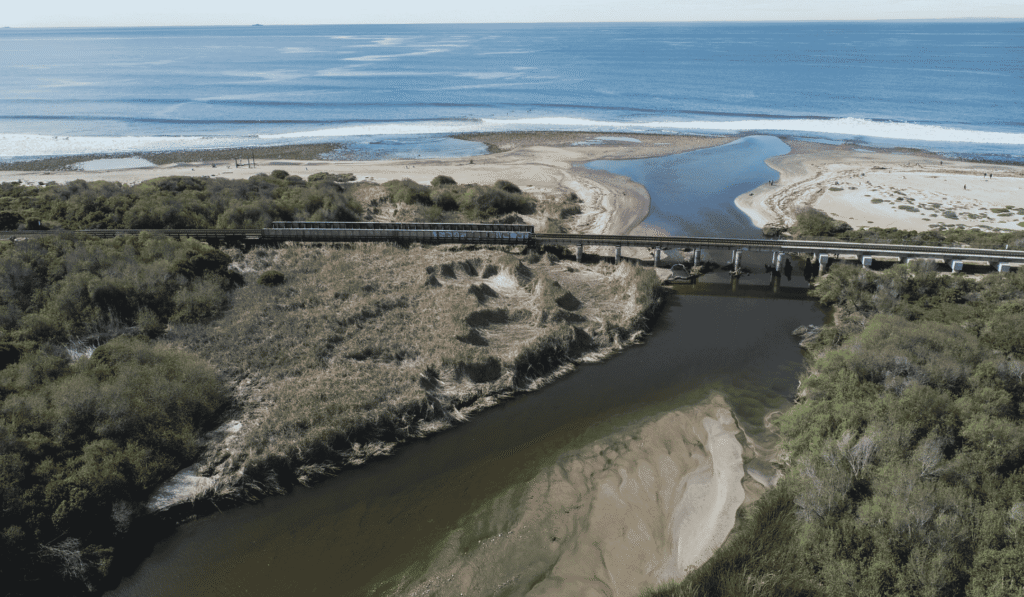
San Mateo Creek Non-Native Removal
Read more →: San Mateo Creek Non-Native RemovalRemoving invasive fish and amphibians from San Mateo Creek to protect critical habitat and restore endangered Southern steelhead.
-
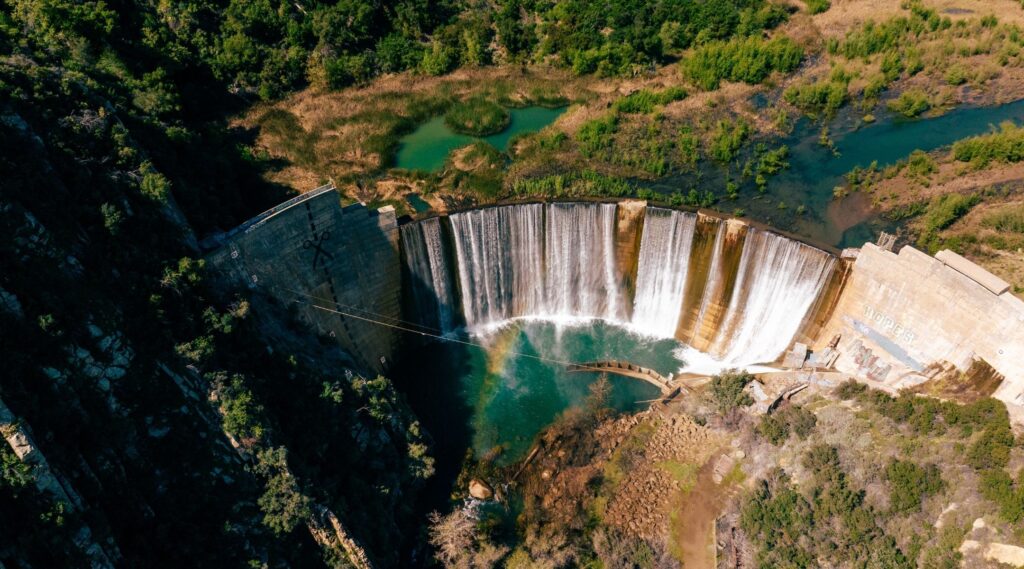
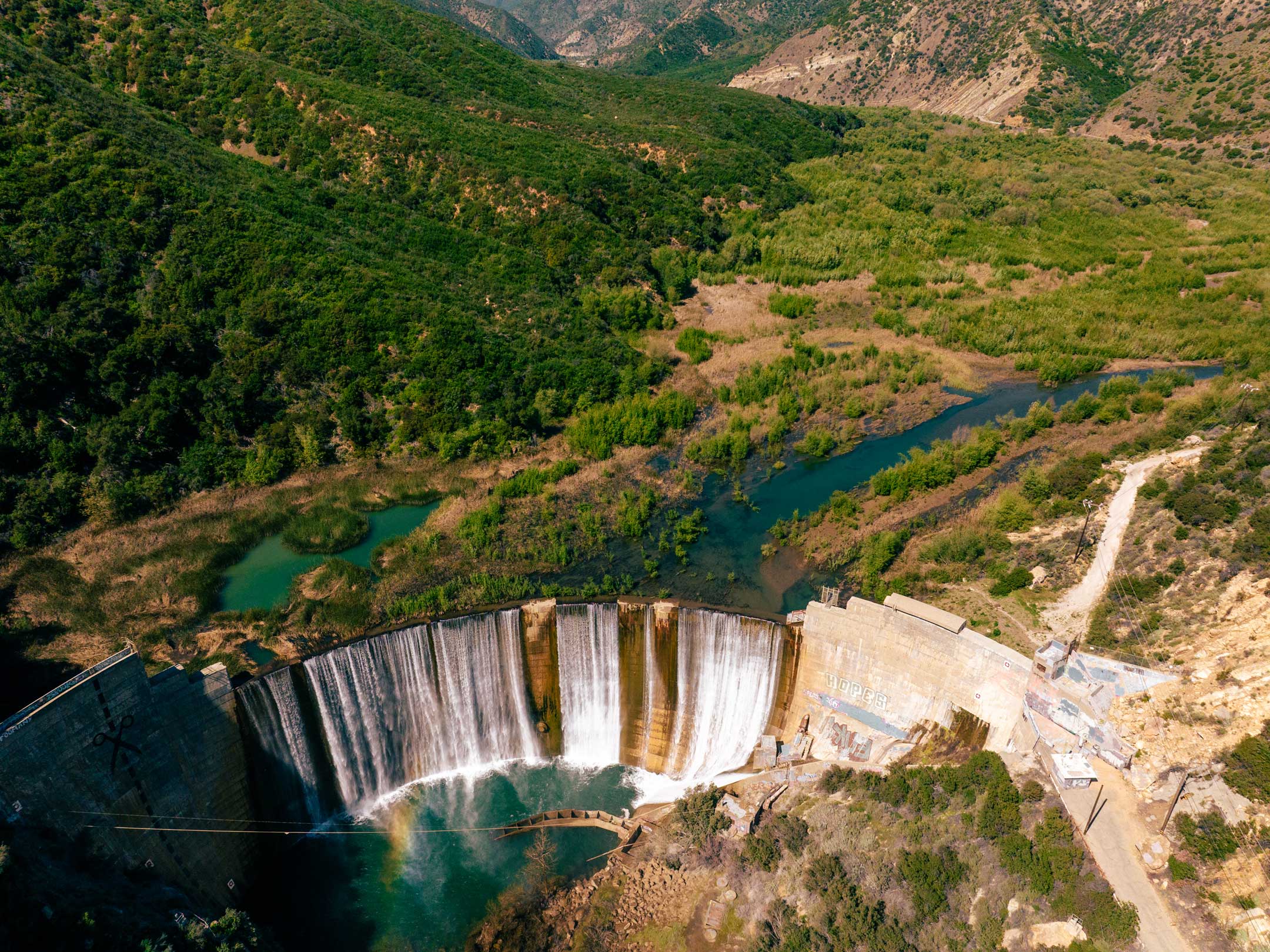
Matilija Dam Removal
Read more →: Matilija Dam RemovalRemoving a 168-foot dam from the Ventura River to clear 9 million cubic yards of sediment and reopen…
-
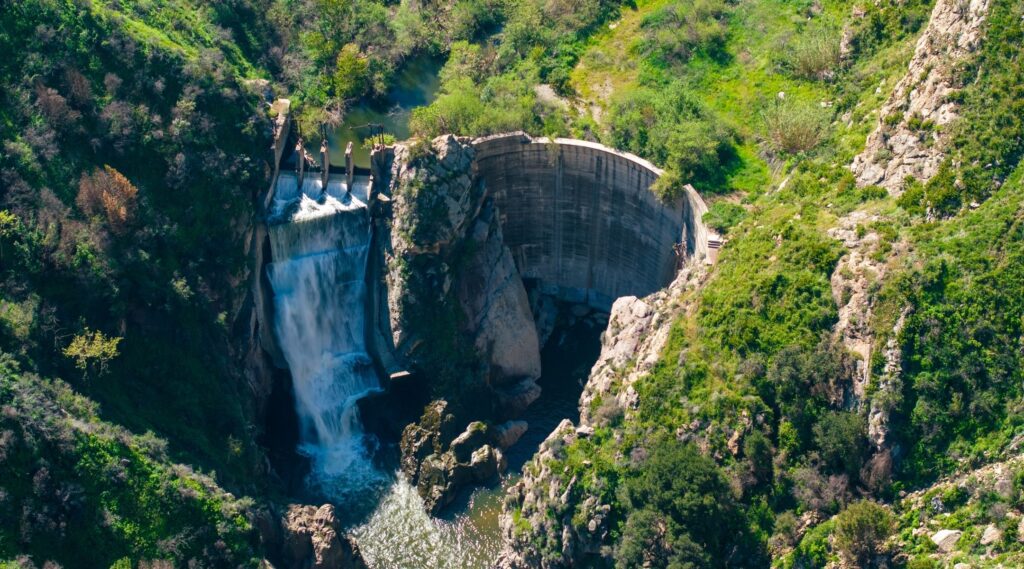
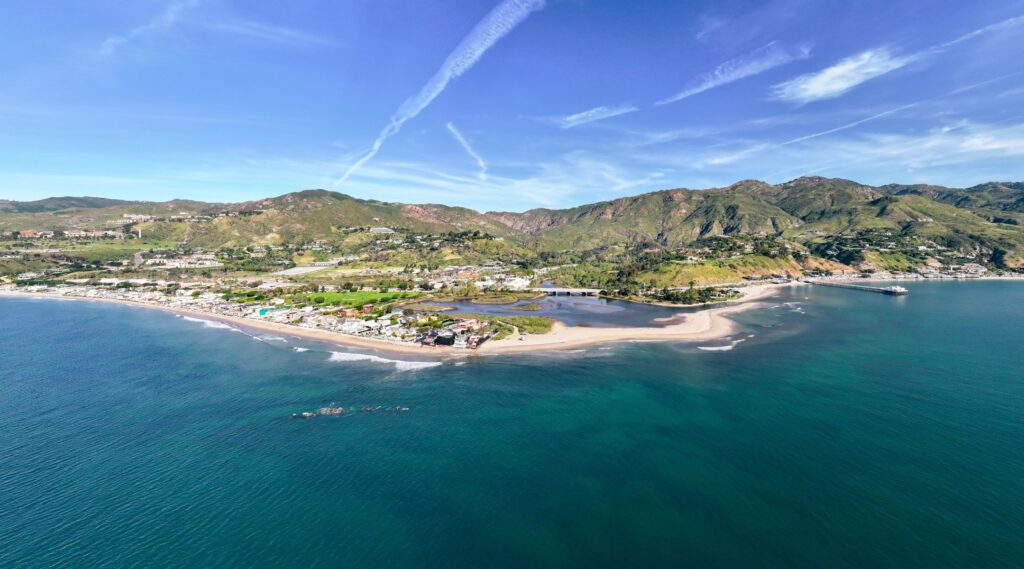
Malibu Creek Ecosystem Restoration Project
Read more →: Malibu Creek Ecosystem Restoration ProjectRemoving a century-old dam in Malibu Creek State Park to reconnect endangered steelhead to 15 miles of habitat…
-
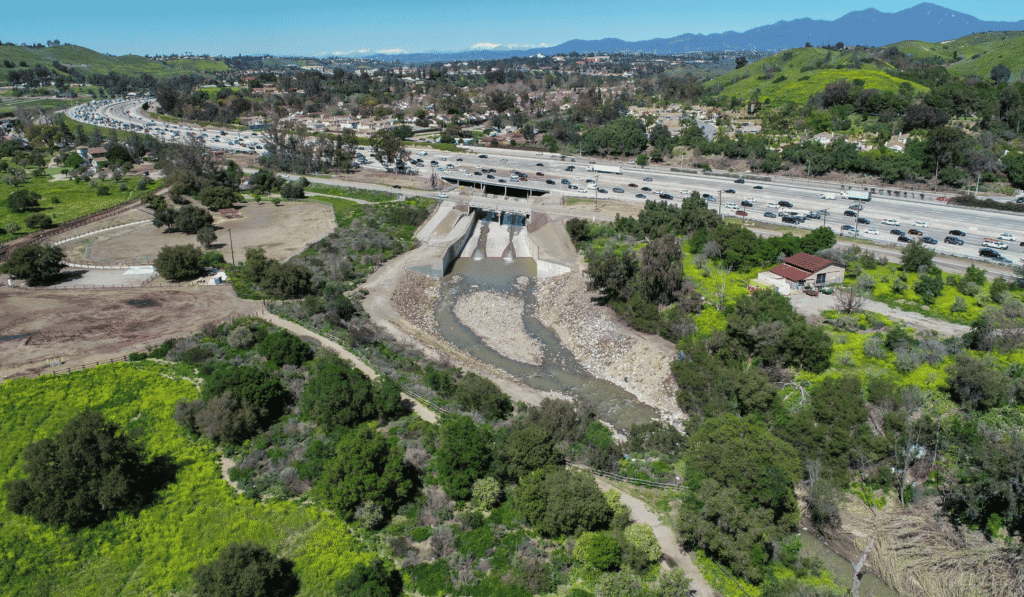
I-5/Trabuco Creek Fish Passage Project
Read more →: I-5/Trabuco Creek Fish Passage ProjectRemoving two urban fish passage barriers on Trabuco Creek to reconnect endangered steelhead to 15 miles of historic…
-
South Coast Steelhead Coalition
Read more →: South Coast Steelhead CoalitionProject Facts LOCATION PROJECT STAGES START DATE PROJECT GOAL Project Goal Threats This is where the content of…
Priority WATERSHEDS
Three featured watersheds, one regional approach.
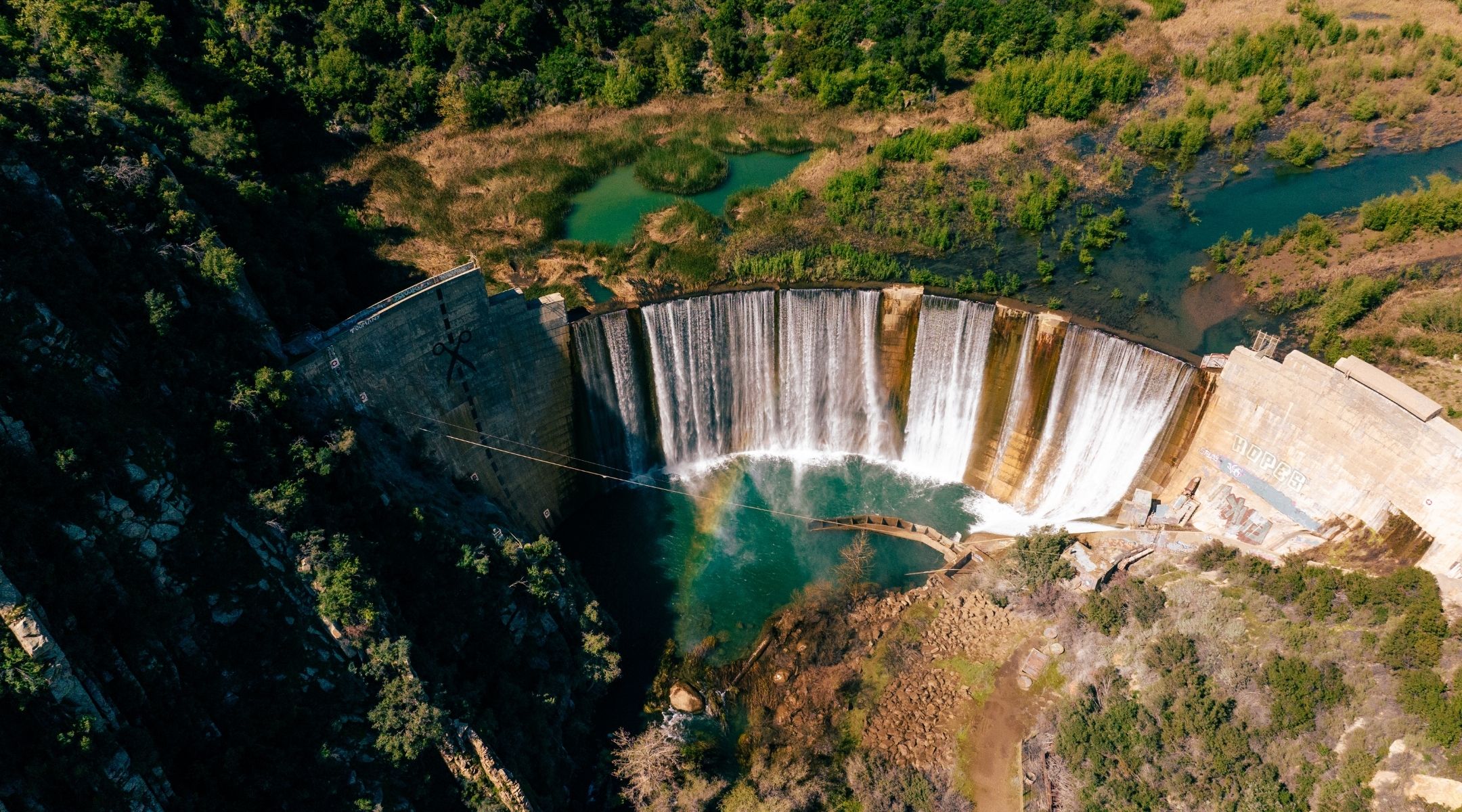
Ventura River Watershed
Disrupted by Matilija Dam, a condemned structure that has blocked steelhead for more than 50 years. Final engineering design for removal is now underway.
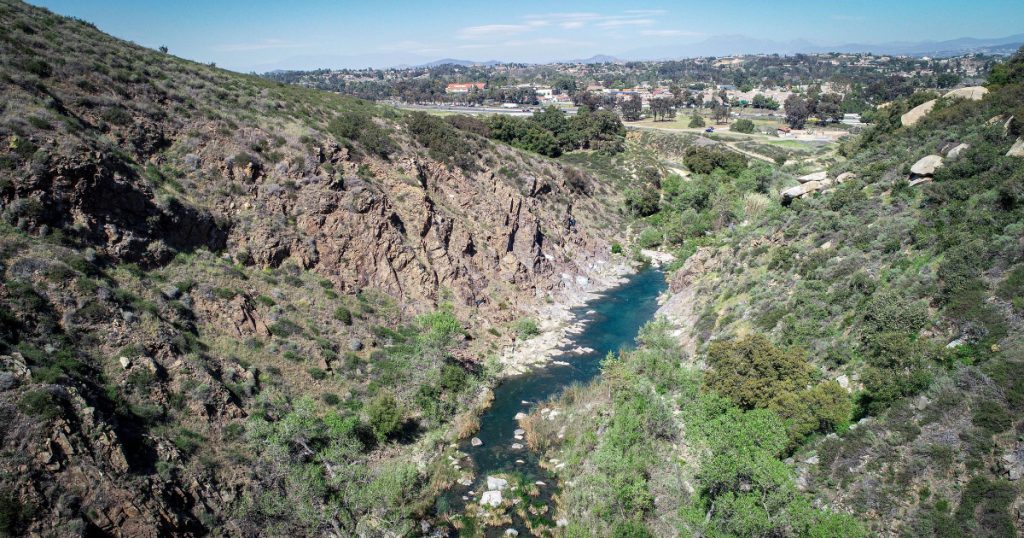
Santa Margarita River
One of the last perennial rivers in Southern California and a prime recovery opportunity. The CalTrout-led bridge replacement project will open 12 miles of pristine spawning habitat.
Trabuco Creek
eDNA sampling in 2024 confirmed steelhead presence here, along with Pacific lamprey and arroyo chub. The I-5/Metrolink Fish Passage Project will remove one of the most significant fish passage barriers in Orange County.
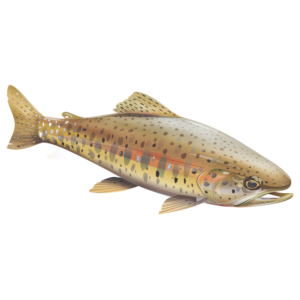
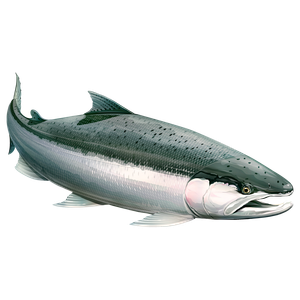
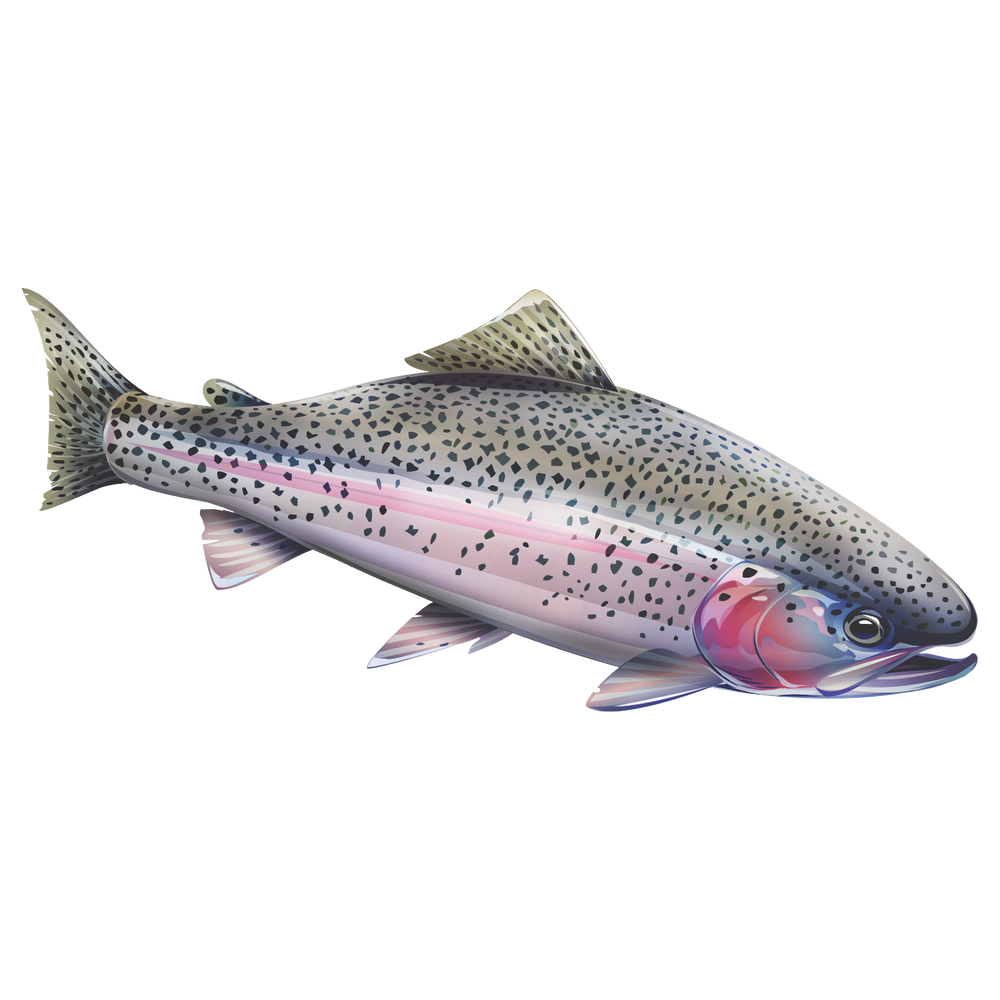
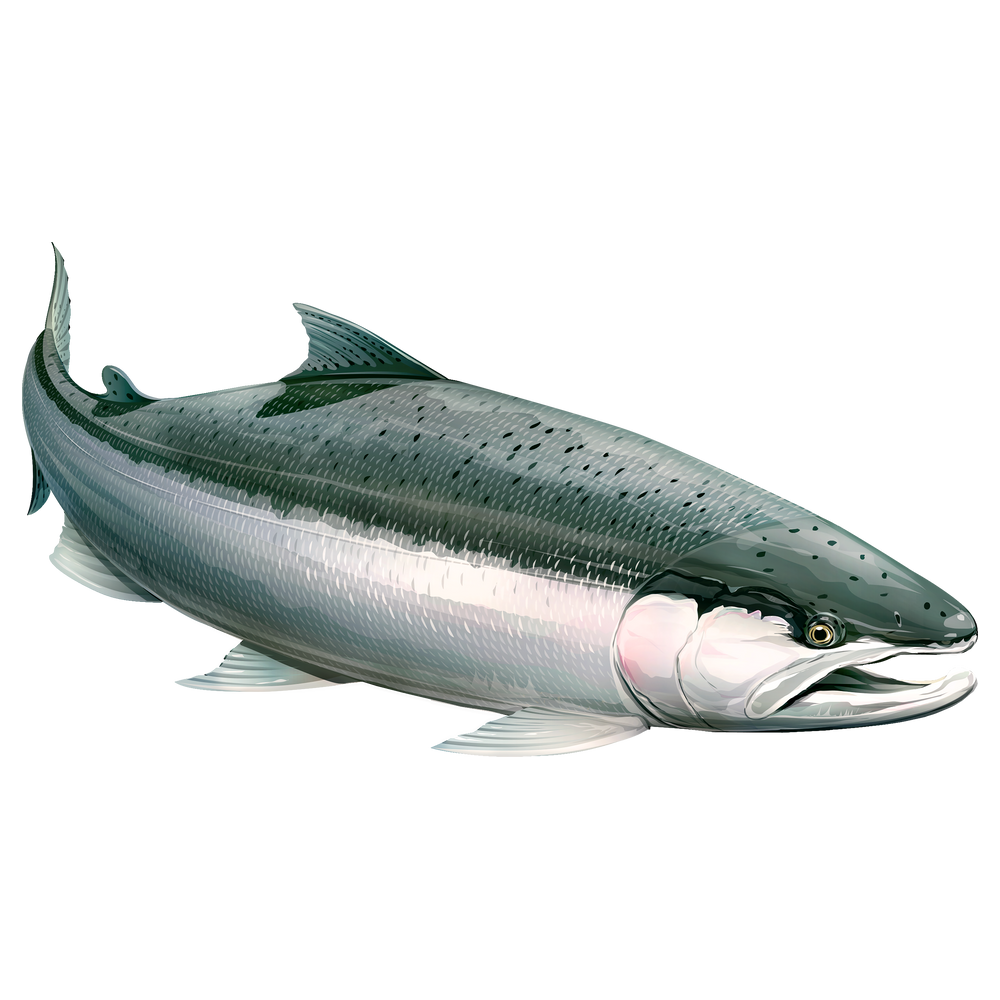
Native Salmonids
Explore Southern California’s native fish.
The salmon, steelhead, and trout of Central California connect Sierra headwaters to the Bay, and reveal the health of the rivers they depend on.
Why this region
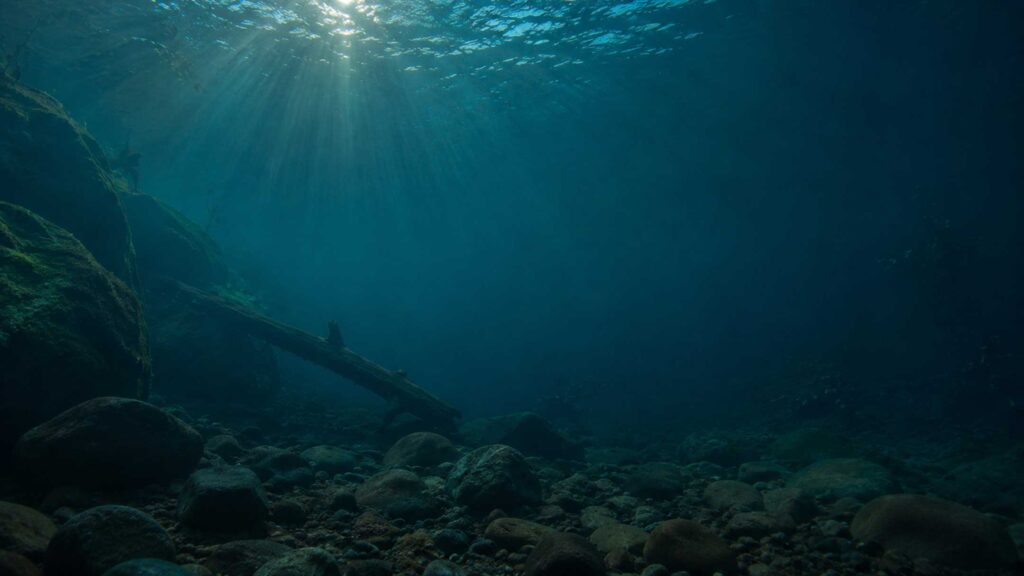
Southern California may be known for its cities and coastlines, but its rivers still support the last remaining population of Southern Steelhead — the region’s only native anadromous salmonid.
From Ventura to San Diego, these fish persist in a handful of watersheds despite decades of urbanization, dams, flood-control infrastructure, and altered streamflows that have dramatically reduced their habitat.
Yet Southern California also offers some of the state’s greatest opportunities for recovery. Major fish passage projects are in development to reconnect rivers that have been blocked for generations, including the Ventura River, Malibu Creek, Trabuco Creek, and the Santa Margarita River. Together, these efforts will reopen dozens of miles of critical habitat, giving Southern steelhead a chance to return to historic spawning grounds for the first time in decades. By restoring rivers to function more naturally, these projects also reduce flood risk, modernize aging infrastructure, improve water quality, strengthen coastal ecosystems, and create healthier, more resilient communities for the people who depend on them. Supported by the Southern Steelhead Coalition and more than 45 partners, CalTrout’s regional team is working across watersheds to remove barriers, restore river processes, and build a future where both people and native fish can thrive.
FEATURED PROJECT
Matilija Dam Removal, VENTURA RIVER WATERSHED
A Watershed Ready to Run Free
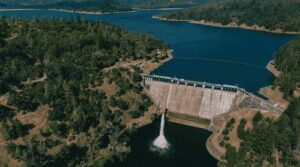
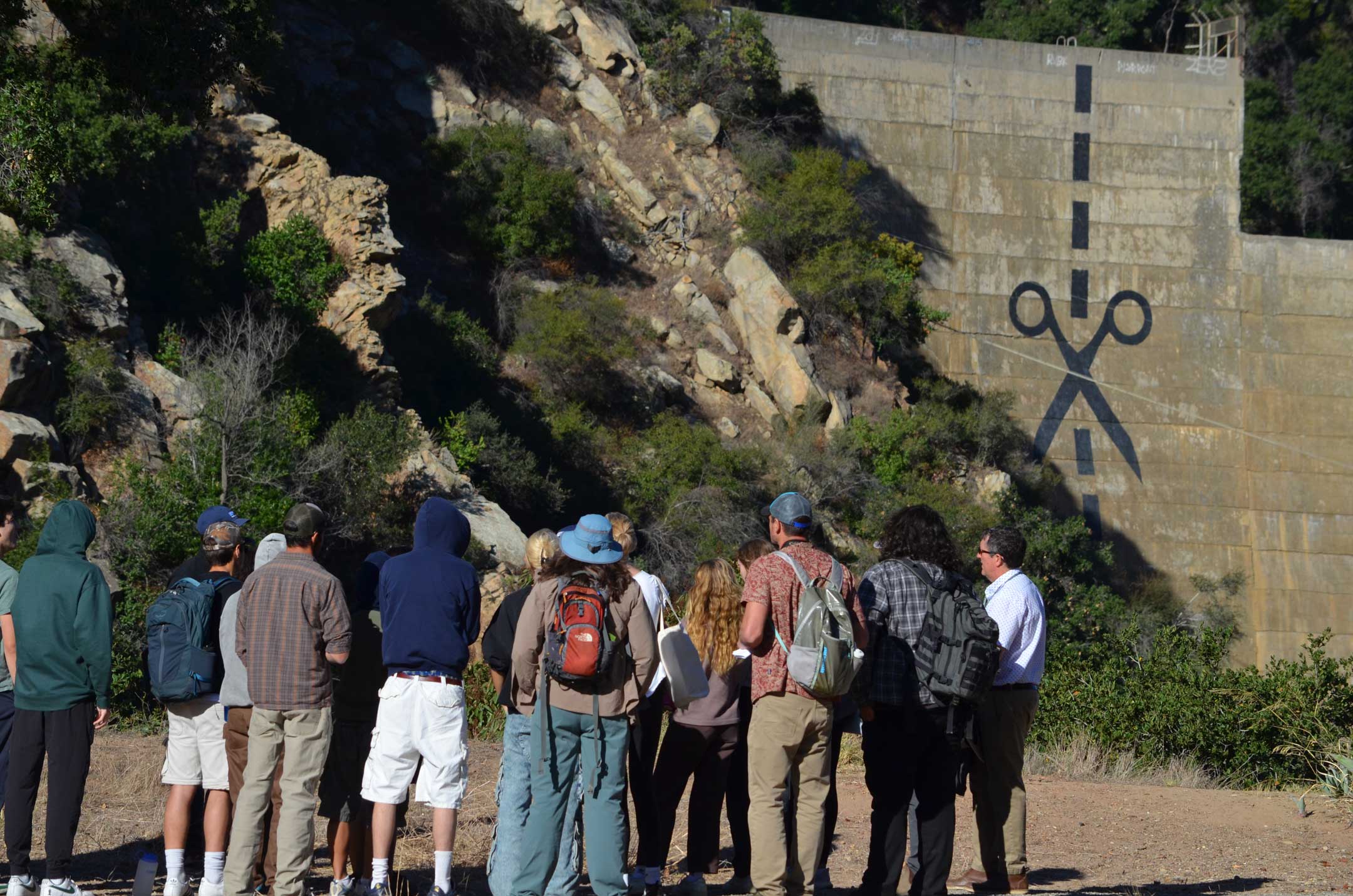
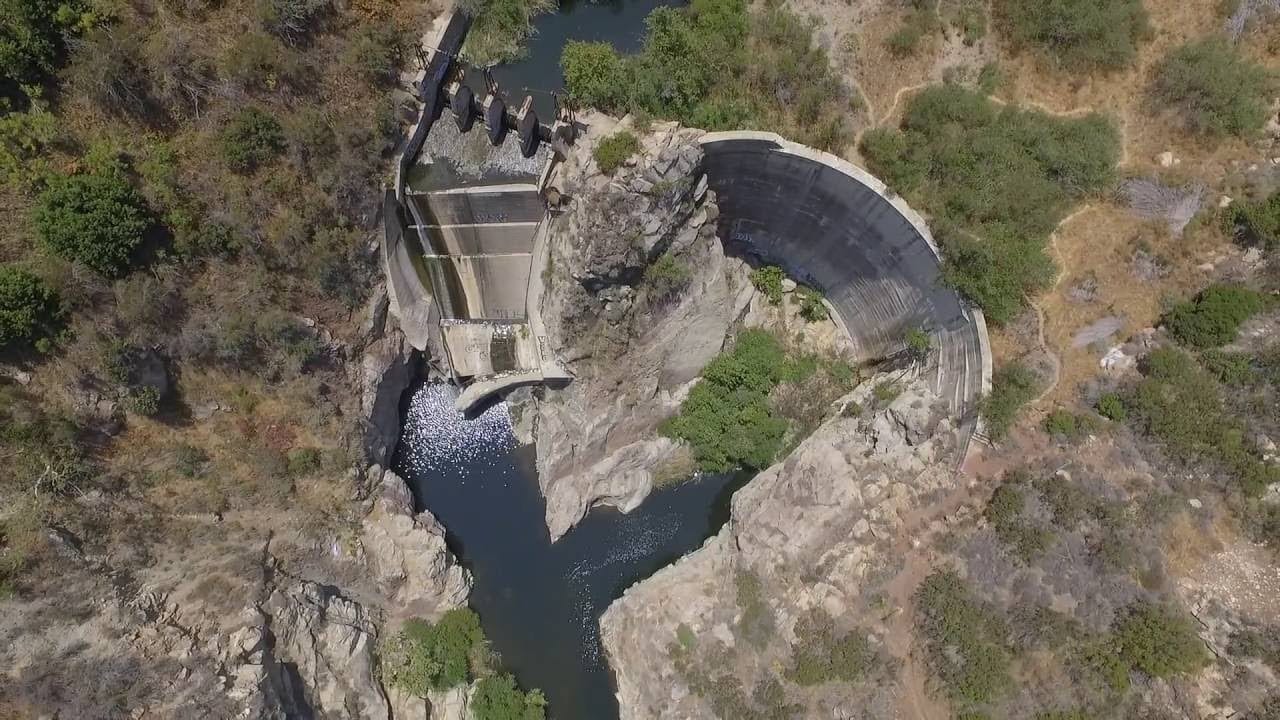
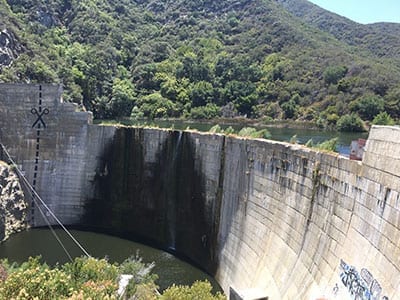
The Ventura River once supported robust runs of Southern steelhead, but their migration has been blocked for more than 50 years by Matilija Dam — built in 1948, declared unfit for water storage before the century was out, and now serving no purpose. The dam traps sediment that would otherwise nourish the coast, blocks steelhead from miles of spawning habitat, and generates no power or reliable water supply. CalTrout, as part of the Matilija Coalition of agencies, nonprofits, Tribes, and local stakeholders, has helped secure major funding for removal planning, and final engineering design is now underway. When the dam comes out, it will be one of the largest dam removals in Southern California history, restoring sediment flow to rebuild beaches, reducing flood risk, and letting the river function as it evolved to.
CALTROUT IN ACTION
Stories from the field.
-
Two SoCal dams on their way out
Read more →: Two SoCal dams on their way out -
Matilija Coalition Receives Award and Funding
Read more →: Matilija Coalition Receives Award and Funding -
Matilija Dam removal project awarded two large grants
Read more →: Matilija Dam removal project awarded two large grants
Support Caltrout
Support Southern California’s wild steelhead & rivers.
With fewer than 500 adults estimated to remain in the wild, your support helps remove migration barriers, reconnect critical habitat, and give Southern steelhead a path toward recovery.