


SCORE
4.7
LOW
Coastal Rainbow Trout
Oncorhynchus mykiss
Species ranges
Related projects
At a Glance
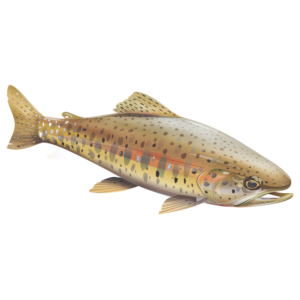
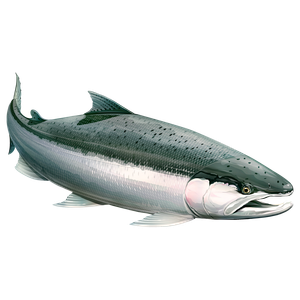
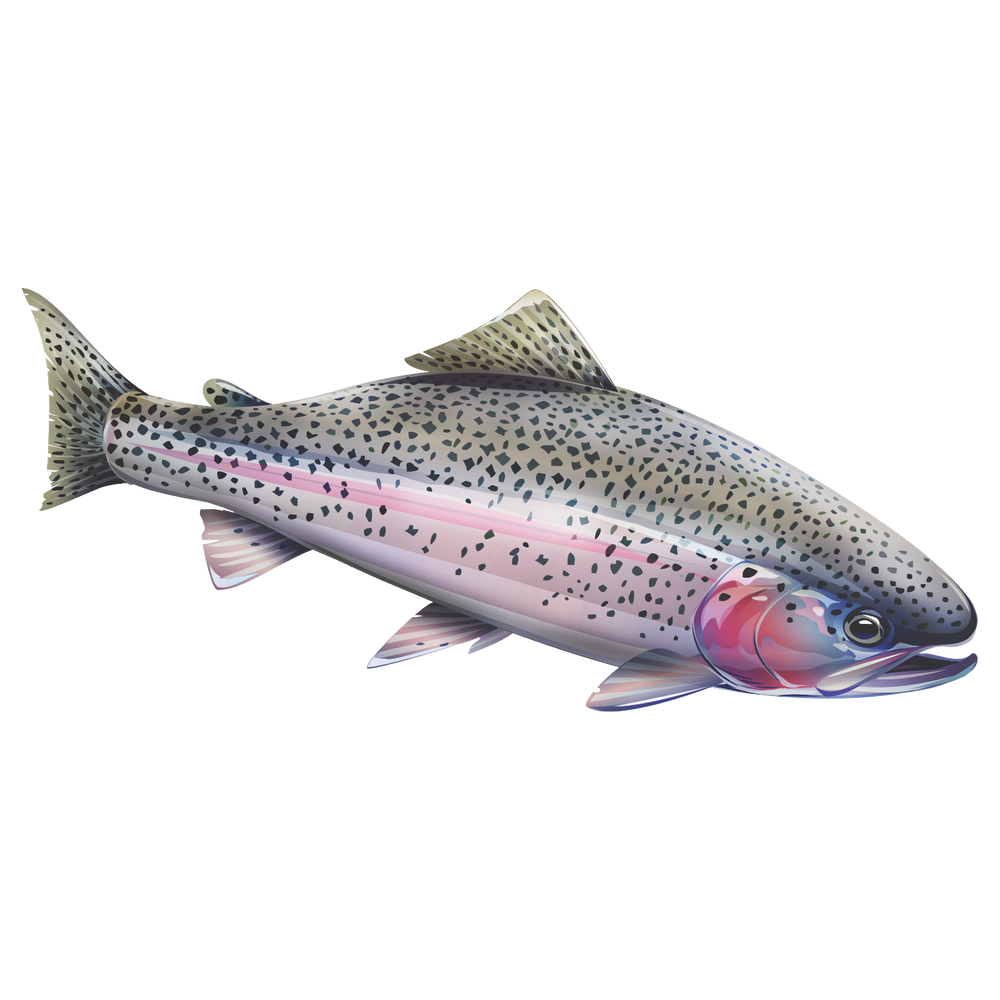
Coastal Rainbow trout are the least vulnerable native trout species in California due to their high tolerance to a wide variety of environmental conditions, multiple life histories, and a large natural and expanded range (through introductions).
Species characteristics
Conservation Actions
Conservation Strategy
- Expand projects that increase reliable quantities and quality of cold water habitat.
- Implement management and restoration projects that focus on reconnecting populations of Rainbow trout that are currently separated by barriers and promoting access to diverse habitats to restore genetic diversity.
- Support healthy populations of wild trout for catch-and-release recreational fisheries.
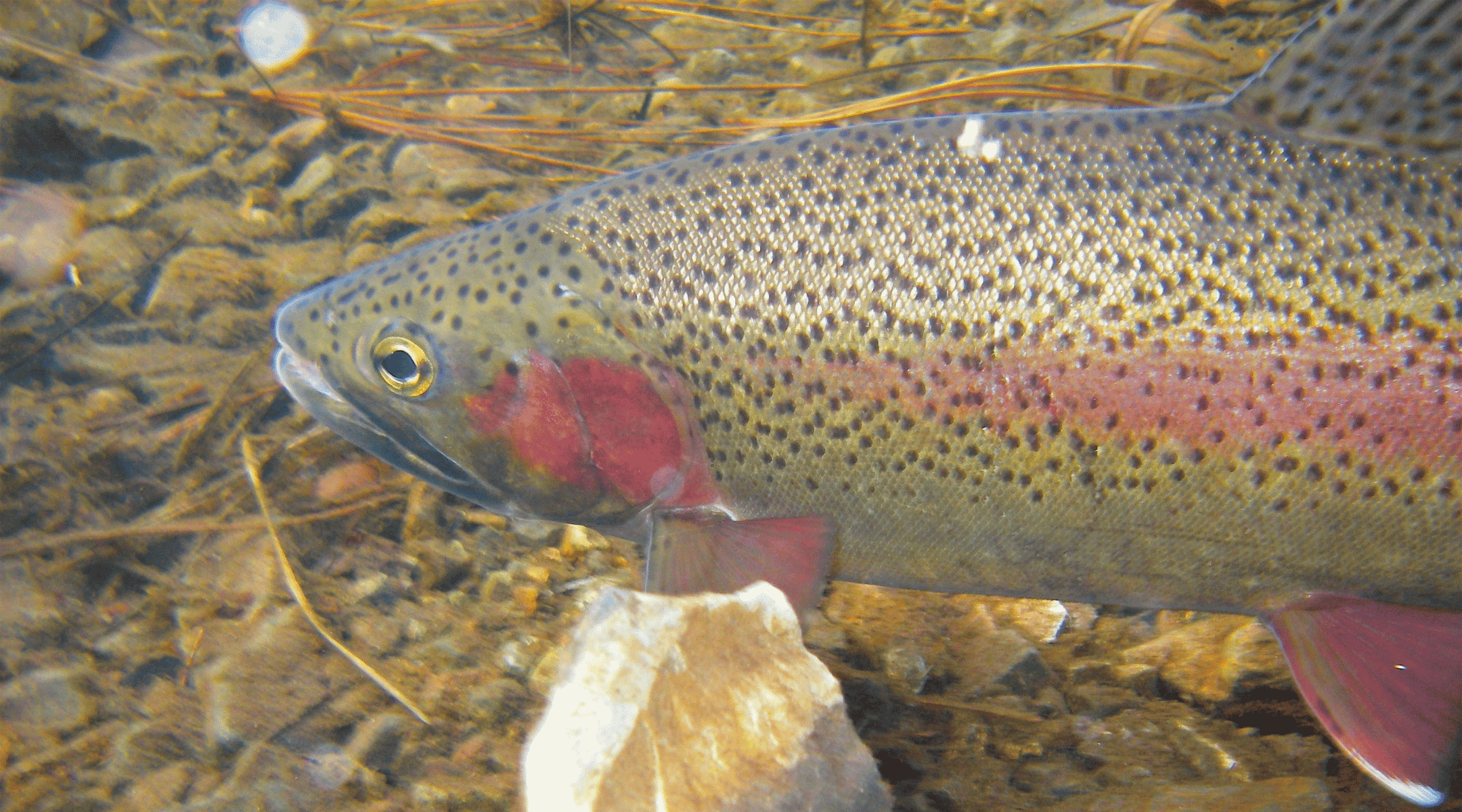
Where to find Coastal Rainbow Trout
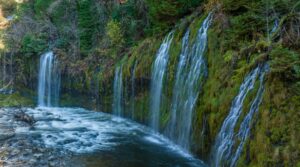
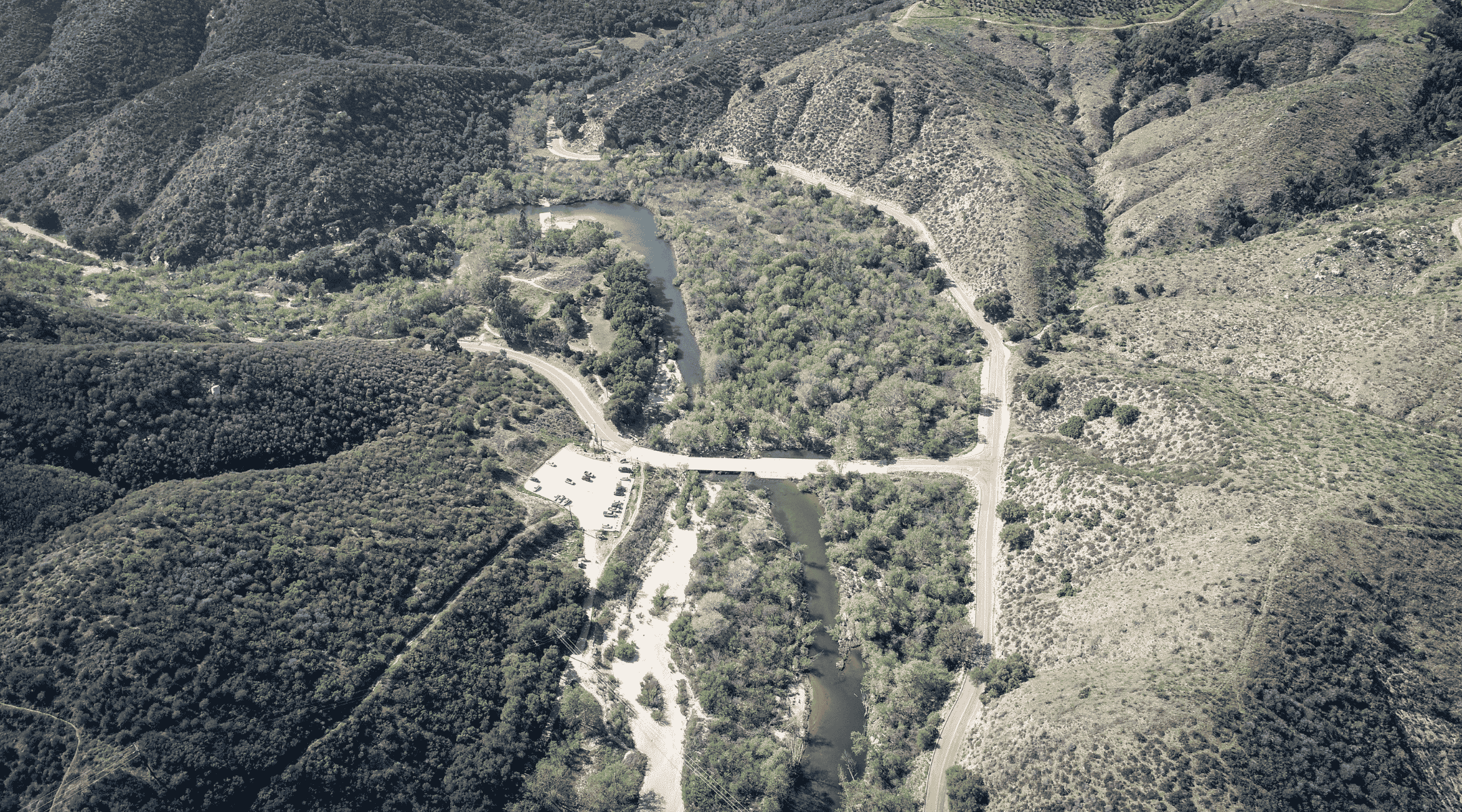
Coastal Rainbow trout were originally present in virtually all perennial coastal streams from San Diego north to the Smith River (Del Norte County), and in most rivers in the Central Valley from the Kern River north to the Pit River near Alturas (Modoc County). Resident Coastal Rainbow trout were typically found upstream of natural barriers, such as waterfalls or rockslides, which were too difficult for steelhead to pass. Today, due to numerous introductions, Coastal Rainbows are found in virtually all streams where suitable habitat exists, including the once-fishless Sierra Nevada north of the upper Kern River Basin and lakes and streams in the Cascade Range and Trinity Alps.
How This Species Scored
From Caltrout’s SOS II Report
| METRIC | SCORE | JUSTIFICATION |
|---|---|---|
| Area occupied | 5 | Abundant in California and widely distributed around the world. |
| Estimated adult abundance | 5 | Many fish in many populations, Adult abundance probably greater than 500,000 statewide. |
| Intervention dependence | 5 | While stream improvements and other activities greatly improve habitat for native and introduced populations, most populations can persist on their own with existing protective laws and regulations. |
| Environmental tolerance | 4 | Broad physiological tolerance. |
| Genetic risk | 5 | Lots of gene flow among populations. |
| Climate change | 4 | Low vulnerability due to widespread populations in diverse habitats. |
| Anthropogenic threats | 5 | All threats low. |
| Average | 4.7 | LEVEL OF CONCERN: LOW |
CALTROUT IN ACTION
Explore projects affecting the
Coastal Rainbow Trout


Native Salmonids
Explore California’s native salmon, steelhead, and trout.
From steelhead to coastal cutthroat, California’s native fish are essential to healthy rivers and thriving ecosystems.
-
Bull Trout
-
California Coastal Chinook Salmon
-
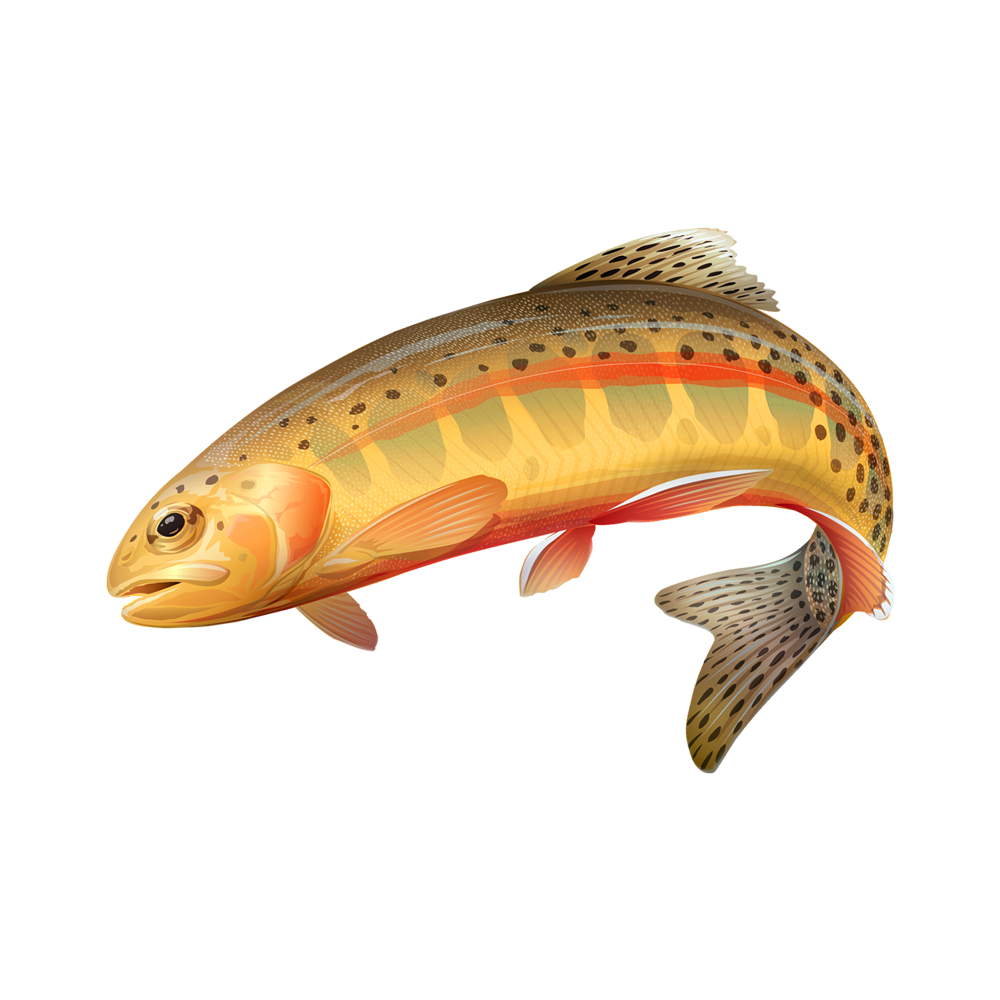
California Golden Trout
-
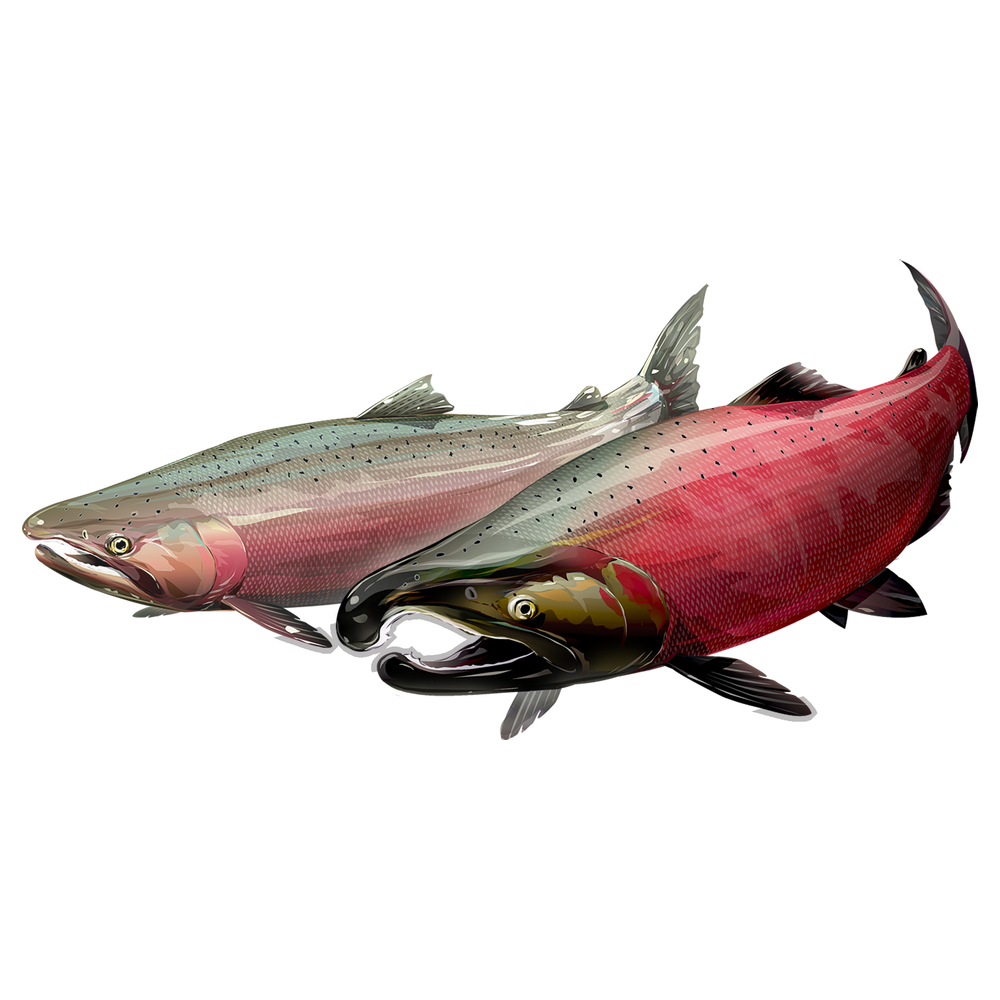
Central California Coast Coho Salmon
-
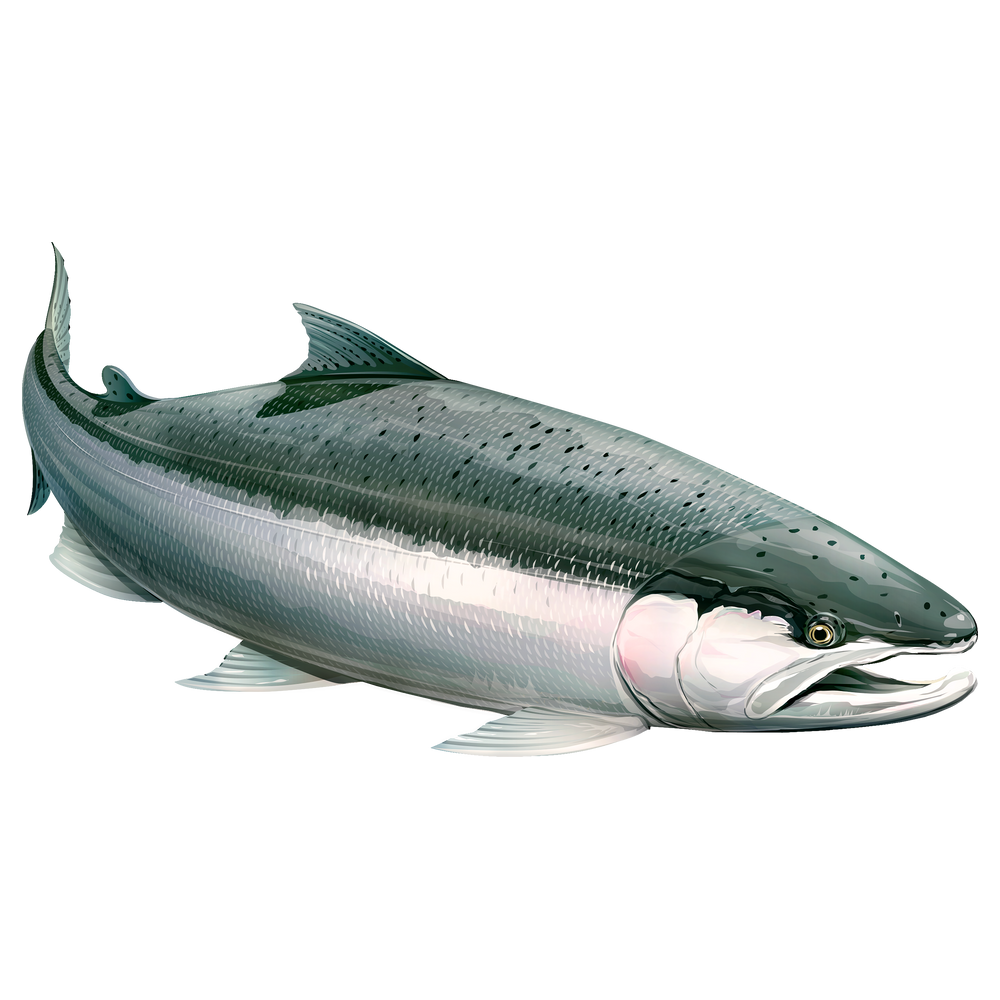
Central California Coast Steelhead
-
Central Valley Fall-Run Chinook Salmon
-
Central Valley Late Fall-Run Chinook Salmon
-
Central Valley Spring-Run Chinook Salmon
-
Central Valley Steelhead
-
Chinook Salmon
-
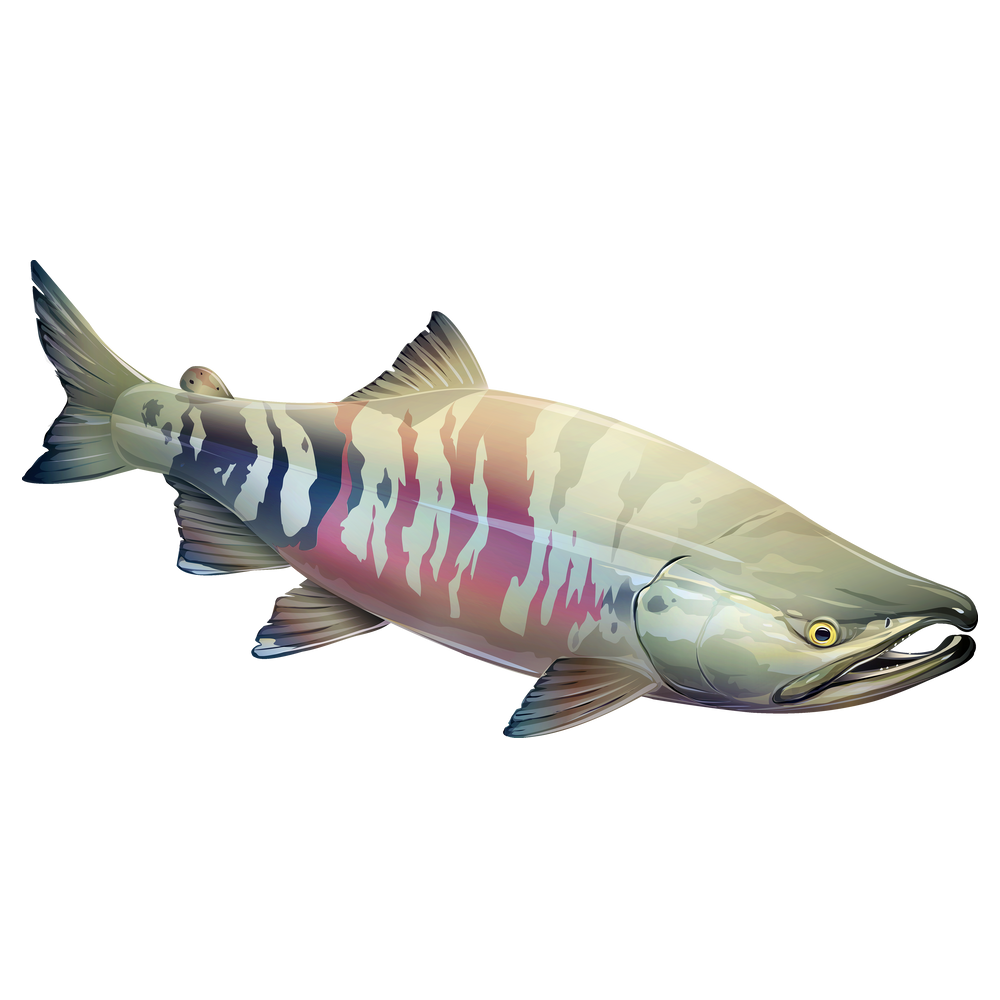
Chum Salmon
-
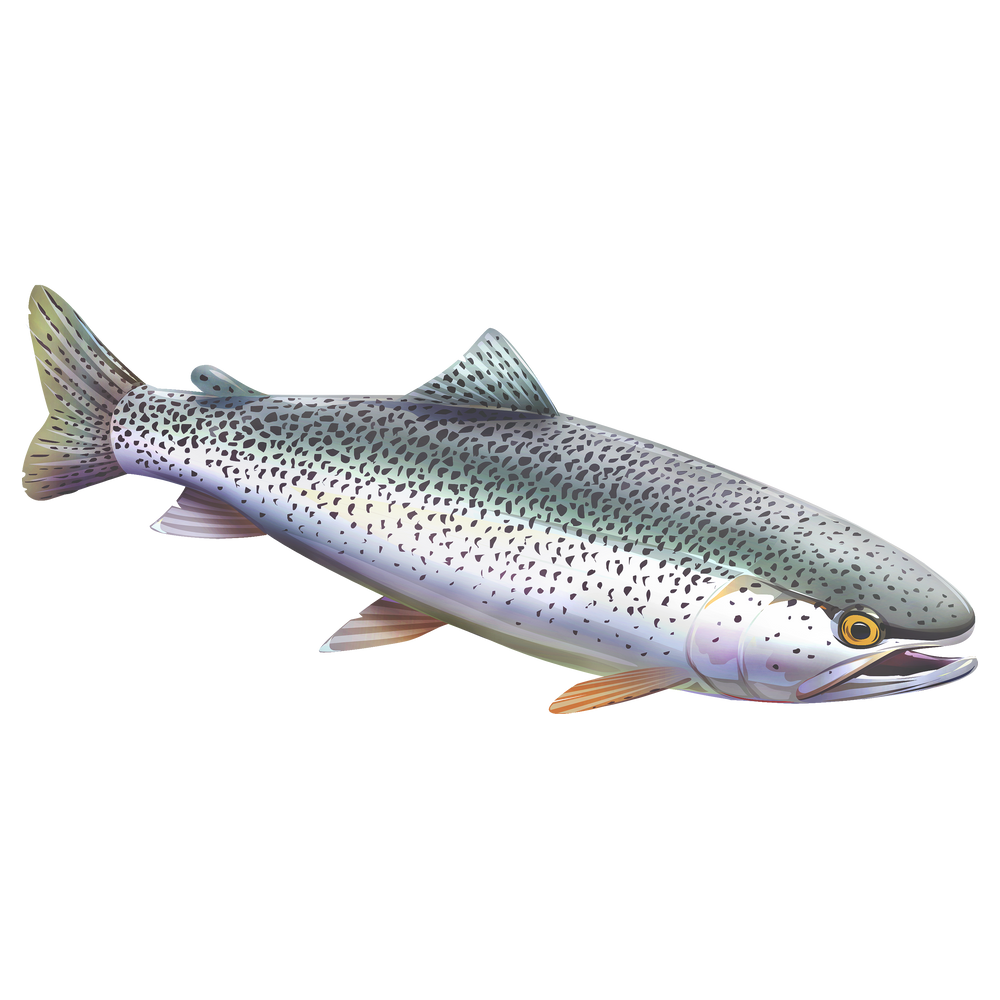
Coastal Cutthroat Trout
-
Coastal Rainbow Trout
-
Coho Salmon
-
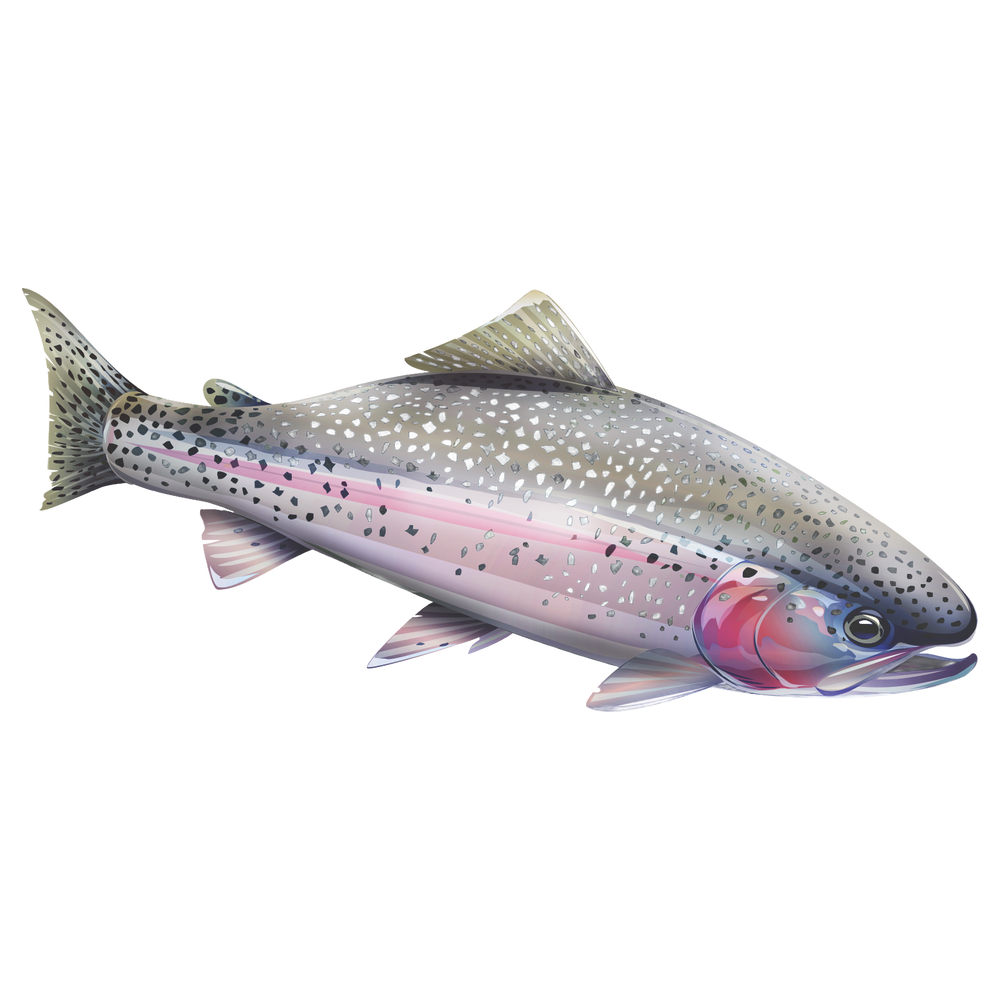
Eagle Lake Rainbow Trout
-
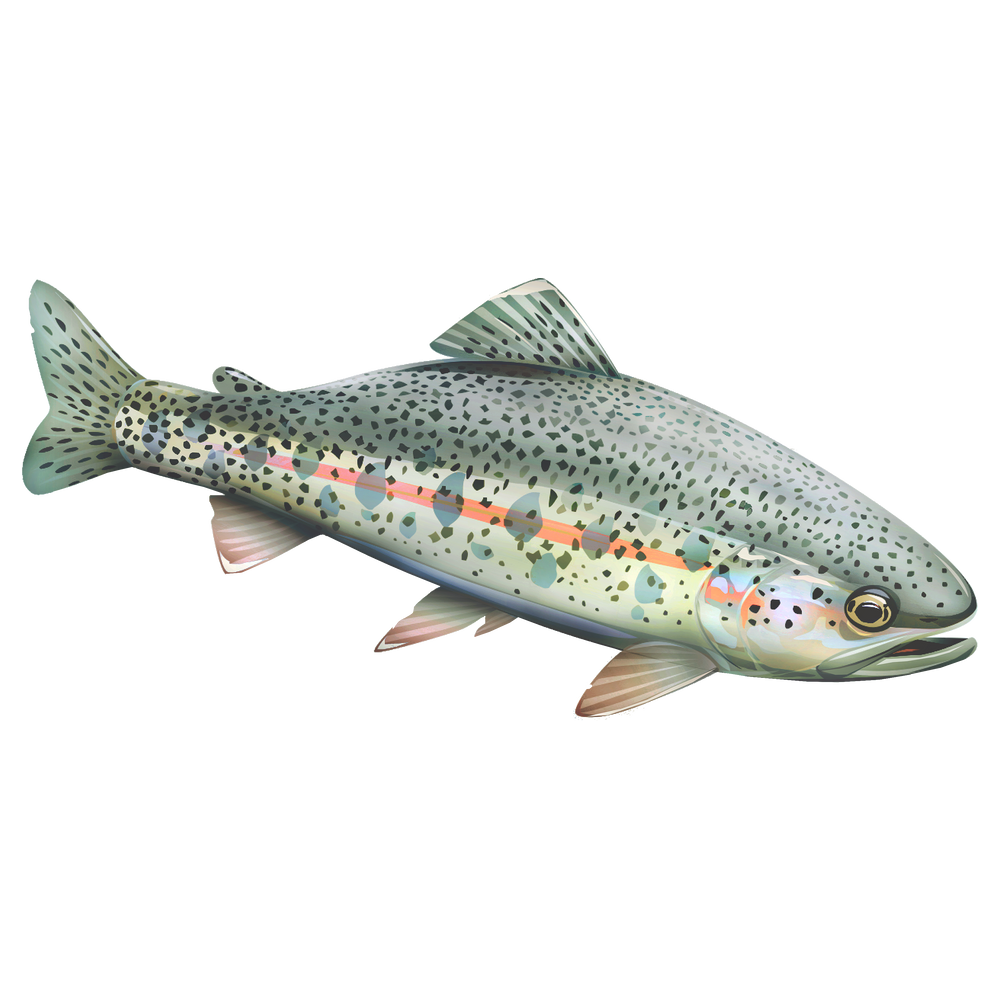
Goose Lake Redband Trout
-
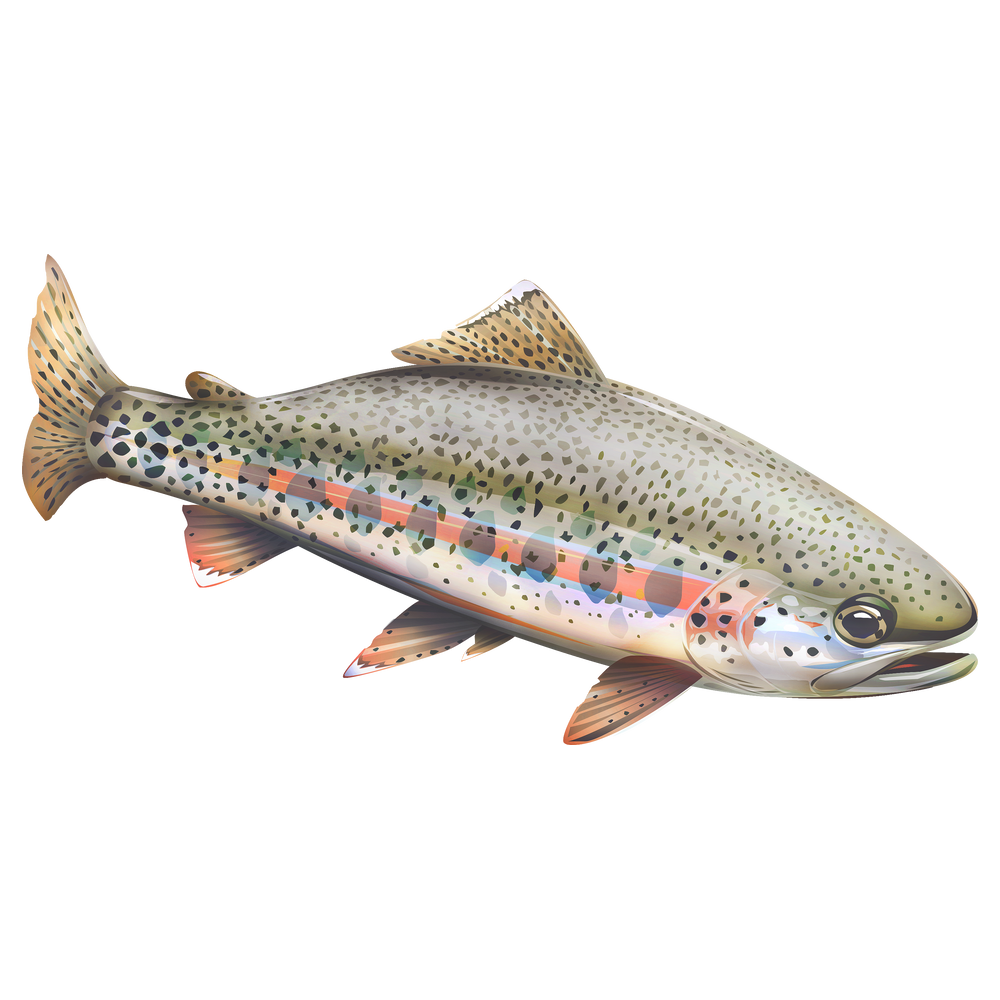
Kern River Rainbow Trout
-
Klamath Mountains Province Summer Steelhead
-
Klamath Mountains Province Winter Steelhead
-
Lahontan Cutthroat Trout
-
Little Kern Golden Trout
-
McCloud River Redband Trout
-
Northern California Summer Steelhead
-
Northern California Winter Steelhead
-
Paiute Cutthroat Trout
-
Pink Salmon
-
Sacramento River Winter-Run Chinook Salmon
-
South-Central California Coast Steelhead
-
Southern Oregon/Northern California Coast Chinook Salmon
Support Caltrout