

SCORE
1.9
CRITICAL
Southern Steelhead
Oncorhynchus mykiss irideus
Species ranges
Related projects
At a Glance
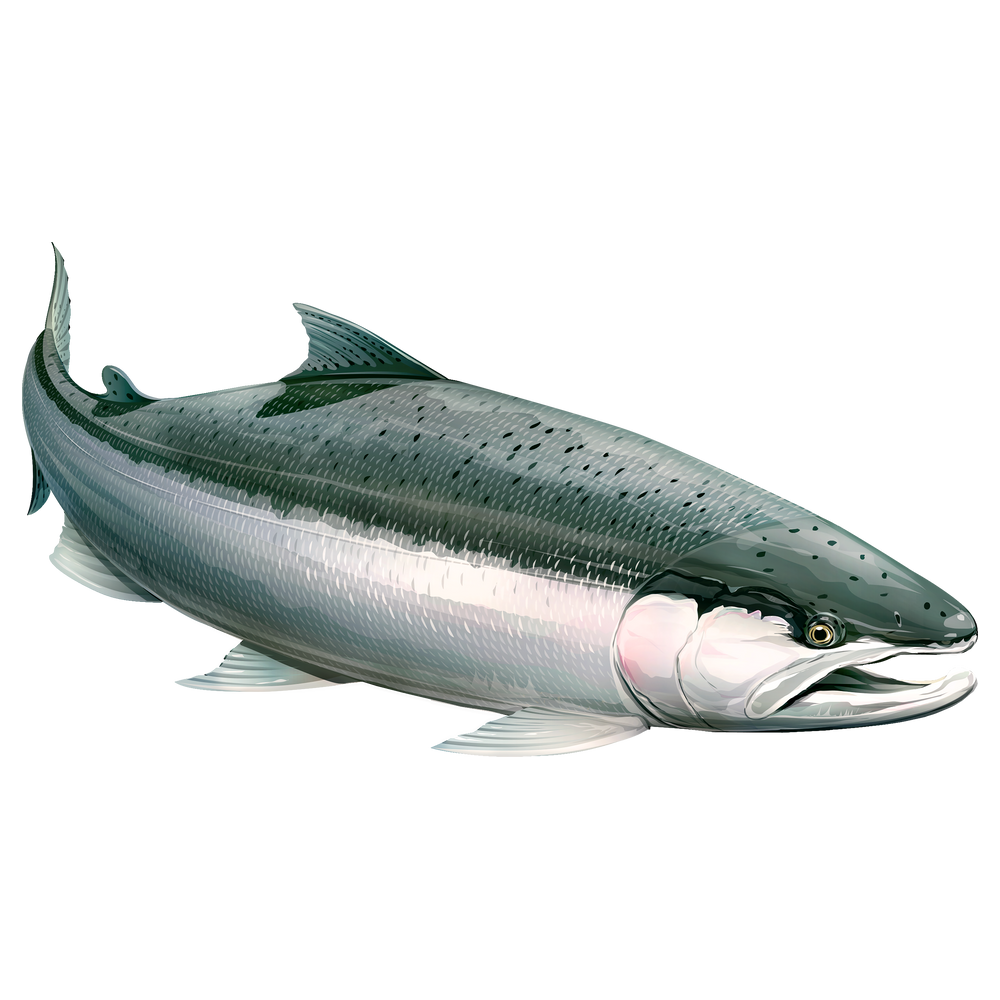
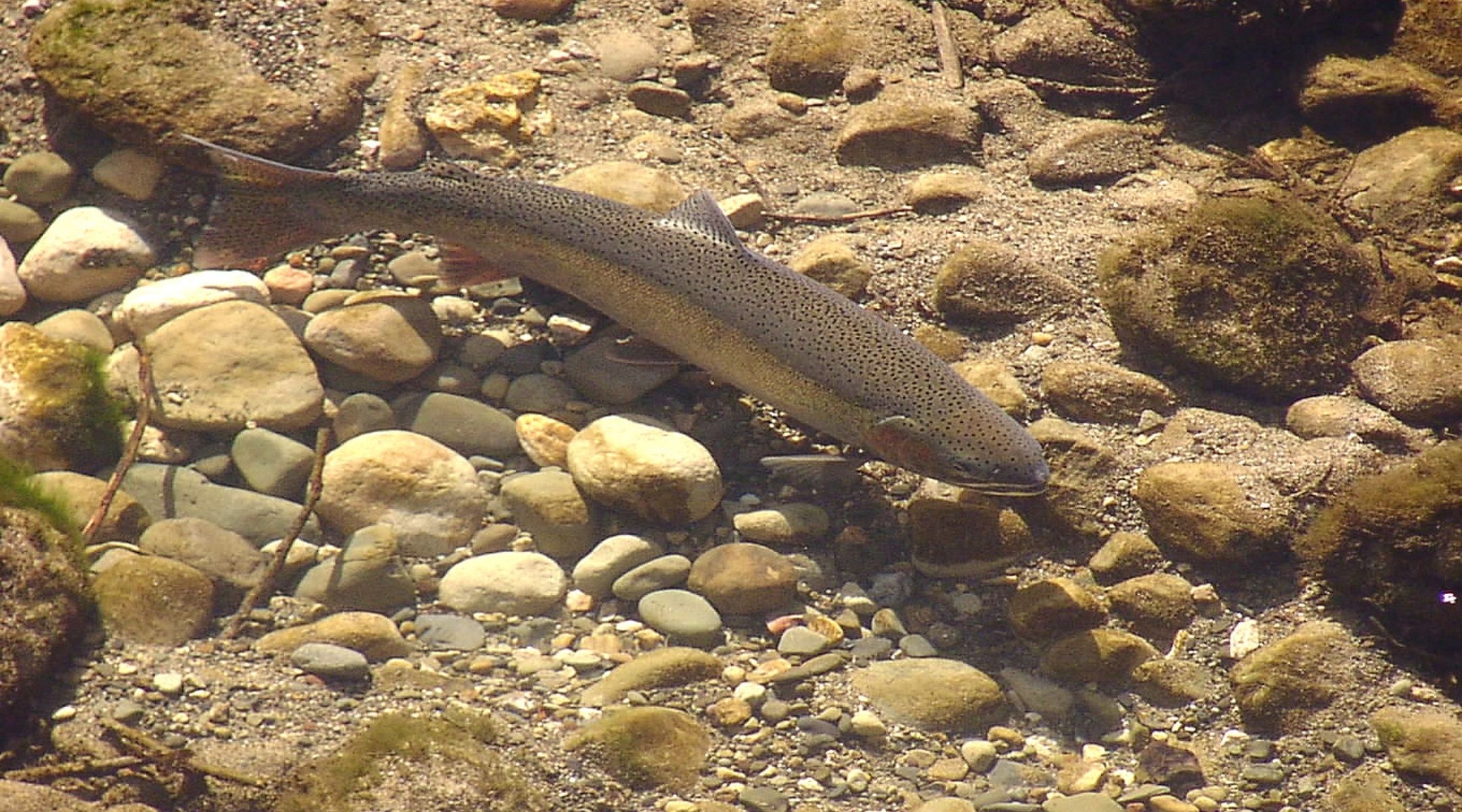
Southern steelhead populations are in danger of extinction within the next 25-50 years due to anthropogenic and environmental impacts threatening their recovery. Since its listing as an endangered species in 1997, Southern steelhead abundance has continued to decline to precariously low levels.
Species characteristics
Conservation Actions
Conservation Strategy
- Reduce surface water diversions and groundwater pumping, increase use of recycled water, and expand conservation measures to improve habitat for Southern steelhead.
- Manage native resident Rainbow trout with Southern steelhead as part of the DPS to acknowledge that resident fish can produce smolts and anadromous offspring under favorable environmental conditions.
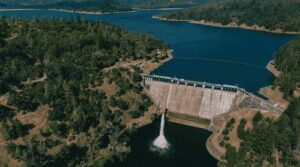
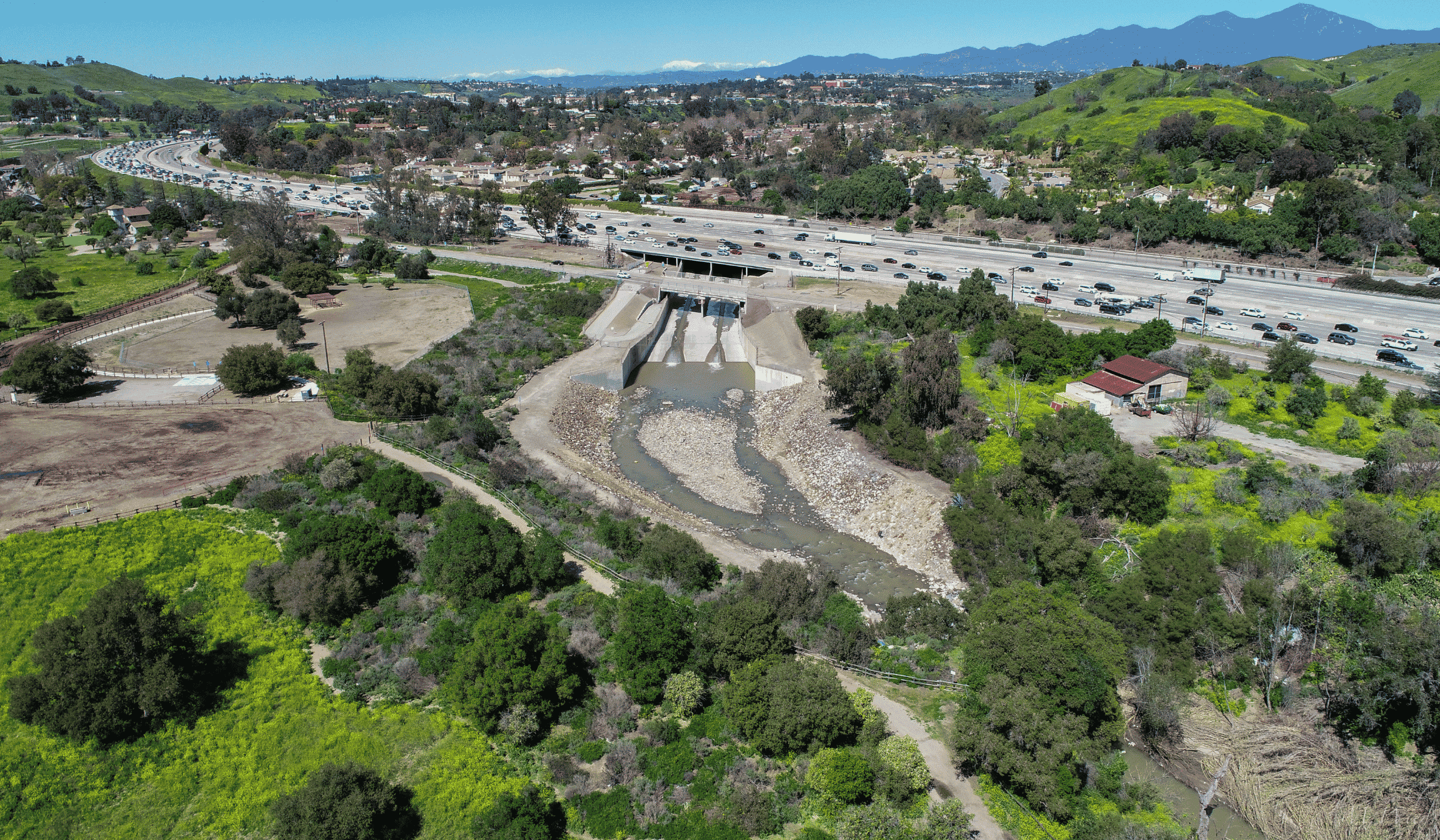
- Remove fish passage barriers and expedite dam removal projects including Matilija Dam (Ventura River), Rindge Dam (Malibu Creek), and other passage barrier remediation projects.
- Develop and implement baseline monitoring within the Coastal Salmonid Monitoring framework.
- Remove non-native aquatic species in prime trout habitat.
Where to find Southern Steelhead
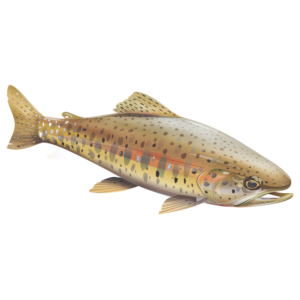
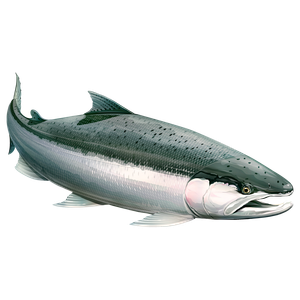
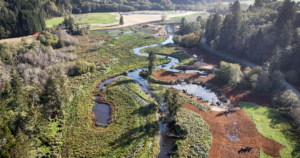
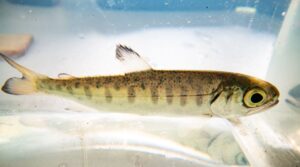
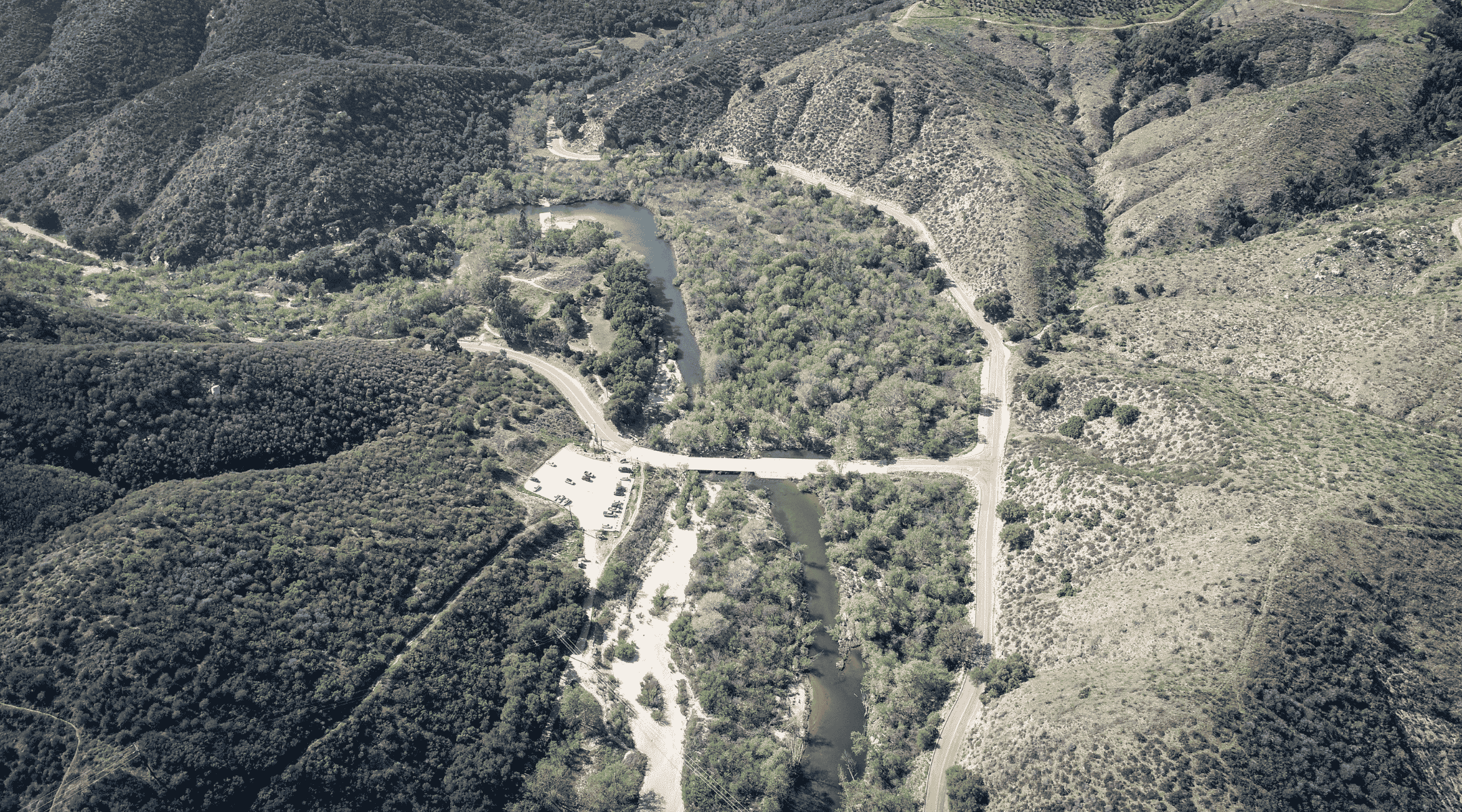
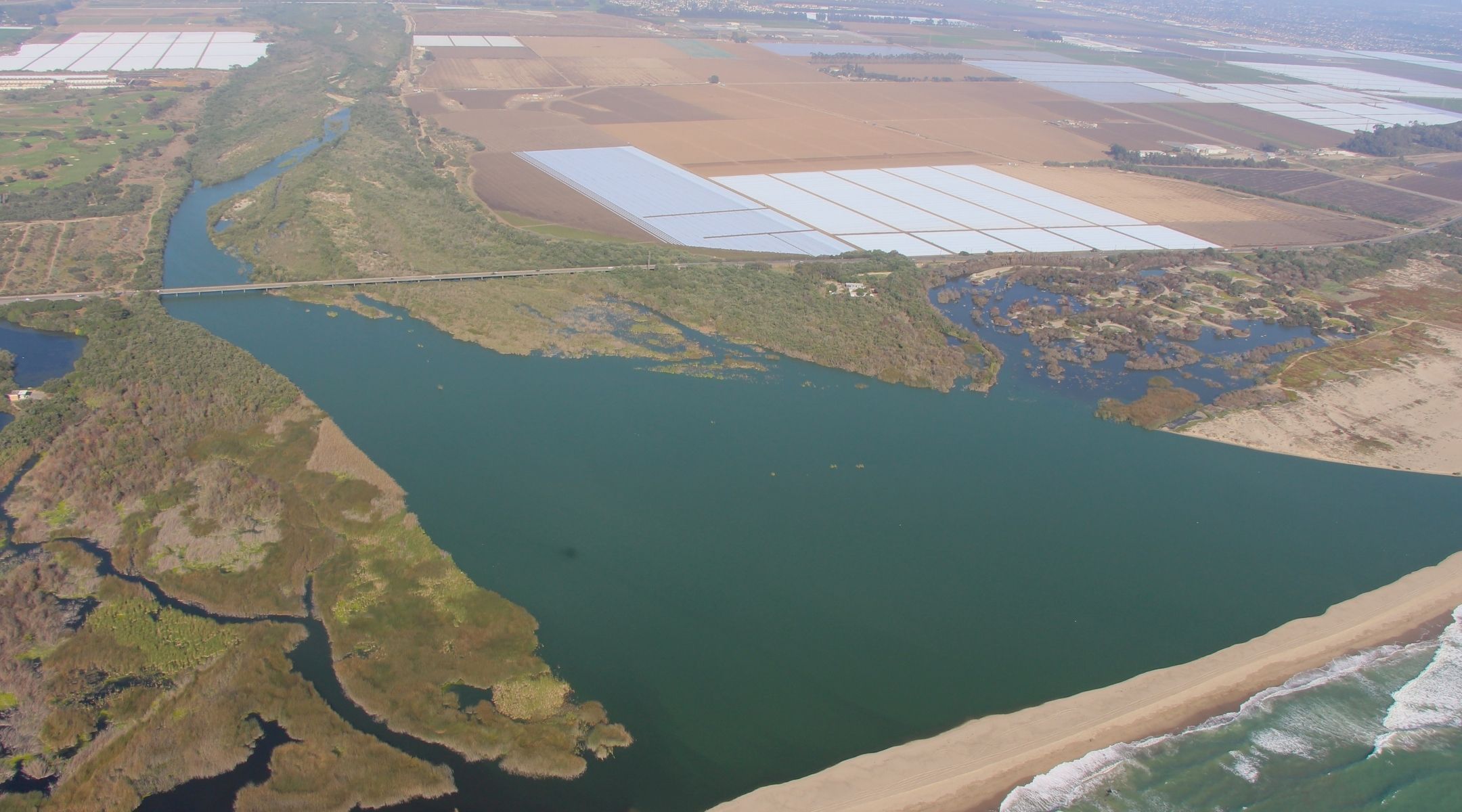
Rainbow trout historically populated all coastal streams of southern California with permanent flows, as either resident or anadromous forms, or both. Today, the Southern steelhead range spans over 30,000 square km (about 11,580 square miles), has over 41,500 km (25,785 miles) of mostly intermittent streams, and is home to more than 22 million Californians. The DPS includes all naturally spawned anadromous Coastal Rainbow trout populations downstream of natural and human-made barriers in streams from the Santa Maria River (San luis Obispo County) to the Tijuana River on the U.S.-Mexico border. They are most abundant in the four largest watersheds in the northern portion of their range: the Santa Maria, Santa Ynez, Ventura, and Santa Clara rivers.
How This Species Scored
From Caltrout’s SOS II Report
| METRIC | SCORE | JUSTIFICATION |
|---|---|---|
| Area occupied | 3 | Found in most of native range, if scattered; mainly in 4 northernmost rivers, but also in a number of short coastal watersheds in the central and southern portion of the DPS. |
| Estimated adult abundance | 1 | Highly variable but with general downward trend and very low abundance in all populations. |
| Intervention dependence | 2 | Intensive efforts such as barrier modification, habitat restoration, and restoration of instream flows are essential. |
| Environmental tolerance | 3 | Moderate physiological tolerance to existing conditions, although limits are being reached. |
| Genetic risk | 2 | Limited gene flow among populations; some hatchery hybridization. Populations very small and geographically isolated. |
| Climate change | 1 | Climate change impacts likely throughout their range, exacerbating other factors. |
| Anthropogenic threats | 1 | 5 High, 6 Medium, 4 Low factors. |
| Average | 1.9 | LEVEL OF CONCERN: CRITICAL |
CALTROUT IN ACTION
Explore projects affecting the
Southern Steelhead
Native Salmonids
Explore California’s native fish.
From steelhead to coastal cutthroat, California’s native fish are essential to healthy rivers and thriving ecosystems.
-
Bull Trout
-
California Coastal Chinook Salmon
-
California Golden Trout
-
Central California Coast Coho Salmon
-
Central California Coast Steelhead
-
Central Valley Fall-Run Chinook Salmon
-
Central Valley Late Fall-Run Chinook Salmon
-
Central Valley Spring-Run Chinook Salmon
-
Central Valley Steelhead
-
Chinook Salmon
-
Chum Salmon
-
Coastal Cutthroat Trout
-
Coastal Rainbow Trout
-
Coho Salmon
-
Eagle Lake Rainbow Trout
-
Goose Lake Redband Trout
-
Kern River Rainbow Trout
-
Klamath Mountains Province Summer Steelhead
-
Klamath Mountains Province Winter Steelhead
-
Lahontan Cutthroat Trout
-
Little Kern Golden Trout
-
McCloud River Redband Trout
-
Northern California Summer Steelhead
-
Northern California Winter Steelhead
-
Paiute Cutthroat Trout
-
Pink Salmon
-
Sacramento River Winter-Run Chinook Salmon
-
South-Central California Coast Steelhead
-
Southern Oregon/Northern California Coast Chinook Salmon
SUPPORT CalTrout
The only statewide assessment of California’s native salmon, steelhead, and trout.
CalTrout, in collaboration with academic partners, has produced two once-a-decade State of the Salmonids reports — comprehensive scientific assessments of all 32 native salmon, steelhead, and trout species in California. The third report is currently set to release in 2027.