CALIFORNIA TROUT
Klamath River Dam Removal
Project Facts
LOCATION
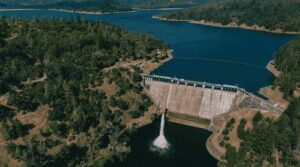
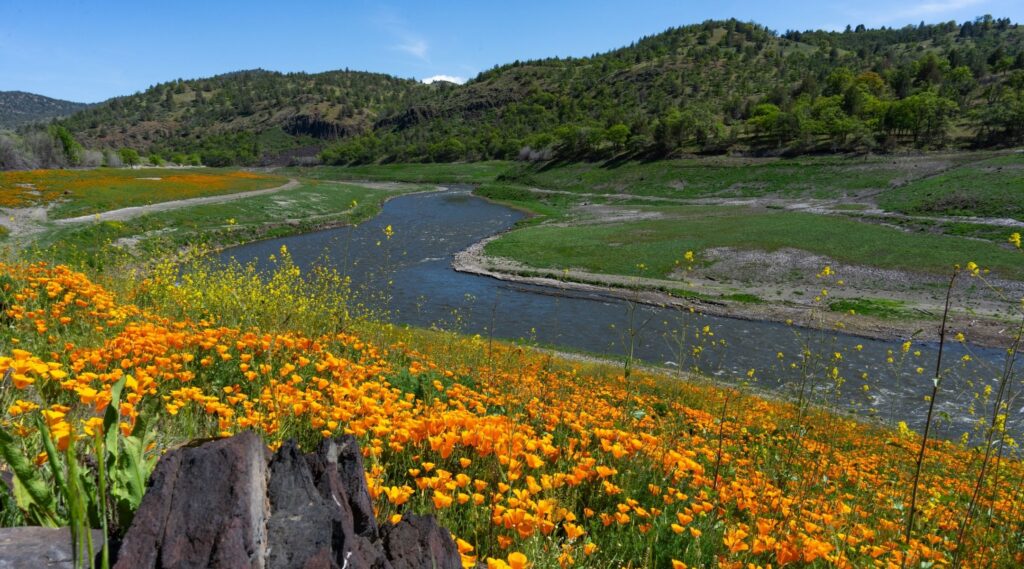
Iron Gate Dam
PROJECT STAGE
Complete
COMPLETION DATE
2024
Project Goal
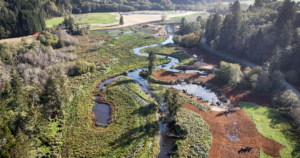
Remove four dams — J.C. Boyle, Copco 1, Copco 2, and Iron Gate — from the Klamath River to eliminate the largest barriers to salmon and steelhead migration on the river, reopening more than 400 miles of historic spawning and rearing habitat blocked since 1917.
Project Summary
PROJECT FUNDERS AND PARTNERS
Project Funders
PacifiCorp
State of California
Project Partners
Trout Unlimited
American Rivers
Klamath Basin Coalition
Yurok Tribe
Karuk Tribe
Klamath Tribes
PacifiCorp
Klamath Water Users Association
The Nature Conservancy
Upper Klamath Water Users
Pacific Coast Federation of Fisherman
Salmon River Restoration Council
FISH AFFECTED
Species affected by this project.
-
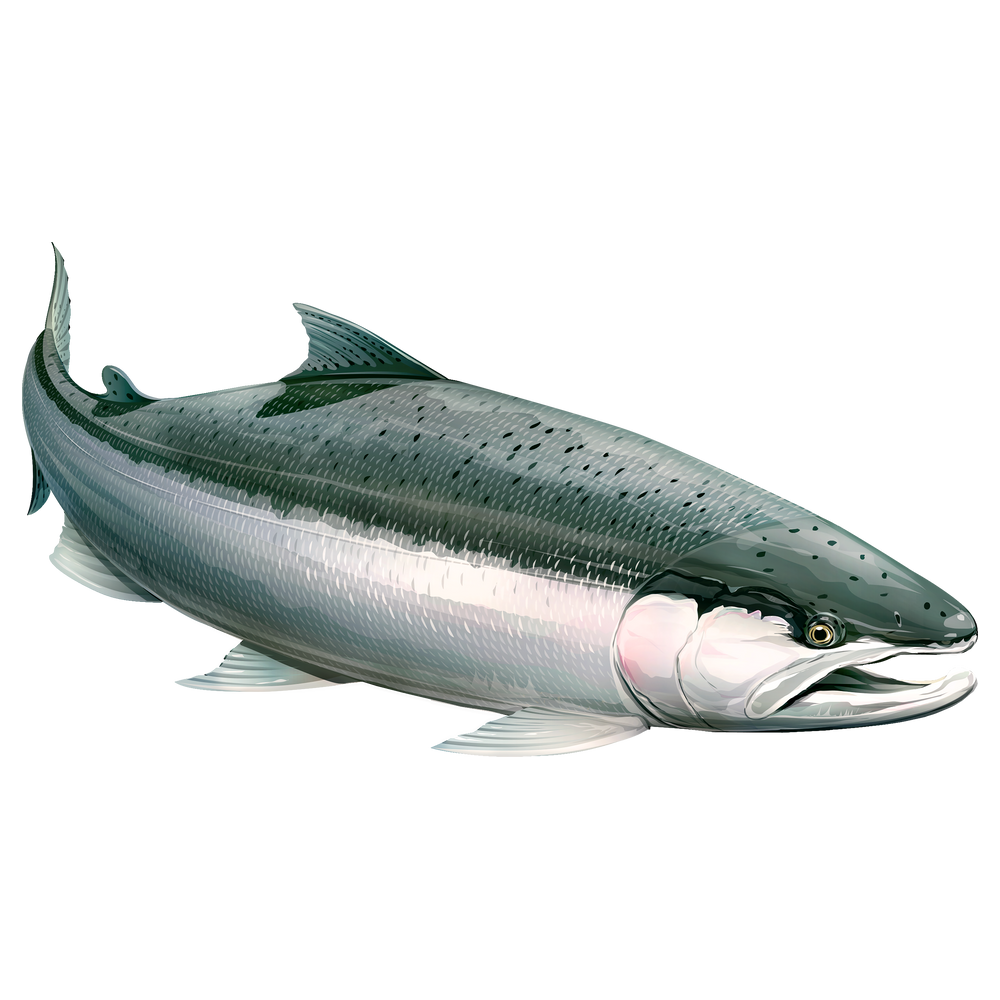
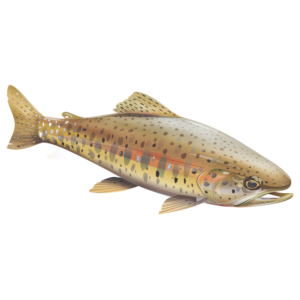
Klamath Mountains Province Summer Steelhead
-
Klamath Mountains Province Winter Steelhead
-
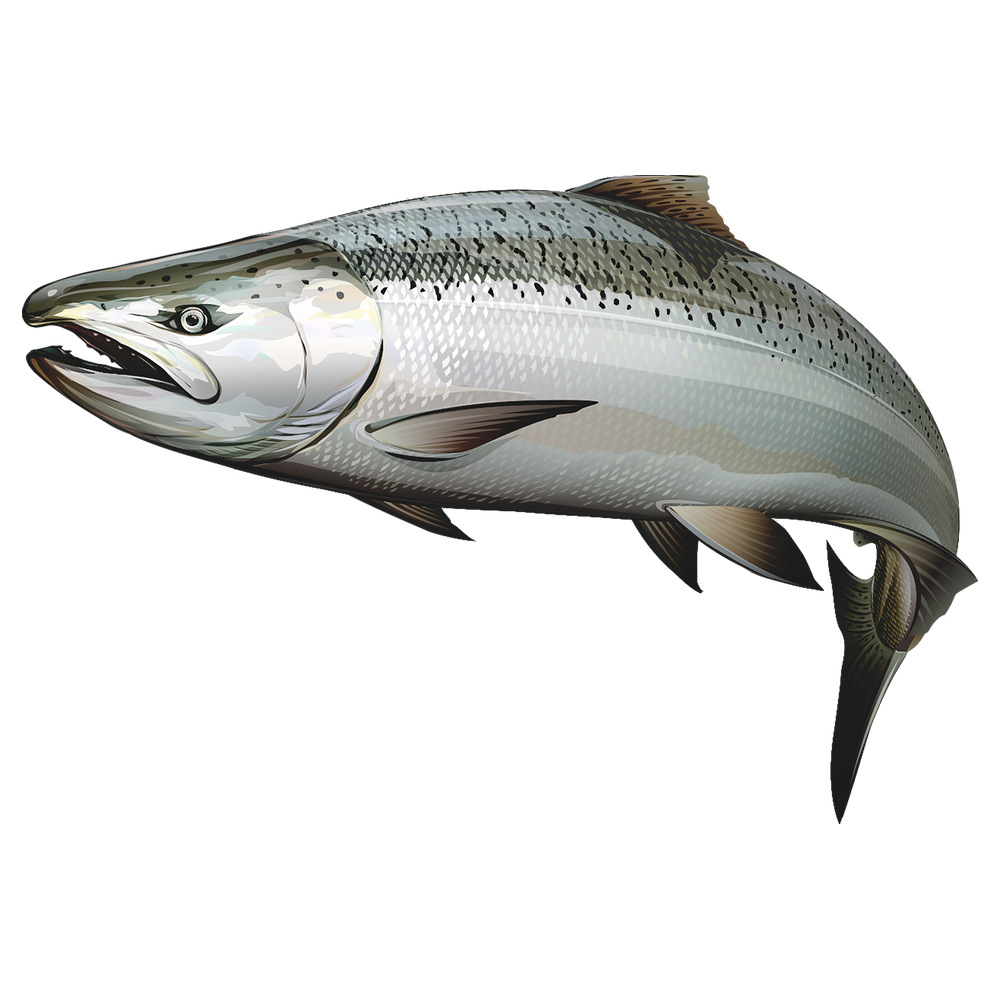
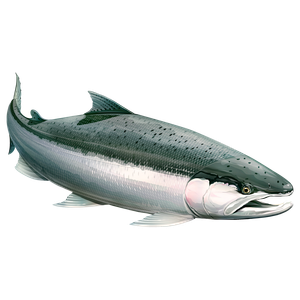
Southern Oregon/Northern California Coast Chinook Salmon
-
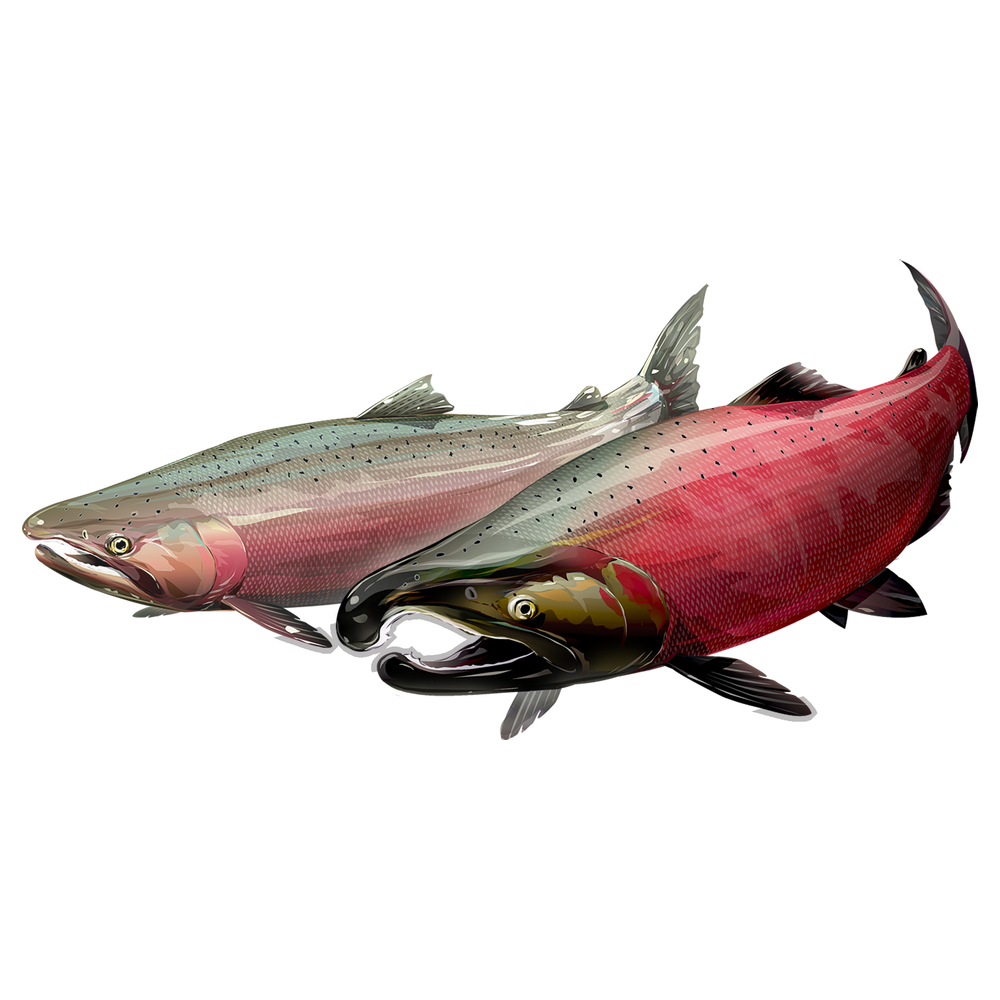
Southern Oregon/Northern California Coast Coho Salmon
-
Upper Klamath-Trinity Rivers Fall-Run Chinook Salmon
-
Upper Klamath-Trinity Rivers Spring-Run Chinook Salmon
Outcomes
What this project has accomplished:
4
Dams removed
400+
Miles of spawning and rearing habitat reopened
13,310
Chinook salmon passed the former Iron Gate Dam site in fall 2025, just over a year after removal — nearly double the amount that passed immediately after dam removal
24
Years of CalTrout involvement, from early negotiations to dam removal
Project Resources
This study, published August 27, 2026 in Scientific Reports, part of the renowned Nature portfolio of journals, and led by CalTrout’s Damon Goodman, tracks how fast Chinook salmon have returned to the Klamath River after removal of the four dams (J.C. Boyle, Copco 1, Copco 2, Iron Gate), the world’s largest dam removal project. The team included the Karuk, Klamath, and Yurok Tribes, ODFW, CDFW, NOAA, USGS, Cal Poly Humboldt, and independent researchers.
Within just two migratory seasons, Chinook reoccupied 88% of their historical range, reclaiming 214 miles of river and tributaries. Returns nearly doubled year over year, from about 7,742 fish at the former Iron Gate site in fall 2024 to roughly 13,310 in fall 2025, with fish reaching Beatty Gap on the Sprague River, over 360 miles from the ocean, the farthest upstream record ever documented on the Klamath.
The findings offer early evidence that Klamath salmon, whose numbers had fallen more than 90%, are rebounding faster than expected now that the river runs free.
scientific REPORTs, nature
This report, “Steelhead Recovery After Large-Scale Dam Removal: A Biology-Driven Monitoring Framework for the Klamath River,” lays out the science plan for tracking steelhead recovery after the Klamath dam removals. Published June 23, 2026, by CalTrout, The Conservation Angler, tribal partners, state agencies, and universities, it doesn’t report final results, it sets the framework for answering how fast steelhead recolonize reopened habitat, what role resident rainbow trout play in rebuilding the population, and how genetic diversity shifts as connectivity is restored.
To answer those questions, the team combines genetics, juvenile and adult fish counts, and habitat assessments with angler-science integration, where trained anglers collect scale and tissue samples to extend monitoring reach. The report treats this as a long-term commitment, since recovery patterns will vary by tributary and may take years to fully understand.
In 2025, CalTrout and our partners released a report outlining findings from the 2024 sonar project. View the report below.
LATEST PROJECT STORIES
-
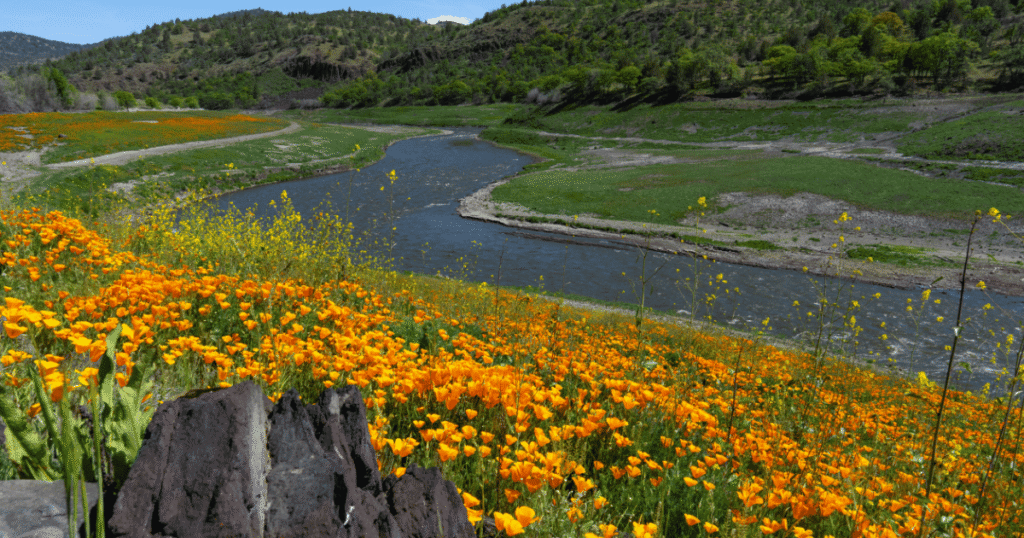
The Salmon Came Back: New Published Study Confirms Rapid Chinook Return in the Klamath River After the World’s Largest Dam Removal
Read more →: The Salmon Came Back: New Published Study Confirms Rapid Chinook Return in the Klamath River After the World’s Largest Dam RemovalLess than two years ago, four dams on the Klamath River were removed. This week, the first peer-reviewed…
-
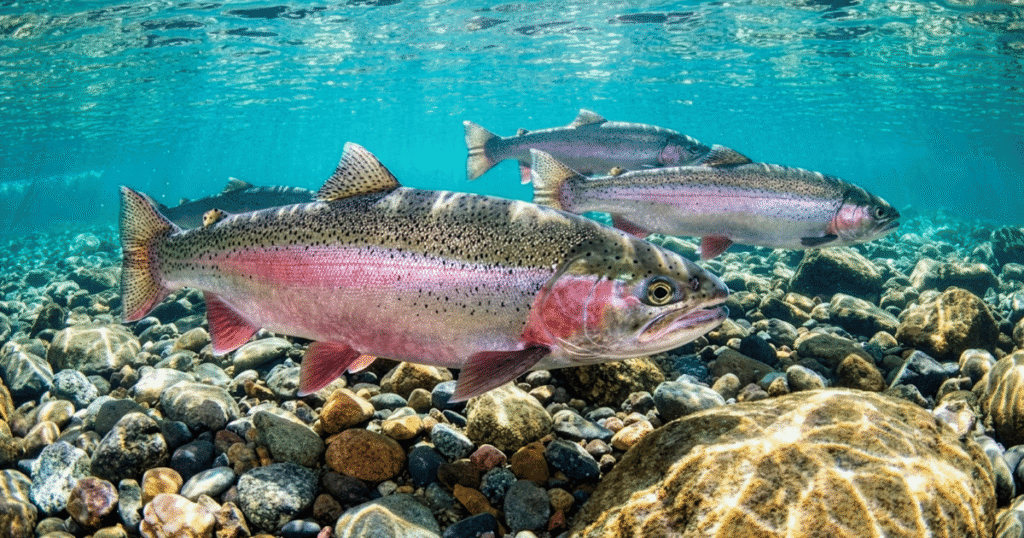
New Report Maps Out Blueprint for Klamath River Steelhead Recovery: Anglers Can Make That A Reality
Read more →: New Report Maps Out Blueprint for Klamath River Steelhead Recovery: Anglers Can Make That A RealityCalTrout and The Conservation Angler are joining forces to help answer one of the biggest questions in river…
-
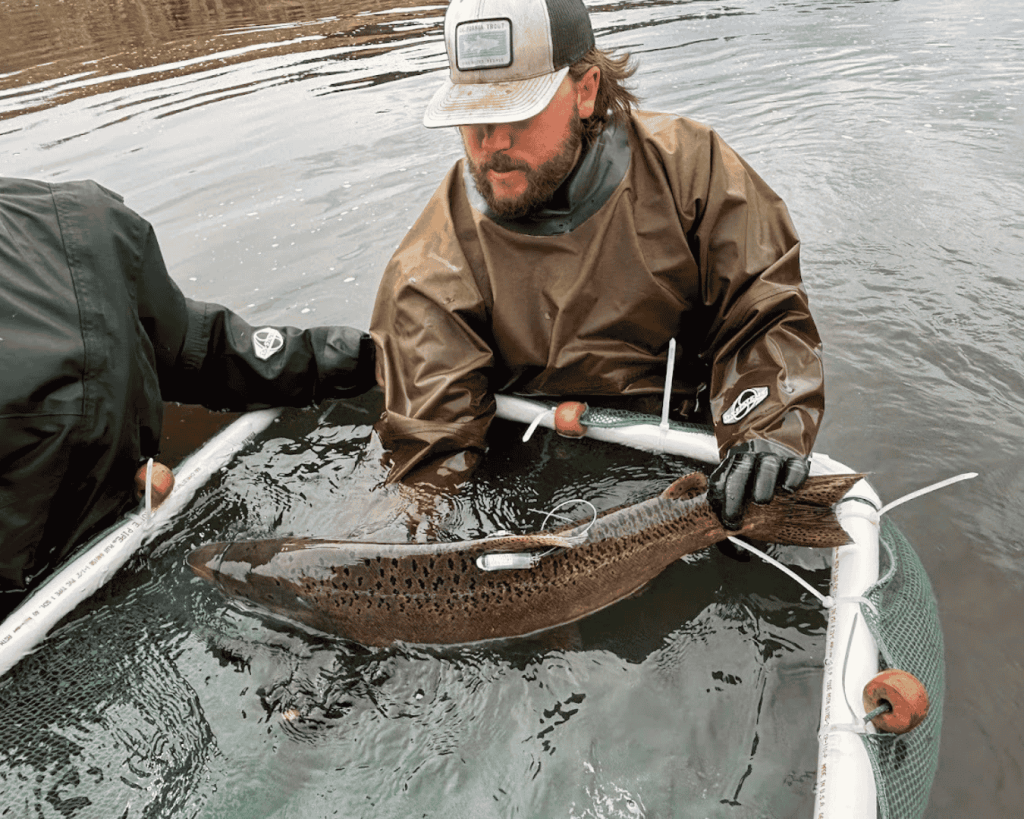
One Year After Klamath Dam Removal, Salmon Surge into Newly Opened Habitat: CalTrout and Partners Track Recovery Through Comprehensive Monitoring
Read more →: One Year After Klamath Dam Removal, Salmon Surge into Newly Opened Habitat: CalTrout and Partners Track Recovery Through Comprehensive MonitoringJust one year after the removal of the Klamath River dams, new monitoring results show thousands of Chinook…
-
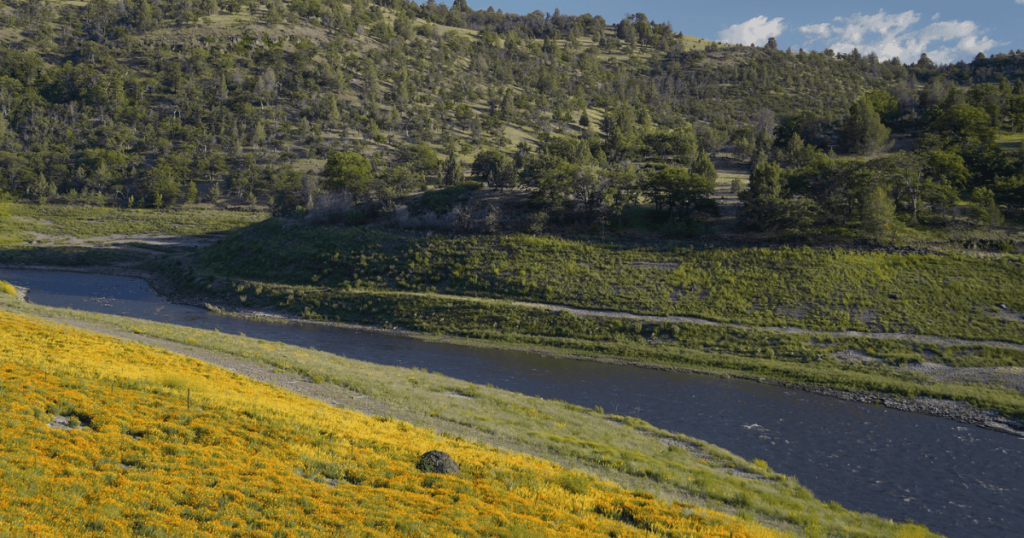
A River Reborn: One Year After Klamath River Dam Removal
Read more →: A River Reborn: One Year After Klamath River Dam RemovalIn fall 2024, CalTrout and our partners installed a SONAR fish counting station at the entrance to newly…
SIMILAR PROJECTS
Related projects in the region
-
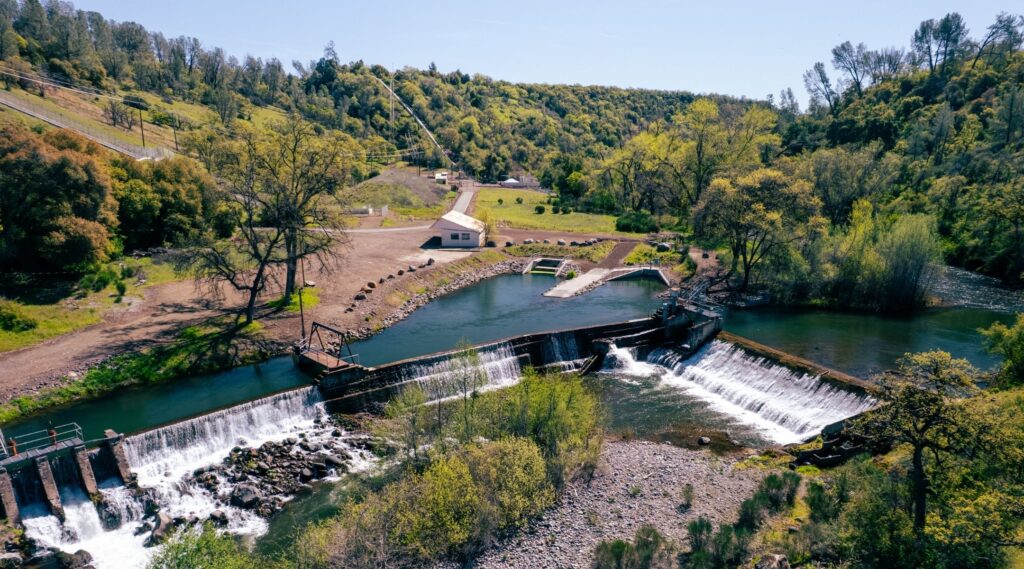
Battle Creek Dam Removal
Read more →: Battle Creek Dam RemovalRemoving eight remaining dams on Battle Creek would reconnect 48 miles of habitat for endangered Winter-run and Spring-run…
-
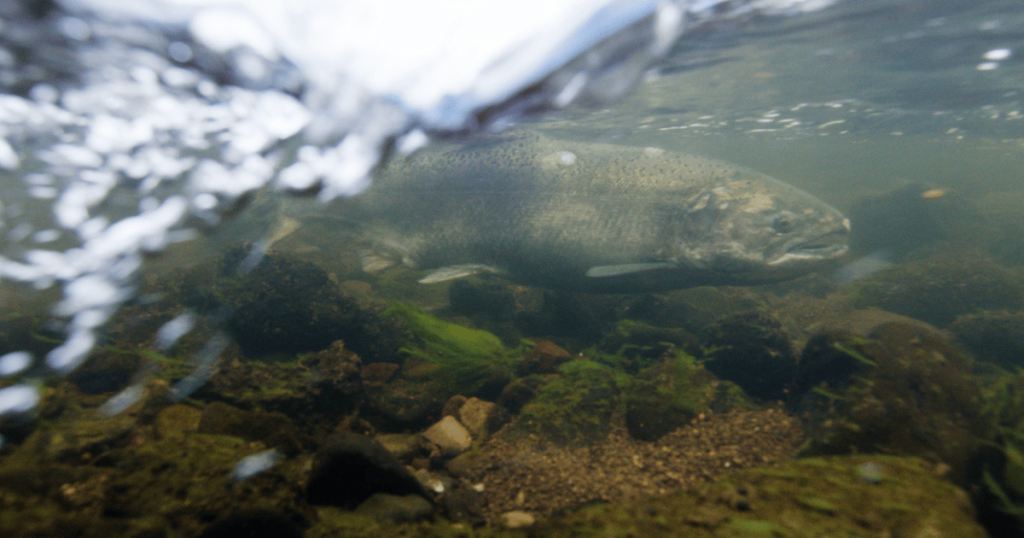
Klamath River Salmon & Steelhead Monitoring Program
Read more →: Klamath River Salmon & Steelhead Monitoring ProgramMonitoring how salmon and steelhead are reclaiming 400 miles of habitat reopened by the world’s largest dam removal…
-
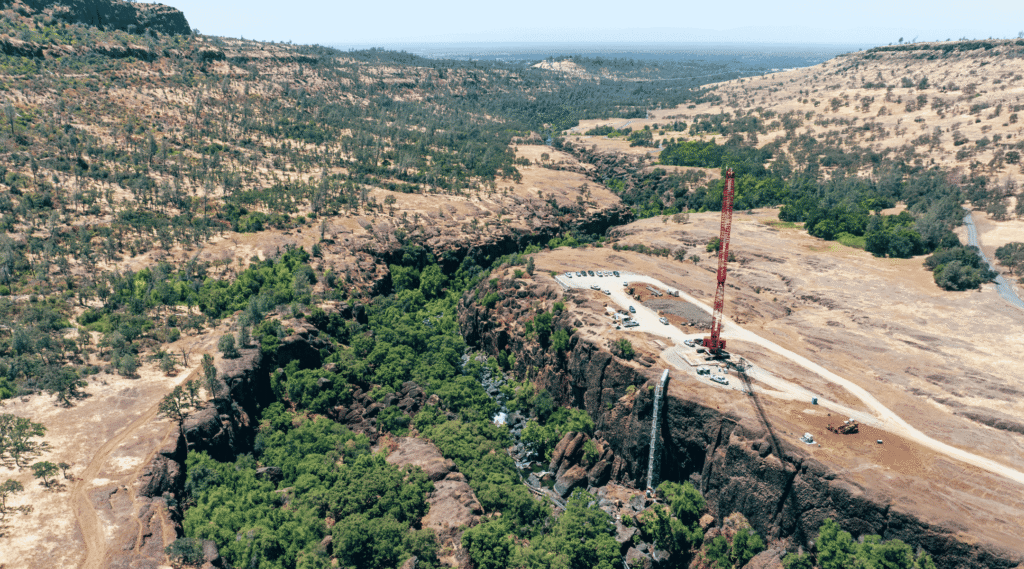
Iron Canyon Fish Passage Project, Big Chico Creek
Read more →: Iron Canyon Fish Passage Project, Big Chico CreekRestoring natural fish passage through Iron Canyon to reopen 8.5 miles of salmon and steelhead habitat on Big…
SUPPORT our WORK
Support CalTrout’s work across California
From science and advocacy to reopening rivers and restoring streams, we rely on our donors as crucial partners in our work.