SCORE
1.6
CRITICAL
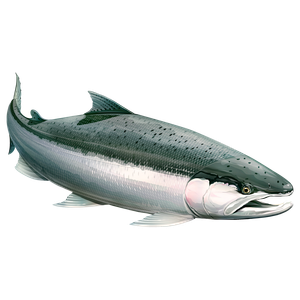
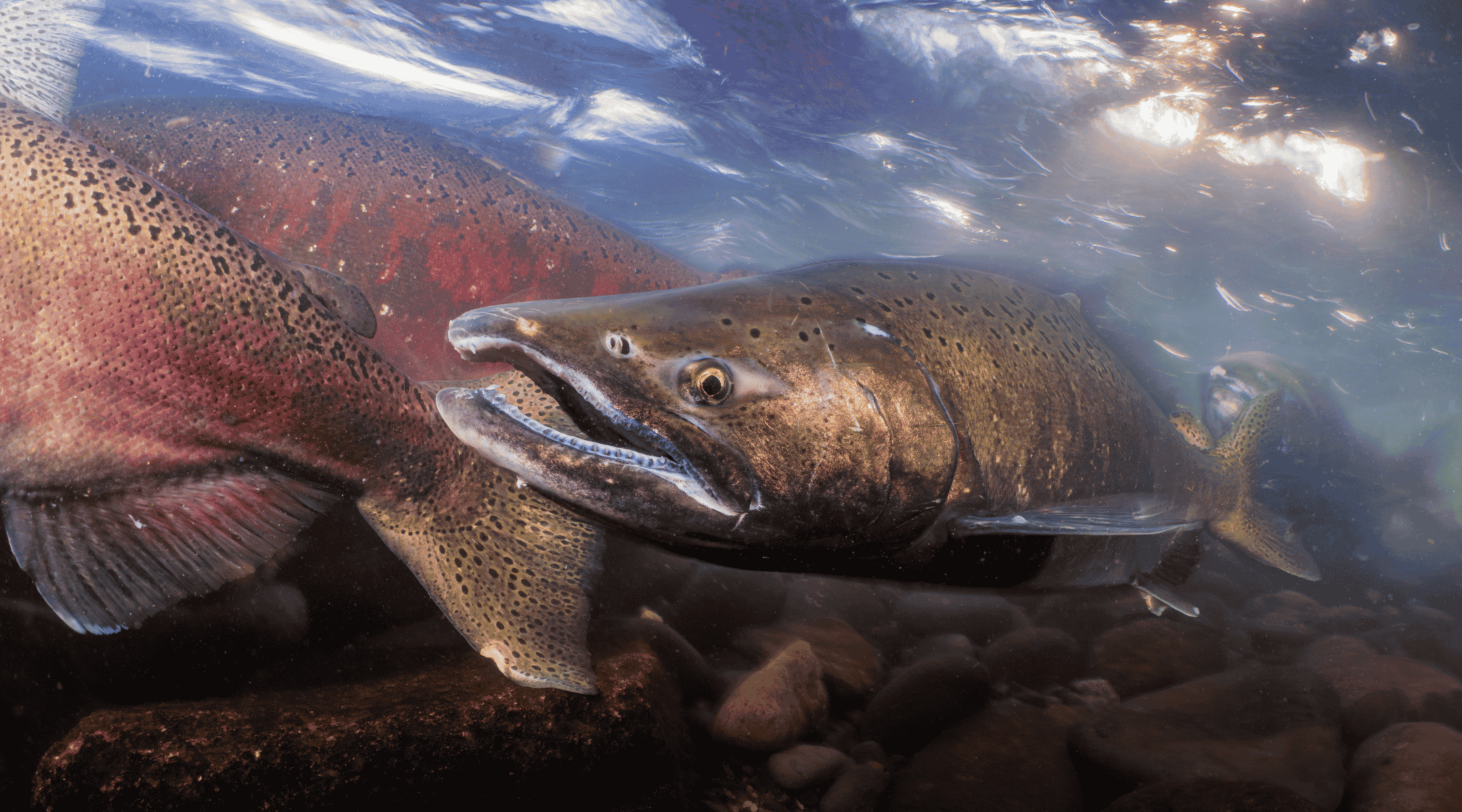
Upper Klamath-Trinity Rivers Spring-Run Chinook Salmon
Oncorhynchus tshawytscha
Species ranges
Related projects
At a Glance
Chinook salmon exhibiting spring run timing in the Klamath Basin are likely to disappear in the next 50 years. Small, self-sustaining populations remain primarily in the Salmon and South Fork Trinity rivers, where they are highly vulnerable to climate change, hybridization with hatchery-origin fish, and other stressors.
Species characteristics
Conservation Actions
Conservation Strategy
- Remove the four lowermost Klamath dams to restore access to historical cold water habitat, and undertake long-term restoration and monitoring in newly accessible habitat.
- Prioritize restoration activities in the Salmon, New, and South Fork Trinity rivers that still hold wild UKTR spring run Chinook.
- Reduce the impacts of sedimentation from roads, logging, and other activities into UKTR watersheds.
- Reduce water diversions and groundwater pumping for agricultural and other uses, especially in summer, to keep cold water in streams during stressful summer and fall months.
- Improve habitat and flow conditions in the Shasta and Scott rivers.
Where to find Upper Klamath-Trinity Rivers Spring-Run Chinook Salmon
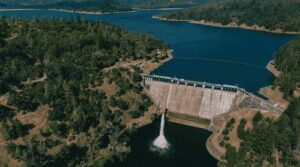
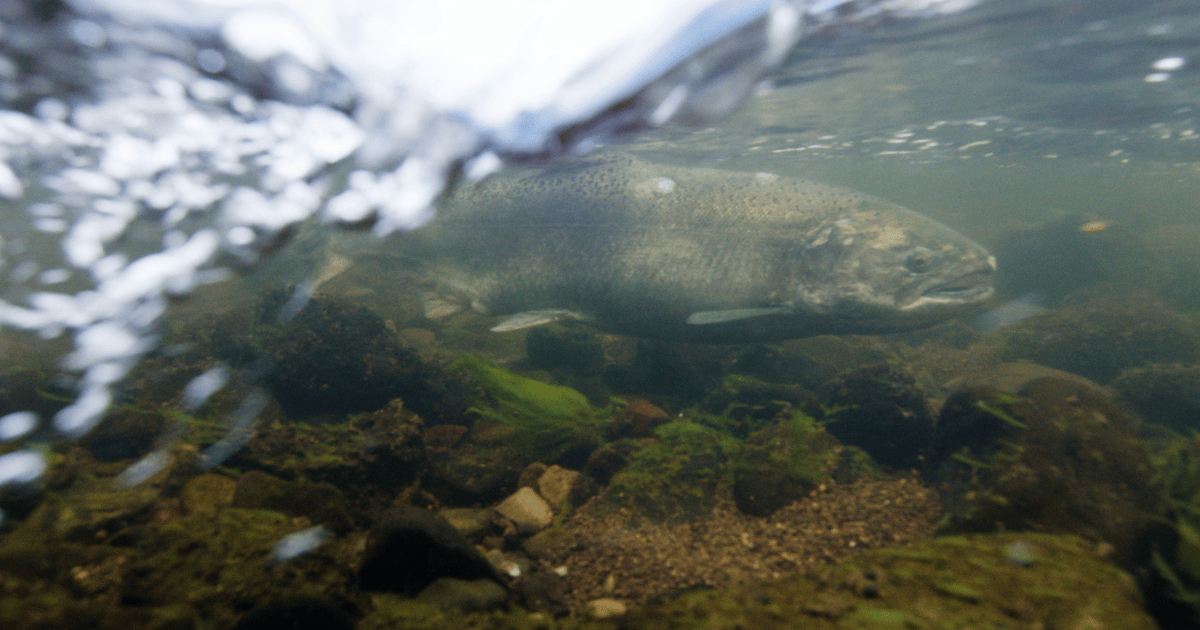
UKTR spring-run Chinook salmon were once widely disbursed throughout tributaries of the Klamath River upstream of the Trinity River confluence, including the Sprague, Wood, and Williamson rivers (Oregon), and the Shasta, Salmon, and Trinity rivers in California. The construction of dams on the Klamath (Iron Gate), Shasta (Dwinnell), and Trinity (Lewiston) rivers block access to their historical spawning grounds. While small numbers of adults return to a handful of streams each year, only the South Fork Trinity and Salmon rivers support self-sustaining populations with little hatchery influence.
How This Species Scored
From Caltrout’s SOS II Report
| METRIC | SCORE | JUSTIFICATION |
|---|---|---|
| Area occupied | 2 | Only Salmon River and South Fork Trinity River support wild, selfsustaining populations. |
| Estimated adult abundance | 2 | A few hundred natural spawners support the population, with attendant impacts of small populations and hatchery influence. |
| Intervention dependence | 2 | Hatchery stocks maintain the mainstem Trinity run; Klamath dam re- moval in Klamath is needed to restore access to historical range. (now complete) |
| Environmental tolerance | 2 | Narrow temperature tolerance (20°C) during migrations; temperatures and other factors limiting in summer holding areas. |
| Genetic risk | 1 | Hybridization with fall-run and/or hatchery spring-run is occurring in Trinity River; fitness reduction may result from hybridization. |
| Climate change | 1 | Increased temperatures, density of adults and juveniles and disease outbreaks, and reduction in suitable habitats will limit populations. |
| Anthropogenic threats | 1 | 3 High, 7 Medium factors. |
| Average | 1.6 | LEVEL OF CONCERN: CRITICAL |
CALTROUT IN ACTION
Explore projects affecting the
Upper Klamath-Trinity Rivers Spring-Run Chinook Salmon
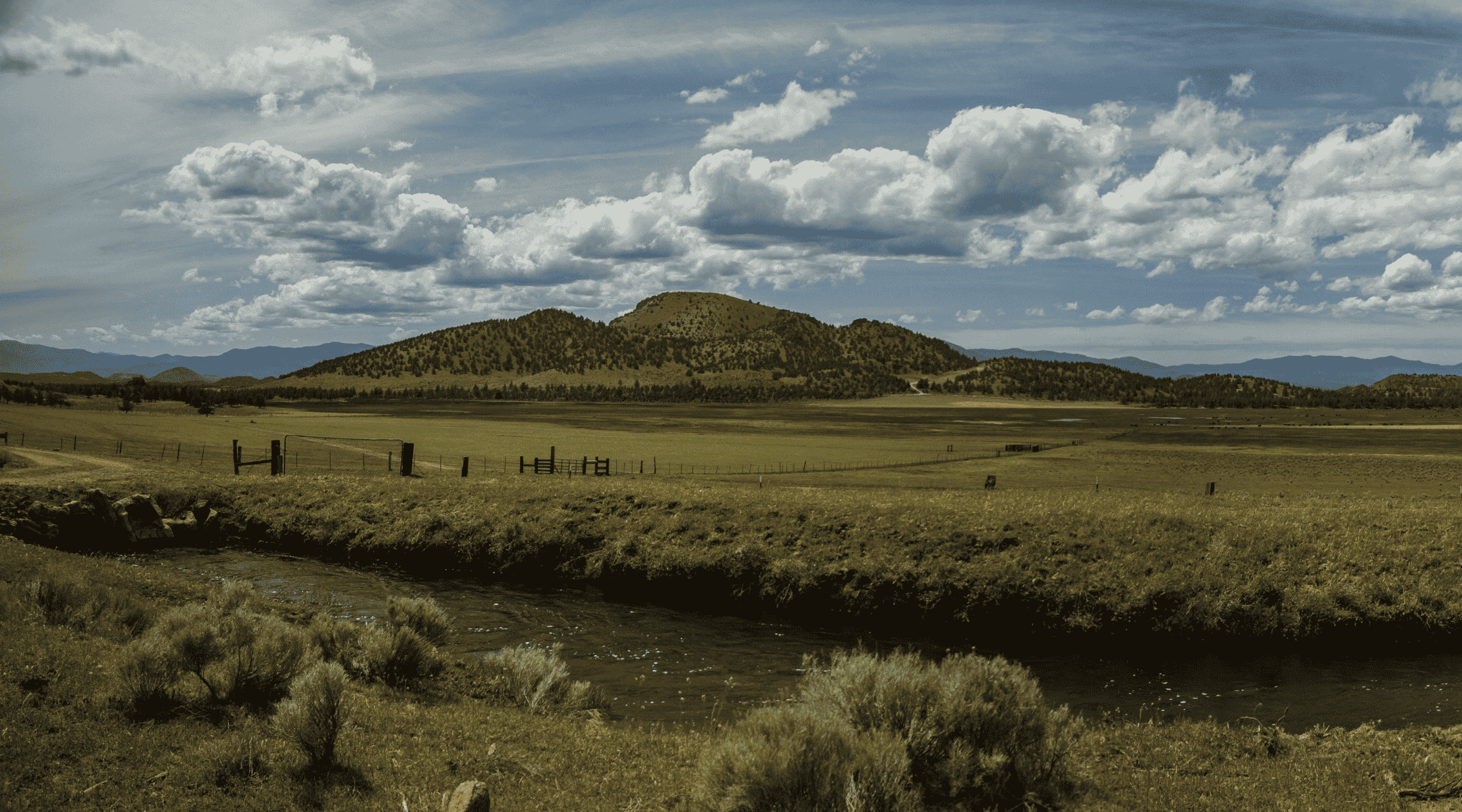
Native Salmonids
Explore California’s native fish.
From steelhead to coastal cutthroat, California’s native fish are essential to healthy rivers and thriving ecosystems.
-
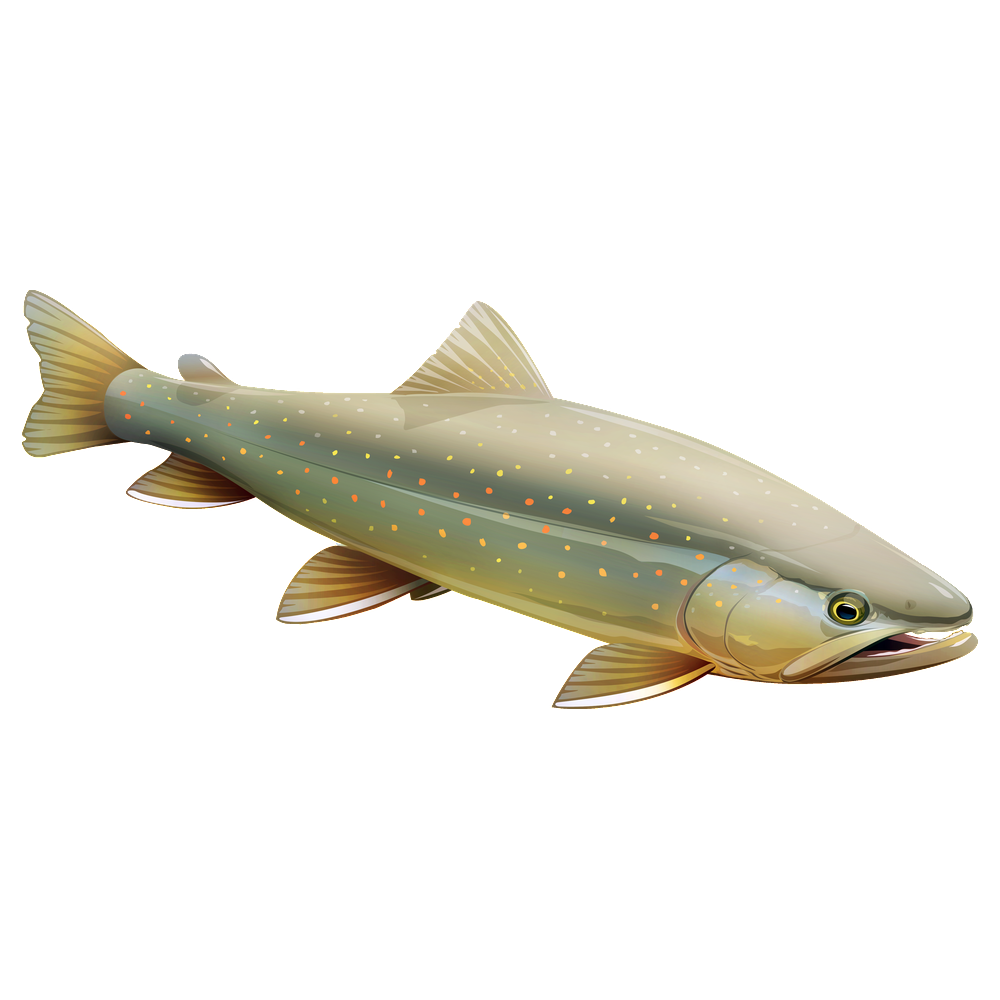
Bull Trout
-
California Coastal Chinook Salmon
-
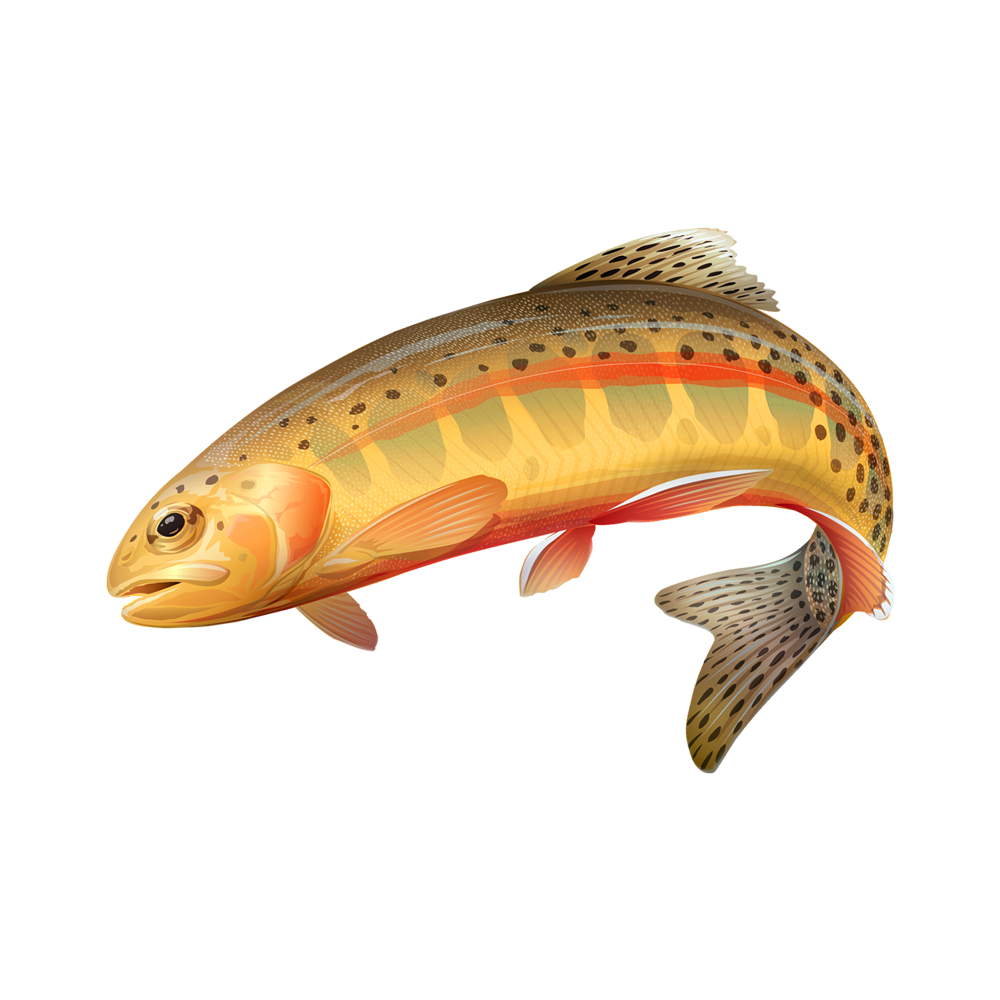
California Golden Trout
-
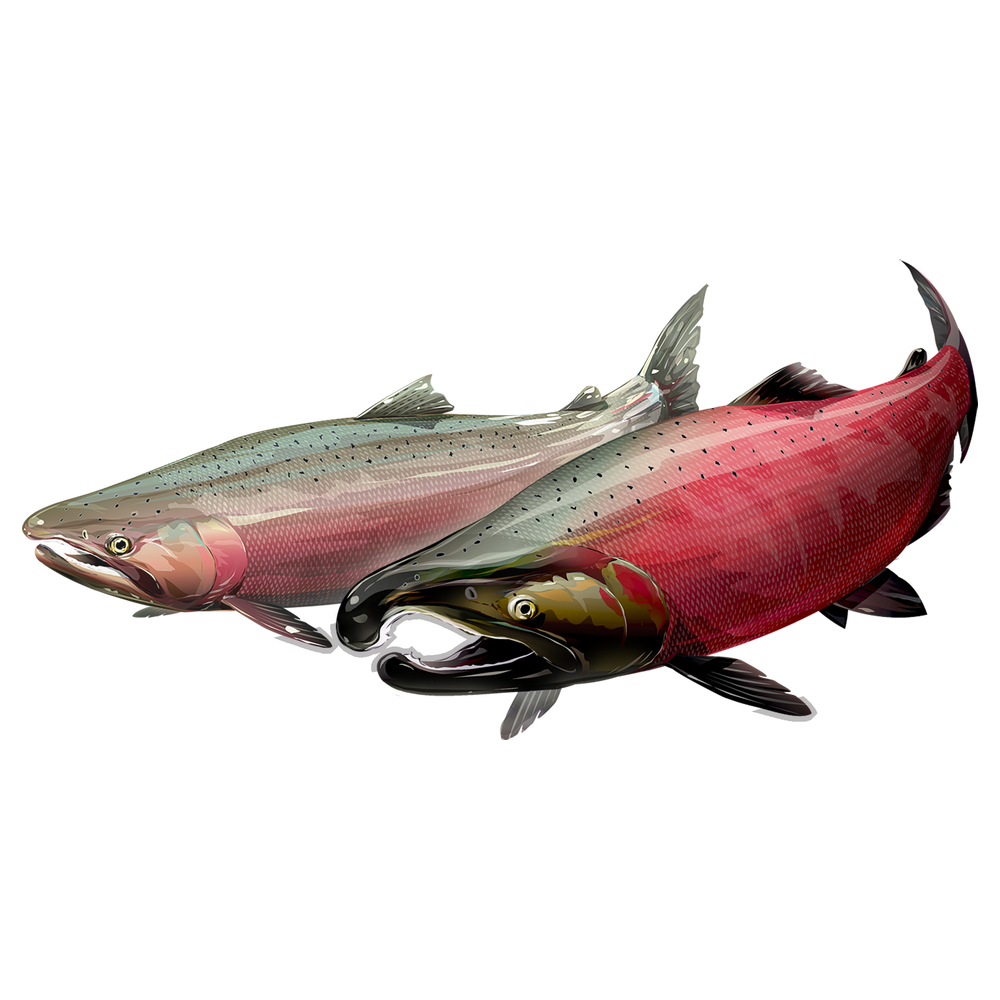
Central California Coast Coho Salmon
-
Central California Coast Steelhead
-
Central Valley Fall-Run Chinook Salmon
-
Central Valley Late Fall-Run Chinook Salmon
-
Central Valley Spring-Run Chinook Salmon
-
Central Valley Steelhead
-
Chinook Salmon
-
Chum Salmon
-
Coastal Cutthroat Trout
-
Coastal Rainbow Trout
-
Coho Salmon
-
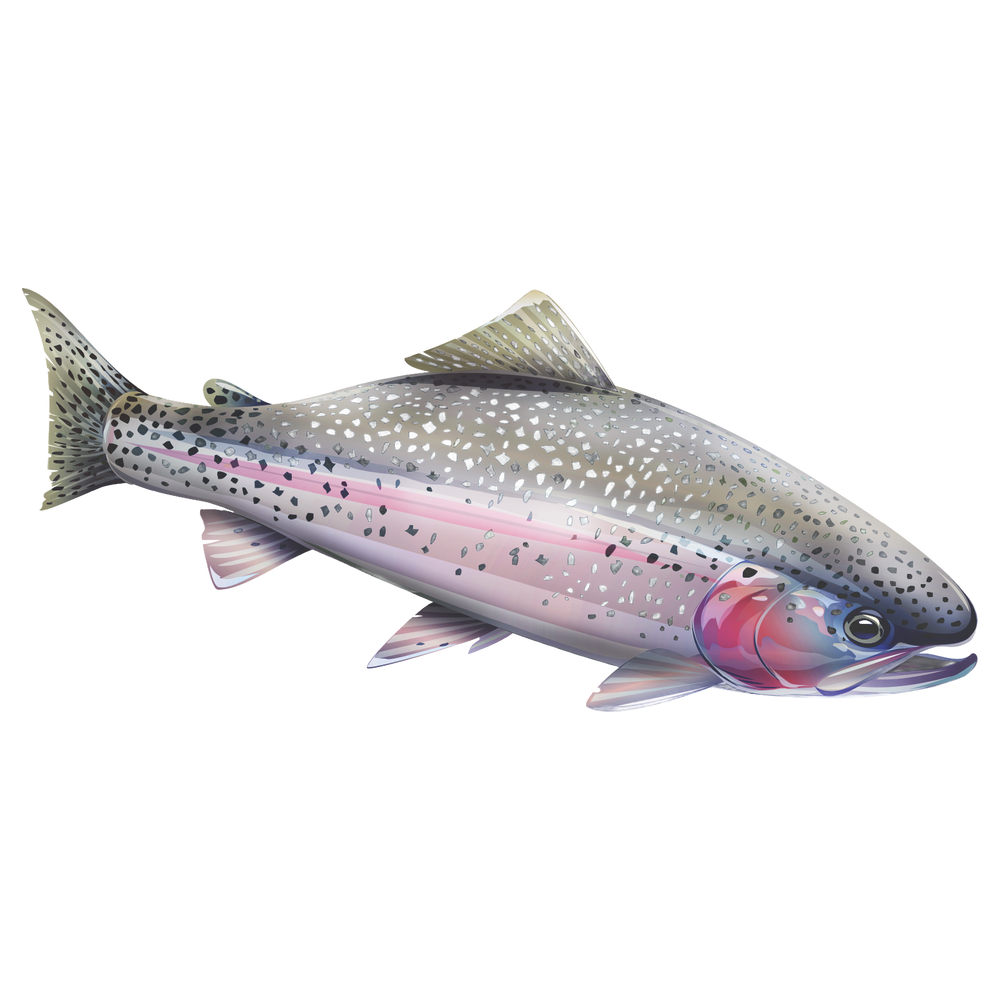
Eagle Lake Rainbow Trout
-
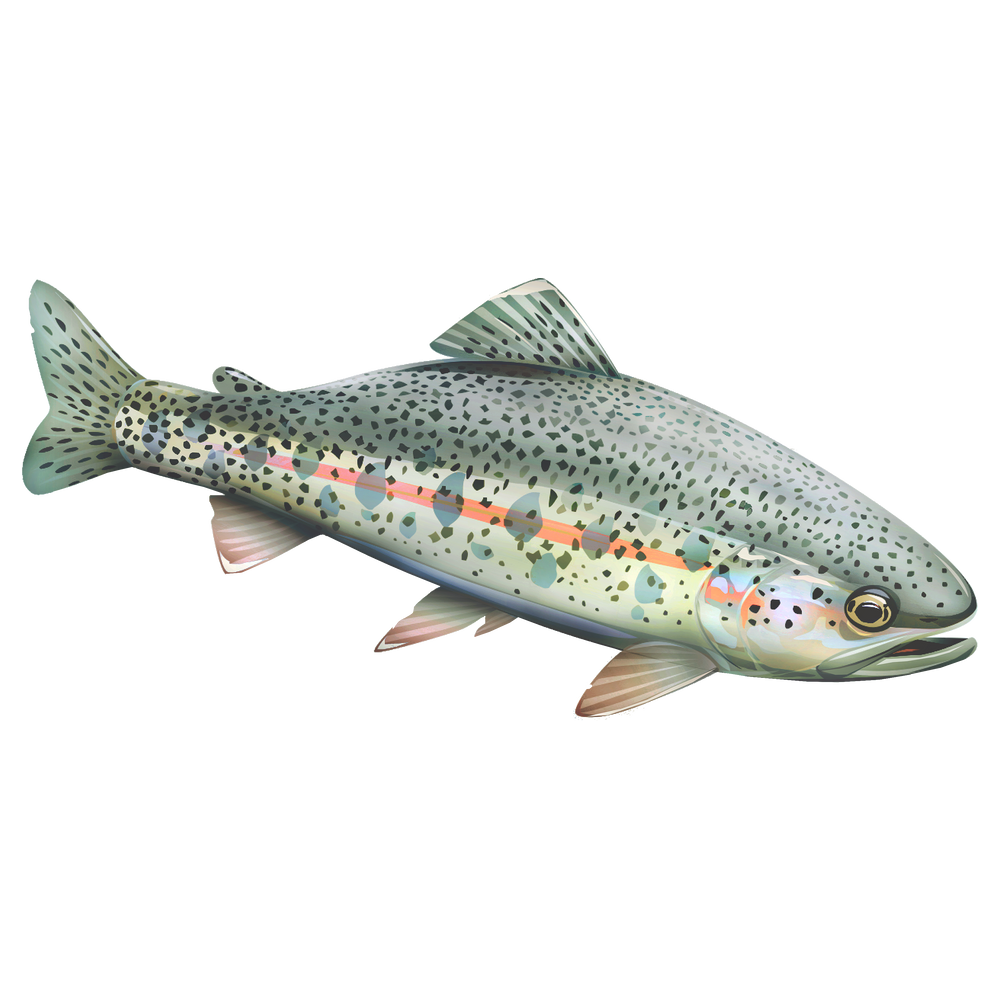
Goose Lake Redband Trout
-
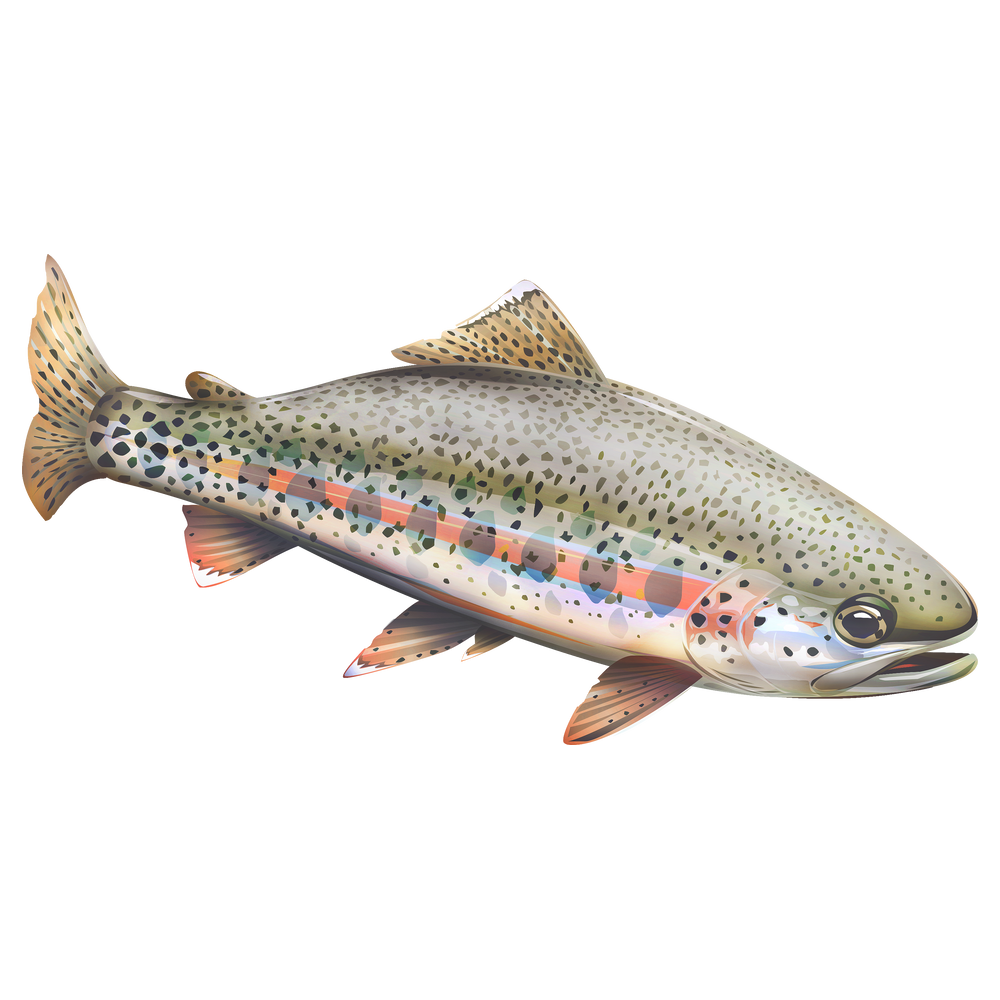
Kern River Rainbow Trout
-
Klamath Mountains Province Summer Steelhead
-
Klamath Mountains Province Winter Steelhead
-
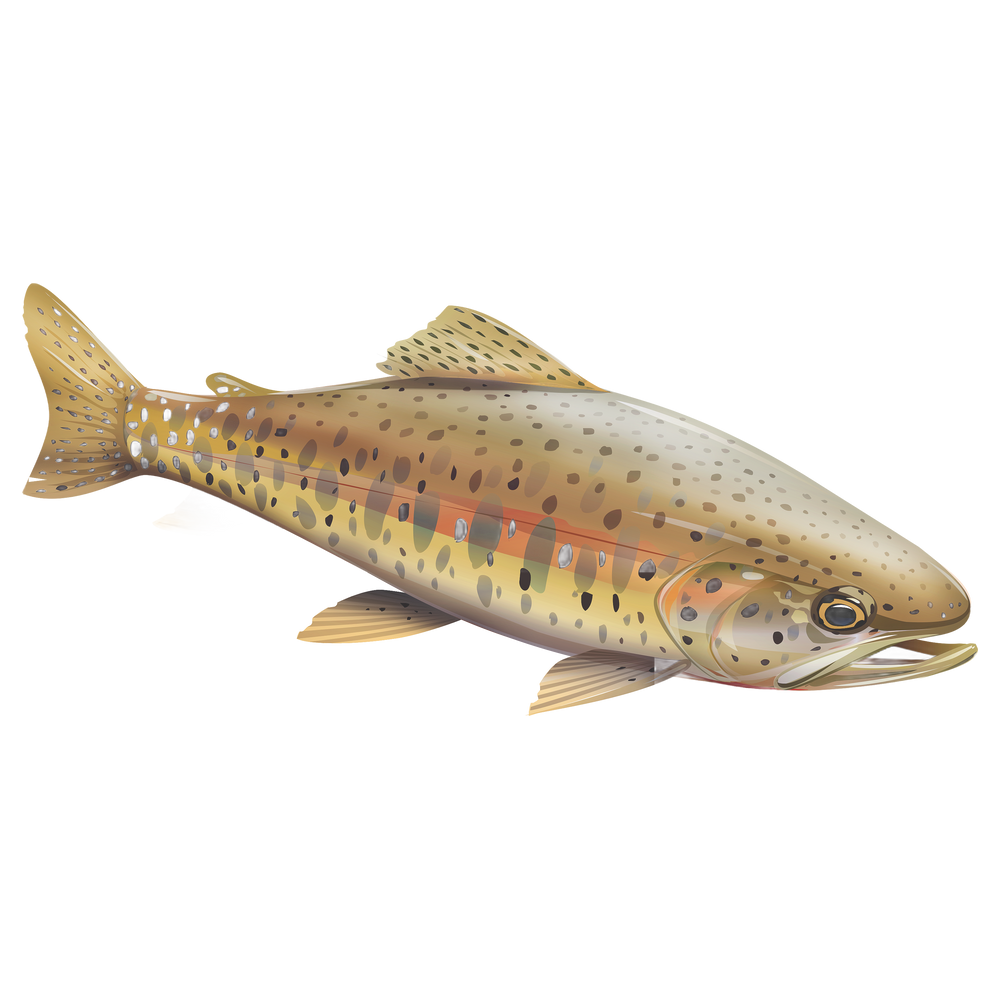
Lahontan Cutthroat Trout
-
Little Kern Golden Trout
-
McCloud River Redband Trout
-
Northern California Summer Steelhead
-
Northern California Winter Steelhead
-
Paiute Cutthroat Trout
-
Pink Salmon
-
Sacramento River Winter-Run Chinook Salmon
-
South-Central California Coast Steelhead
-
Southern Oregon/Northern California Coast Chinook Salmon
SUPPORT CalTrout
The only statewide assessment of California’s native salmon, steelhead, and trout.
CalTrout, in collaboration with academic partners, has produced two once-a-decade State of the Salmonids reports — comprehensive scientific assessments of all 32 native salmon, steelhead, and trout species in California. The third report is currently set to release in 2027.