SCORE
3.1
MODERATE
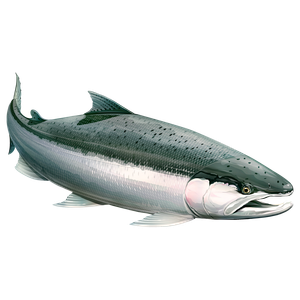
Southern Oregon/Northern California Coast Chinook Salmon
Oncorhynchus tshawytscha
Species ranges
Related projects
At a Glance
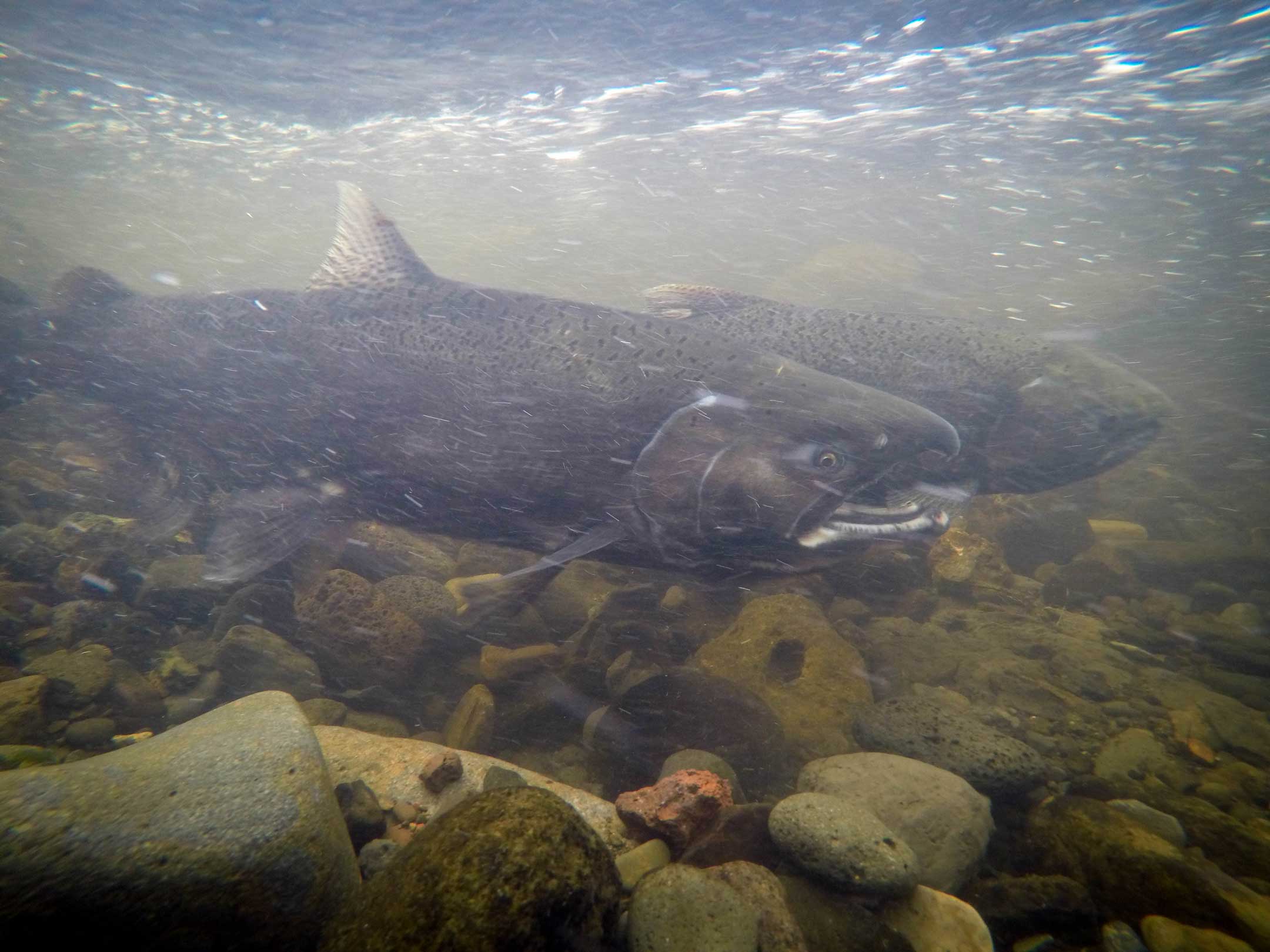
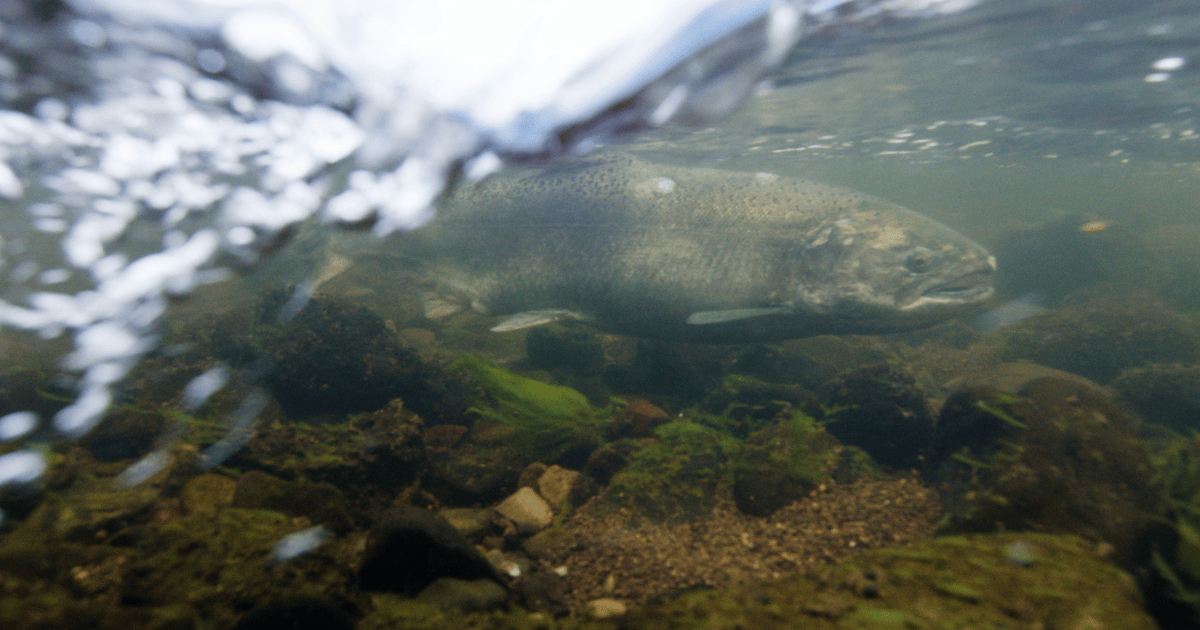
Southern Oregon/Northern California Coastal (SONCC) Chinook salmon in California are limited to only a few watersheds, but populations remain stable. They may be vulnerable to natural events such as fires, earthquakes, or floods due to their small population size and limited range.
Species characteristics
Conservation Actions
Conservation Strategy
- Create volitional passage to spawning habitat in Battle Creek.
- Increase juvenile survival by restoring floodplain habitats along lower Battle Creek, the mainstem Sacramento River, and the Yolo and Sutter bypasses.
- The proposed trap and haul programs to truck both adult and juvenile winter run Chinook around Keswick, Shasta, and McCloud dams should be viewed as a last resort extinction prevention effort which should only be implemented after all other restoration measures have been exhausted.
Where to find Southern Oregon/Northern California Coastal Chinook Salmon
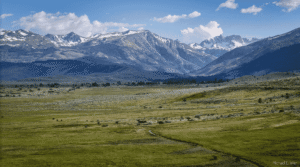
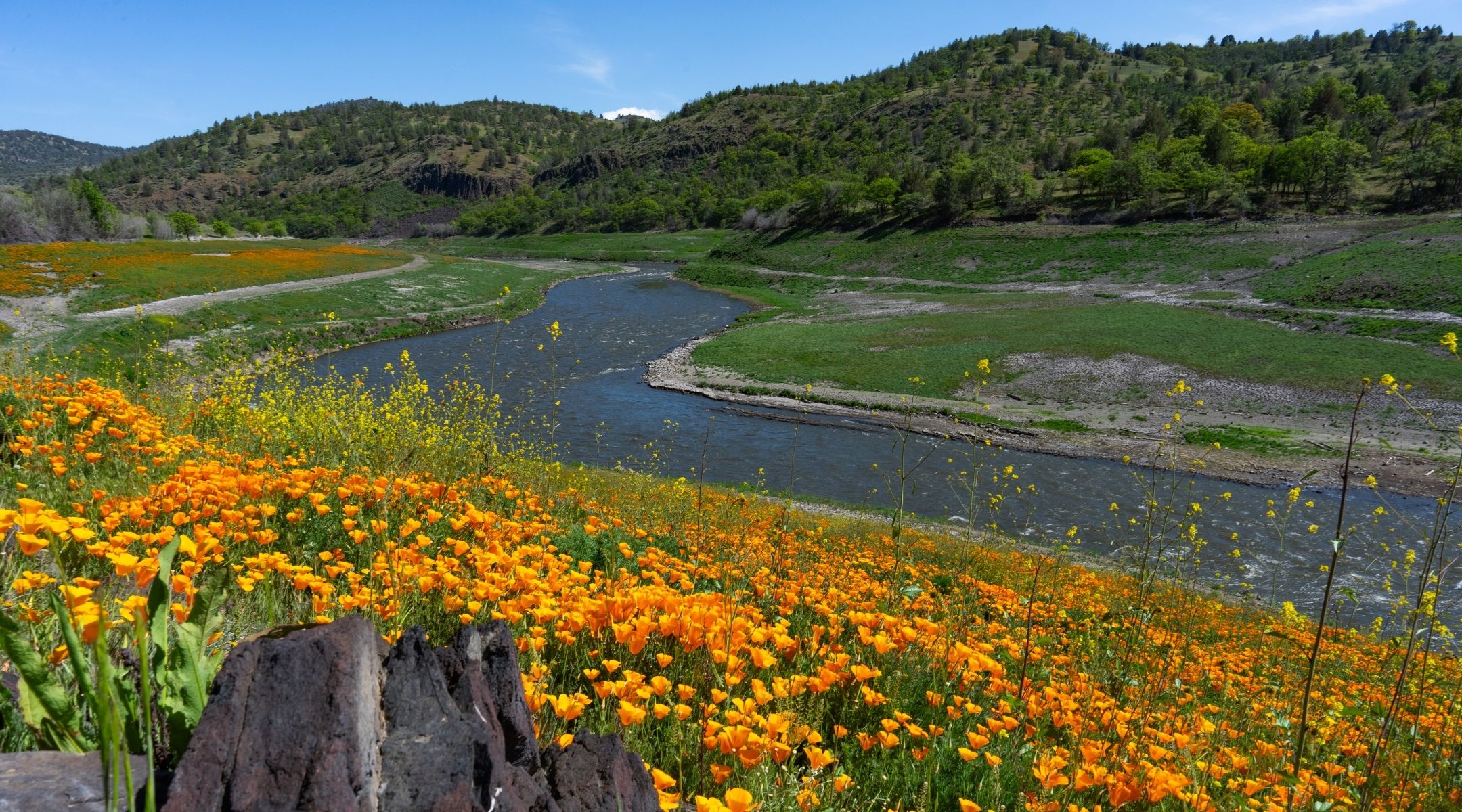
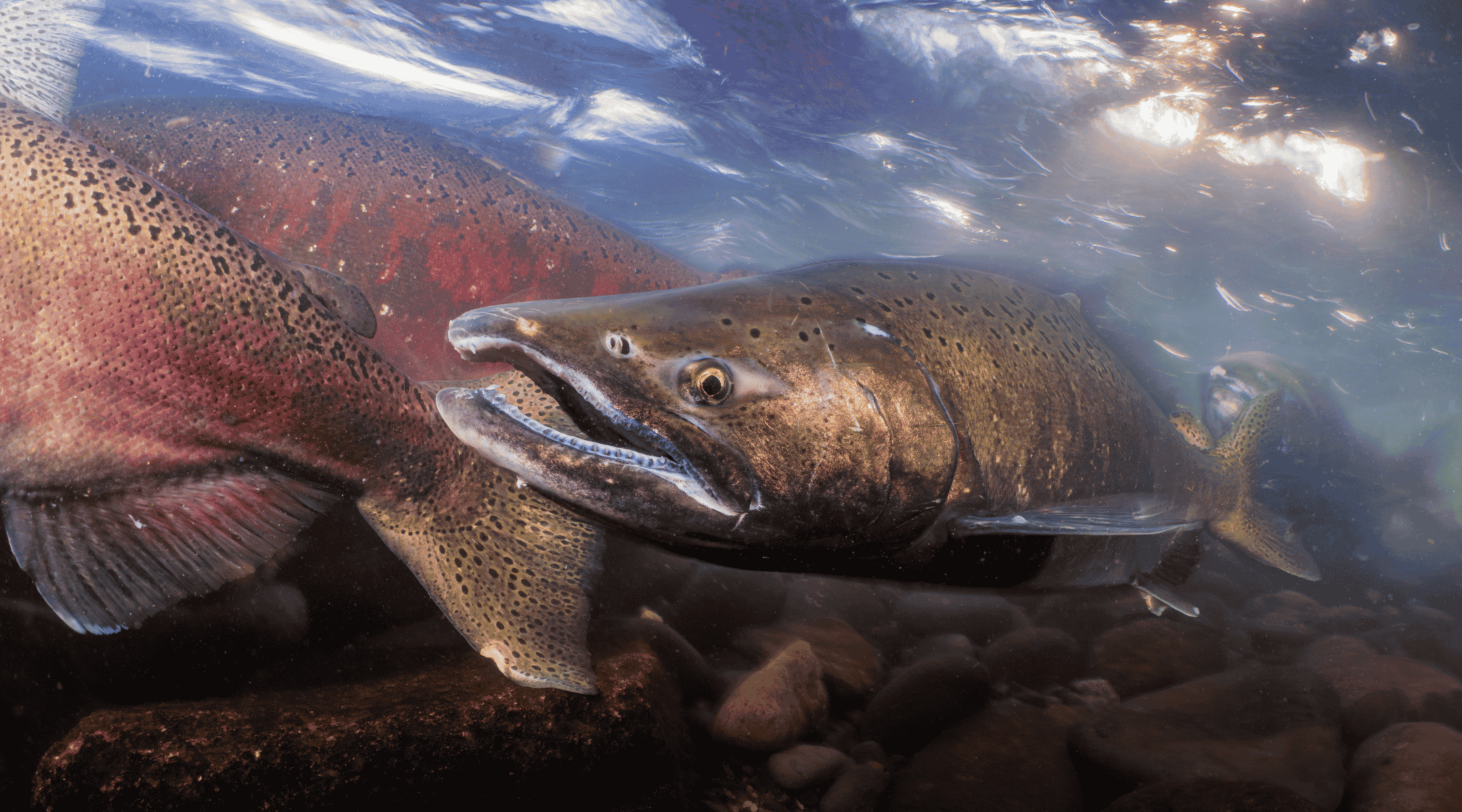
Southern Oregon/Northern California Coastal Chinook range from the Elk River, Oregon to the Klamath River’s confluence with the Trinity River. The majority of SONCC Chinook are found in Oregon streams. In California, they are found in the Smith River, Wilson Creek, and a few tributaries of the lower Klamath River such as Blue Creek. Unlike other Chinook salmon in California, SONCC Chinook tend to migrate and feed at sea north of Cape Blanco, Oregon.
How This Species Scored
From Caltrout’s SOS II Report
| METRIC | SCORE | JUSTIFICATION |
|---|---|---|
| Area occupied | 4 | Blue Creek and Smith River are the principal populations, along with smaller populations in tributaries. |
| Estimated adult abundance | 3 | Between 5,000 and 50,000 spawners in the Smith in most years; in 2011-2012, adult spawners were estimated at 20,000. 1,500 spawners in Klamath tributaries in most years. |
| Intervention dependence | 4 | California populations are largely self-sustaining but some supplementation by hatcheries is likely. |
| Environmental tolerance | 3 | Multiple juvenile life histories and spawner age diversity demonstrate physiological tolerances. |
| Genetic risk | 3 | Limited hatchery operations in California, but some concern for hybridization with hatchery ‘strays’ from Rowdy Creek Fish Hatchery and other ESUs. |
| Climate change | 2 | Fall-run is least vulnerable to climate change as they spawn later and scouring of redds is less likely to influence juveniles; sea level rise may negatively affect rearing in estuaries; Smith River likely to retain runs under worst-case scenarios through end of the century. Vulnerable to increasing temperatures, changes in flow regimes in tributaries, and variable ocean conditions. |
| Anthropogenic threats | 3 | Multiple threats rated as “Medium.” |
| Average | 3.1 | LEVEL OF CONCERN: MODERATE |
CALTROUT IN ACTION
Explore projects affecting the
Southern Oregon/Northern California Coast Chinook Salmon
Native Salmonids
Explore California’s native fish.
From steelhead to coastal cutthroat, California’s native fish are essential to healthy rivers and thriving ecosystems.
-
Bull Trout
-
California Coastal Chinook Salmon
-
California Golden Trout
-
Central California Coast Coho Salmon
-
Central California Coast Steelhead
-
Central Valley Fall-Run Chinook Salmon
-
Central Valley Late Fall-Run Chinook Salmon
-
Central Valley Spring-Run Chinook Salmon
-
Central Valley Steelhead
-
Chinook Salmon
-
Chum Salmon
-
Coastal Cutthroat Trout
-
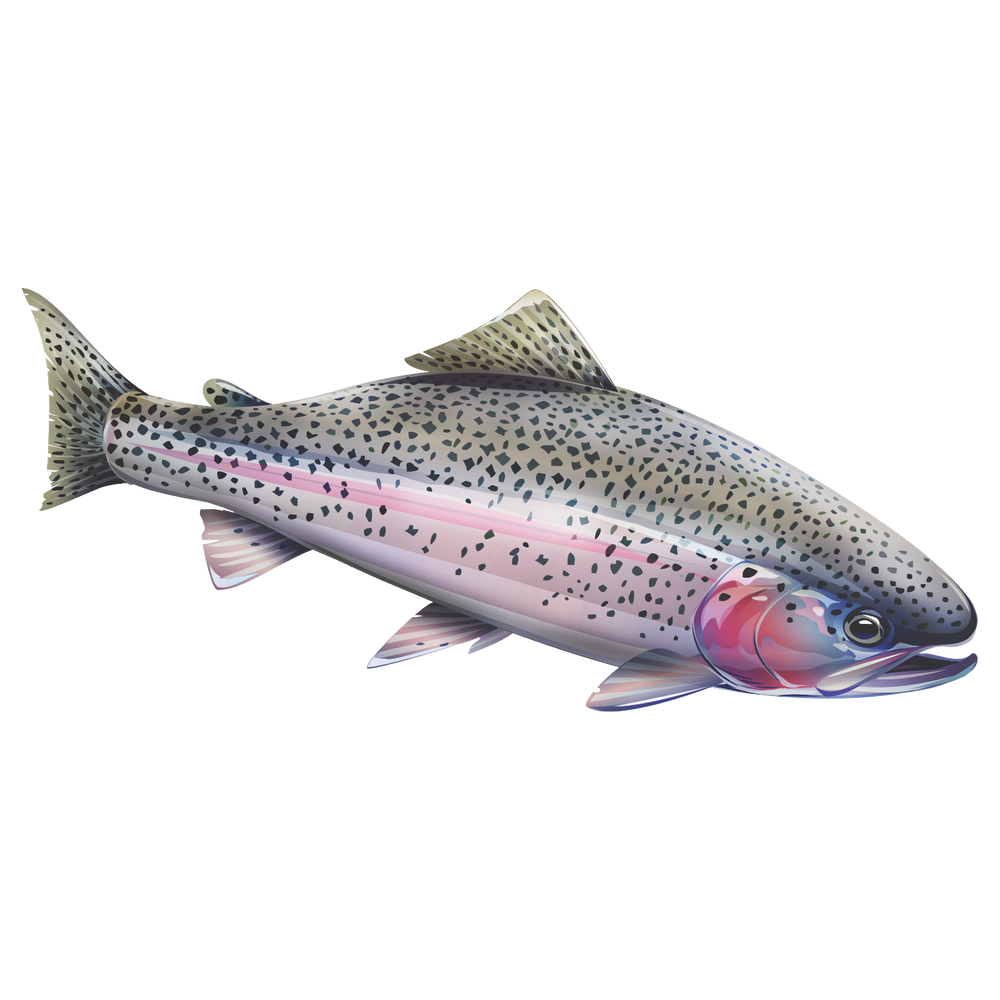
Coastal Rainbow Trout
-
Coho Salmon
-
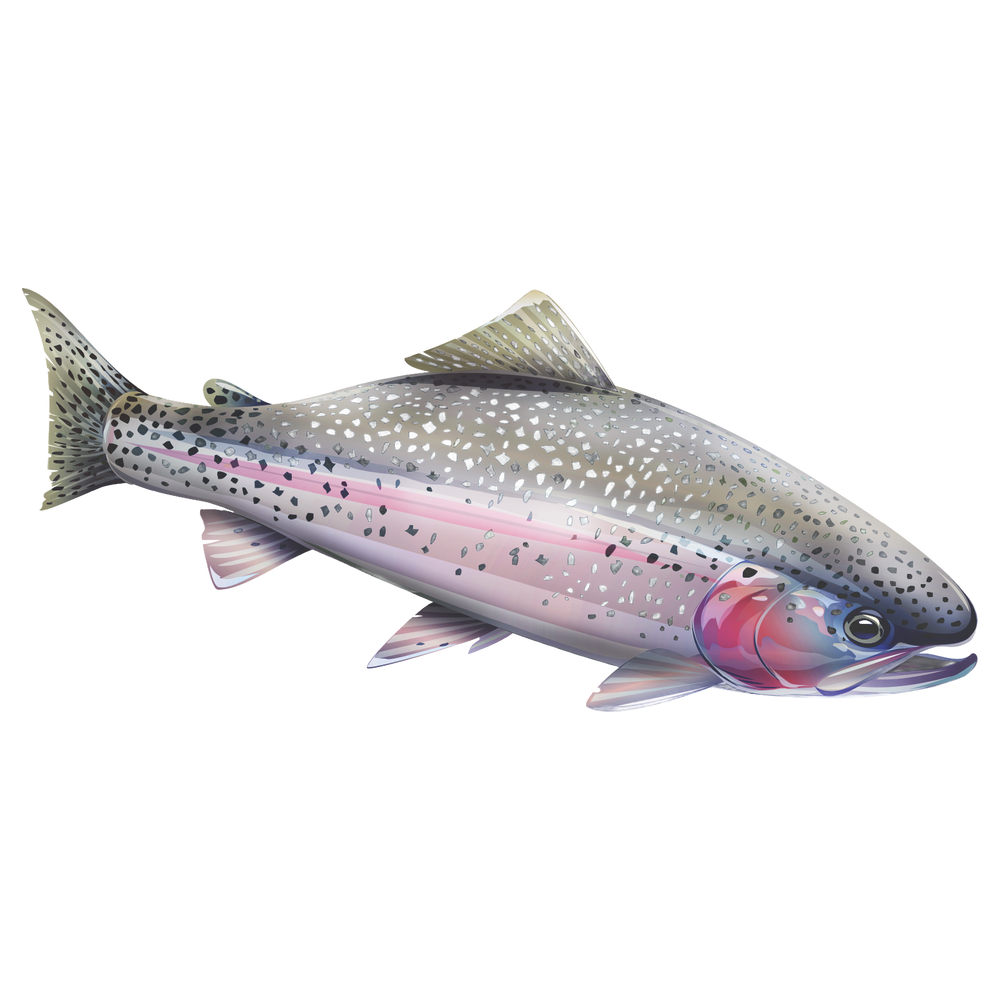
Eagle Lake Rainbow Trout
-
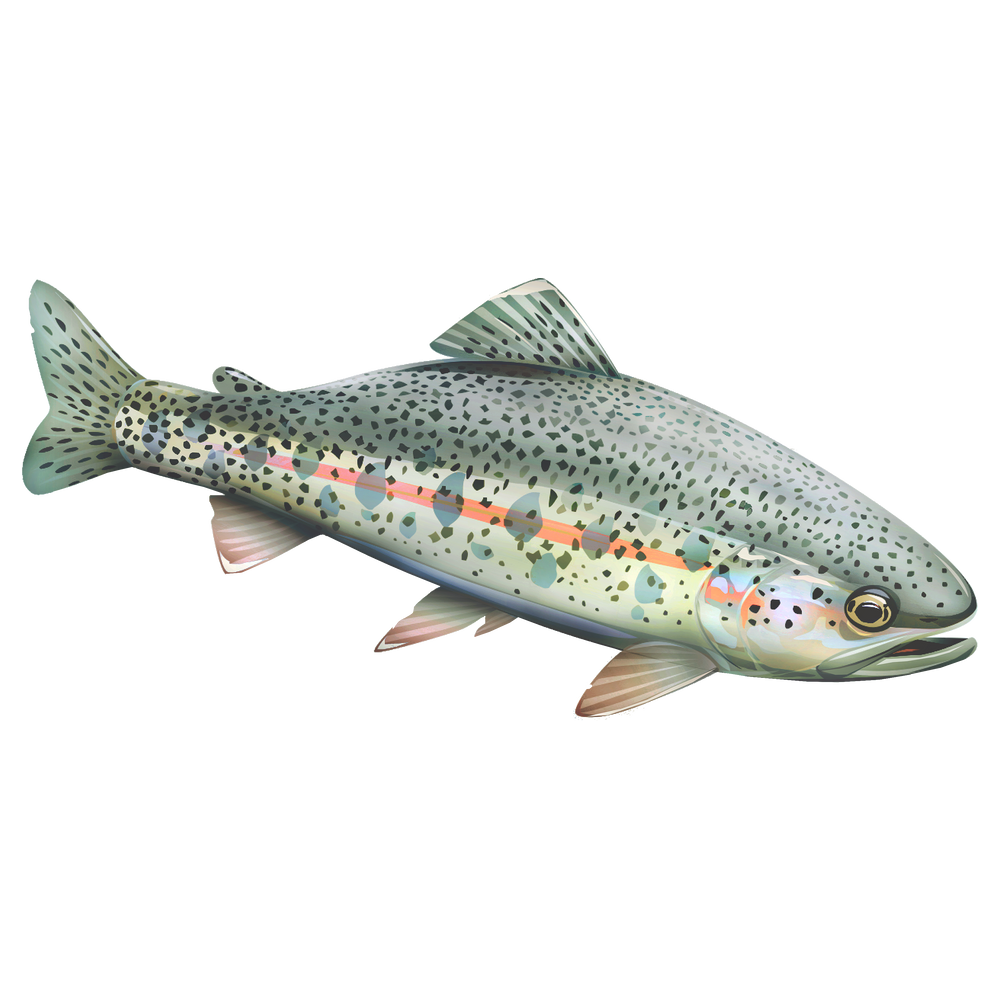
Goose Lake Redband Trout
-
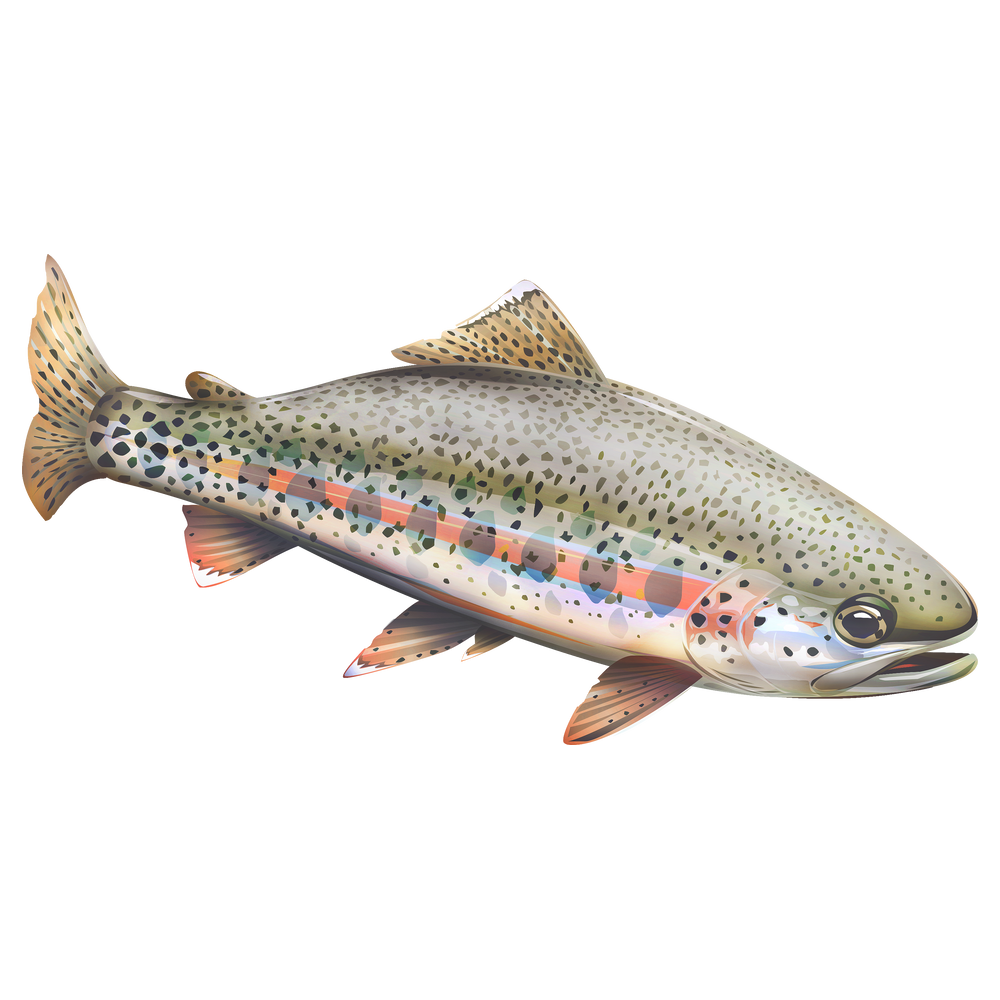
Kern River Rainbow Trout
-
Klamath Mountains Province Summer Steelhead
-
Klamath Mountains Province Winter Steelhead
-
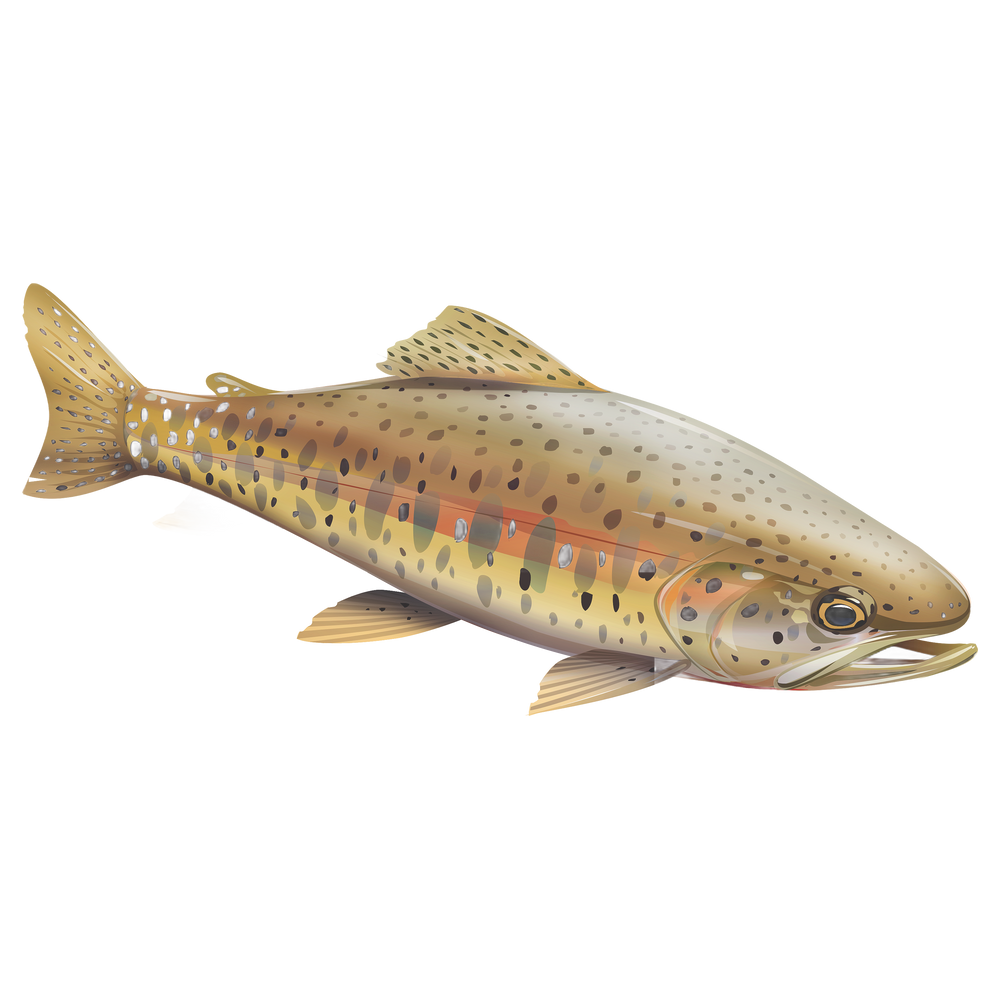
Lahontan Cutthroat Trout
-
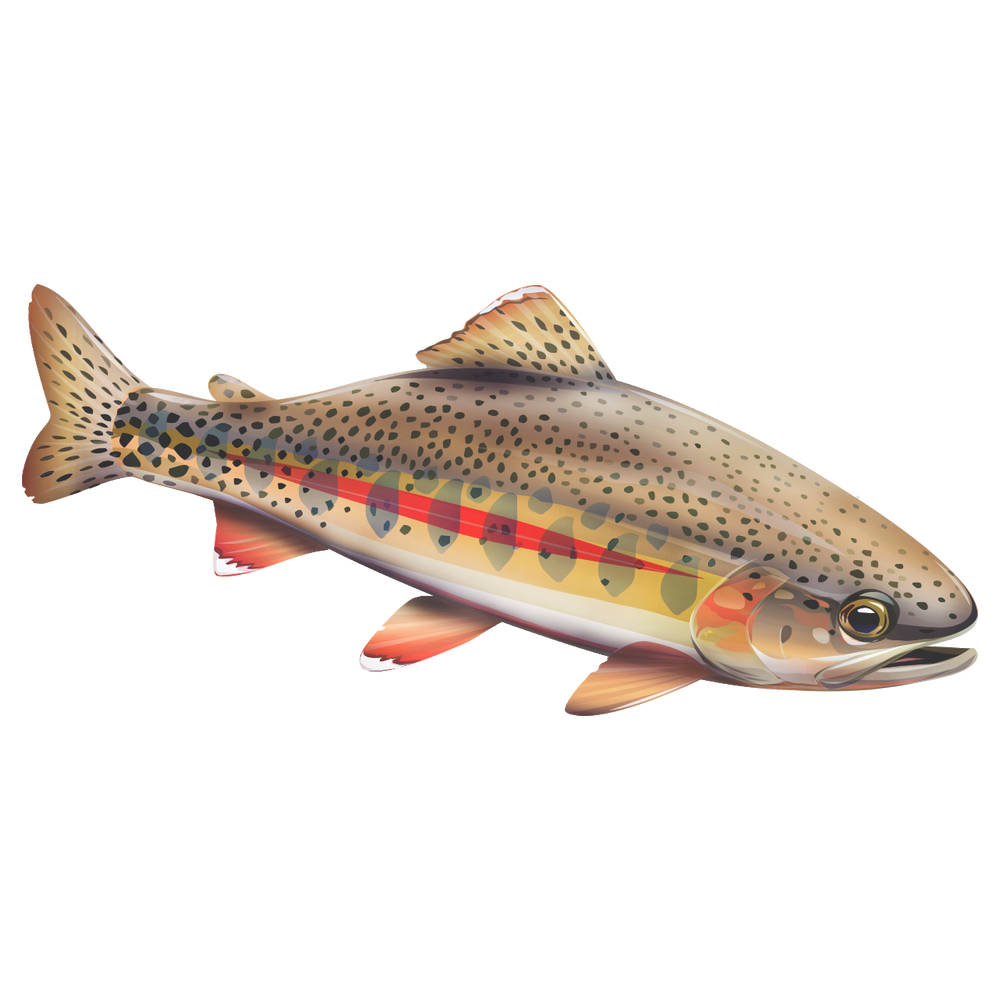
Little Kern Golden Trout
-
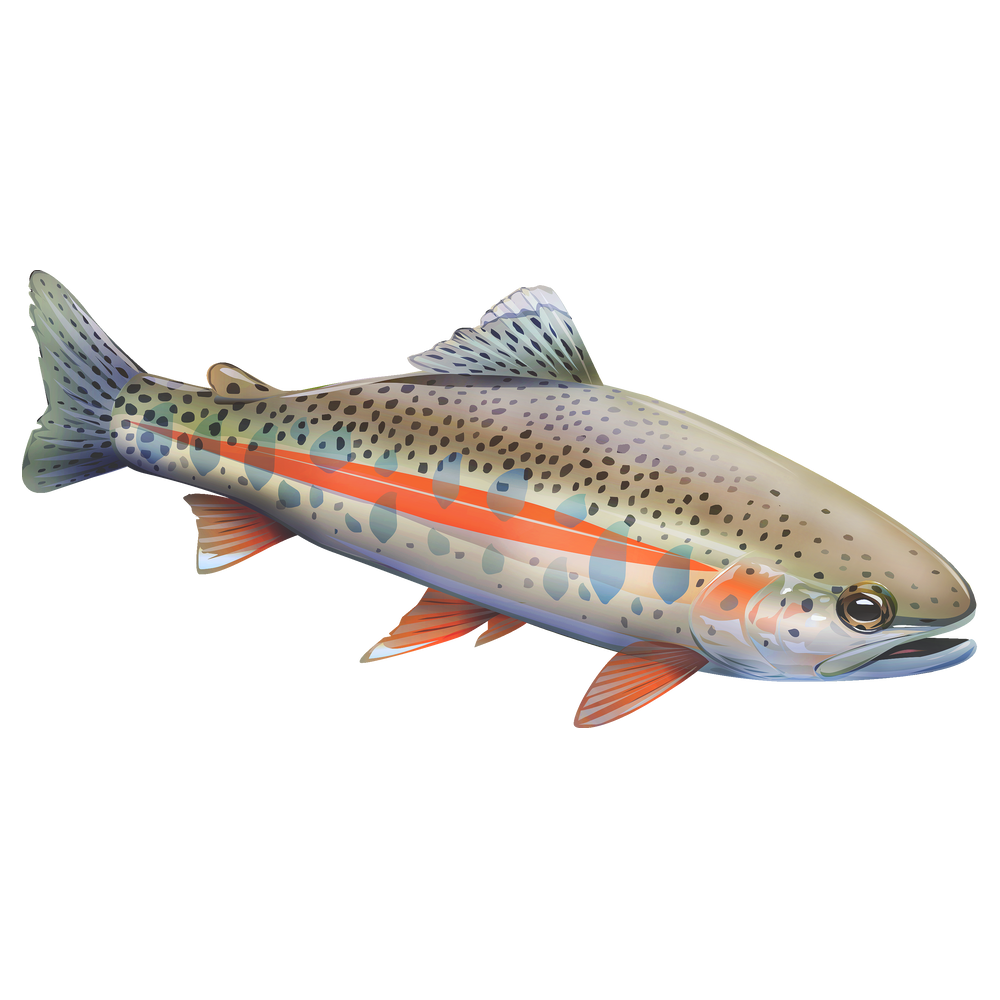
McCloud River Redband Trout
-
Northern California Summer Steelhead
-
Northern California Winter Steelhead
-
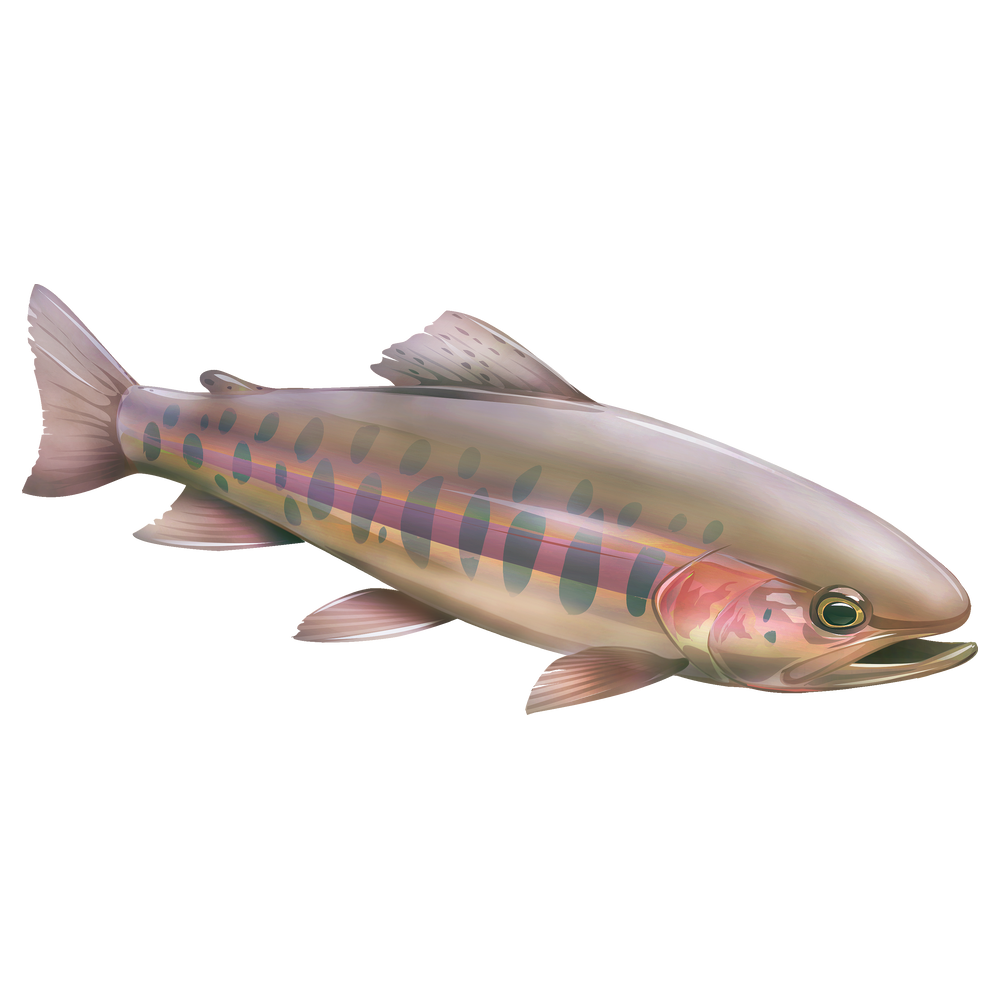
Paiute Cutthroat Trout
-
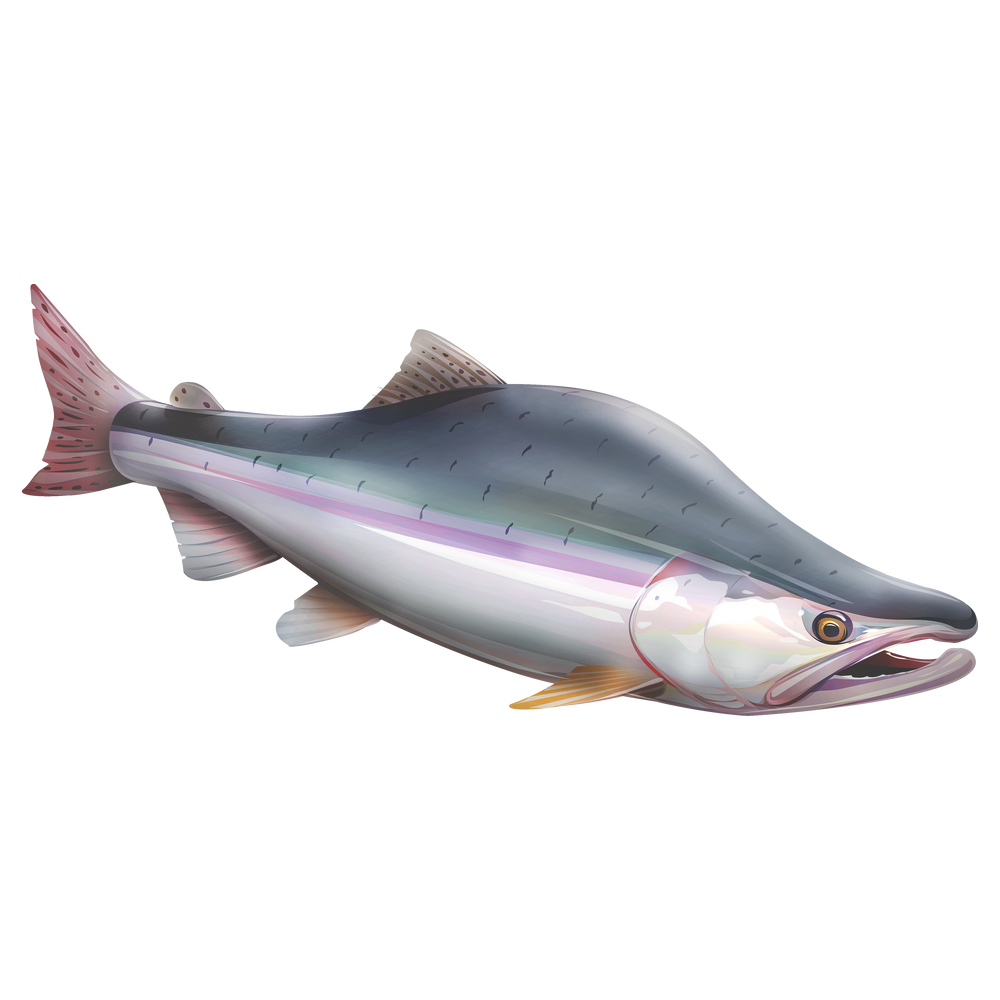
Pink Salmon
-
Sacramento River Winter-Run Chinook Salmon
-
South-Central California Coast Steelhead
-
Southern Oregon/Northern California Coast Chinook Salmon
SUPPORT CalTrout
The only statewide assessment of California’s native salmon, steelhead, and trout.
CalTrout, in collaboration with academic partners, has produced two once-a-decade State of the Salmonids reports — comprehensive scientific assessments of all 32 native salmon, steelhead, and trout species in California. The third report is currently set to release in 2027.