
SCORE
1.7
CRITICAL
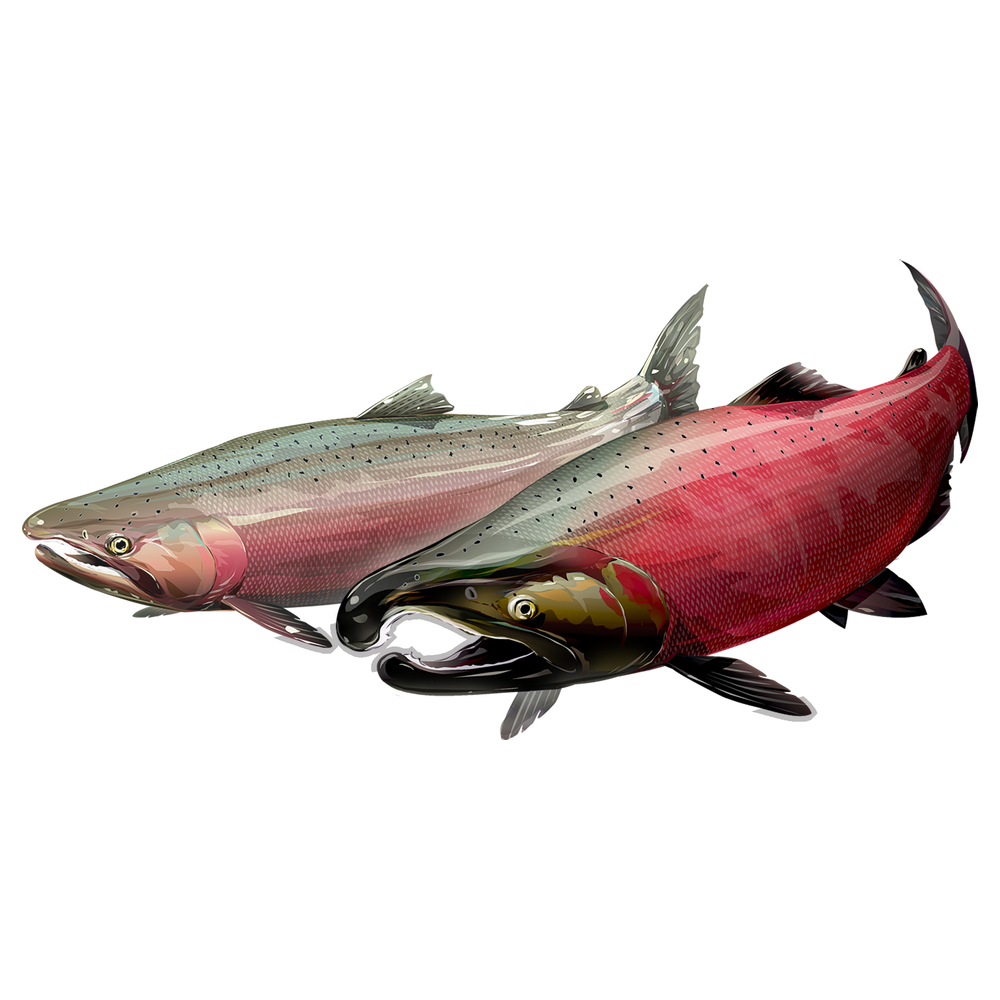
Southern Oregon/Northern California Coast Coho Salmon
Oncorhynchus kisutch
Species ranges
Related projects
At a Glance
Southern Oregon/Northern California Coast Coho are critically vulnerable to extinction as wild fish within the next 50-100 years. There has likely been 95% or more decline in numbers since the 1960s in California due to dam construction and habitat degradation from various land use practices.
Species characteristics
Conservation Actions
Conservation Strategy
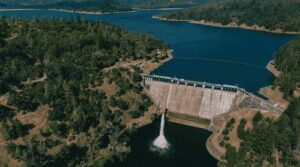
- Remove the four lowermost Klamath dams to restore access to historical cold water habitat. (dam removal now complete)
- Use emergency rearing facilities that mimic natural conditions to increase juvenile SONCC Coho survival during drought or significant watershed restoration.
- Protect spawning, rearing, and feeding habitats, and connectivity between them, to allow Coho salmon to express their diverse life histories on a broad scale.
- Use voluntary water forbearance programs, reduce illegal water diversions, and expand use of water storage tanks to maintain cold streamflows during all seasons.
- Enhance habitat and improve flow conditions in the Shasta and Scott rivers to support Coho salmon.
Where to find Southern Oregon/Northern California Coast Coho Salmon
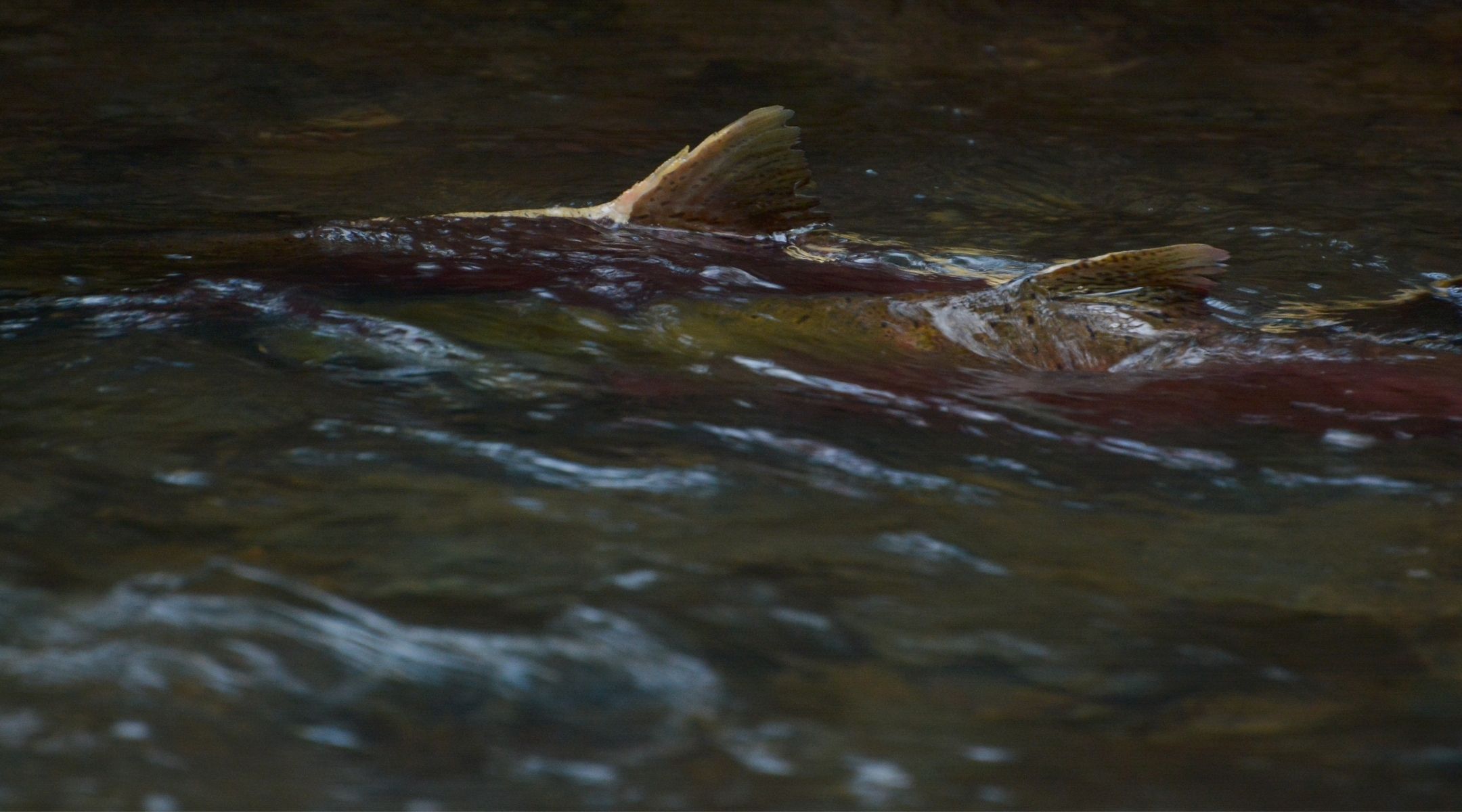
SONCC Coho salmon are distributed widely across the North Pacific, from northern Japan to California. SONCC Coho are found in the Rogue River (Oregon) to the Mattole River (Mendocino County). Historically, SONCC Coho occupied numerous coastal basins with high quality habitat in the lower portions of watersheds.
How This Species Scored
From Caltrout’s SOS II Report
| METRIC | SCORE | JUSTIFICATION |
|---|---|---|
| Area occupied | 4 | Populations in Eel, Klamath, Mattole, and other watersheds. |
| Estimated adult abundance | 2 | Most populations are isolated and function independently and are <100 fish. Less than 5,000 wild adults return to spawn each year. |
| Intervention dependence | 2 | All populations require continuous intervention to persist. |
| Environmental tolerance | 1 | Coho are among the most sensitive of salmonids to changing environmental conditions. |
| Genetic risk | 1 | See Bucklin et al. (2007). Climate change ll 1 Rated critically vulnerable in Moyle et al. (2013). |
| Climate change | 1 | Rated critically vulnerable in Moyle et al. (2013). |
| Anthropogenic threats | 1 | 1 Critical, 3 High factors. |
| Average | 1.7 | LEVEL OF CONCERN: CRITICAL |
CALTROUT IN ACTION
Explore projects affecting the
Southern Oregon/Northern California Coast Coho Salmon

Native Salmonids
Explore California’s native fish.
From steelhead to coastal cutthroat, California’s native fish are essential to healthy rivers and thriving ecosystems.
-
Bull Trout
-
California Coastal Chinook Salmon
-
California Golden Trout
-
Central California Coast Coho Salmon
-
Central California Coast Steelhead
-
Central Valley Fall-Run Chinook Salmon
-
Central Valley Late Fall-Run Chinook Salmon
-
Central Valley Spring-Run Chinook Salmon
-
Central Valley Steelhead
-
Chinook Salmon
-
Chum Salmon
-
Coastal Cutthroat Trout
-
Coastal Rainbow Trout
-
Coho Salmon
-
Eagle Lake Rainbow Trout
-
Goose Lake Redband Trout
-
Kern River Rainbow Trout
-
Klamath Mountains Province Summer Steelhead
-
Klamath Mountains Province Winter Steelhead
-
Lahontan Cutthroat Trout
-
Little Kern Golden Trout
-
McCloud River Redband Trout
-
Northern California Summer Steelhead
-
Northern California Winter Steelhead
-
Paiute Cutthroat Trout
-
Pink Salmon
-
Sacramento River Winter-Run Chinook Salmon
-
South-Central California Coast Steelhead
-
Southern Oregon/Northern California Coast Chinook Salmon
SUPPORT CalTrout
The only statewide assessment of California’s native salmon, steelhead, and trout.
CalTrout, in collaboration with academic partners, has produced two once-a-decade State of the Salmonids reports — comprehensive scientific assessments of all 32 native salmon, steelhead, and trout species in California. The third report is currently set to release in 2027.