Healthy rivers rely on connection.
California’s rivers hold thousands of miles of wild fish habitat that are out of reach. We’re opening them back up. For millions of years, California’s salmon, steelhead, and trout have made incredible journeys between the ocean and river headwaters. CalTrout works across the state to strategically identify and advance removal or redesign of barriers in key watersheds, so fish can migrate and rivers can flow freely.
Removing Dams and Barriers
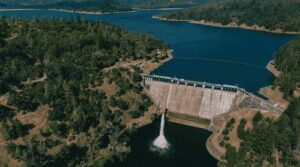
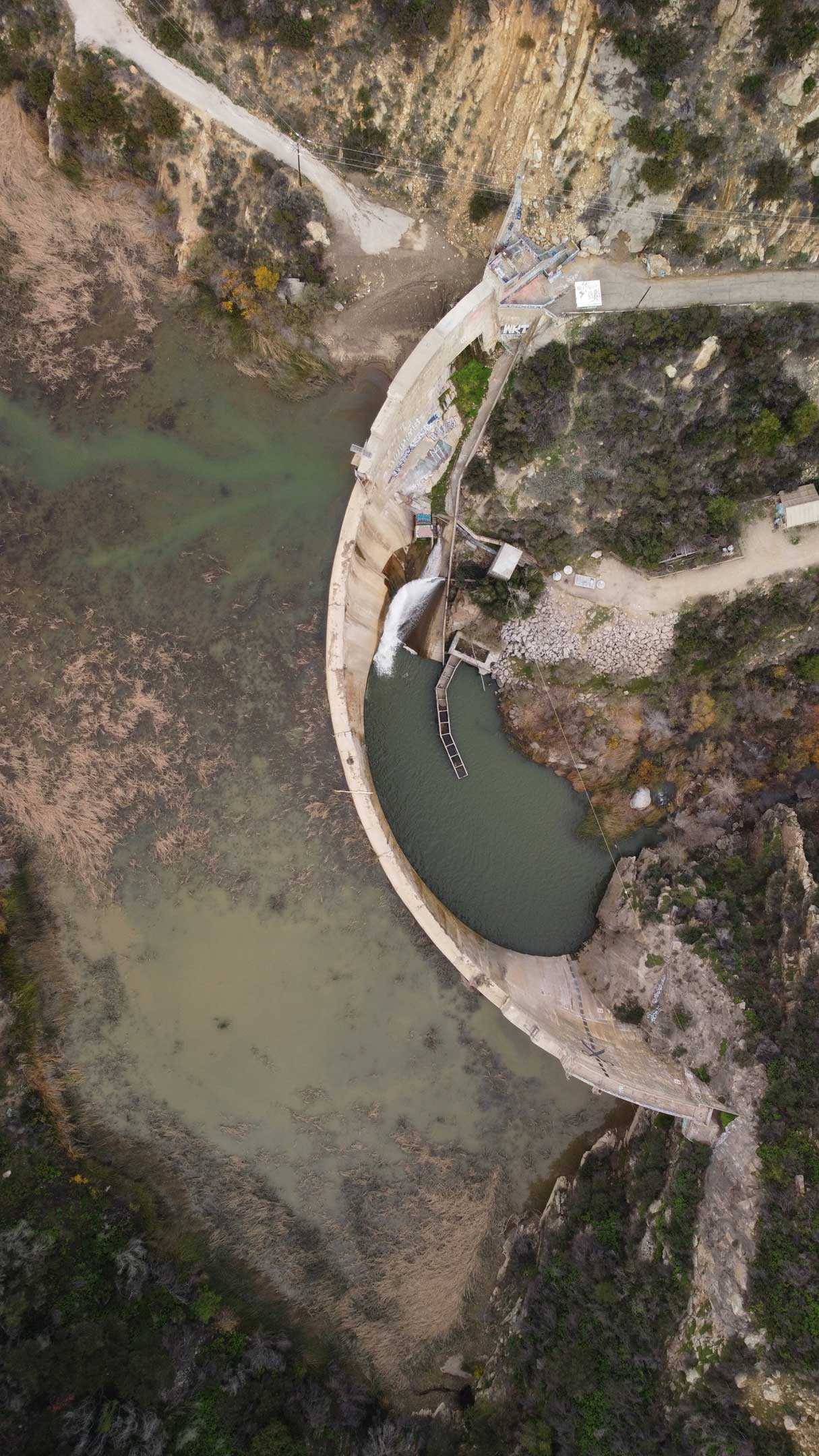
Much of the infrastructure built in California’s rivers is now aging, obsolete, and at times unsafe.
Over the past century, we built dams, roads, and other infrastructure that interrupt the journey of salmon, steelhead, and trout.
California’s rivers contain thousands of aging structures, many of which no longer serve their original purposes. The result is fragmented habitat, altered flow regimes, impounded sediments, impaired water quality, and native species pushed toward extinction.
The state of California’s barriers
The numbers speak for themselves. We’ve accomplished a lot, but there’s still so much work left to do.
Across the state, thousands of aging dams, culverts, and undersized crossings block fish passage, and harm resources our wildlife and communities depend on.
1,400
Large dams in California and thousands of smaller ones
72 yrs
Average age of a California dam
25%
Of California’s dams are more than 93 years old
1,797
Dams removed across California since 1912
CalTrout’s Connectivity Program
Facilitating California’s Largest Dam Removal Efforts
California’s dams are aging, and many are in poor condition. Some have sediment-filled reservoirs, defunct hydropower facilities, or pose safety risks. Removing these dams can restore rivers, protect downstream communities, improve water quality, sustain wild fish, and support recreation and local economies.
CalTrout is advancing the removal of California’s largest, least useful dams. The removal of dams is time consuming, expensive, and can be politically charged. Through our Connectivity Program, our team of experts build coalitions and work in partnership to evaluate, plan, and advance complex dam removal projects in priority watersheds across the state.
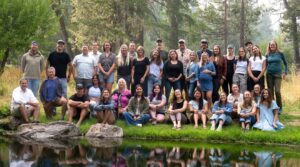
Meet the Connectivity Program Team
-

Walter “Redgie” Collins, Esq.
-
Charlie Schneider
-

Ren Brownell
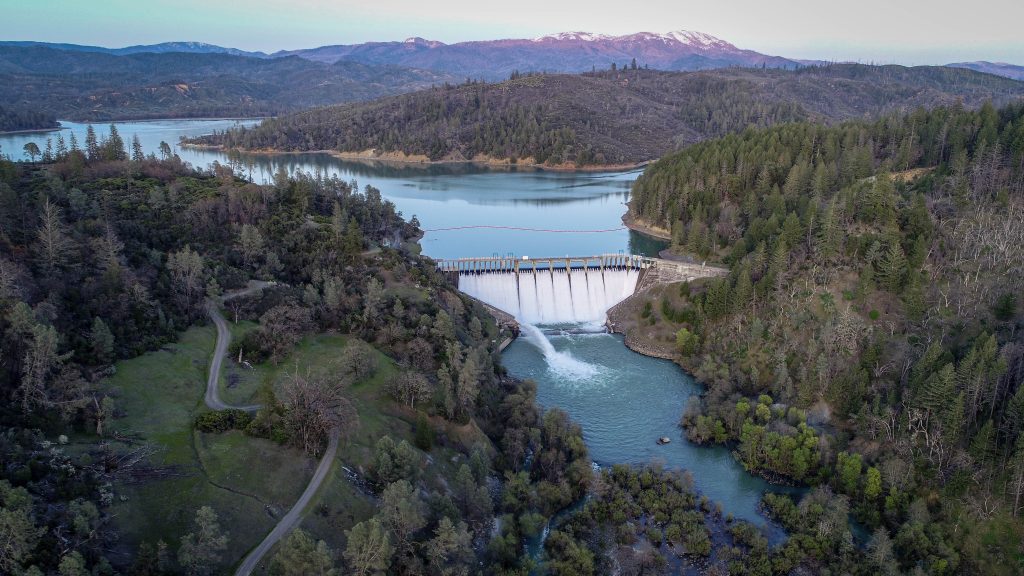
Our Priority Watersheds for Dam Removal
California’s Top 5 Dams Out
Through our Dams Out Report, CalTrout identified the state’s highest-priority dam removal opportunities— large projects with the greatest potential to restore fish passage, improve river health, and reconnect communities with healthy waterways. Since then, the successful removal of the four lower Klamath River dams has demonstrated what’s possible. Today, five priority watersheds are California’s next major river restoration projects.
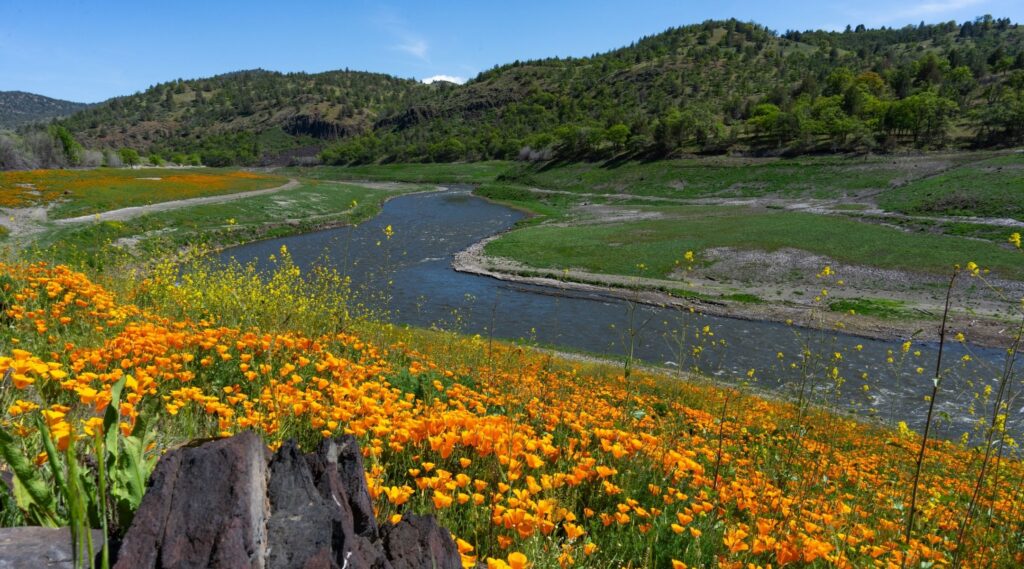
Complete · 2024 | All four dams removed, actively monitoring
Klamath River Dams
Active
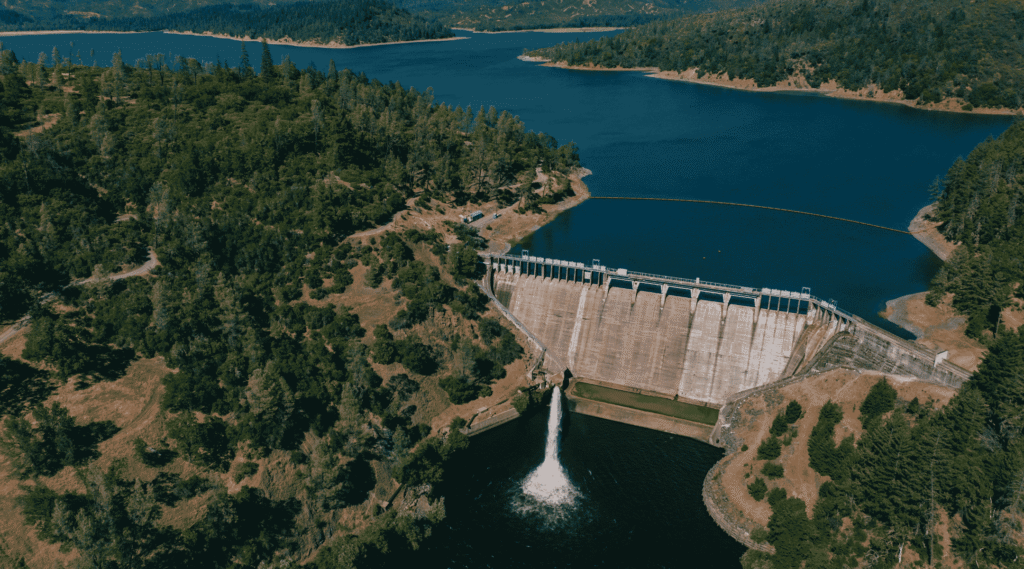
Eel River Dams
Active
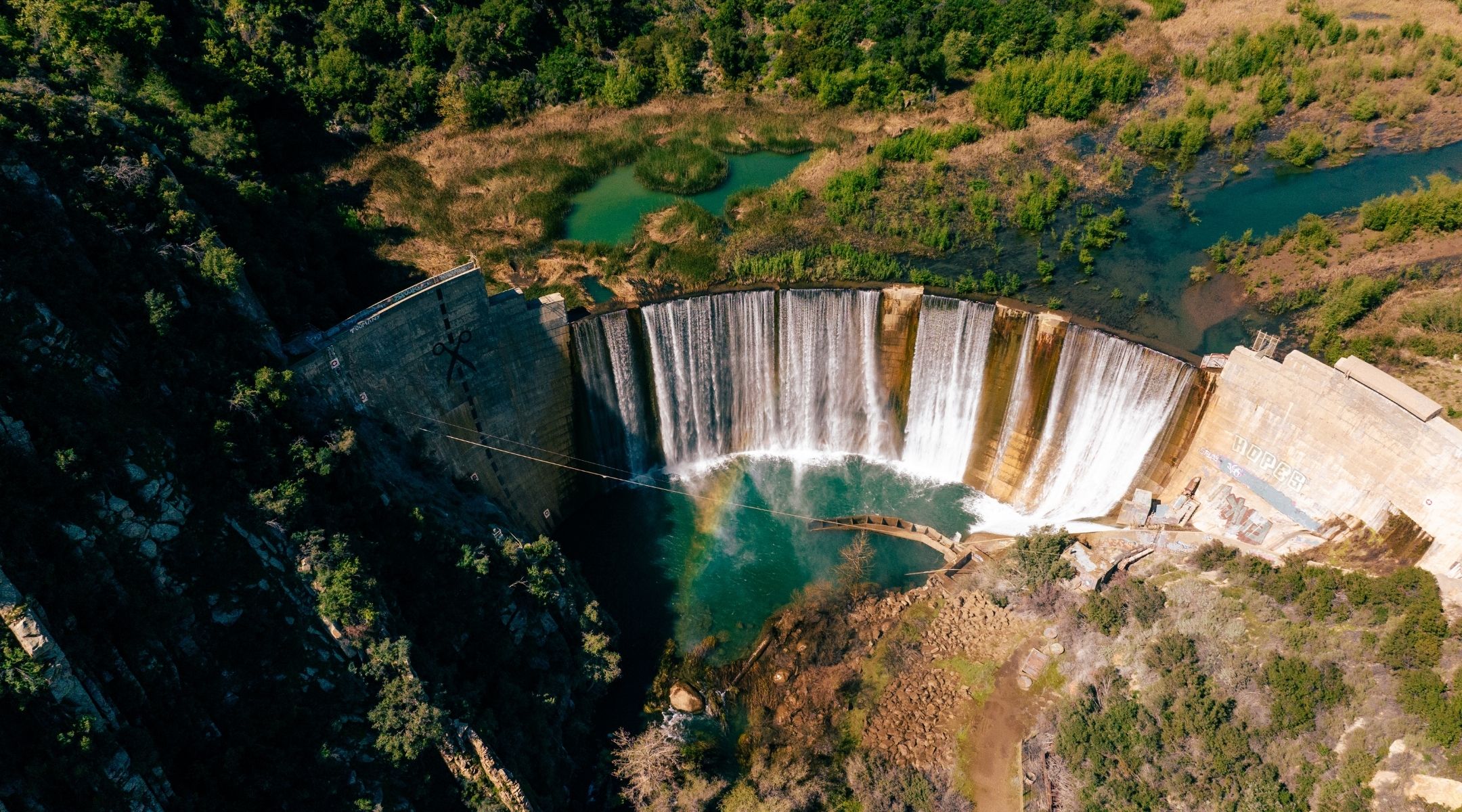
Matilija Dam (Ventura River)
Active
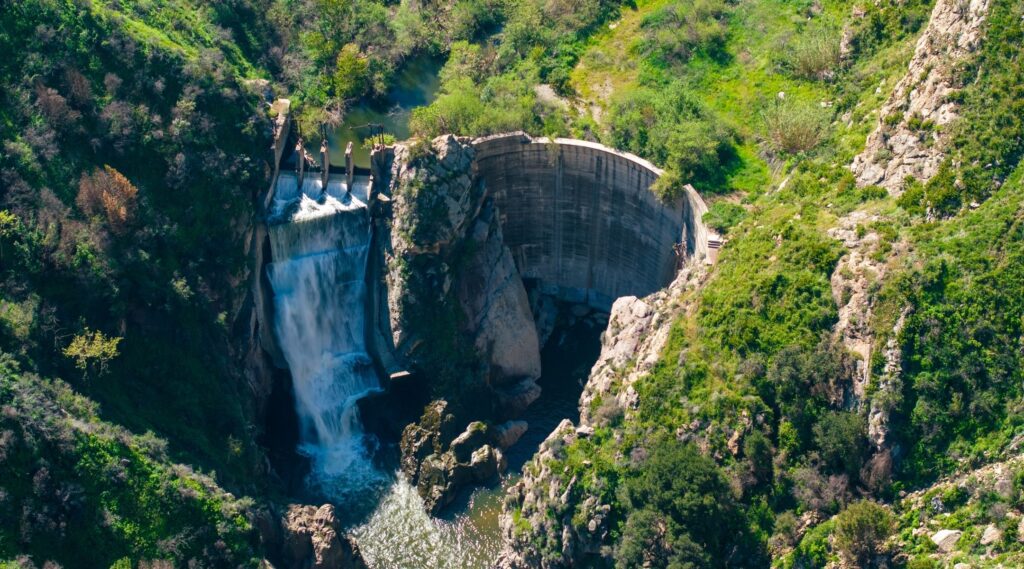
Rindge Dam (Malibu Creek)
Active
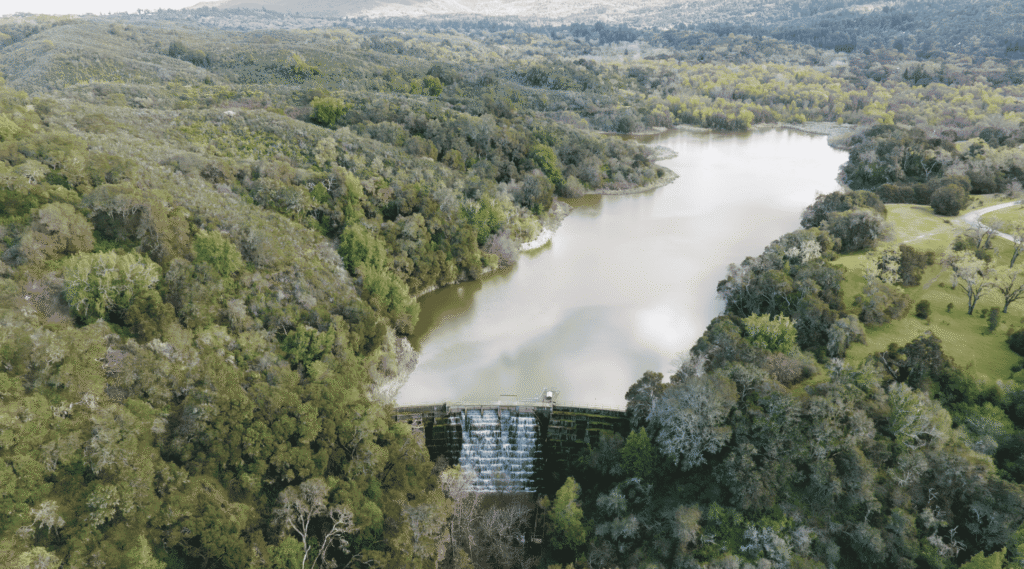
Searsville Dam (San Francisquito Creek)
Active
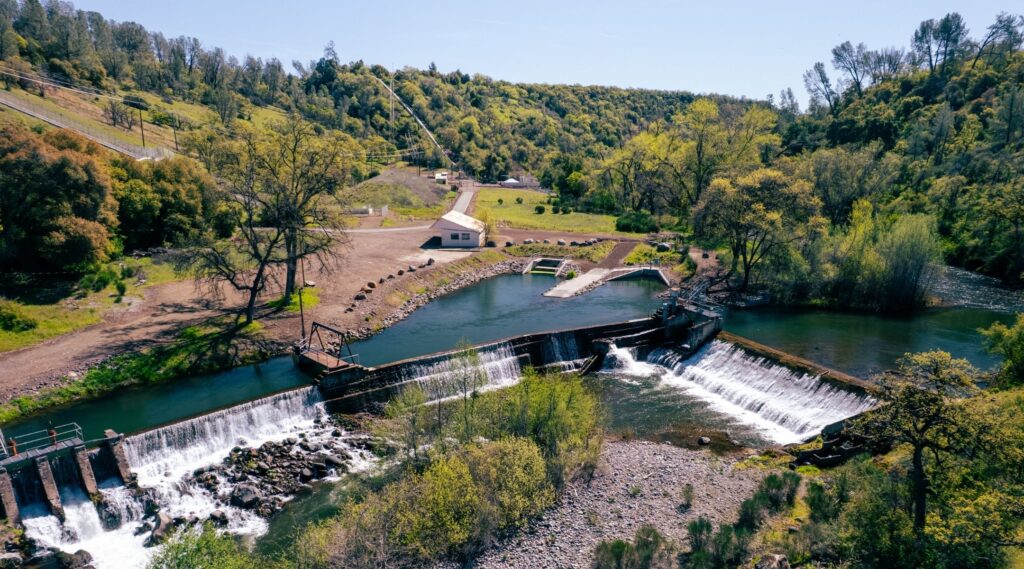
Battle Creek Dams
More than just dams
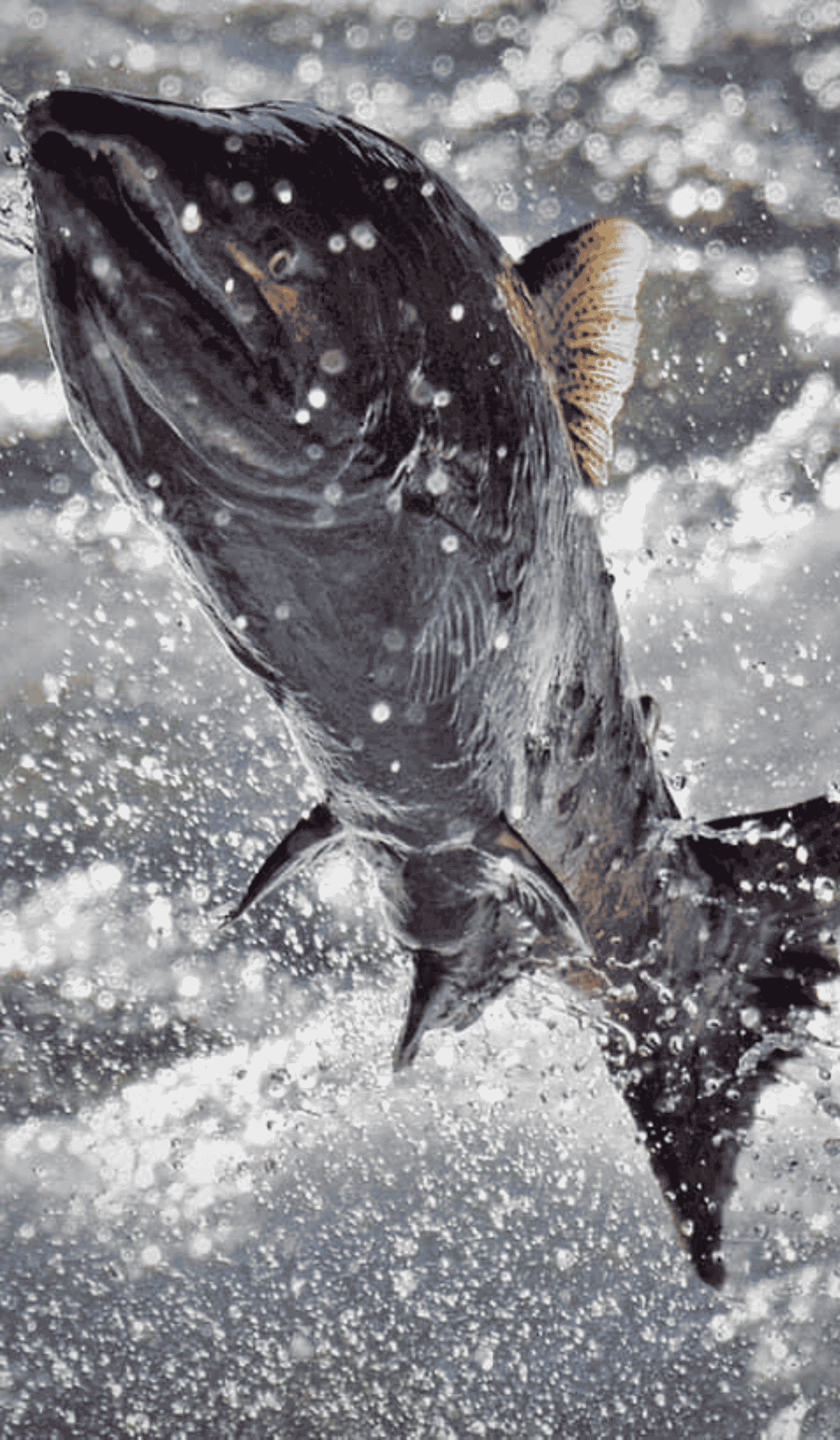
California’s fish face a far more pervasive challenge than any single type of structure.
When we think about barriers to fish passage, dams are an obvious culprit. These are structures blocking rivers and disconnecting ecosystems that garner the most attention.
However, the roads we drive to work, the rail lines that move goods across the state, the bridges that connect our communities, the levees we’ve constructed to protect our neighborhoods from floods — much of this was built in an era when fish and wildlife weren’t a part of the equation.
The world we live in today is a result of this era: landscapes littered with thousands of structures that quietly fragment habitat. To a salmon or steelhead trying to reach their spawning grounds, each structure is a threat to survival.
Today, we have the technology and knowledge to build infrastructure that works for both fish and people.
“By strategically pursuing opportunities for dam removal where economic, social, and environmental interests strongly align, CalTrout offers a model for restoring the health of the state’s rivers for the benefit of fish and people.”
Ted Grantham, Professor of Cooperative Extension, UC Berkeley and former CalTrout/PPIC Fellow
WATCH · THE Klamath STORY
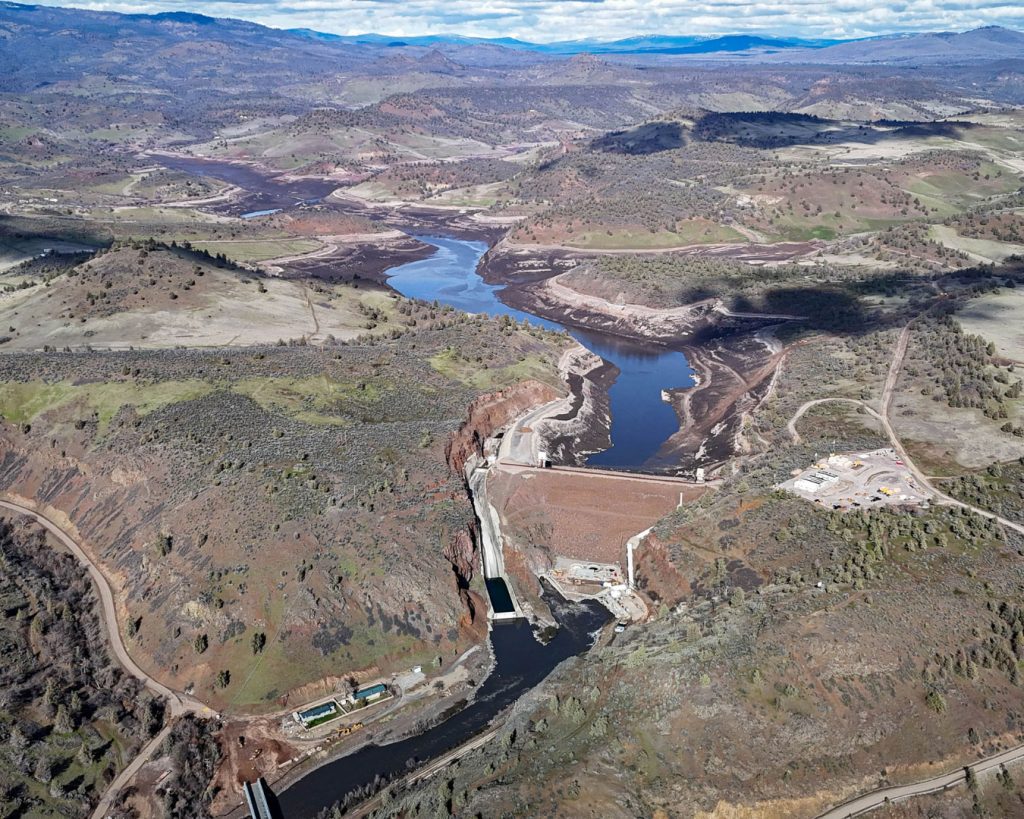
The largest dam removal in history.
Follow the salmon home. A short film from CalTrout’s monitoring team on what we’re seeing after the Klamath dams came down.
Our work in action | Klamath River · Northern California
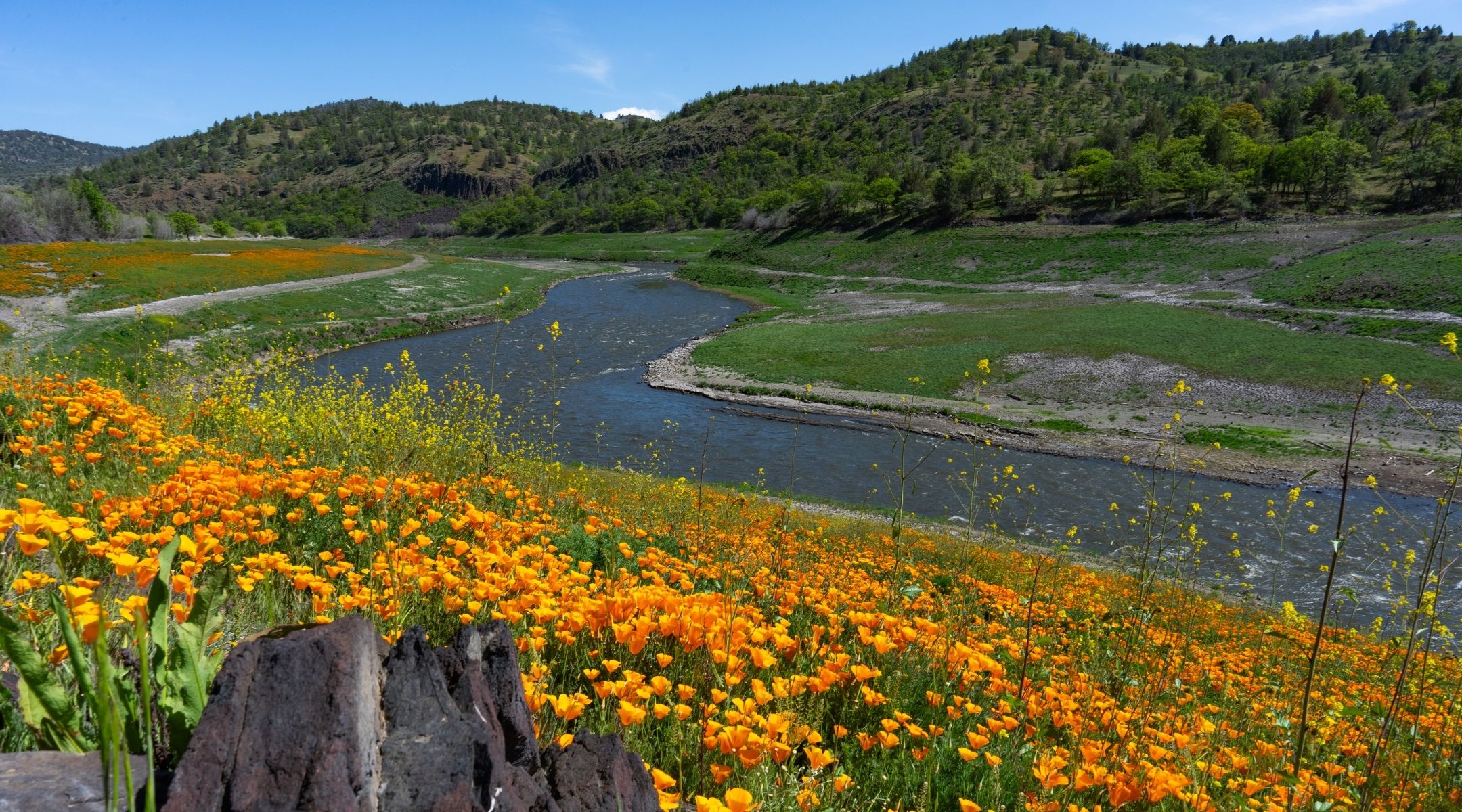
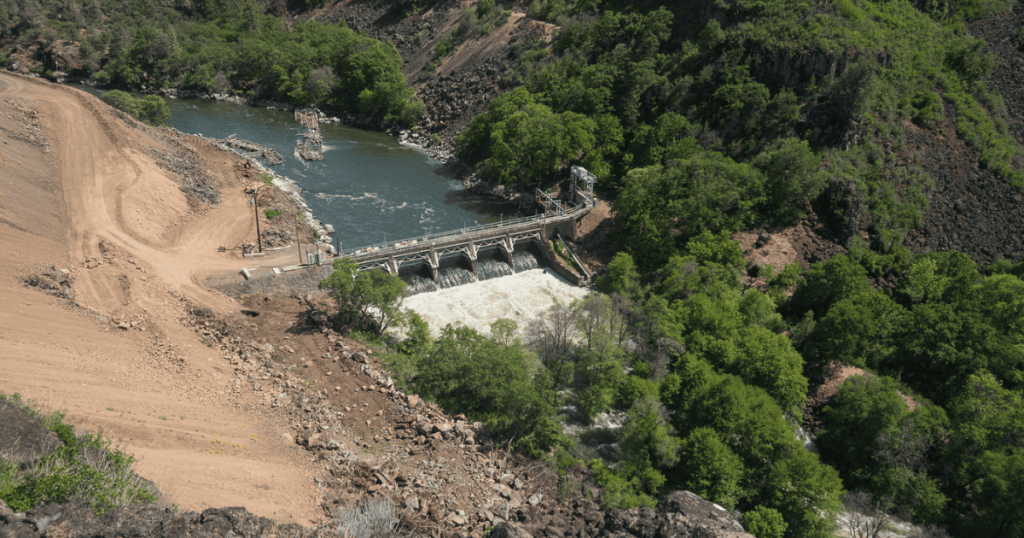
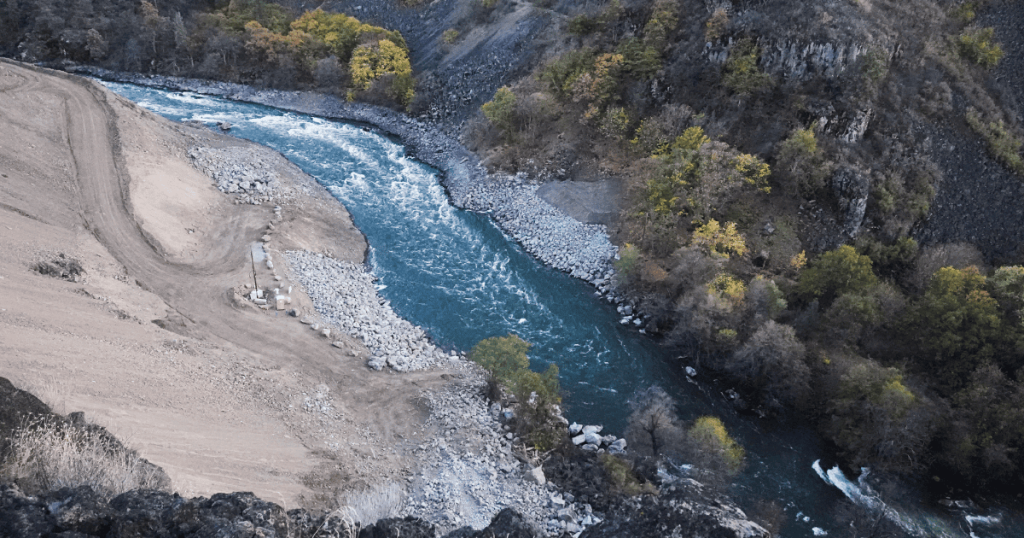
The historic removal of the Klamath River dams is now complete.
Why It Matters
A monumental achievement
The Problem
Four hydroelectric dams on the Klamath River blocked salmon and steelhead migration for over a century, and were among the dams identified on CalTrout’s Dams Out report.
CalTrout’s Role
With the dams now removed, our work is still far from done. CalTrout leads a robust scientific monitoring program to better understand dam removal and its impacts on the fish.
The Result
The Klamath dam removal is the first project of those identified in our Dams Out Report to be completed. And the results from the Klamath salmon have surpassed even the wildest of expectations, with over 13,000 salmon tracked returning just over a year after dam removal.
GOOD FOR FISH AND GOOD FOR PEOPLE
Reopening rivers is not just about the fish. It’s about the communities around them.
It’s about you and it’s about us. The same free-flowing conditions that help fish thrive also make life better for people: cooler, cleaner water and reduced toxic algae blooms mean healthier waterways for drinking, swimming, and fishing alike. For many river communities, healthy fisheries are a lifeline: supporting local economies, feeding families, and sustaining cultural traditions that have depended on abundant fish for generations. And, taking down deteriorating dams lowers the risk of failure and flooding, making downstream communities safer — proving that what’s good for fish is often good for people too.
There’s a reason the history of civilization can be traced through the history of rivers. Rivers must be connected to ensure reliable water supply, healthy fisheries, and resilient ecosystems. We are not anti-infrastructure. We are pro-smart, safe, and cost effective infrastructure.
01
Public Safety
The removal of aging and deteriorating dams creates safer conditions for downstream communities. Since 1850, there have been 1,645 dam failures in the United States. Combined, those failures have resulted in 3,495 lives lost.
02
Watershed Health
Dams alter river flows, trap sediment, and impair water quality. The same free-flowing conditions that help fish thrive also make life better for people: cooler, cleaner water creates healthier water waters for drinking, swimming, fishing, and other recreation.
03
Cultural Importance
Many people — including California Indigenous peoples — have strong connections to water and the surrounding land. Dams harm both the water and land, disrupting these relationships.
04
Economic Benefits
Removing aging dams isn’t just good for rivers — it’s good for local economies. A single wild salmon can be worth more than a barrel of oil, and California’s salmon fisheries generate hundreds of millions of dollars a year in local jobs, recreation spending, and economic activity up and down the coast. Deteriorating dams are also expensive to maintain — on the Klamath, keeping the dams running and retrofitting them to meet modern standards would have cost customers more than twice what removal did, all for less and less power. Removing dams that no longer pay for themselves means the savings can show up right where people feel them most: in electric and water bills.
Our work in action
Where we’re reopening rivers right now
From dams to culverts to bridges to highways, our barrier-removal portfolio spans the state.
-
Battle Creek Dam Removal
Read more →: Battle Creek Dam RemovalRemoving eight remaining dams on Battle Creek would reconnect 48 miles of habitat for endangered Winter-run and Spring-run…
-
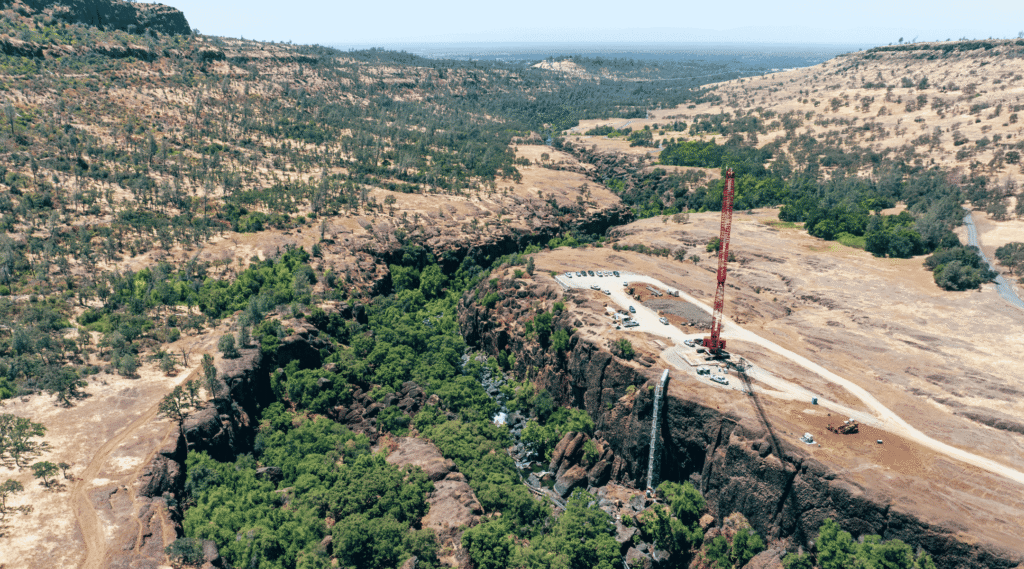
Iron Canyon Fish Passage Project, Big Chico Creek
Read more →: Iron Canyon Fish Passage Project, Big Chico CreekRestoring natural fish passage through Iron Canyon to reopen 8.5 miles of salmon and steelhead habitat on Big…
-
Eel River Dam Removal
Read more →: Eel River Dam RemovalRemoving two century-old dams to reconnect salmon and steelhead to nearly 300 miles of the Eel River’s cold-water…
-
Searsville Dam Removal
Read more →: Searsville Dam RemovalWorking to remove a century-old, high-hazard dam blocking steelhead migration on San Francisquito Creek at Stanford University.
-
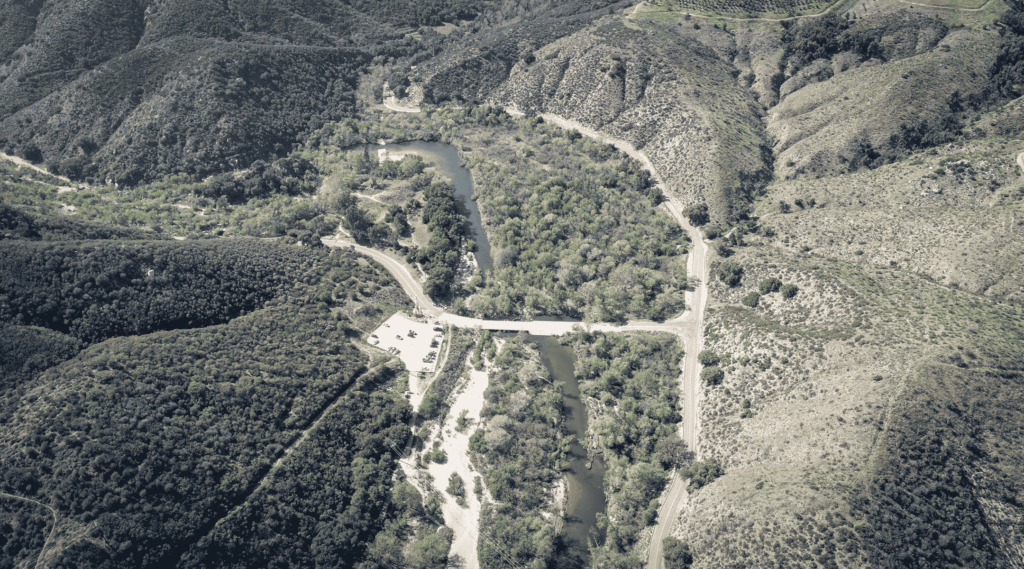
Santa Margarita River Bridge Replacement & Fish Passage Project
Read more →: Santa Margarita River Bridge Replacement & Fish Passage ProjectReplacing a bridge on the Santa Margarita River to reconnect steelhead to habitat and protect a busy crossing…
-
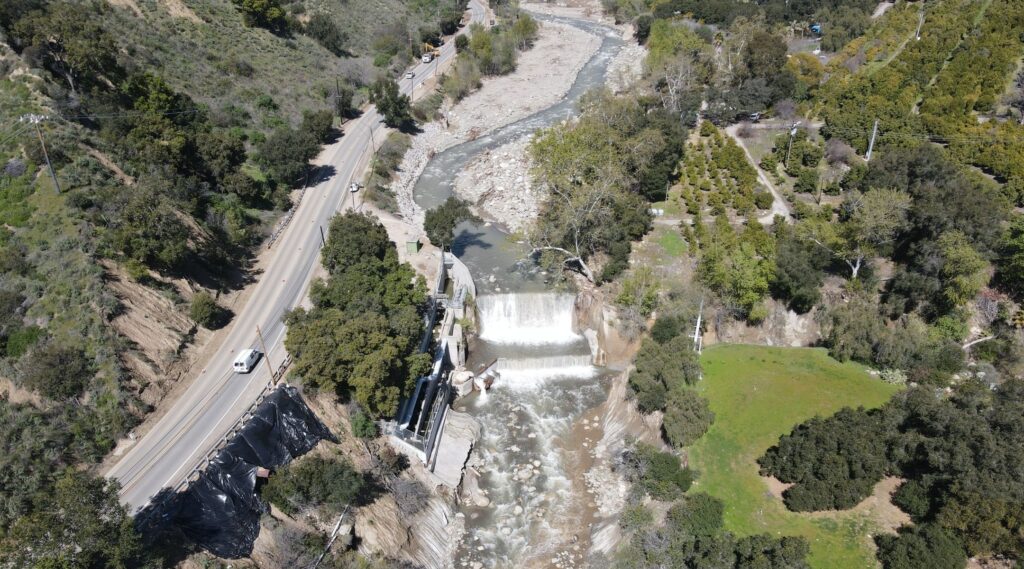
Harvey Diversion Fish Passage Project, Santa Paula Creek
Read more →: Harvey Diversion Fish Passage Project, Santa Paula CreekRemoving a complete fish passage barrier on Santa Paula Creek reconnects up to 18.5 miles of historic habitat…
-
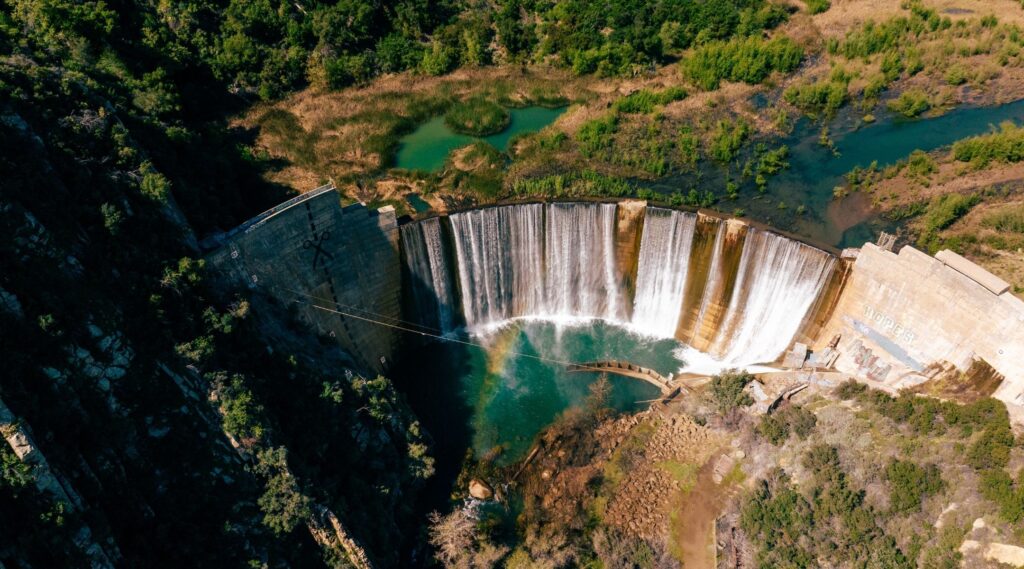
Matilija Dam Removal
Read more →: Matilija Dam RemovalRemoving a 168-foot dam from the Ventura River to clear 9 million cubic yards of sediment and reopen…
-
Malibu Creek Ecosystem Restoration Project
Read more →: Malibu Creek Ecosystem Restoration ProjectRemoving a century-old dam in Malibu Creek State Park to reconnect endangered steelhead to 15 miles of habitat…
FISH AFFECTED
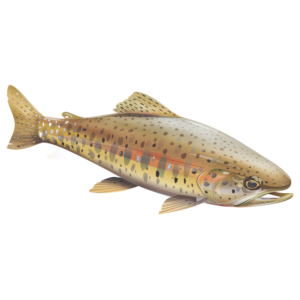
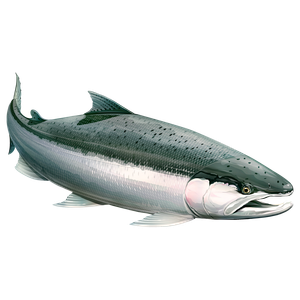
The fish that depend on California’s rivers.
-
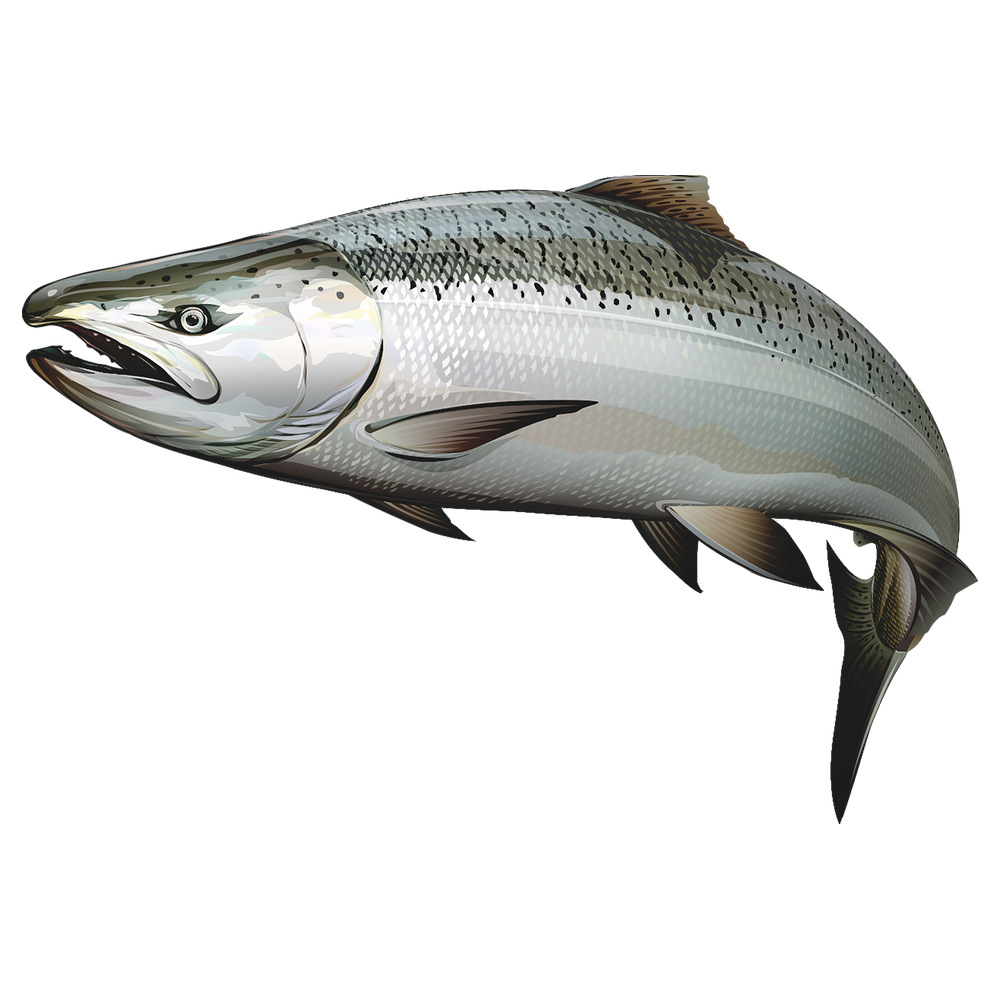
Upper Klamath-Trinity Rivers Spring-Run Chinook Salmon
-
Sacramento River Winter-Run Chinook Salmon
-
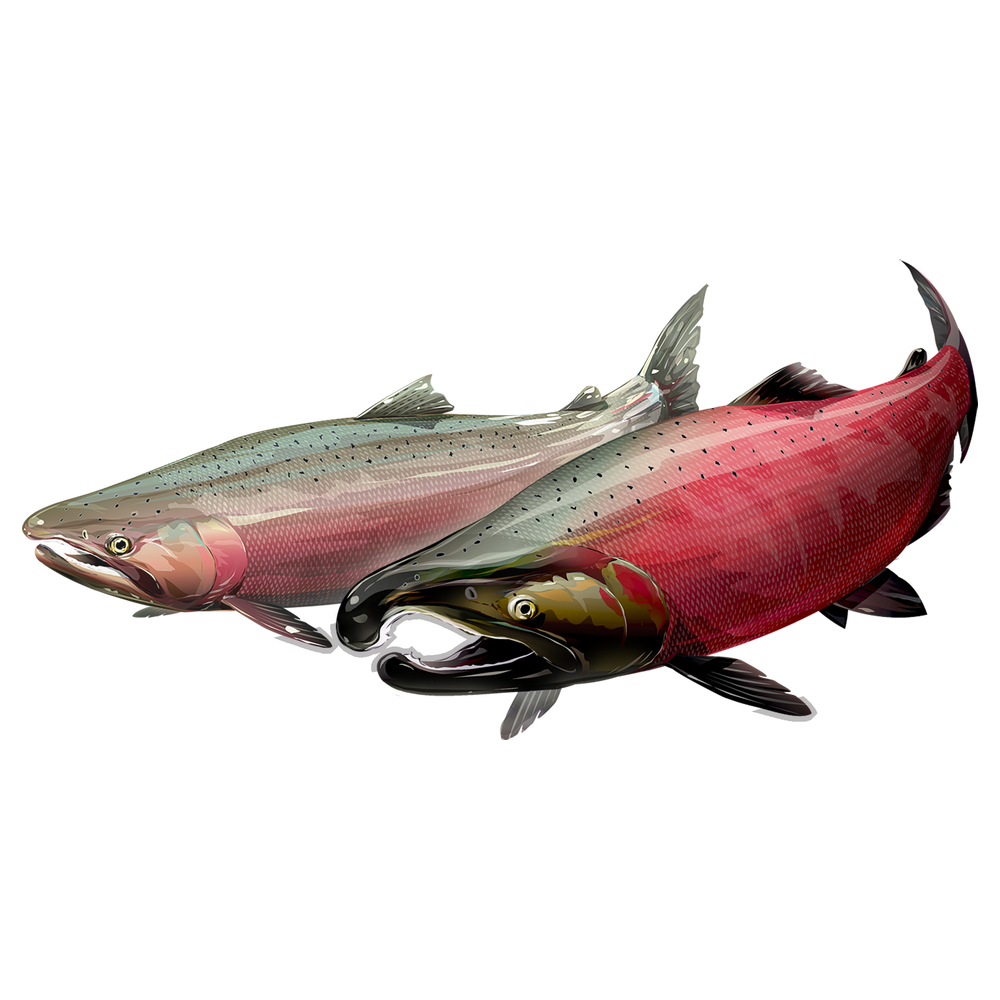
Southern Oregon/Northern California Coast Coho Salmon
-
Upper Klamath-Trinity Rivers Fall-Run Chinook Salmon
-
Southern Oregon/Northern California Coast Chinook Salmon
-
Central California Coast Coho Salmon
-
Central Valley Spring-Run Chinook Salmon
-
Central Valley Late Fall-Run Chinook Salmon
-
Central Valley Fall-Run Chinook Salmon
-
California Coastal Chinook Salmon
Join The Work
Help keep California’s rivers cold, clean, and connected.
Your support helps restore habitat, remove barriers, and protect the waters native fish and communities depend on.