SCORE
2.6
HIGH
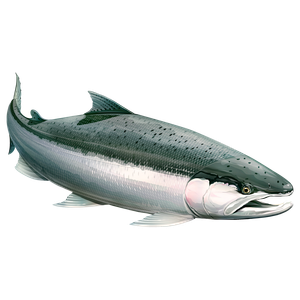
Central Valley Fall-Run Chinook Salmon
Oncorhynchus tshawytscha
Species ranges
Related projects
At a Glance
Central Valley (CV) fall-run Chinook salmon abundance has fluctuated widely in recent years, but the number of spawners typically exceeds 100,000 fish per year. However, this run is supported by significant production from several major federal and state hatcheries, which has troubling impacts on the productivity and survival of remaining wild Chinook.
Species characteristics
Conservation Actions
Conservation Strategy
- Reconnect rivers with oxbows, side channels, and floodplains (e.g., Sutter and Yolo bypasses), and set back levees to increase valuable feeding habitat.
- Clip the adipose fin on all hatchery Chinook salmon and implant coded wire tags in a fraction of fish to improve research and management.
- End trucking of hatchery Chinook to the San Francisco Estuary to limit straying to non-natal watersheds and reduce hybridization.
- Relocate hatcheries in estuaries to minimize competition and gene flow between hatchery and wild stocks, and allowing hatchery fish to be harvested while freeing wild populations to recover and adapt to local conditions.
- Close hatcheries where adverse impacts outweigh benefits.
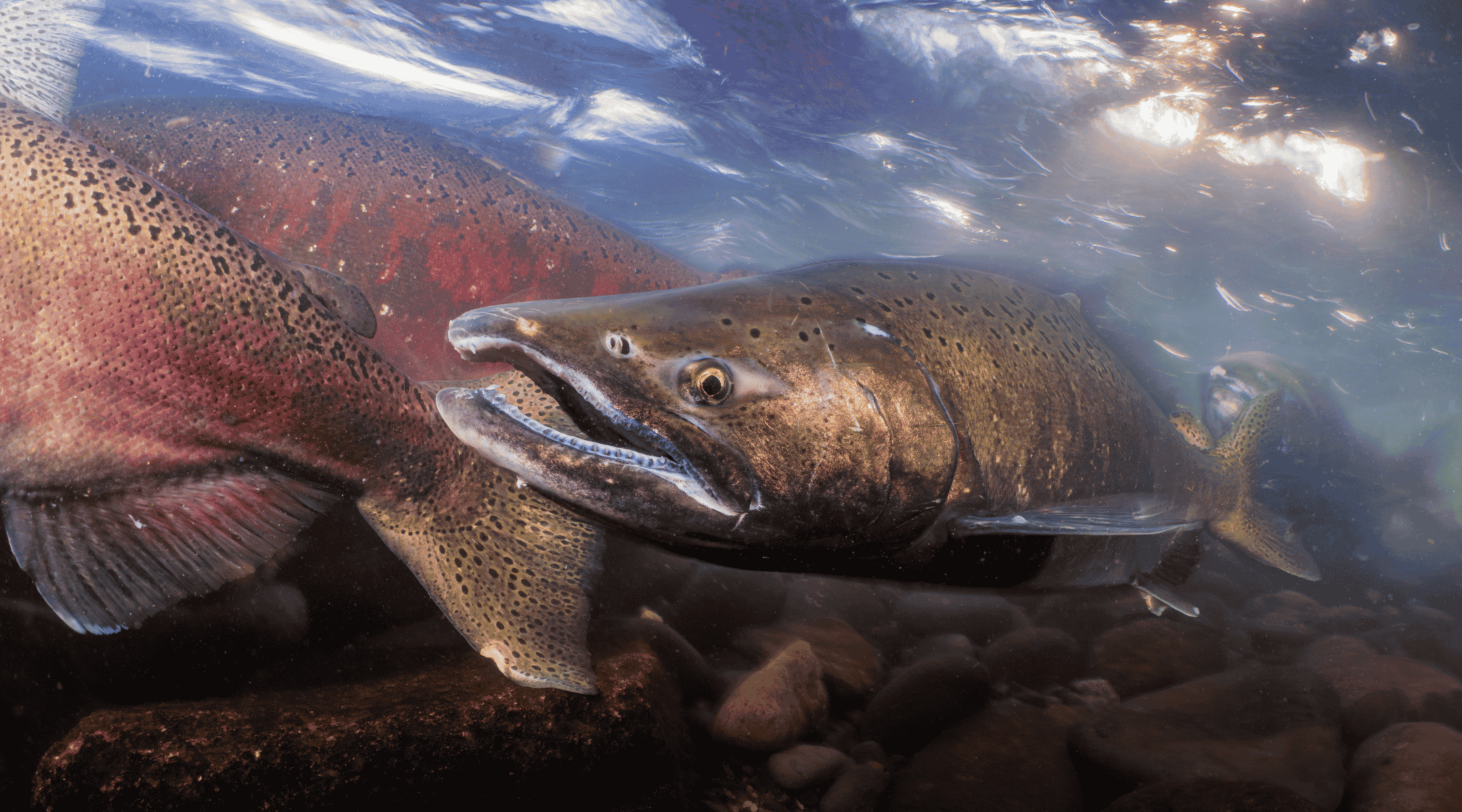
Where to find Central Valley Fall-run Chinook Salmon
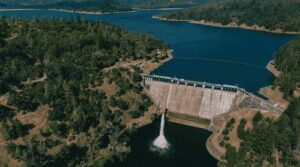
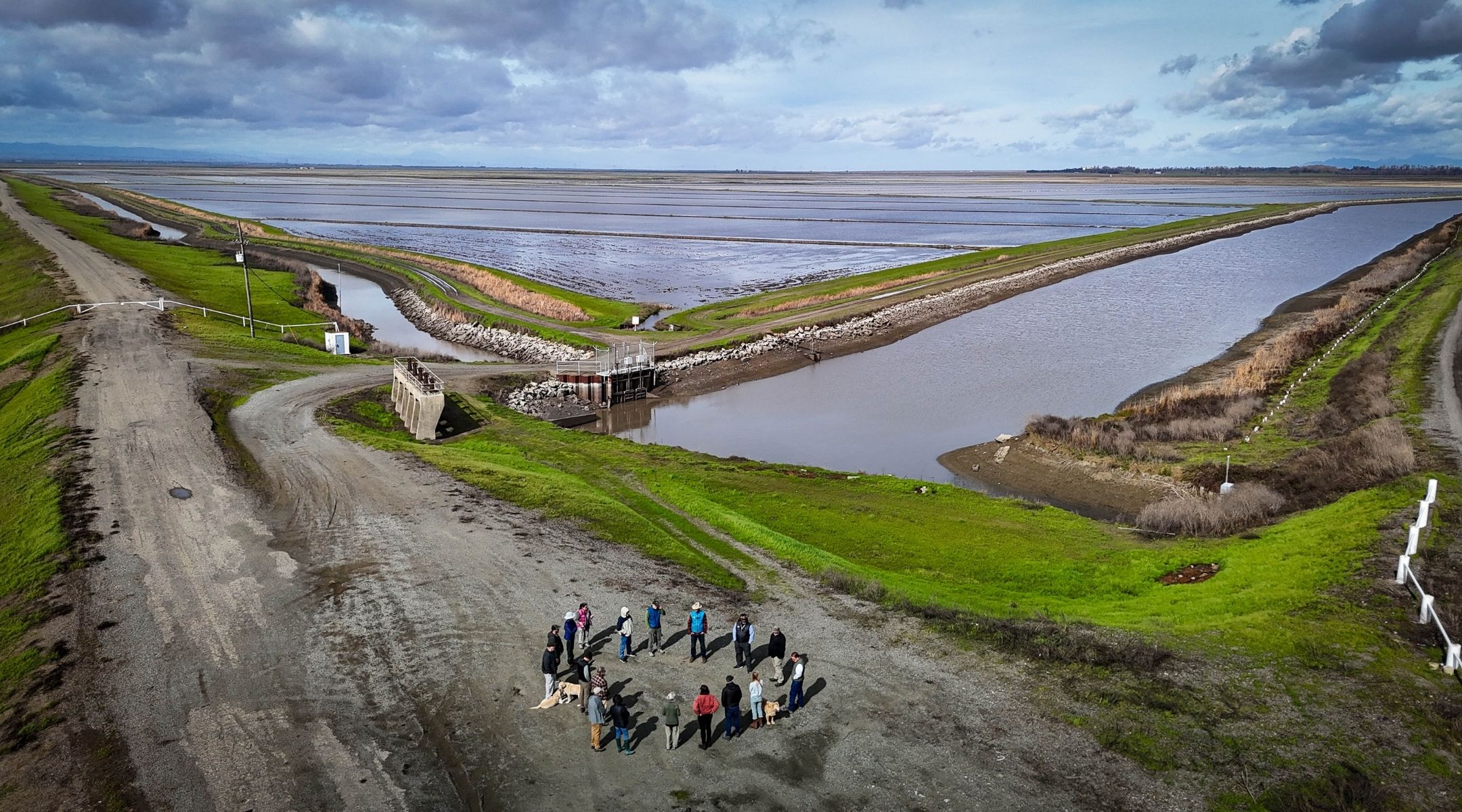
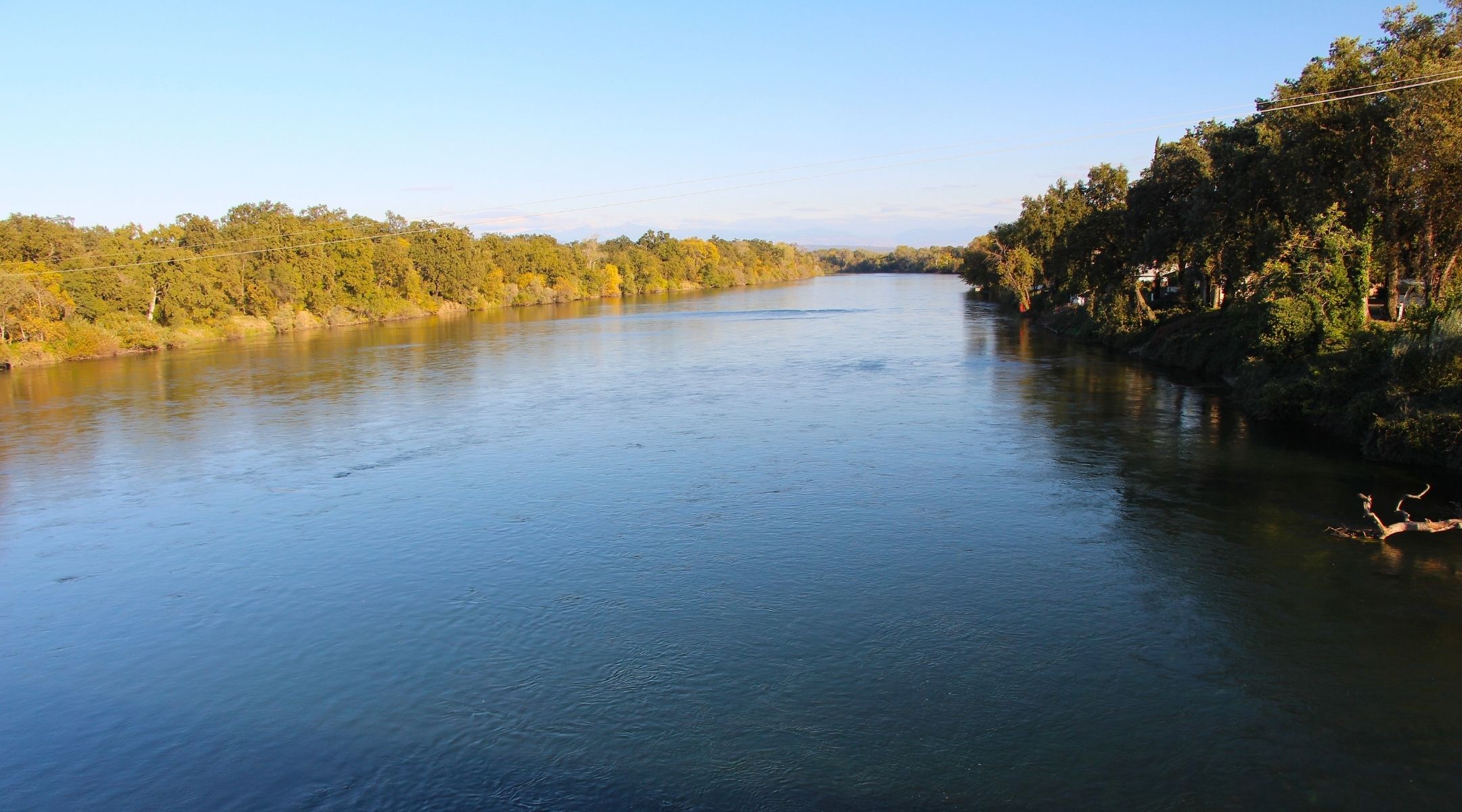
Central Valley fall-run Chinook salmon historically spawned in all major Central Valley rivers from the upper Sacramento, McCloud, and Pit rivers (Siskiyou County) in the north to the Kings River (King County) in the south. Today, they are restricted to a small fraction of their historical habitat by dams in every major river in the Central Valley. Passage into the mainstem San Joaquin River, above the confluence with the Merced River, is intentionally blocked at Hills Ferry by a CDFW-operated weir. On the Sacramento River, Keswick Dam near the town of Redding blocks upstream migration.
How This Species Scored
From Caltrout’s SOS II Report
| METRIC | SCORE | JUSTIFICATION |
|---|---|---|
| Area occupied | 2 | Some indication of natural self-sustaining populations in the upper Sacramento River watershed, Clear and Butte creeks. |
| Estimated adult abundance | 4 | Annual spawning returns generally exceed 100,000 fish. |
| Intervention dependence | 2 | The majority of remaining spawning and rearing habitat is dependent on instream flow releases from major dams, gravel augmentation and other ongoing efforts; population appears largely dependent on hatchery augmentation. |
| Environmental tolerance | 3 | Moderate physiological tolerance, multiple age classes. |
| Genetic risk | 2 | High hatchery production has resulted in genetic homogenization of the run, reducing overall fitness. |
| Climate change | 3 | The ‘ocean’ life strategy makes them the least vulnerable of all CV Chinook runs to extirpation; however, models suggest dramatic changes to lower elevation CV rivers and streams. |
| Anthropogenic threats | 2 | 1 High and 8 Medium threat |
| Average | 2.6 | LEVEL OF CONCERN: HIGH |
CALTROUT IN ACTION
Explore projects affecting the
Central Valley Fall-Run Chinook Salmon

Native Salmonids
Explore California’s native fish.
From steelhead to coastal cutthroat, California’s native fish are essential to healthy rivers and thriving ecosystems.
-
Bull Trout
-
California Coastal Chinook Salmon
-
California Golden Trout
-
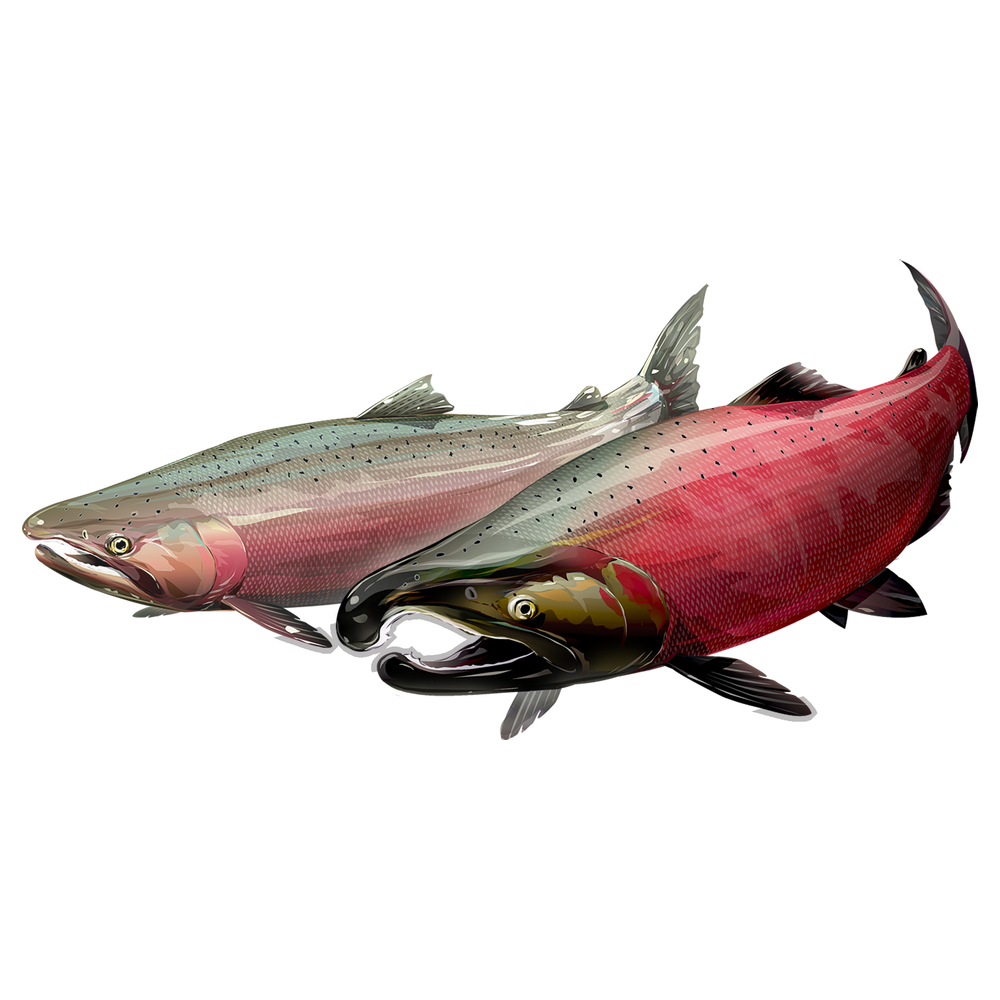
Central California Coast Coho Salmon
-
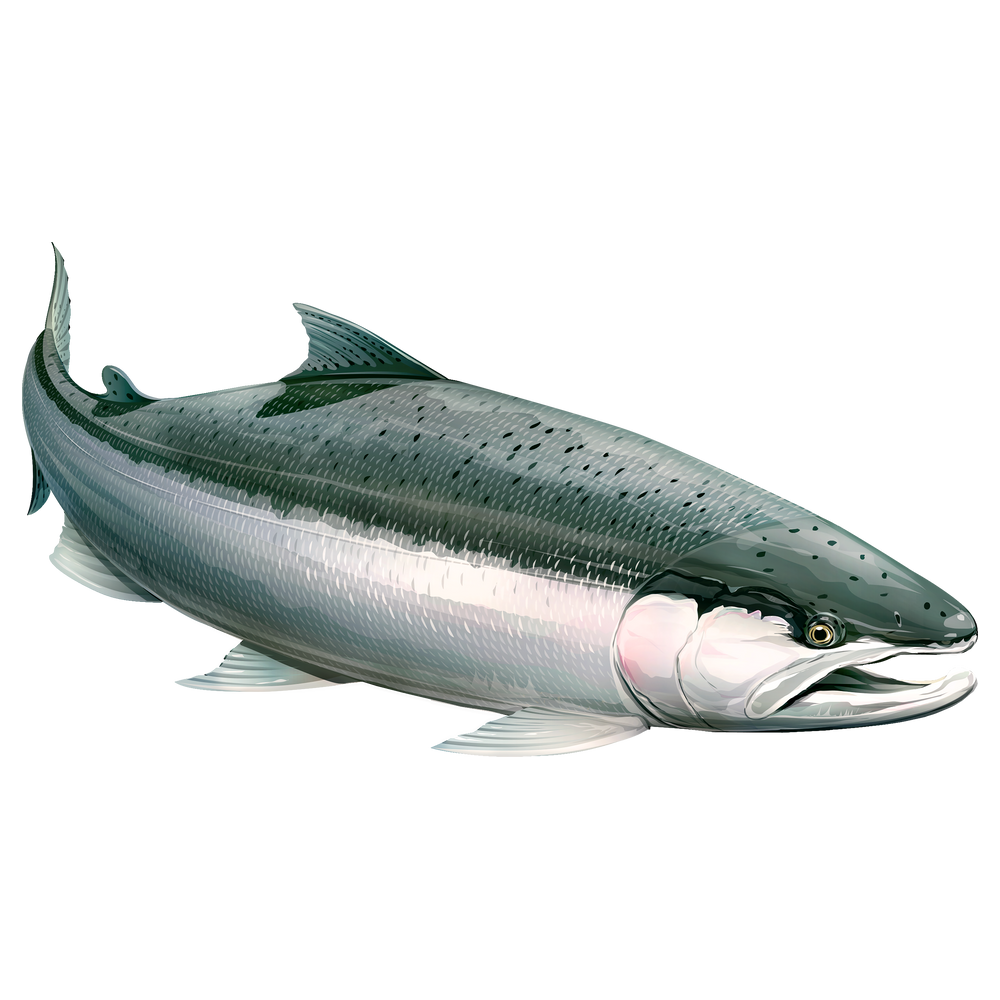
Central California Coast Steelhead
-
Central Valley Fall-Run Chinook Salmon
-
Central Valley Late Fall-Run Chinook Salmon
-
Central Valley Spring-Run Chinook Salmon
-
Central Valley Steelhead
-
Chinook Salmon
-
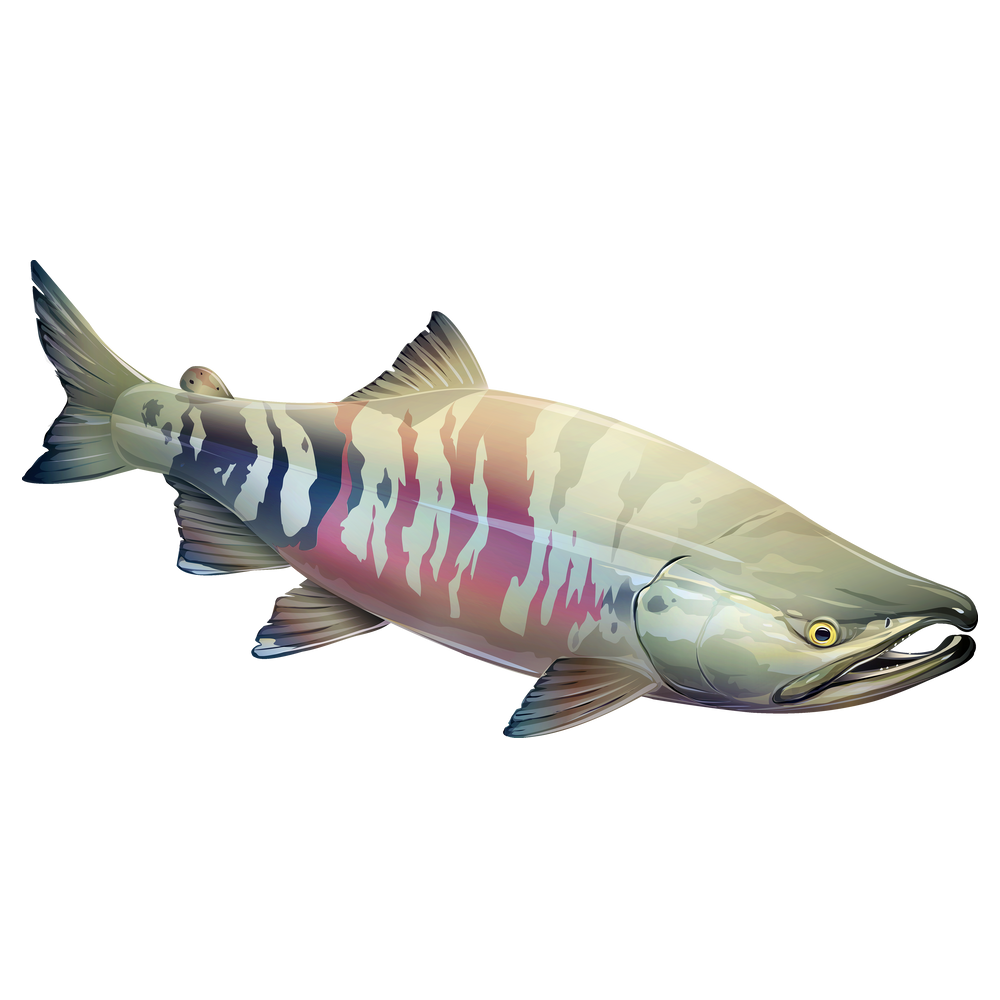
Chum Salmon
-
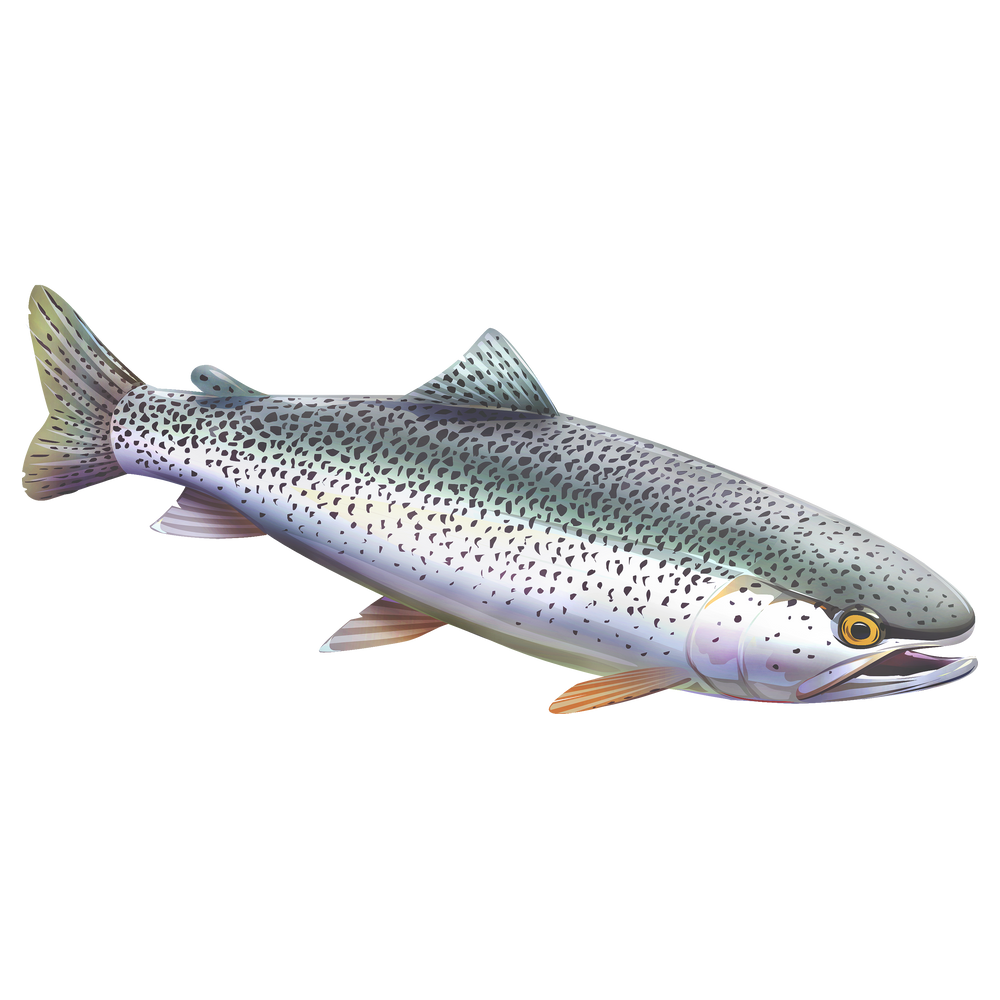
Coastal Cutthroat Trout
-
Coastal Rainbow Trout
-
Coho Salmon
-
Eagle Lake Rainbow Trout
-
Goose Lake Redband Trout
-
Kern River Rainbow Trout
-
Klamath Mountains Province Summer Steelhead
-
Klamath Mountains Province Winter Steelhead
-
Lahontan Cutthroat Trout
-
Little Kern Golden Trout
-
McCloud River Redband Trout
-
Northern California Summer Steelhead
-
Northern California Winter Steelhead
-
Paiute Cutthroat Trout
-
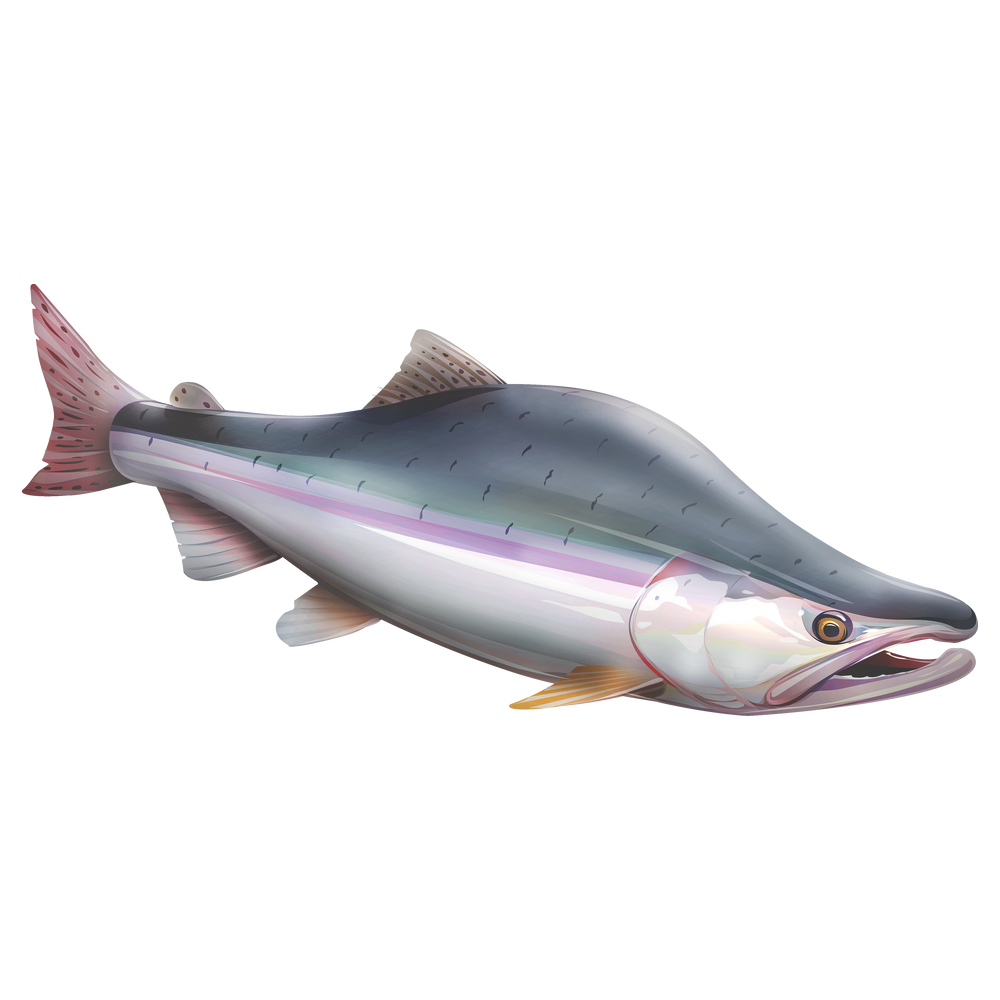
Pink Salmon
-
Sacramento River Winter-Run Chinook Salmon
-
South-Central California Coast Steelhead
-
Southern Oregon/Northern California Coast Chinook Salmon
SUPPORT CalTrout
The only statewide assessment of California’s native salmon, steelhead, and trout.
CalTrout, in collaboration with academic partners, has produced two once-a-decade State of the Salmonids reports — comprehensive scientific assessments of all 32 native salmon, steelhead, and trout species in California. The third report is currently set to release in 2027.