Shasta Cascade
The largest dam removal in U.S. history. Now: monitor, protect, restore.
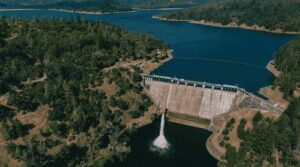
In 2024, four Klamath River dams came down after decades of Tribal-led advocacy, reopening hundreds of miles of habitat and launching one of the largest watershed recovery experiments in the world. The Klamath River Monitoring Program provides the scientific foundation to guide what comes next. Across the region, CalTrout restores and reopens rivers by taking on high-impact restoration projects in California’s most important coldwater strongholds—from the Klamath and the spring-fed waters of Mount Shasta to the Upper Sacramento, McCloud, Fall, Scott, Shasta, Battle, and Big Chico watersheds.
6
Active projects
10
Recently completed projects
400+
Miles of habitat reopened on the Klamath River
600+
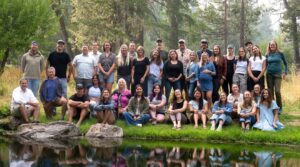
Students connected with salmon at Shasta Big Springs Youth Days
SHASTA CASCADE PROJECTS
Explore the Shasta Cascade projects
Filter projects
17 projects
-
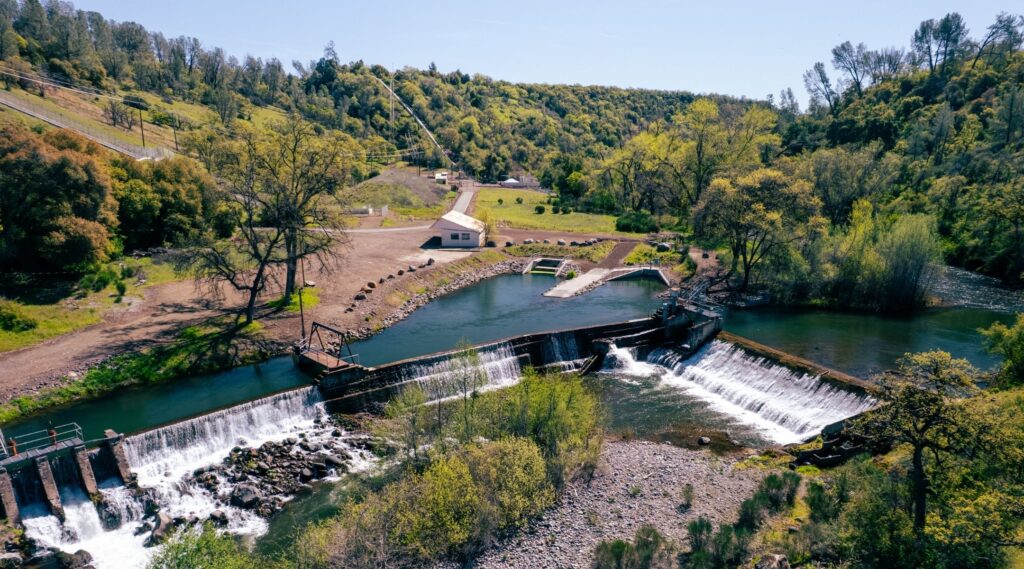
Battle Creek Dam Removal
Read more →: Battle Creek Dam RemovalRemoving eight remaining dams on Battle Creek would reconnect 48 miles of habitat for endangered Winter-run and Spring-run…
-
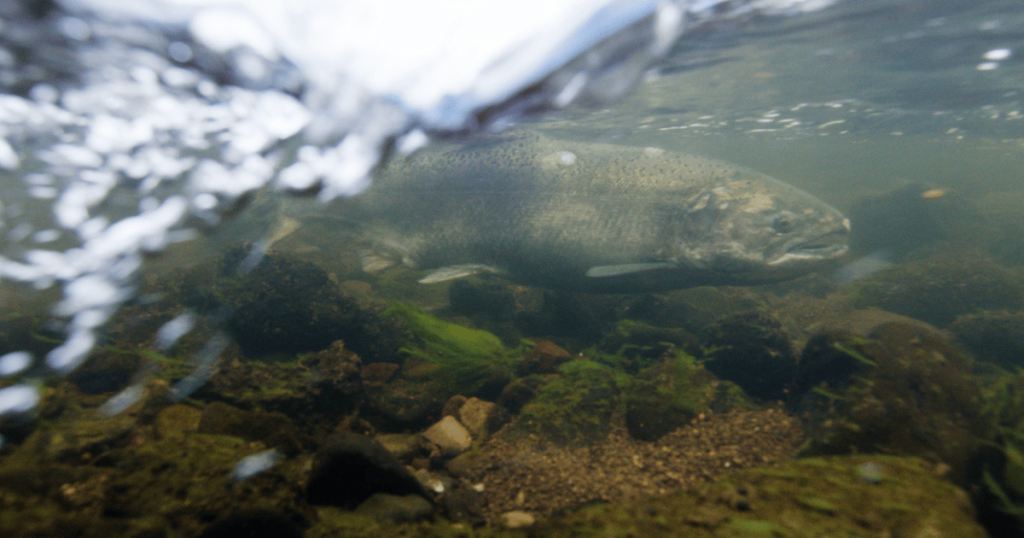
Klamath River Salmon & Steelhead Monitoring Program
Read more →: Klamath River Salmon & Steelhead Monitoring ProgramMonitoring how salmon and steelhead are reclaiming 400 miles of habitat reopened by the world’s largest dam removal…
-
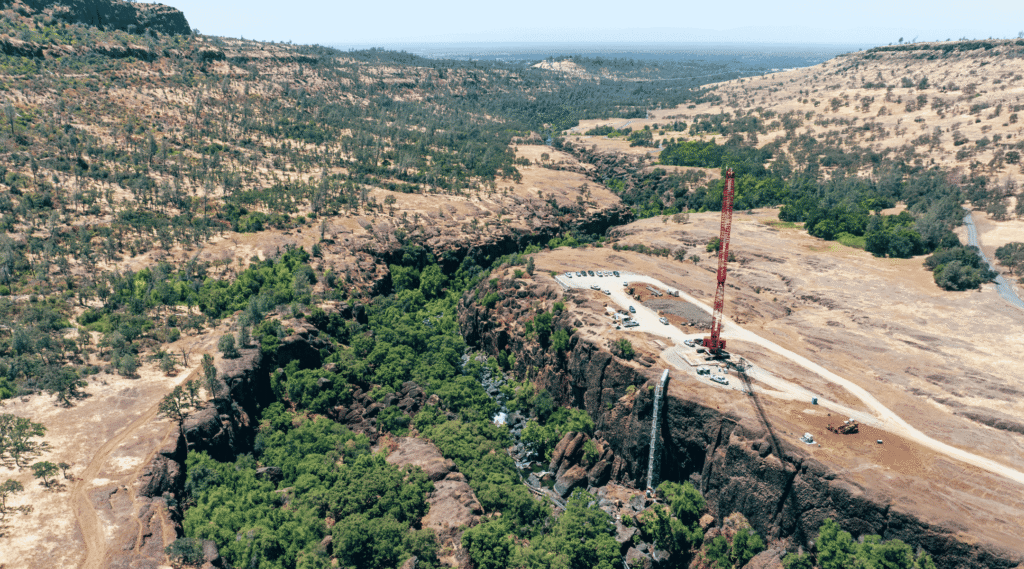
Iron Canyon Fish Passage Project, Big Chico Creek
Read more →: Iron Canyon Fish Passage Project, Big Chico CreekRestoring natural fish passage through Iron Canyon to reopen 8.5 miles of salmon and steelhead habitat on Big…
-
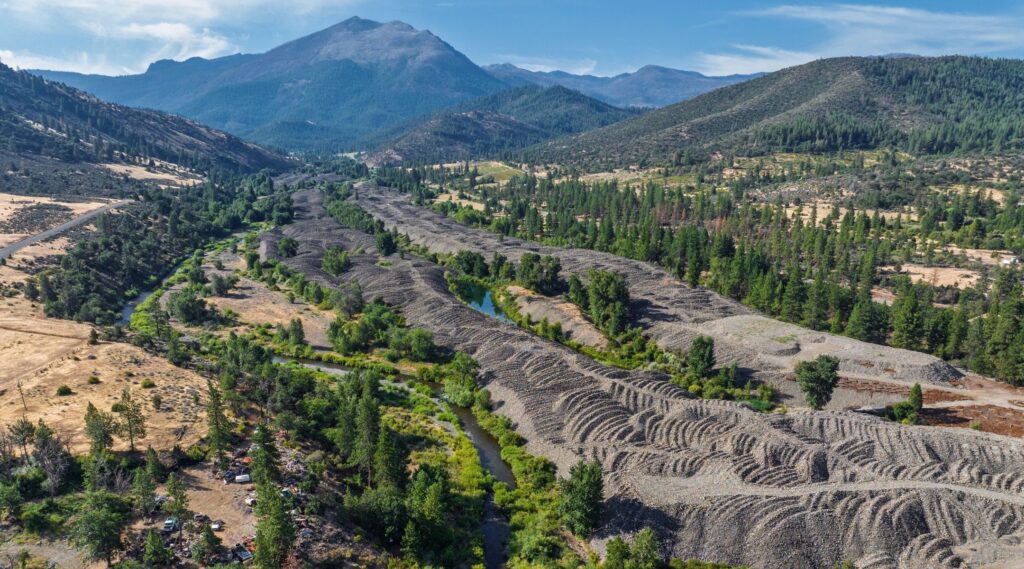
Scott River Mainstem Restoration & Flow Enhancement Project
Read more →: Scott River Mainstem Restoration & Flow Enhancement ProjectRestoring a flood-damaged diversion on the Scott River to improve fish passage and water reliability for farms and…
-
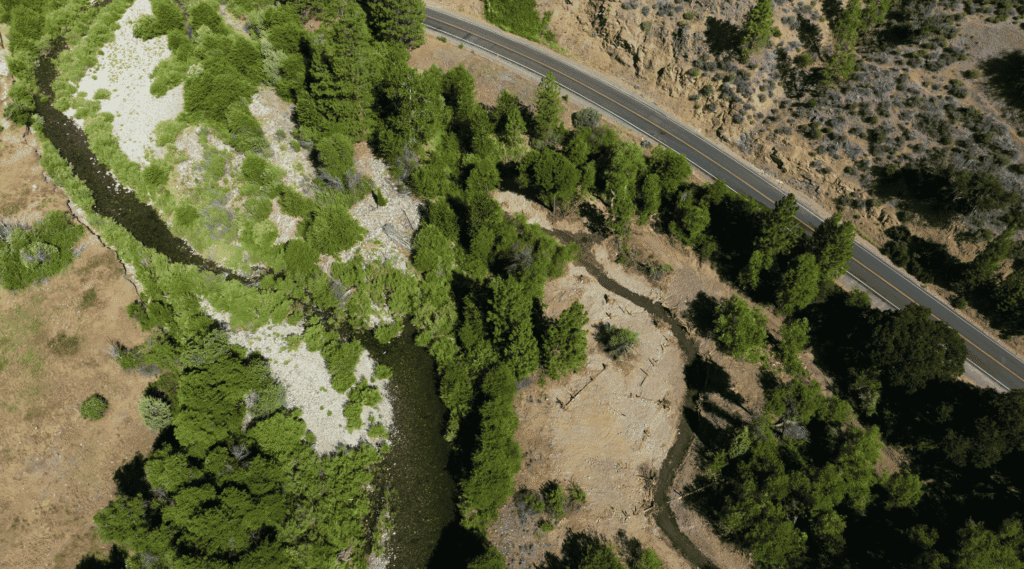
East Fork Scott River Restoration
Read more →: East Fork Scott River RestorationRestoring 6.7 miles of the East Fork Scott River and its tributaries to recover coho salmon, Chinook salmon,…
-
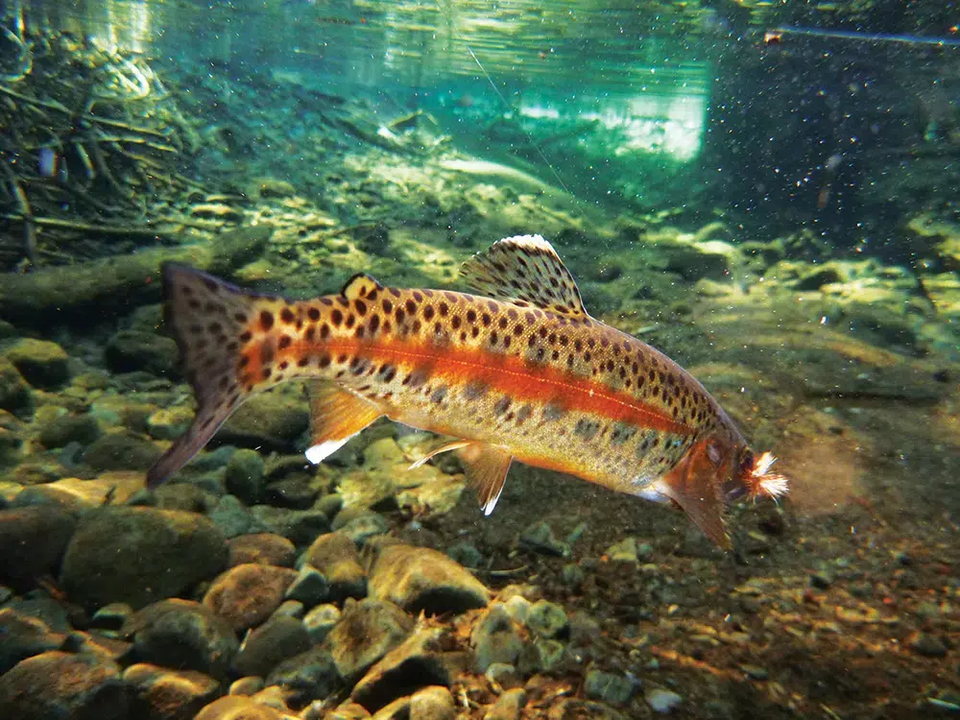
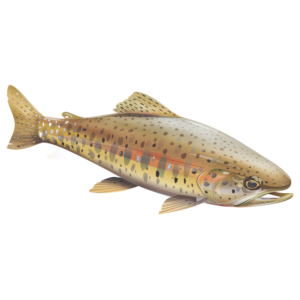
McCloud River Redband Trout Refuge Pool Enhancement
Read more →: McCloud River Redband Trout Refuge Pool EnhancementConstructed refuge pools on two McCloud River tributaries to help California’s only native Redband Trout survive drought.
-
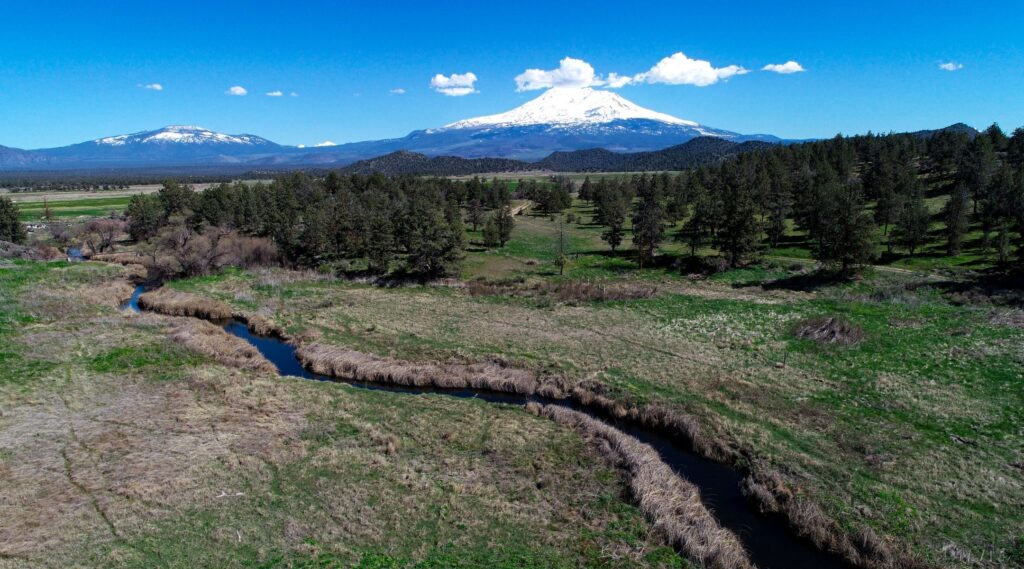
Parks Creek Cardoza Ranch Fish Passage & Flow Enhancement Project
Read more →: Parks Creek Cardoza Ranch Fish Passage & Flow Enhancement ProjectRemoved a century-old diversion dam and relocated irrigation intake on Parks Creek reopening 16 miles of habitat and…
-
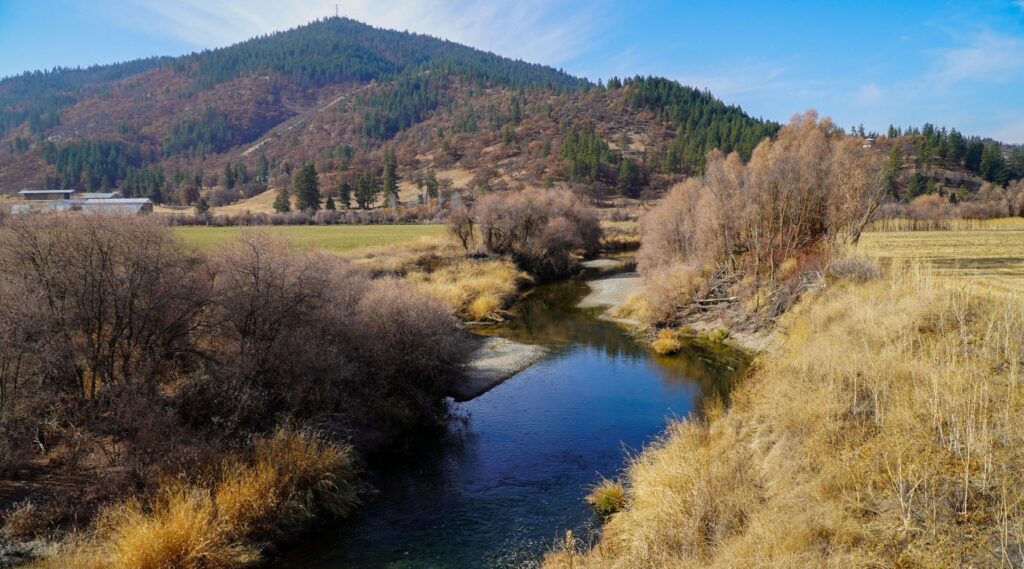
Mill-Shackleford, Scott River Bridge Fish Passage Project
Read more →: Mill-Shackleford, Scott River Bridge Fish Passage ProjectReplaced a culvert crossing with a new bridge to reopen Mill-Shackleford Creek to coho salmon while keeping timber…
-
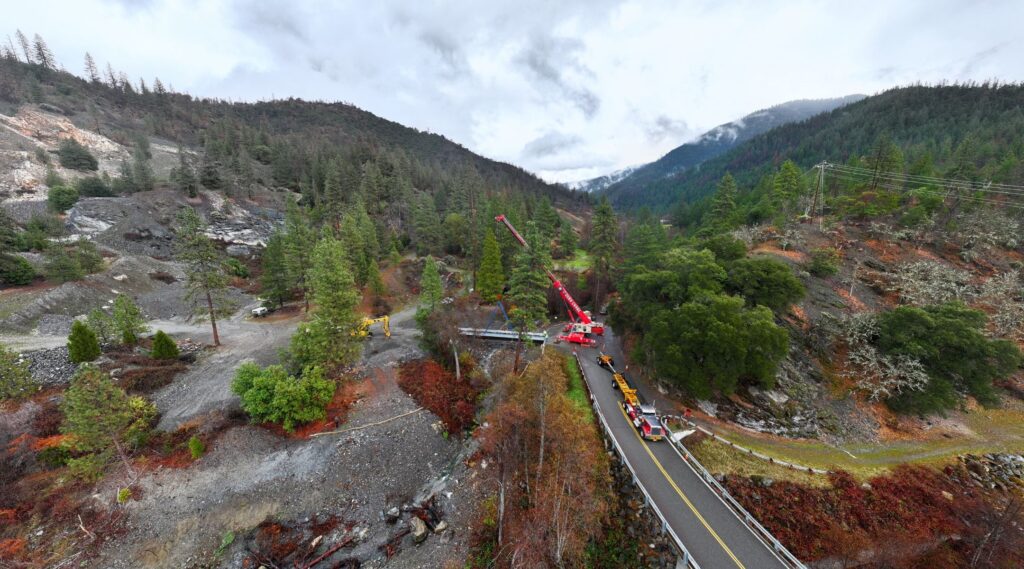
Scott Bar Fish Passage Project
Read more →: Scott Bar Fish Passage ProjectReplaced a blocked road crossing on Mill Creek to reopen three miles of Scott River coho and steelhead…
-
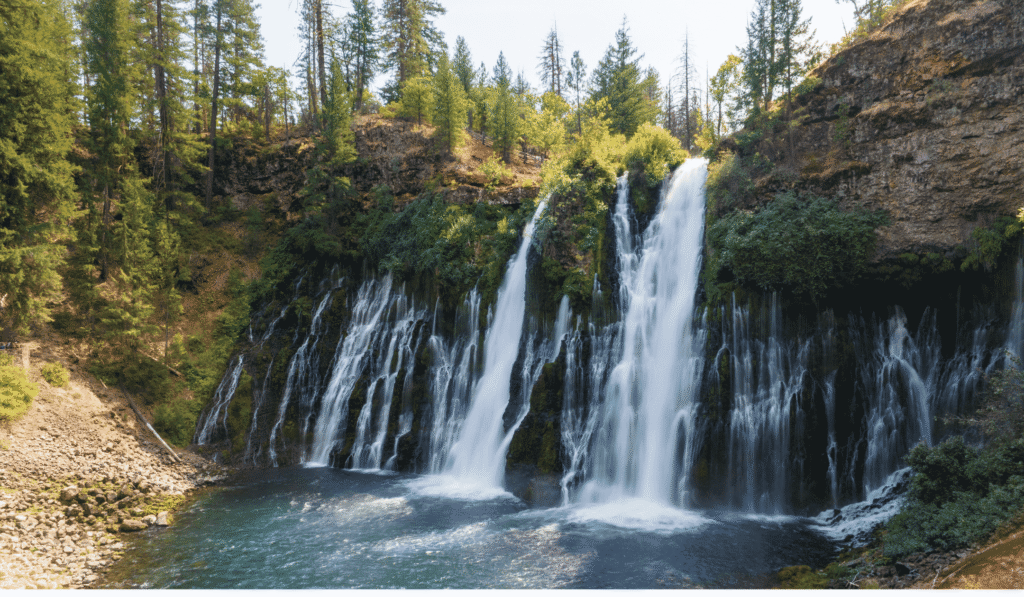
Upper Sacramento Basin Source Waters Science Study
Read more →: Upper Sacramento Basin Source Waters Science StudyBuilding the science needed to understand and protect the cold spring waters that sustain the Upper Sacramento Basin’s…
-
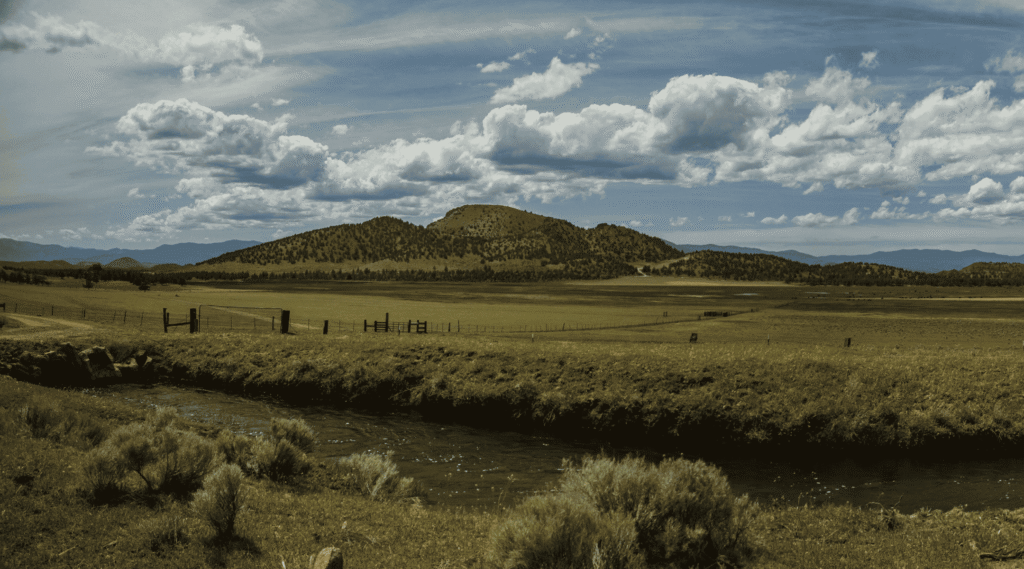
Little Shasta River Flow Enhancement Project
Read more →: Little Shasta River Flow Enhancement ProjectImproved irrigation infrastructure at Hart Ranch, enabling this key landowner to dedicate meaningful water savings back into the…
-
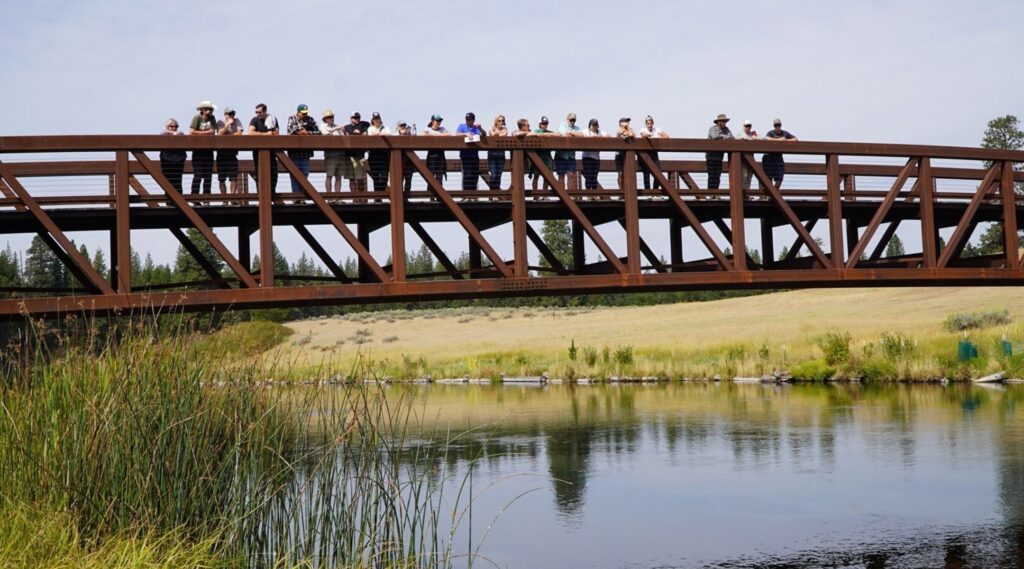
Hat Creek Restoration
Read more →: Hat Creek RestorationRebuilt Hat Creek’s channel with large woody debris to restore 1.5 miles of wild trout habitat while protecting…
-
Evans Springs Flow Restoration to Little Shasta River
Read more →: Evans Springs Flow Restoration to Little Shasta RiverRestoring 160 years of diverted spring flow to the Little Shasta River, returning up to 1,710 acre-feet of…
-
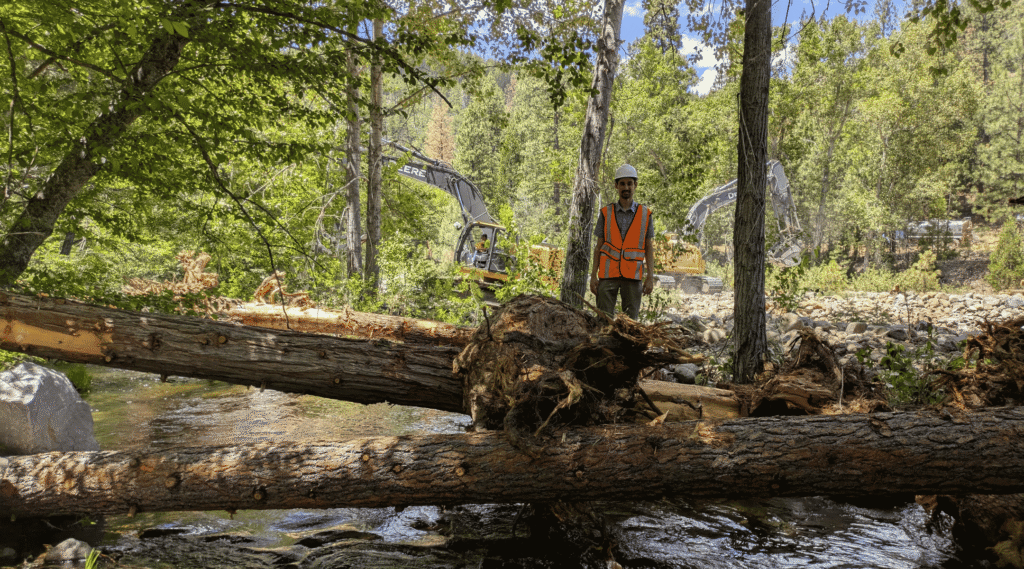
South Fork Scott River, Floodplain & Instream Restoration
Read more →: South Fork Scott River, Floodplain & Instream RestorationRestored prime nursery habitat for juvenile salmon on the South Fork Scott River.
-
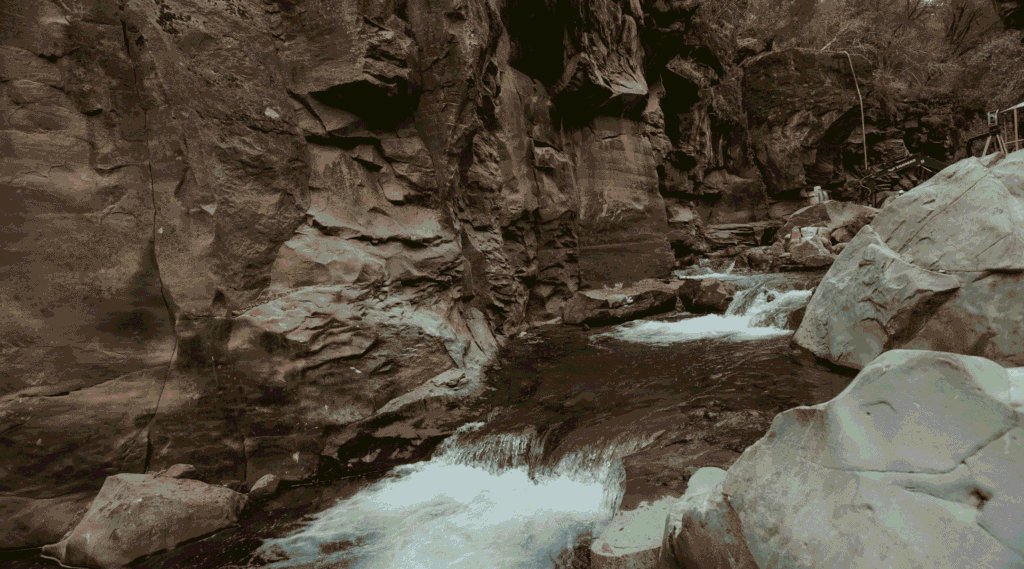
Eagle Canyon Fish Passage Project, Battle Creek
Read more →: Eagle Canyon Fish Passage Project, Battle CreekOpened access to more than eight miles of spring-fed spawning and rearing habitat for salmon, steelhead, and other…
-
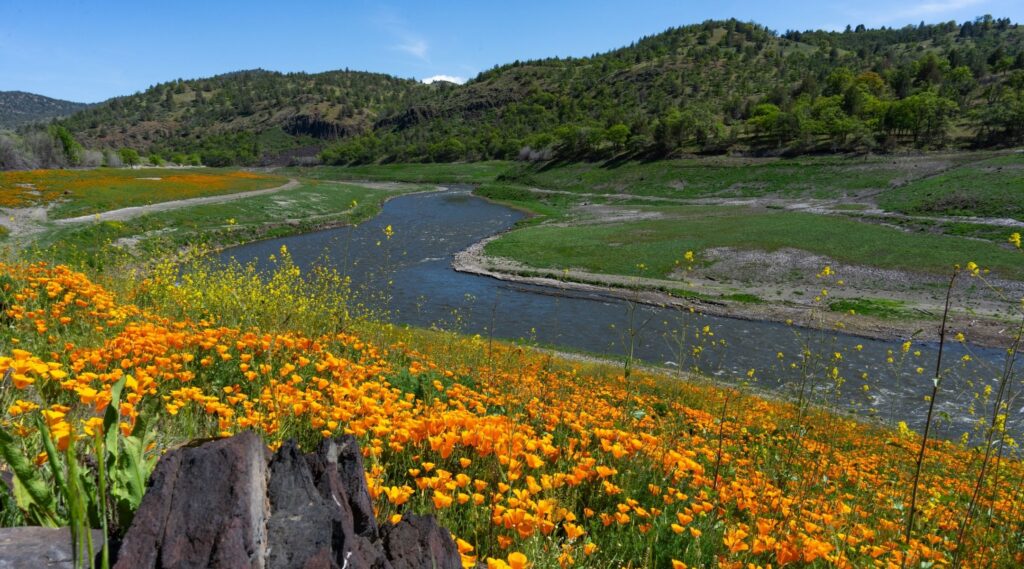
Klamath River Dam Removal
Read more →: Klamath River Dam RemovalRemoving four dams on the Klamath River to reopen more than 400 miles of historic salmon and steelhead…
-
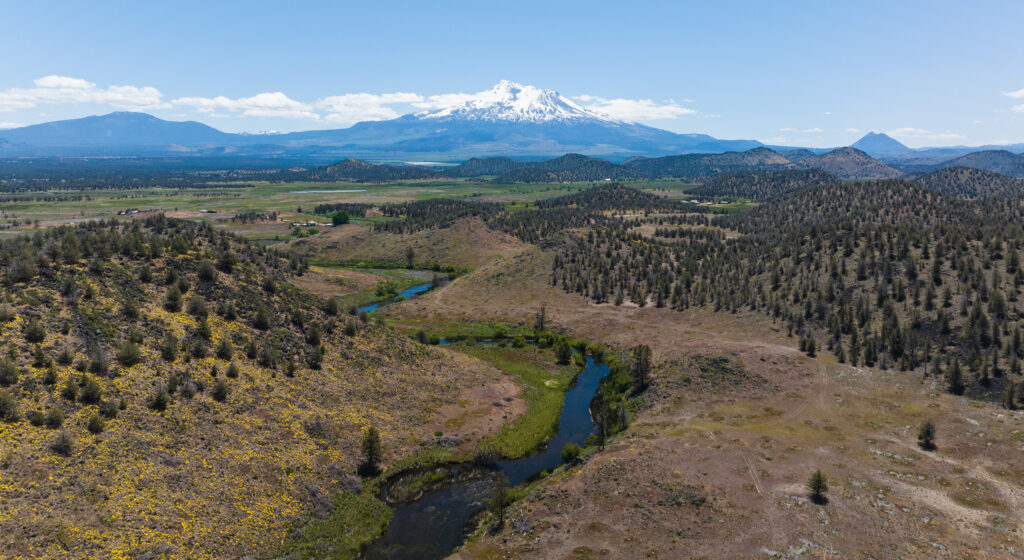
Shasta River and Parks Creek Restoration
Read more →: Shasta River and Parks Creek RestorationRecover salmonid populations in the Shasta River, a key mid-Klamath River tributary, by removing fish passage barriers and…
Priority WATERSHEDS
Three featured watersheds, one regional approach.
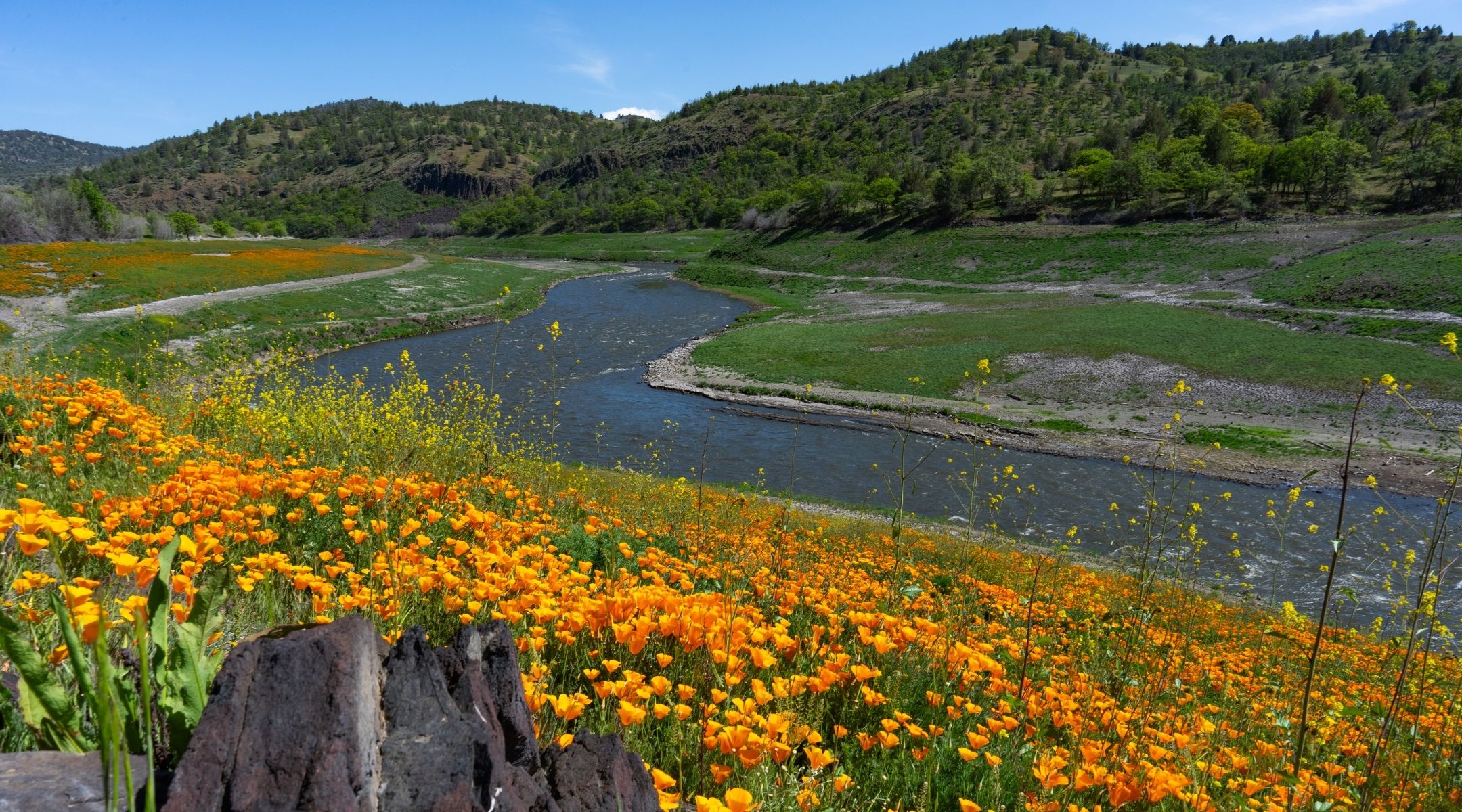
Klamath River Watershed
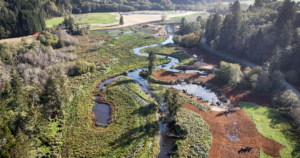
Four dams removed in 2024 reopened more than 400 miles of habitat to migratory fish for the first time in generations.
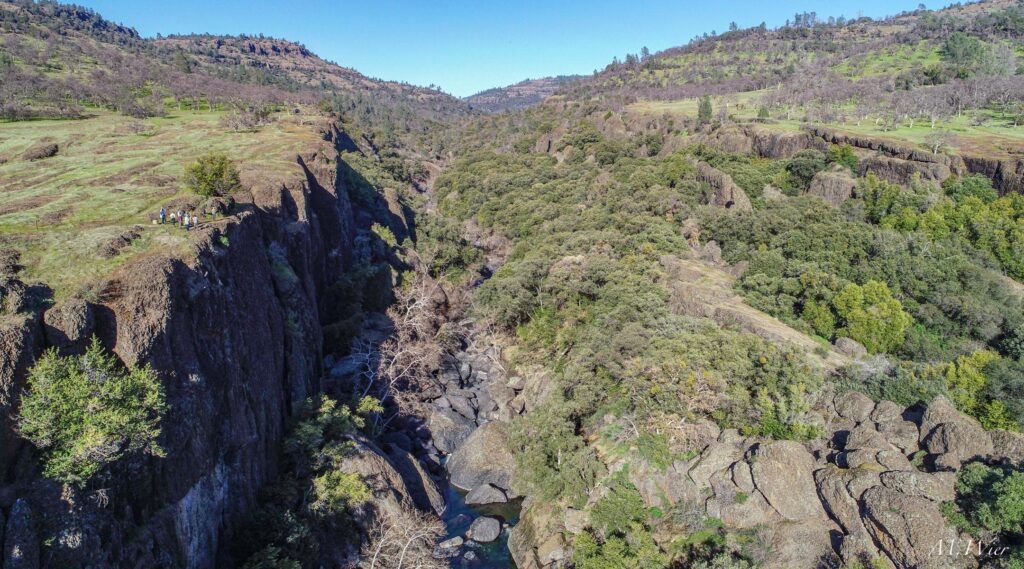
East Side Sacramento River Tributaries
Big Chico, Battle, Mill, and Deer creeks carry the coldest water left in the Sacramento Valley — and the fish that depend on it.
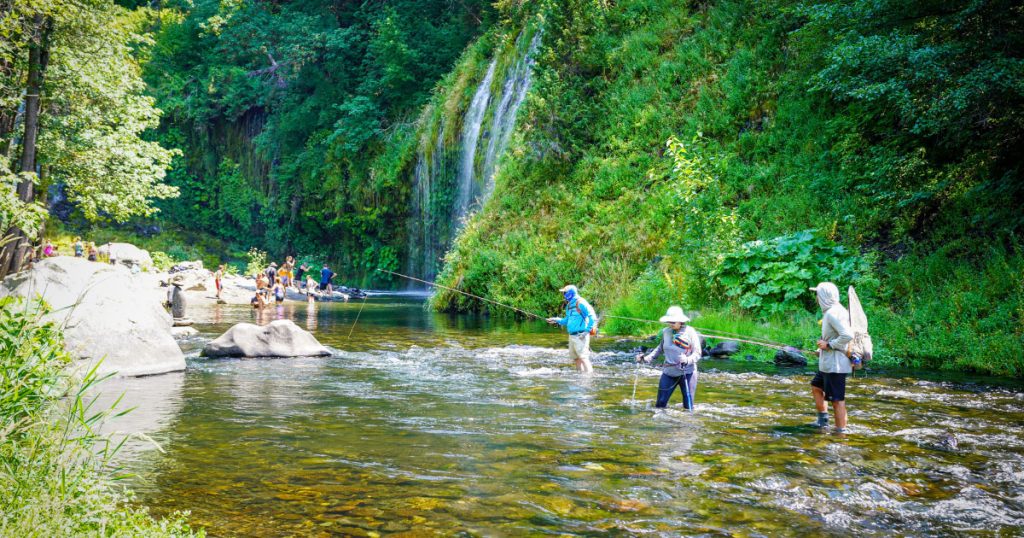
Upper Sacramento River Watershed
The Upper Sacramento River was nearly killed by a toxic spill in 1991 — and came back on its own, a living proof that the cold spring water flowing off Mount Shasta is worth protecting.
Native Salmonids
Explore the Shasta Cascade’s native fish.
Historic steelhead and salmon runs, the McCloud River and Goose Lake Redband Trout, and Coastal and Eagle Lake Rainbow Trout.
-
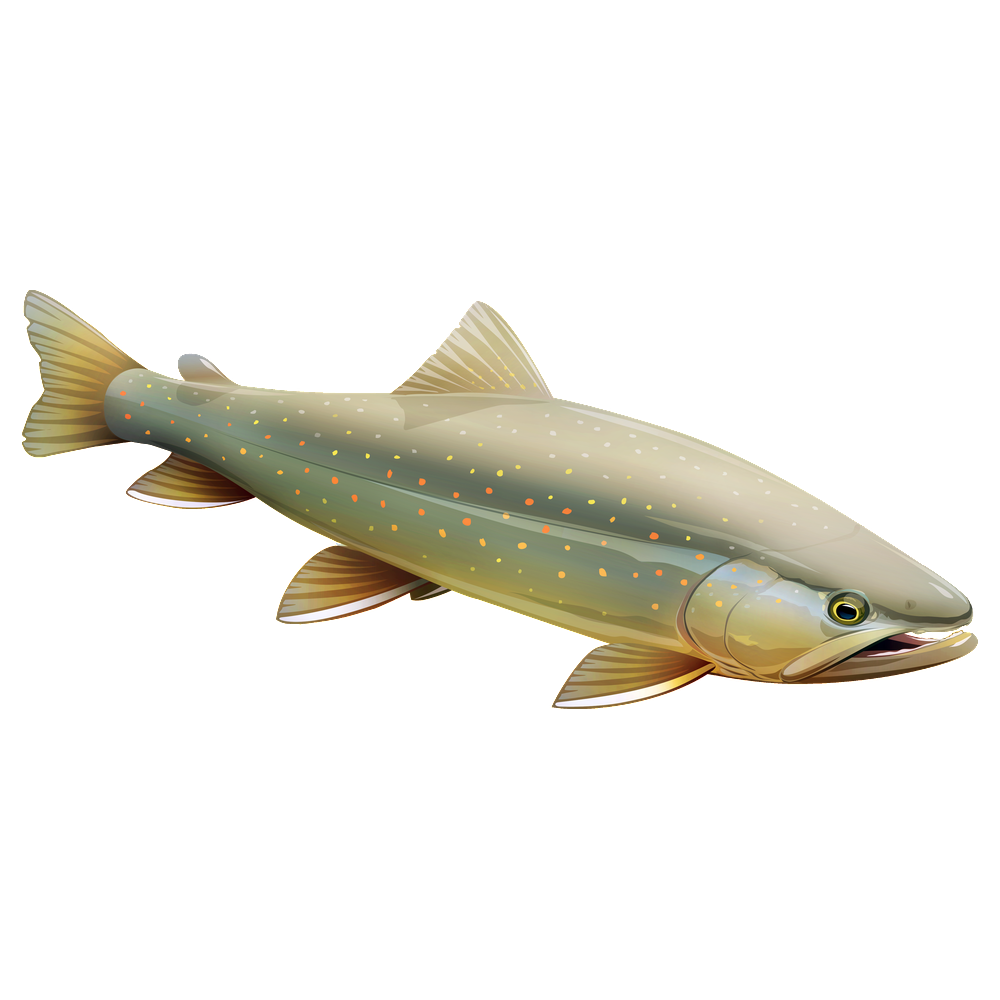
Bull Trout
-
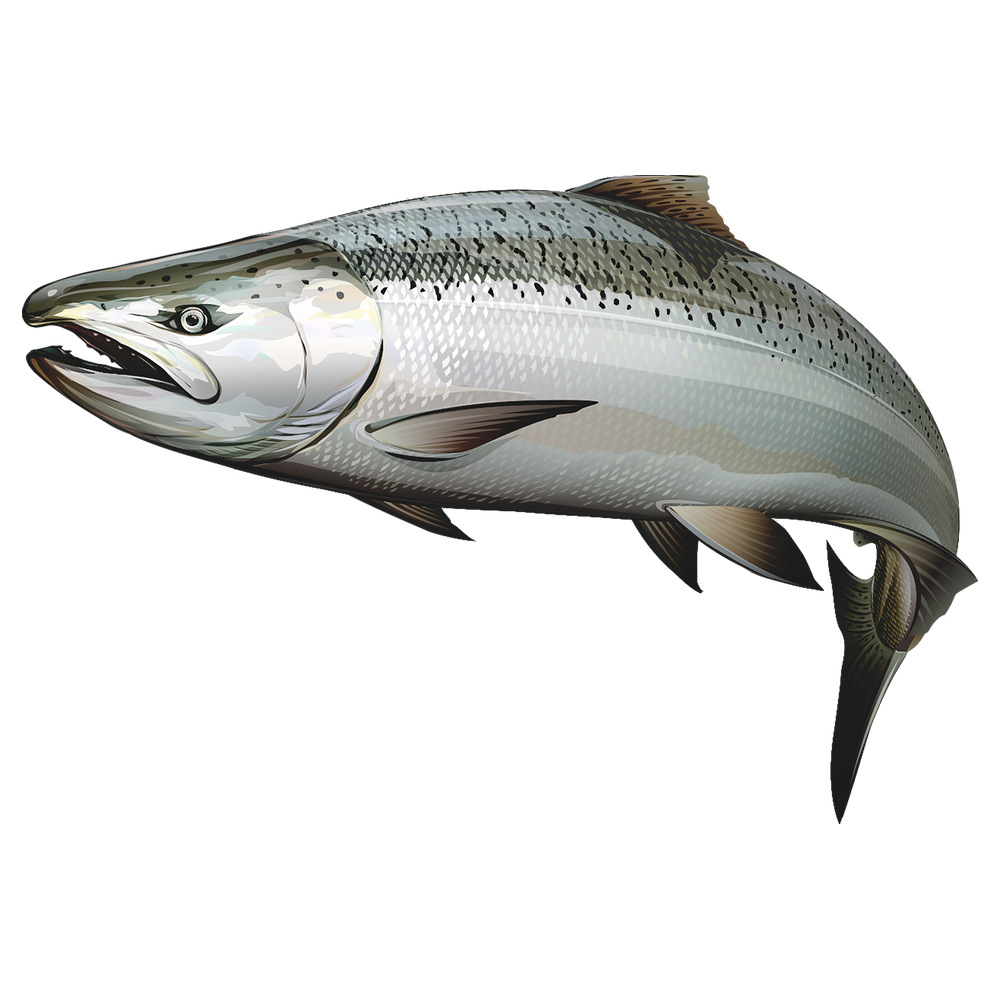
Central Valley Late Fall-Run Chinook Salmon
-
Central Valley Spring-Run Chinook Salmon
-
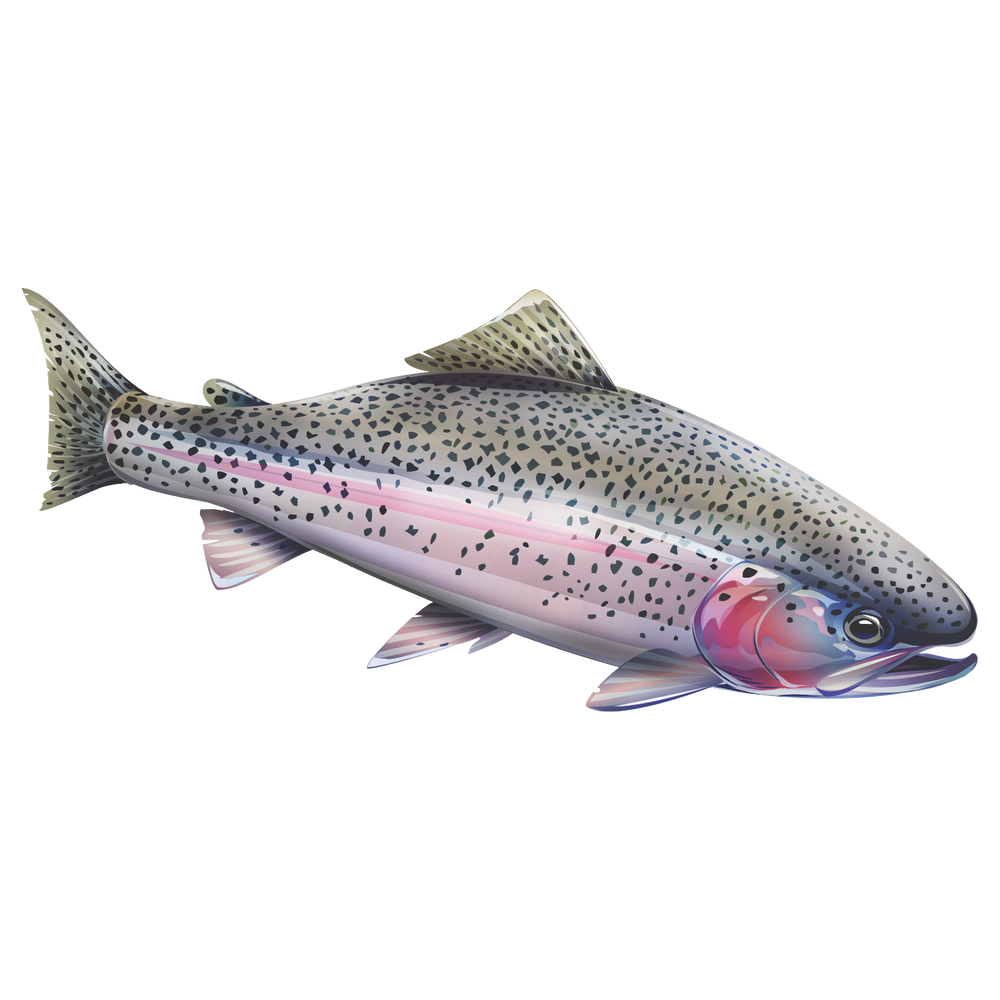
Coastal Rainbow Trout
-
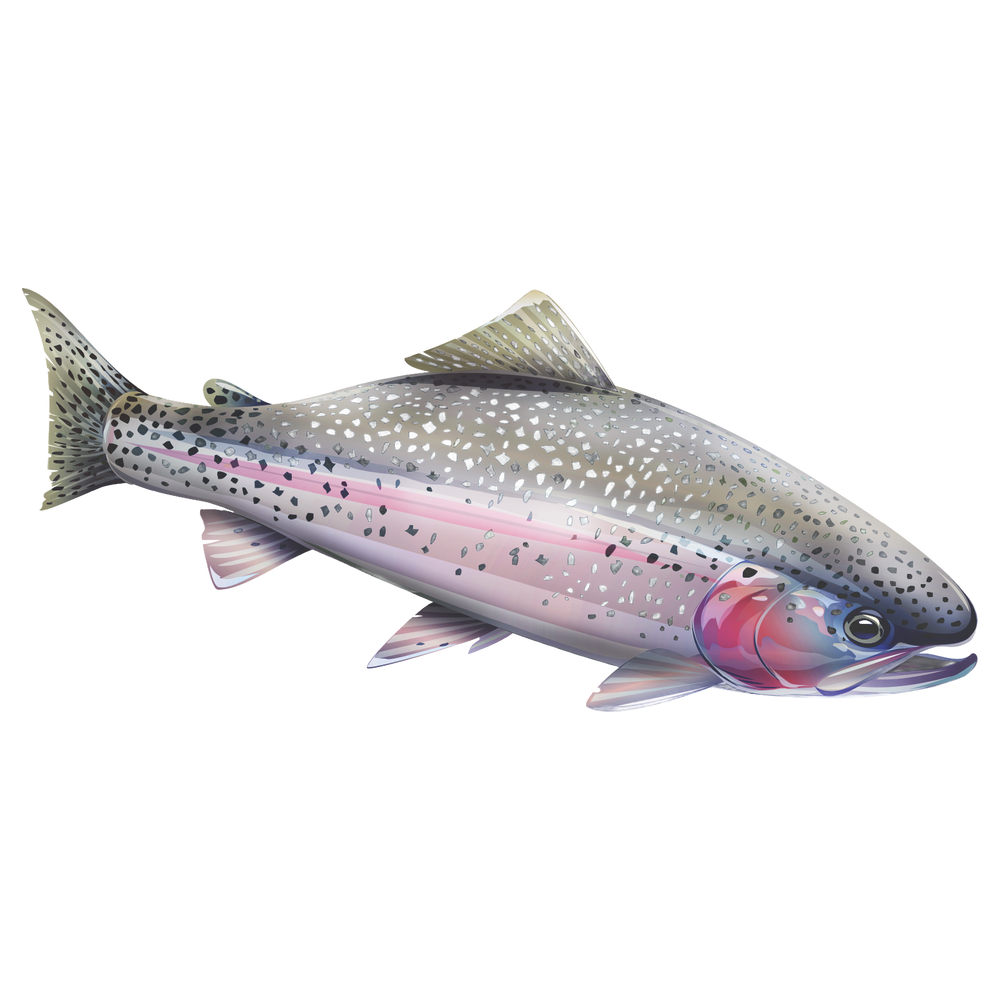
Eagle Lake Rainbow Trout
-
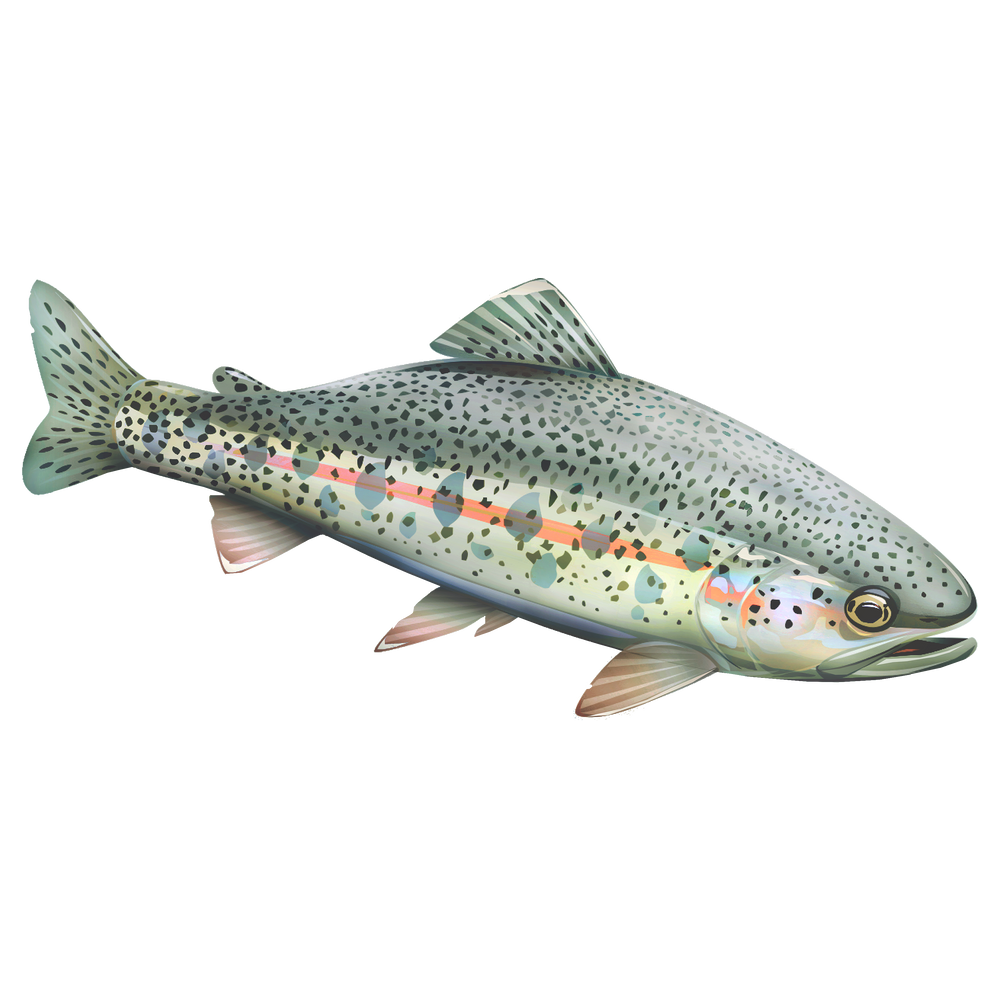
Goose Lake Redband Trout
-
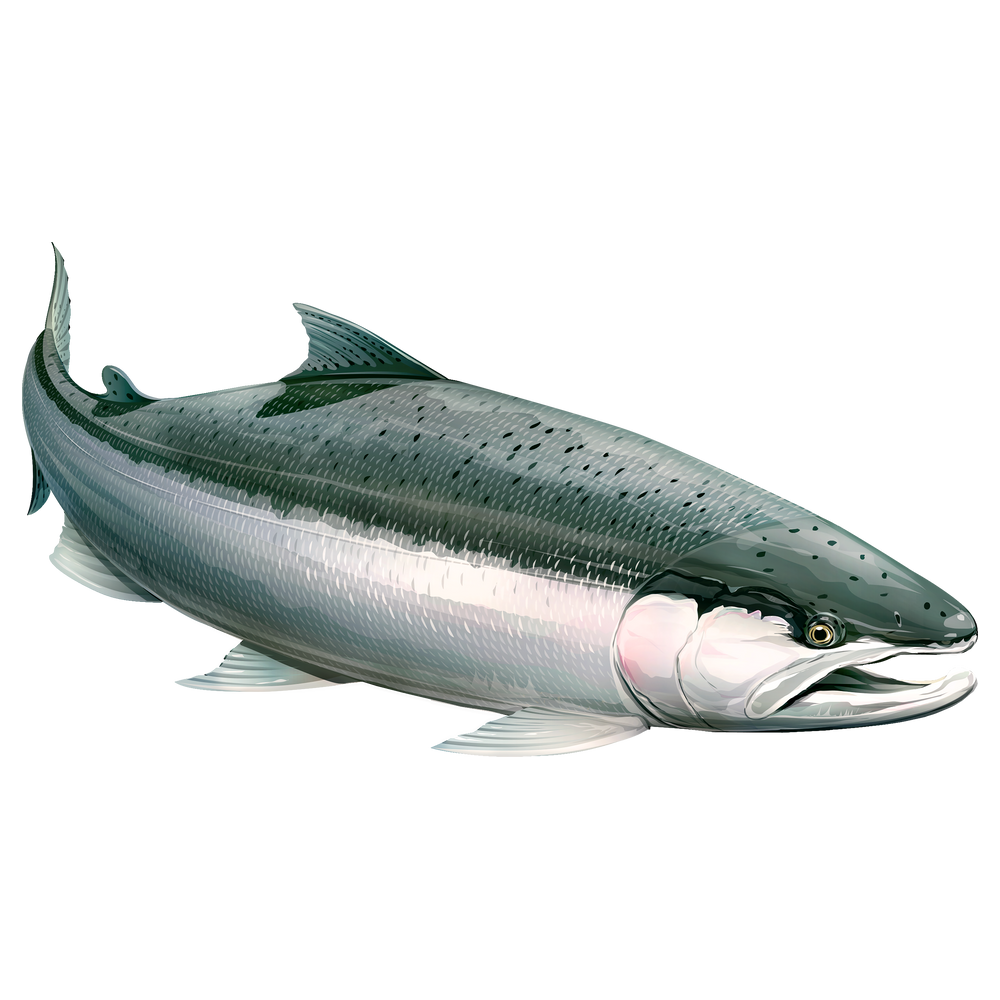
Klamath Mountains Province Summer Steelhead
-
Klamath Mountains Province Winter Steelhead
-
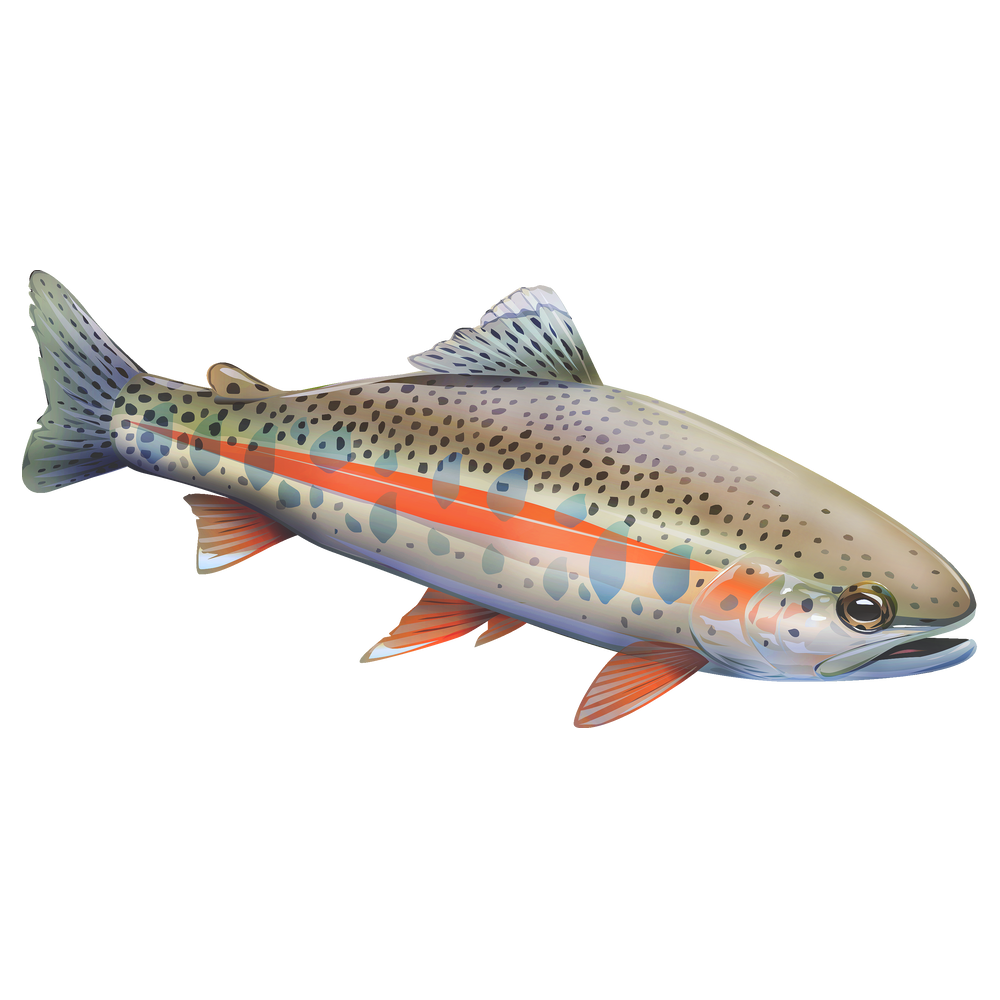
McCloud River Redband Trout
-
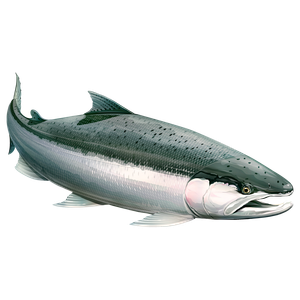
Sacramento River Winter-Run Chinook Salmon
-
Southern Oregon/Northern California Coast Chinook Salmon
-
Upper Klamath-Trinity Rivers Fall-Run Chinook Salmon
-
Upper Klamath-Trinity Rivers Spring-Run Chinook Salmon
Why this region
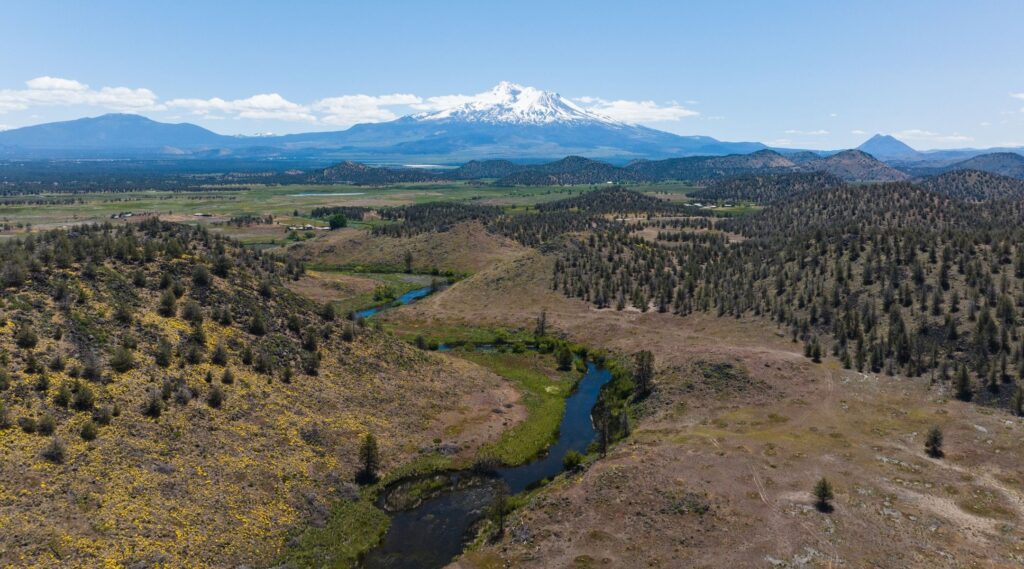
The Shasta Cascade region rises across the volcanic highlands of far Northern California, where cold spring water and snowmelt feed some of the state’s most productive salmon and trout habitat.
Rivers like the McCloud, Fall, Scott, and Shasta, together with Sacramento River tributaries such as Battle Creek and Big Chico Creek, and the upper Klamath itself, have sustained coho and Chinook salmon, steelhead, and native trout for millennia. But a century of dam-building, water diversion, mining legacies, and logging has fragmented these rivers — blocking fish from historic spawning grounds and warming the cold-water refuges salmon depend on to survive.
Yet the Shasta Cascade also holds some of California’s greatest opportunities for recovery. The removal of four dams on the Klamath — the largest dam removal in U.S. history — has already reopened more than 400 miles of salmon habitat, while fish passage projects on Battle Creek and Big Chico Creek’s Iron Canyon are reconnecting spring-fed spawning grounds cut off for generations. With abundant cold water, deep Tribal stewardship, and a growing coalition of agencies, Tribes, and landowners working stream by stream, CalTrout’s regional team is protecting what remains healthy while restoring what’s been lost — building a more climate-resilient future for fish and the communities who depend on these rivers.
FEATURED project
Klamath River salmon & steelhead Monitoring Program
Tracking the largest dam removal and river recovery in U.S. history.
As the Klamath reconnects after dam removal, understanding how the ecosystem responds is paramount. Our monitoring program combines sonar imaging, radio telemetry, netting, and spawner surveys to track how salmon and steelhead recolonize hundreds of miles of newly accessible habitat.
One year after dam removal, CalTrout’s team of more than 20 partners counted over 13,000 Chinook salmon migrating upstream of the former Iron Gate Dam — more than double the 2024 count. Some fish have reached more than 360 river miles from the ocean, into the Upper Klamath Basin for the first time in over a century.
The work answers questions scientists have only theorized about — which tributaries matter most for recovery, how cold-water refuges respond to reopening, and what restoration actions will have the greatest long-term impact. What we learn in the Klamath will shape how we understand river recovery — not just here, but around the world.
CALTROUT IN ACTION
Stories from the Shasta Cascade region.
-
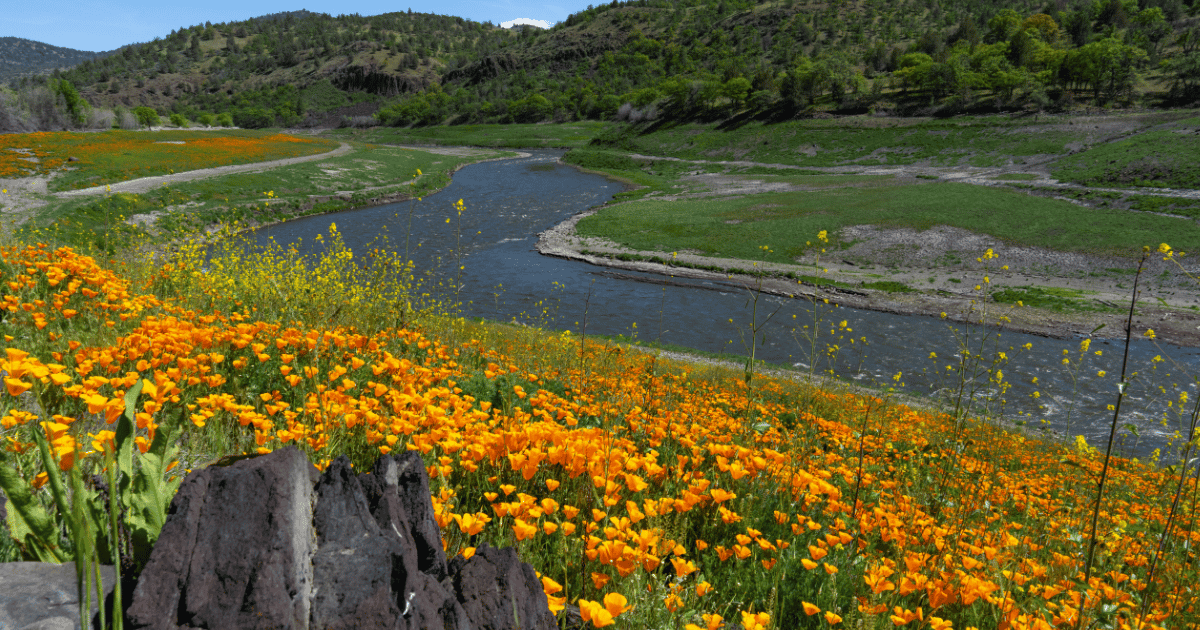
The Salmon Came Back: New Published Study Confirms Rapid Chinook Return in the Klamath River After the World’s Largest Dam Removal
Read more →: The Salmon Came Back: New Published Study Confirms Rapid Chinook Return in the Klamath River After the World’s Largest Dam Removal -
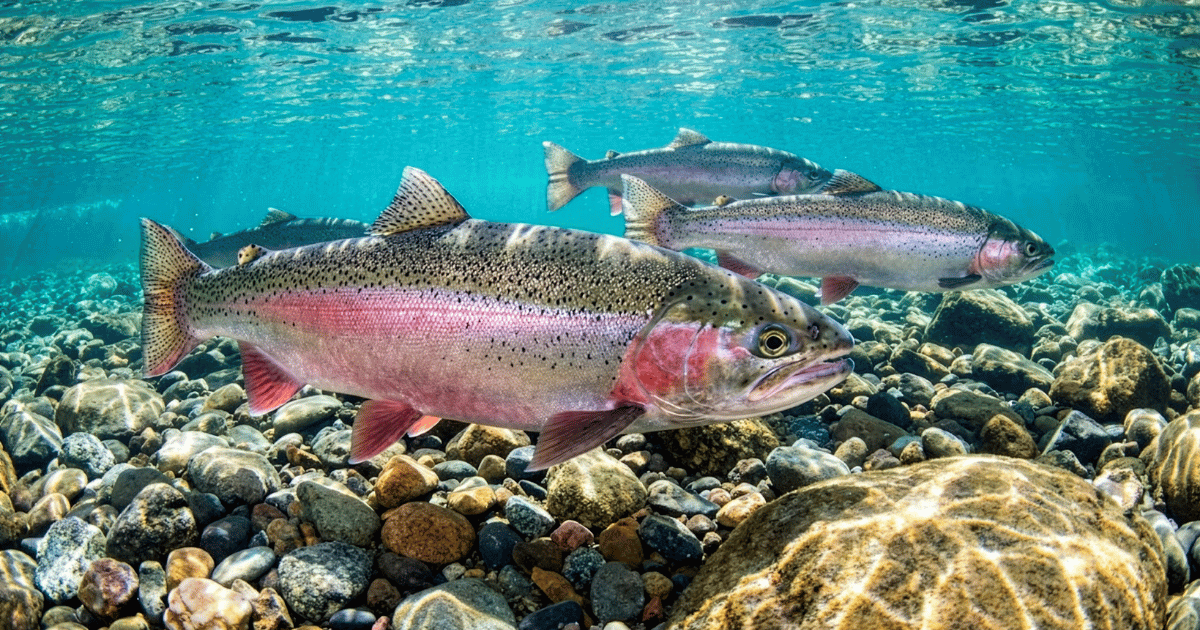
New Report Maps Out Blueprint for Klamath River Steelhead Recovery: Anglers Can Make That A Reality
Read more →: New Report Maps Out Blueprint for Klamath River Steelhead Recovery: Anglers Can Make That A Reality -
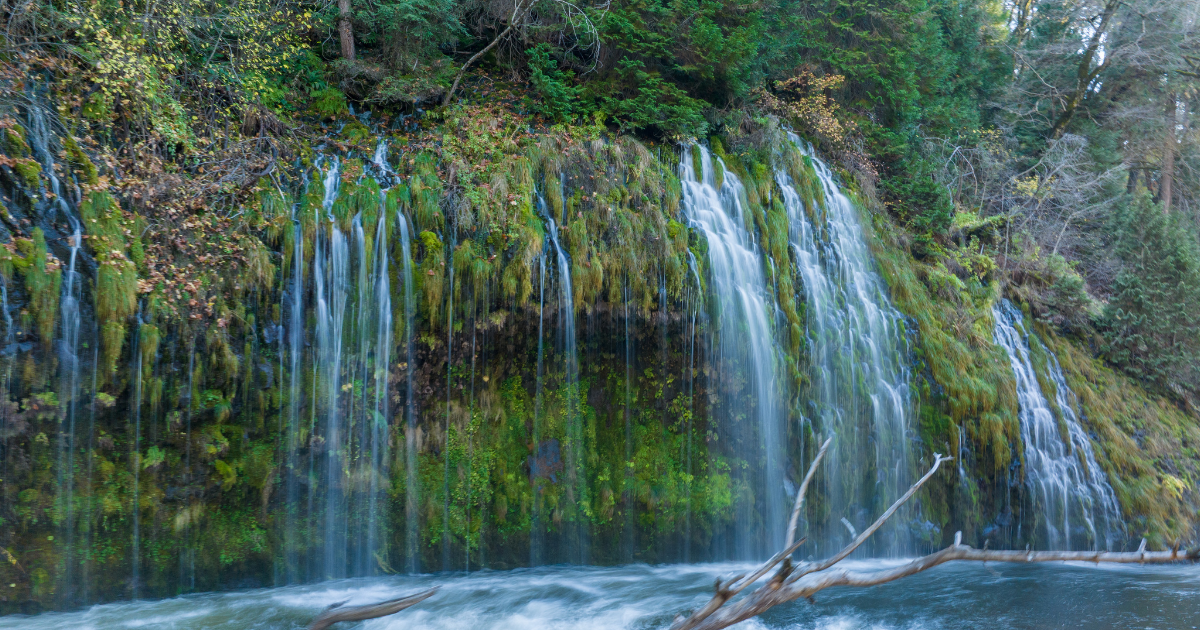
Where Does California’s Water Come From? The Science Behind Northern California’s Spring-Fed Rivers
Read more →: Where Does California’s Water Come From? The Science Behind Northern California’s Spring-Fed Rivers
Support Caltrout
Support work in the Shasta Cascade & beyond.
At California Trout, our goal is to restore vibrance and abundance to California’s freshwater ecosystems, and to keep them that way for years to come. Join us in building a future where wild fish and clean water remain a defining part of California.