


SCORE
2.7
HIGH
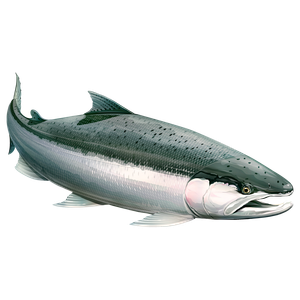
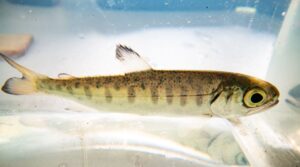
Coastal Cutthroat Trout
Oncorhynchus clarkii clarkii
Species ranges
Related projects
At a Glance
Coastal Cutthroat trout populations in California are small, fragmented, and face multiple threats, including cumulative impacts from land use practices. While their numbers appear to be stable in the few watersheds they inhabit it is equally likely that they have declined in response to watershed alteration throughout their range.
Species characteristics
Conservation Actions
Conservation Strategy
- Conduct abundance and distribution surveys to update information on the current status across their range in California.
- Conduct long-term monitoring and assessment to inform a conservation strategy for the species.
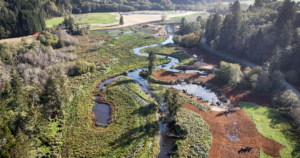
- Undertake estuary restoration in major watersheds to benefit all salmonids, such as in the Eel, Klamath, and Smith rivers and Redwood Creek.
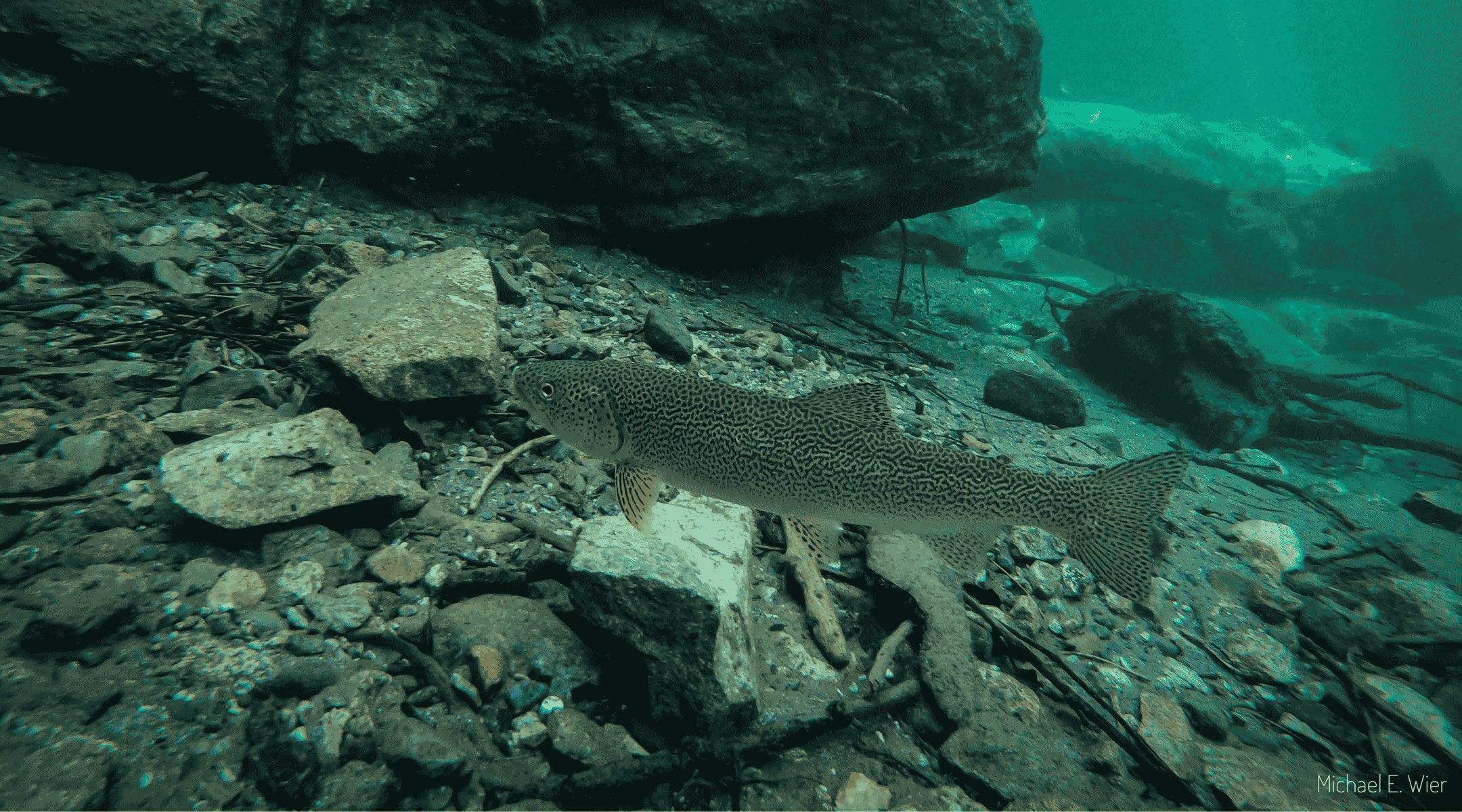
Where to find Coastal Cutthroat Trout
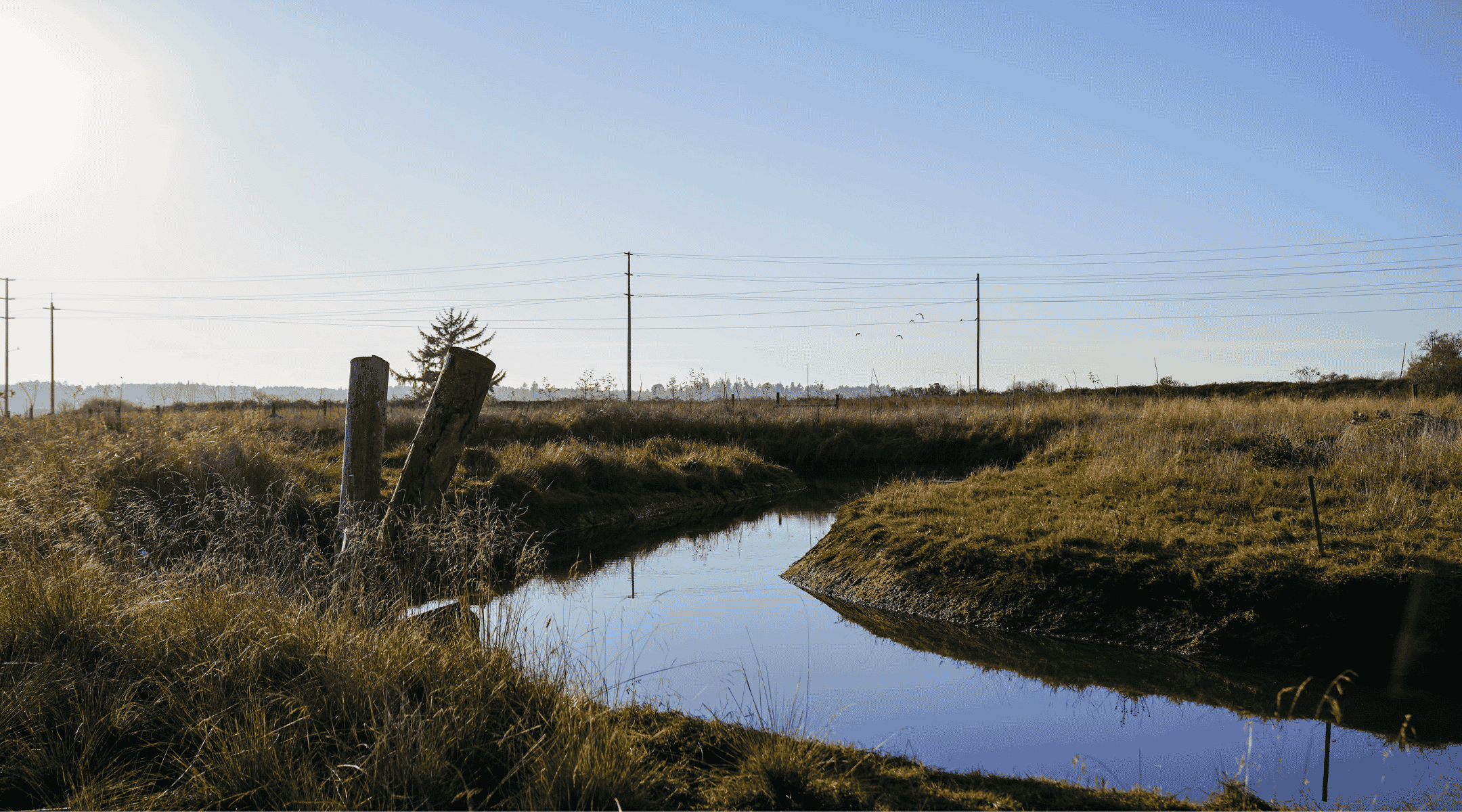
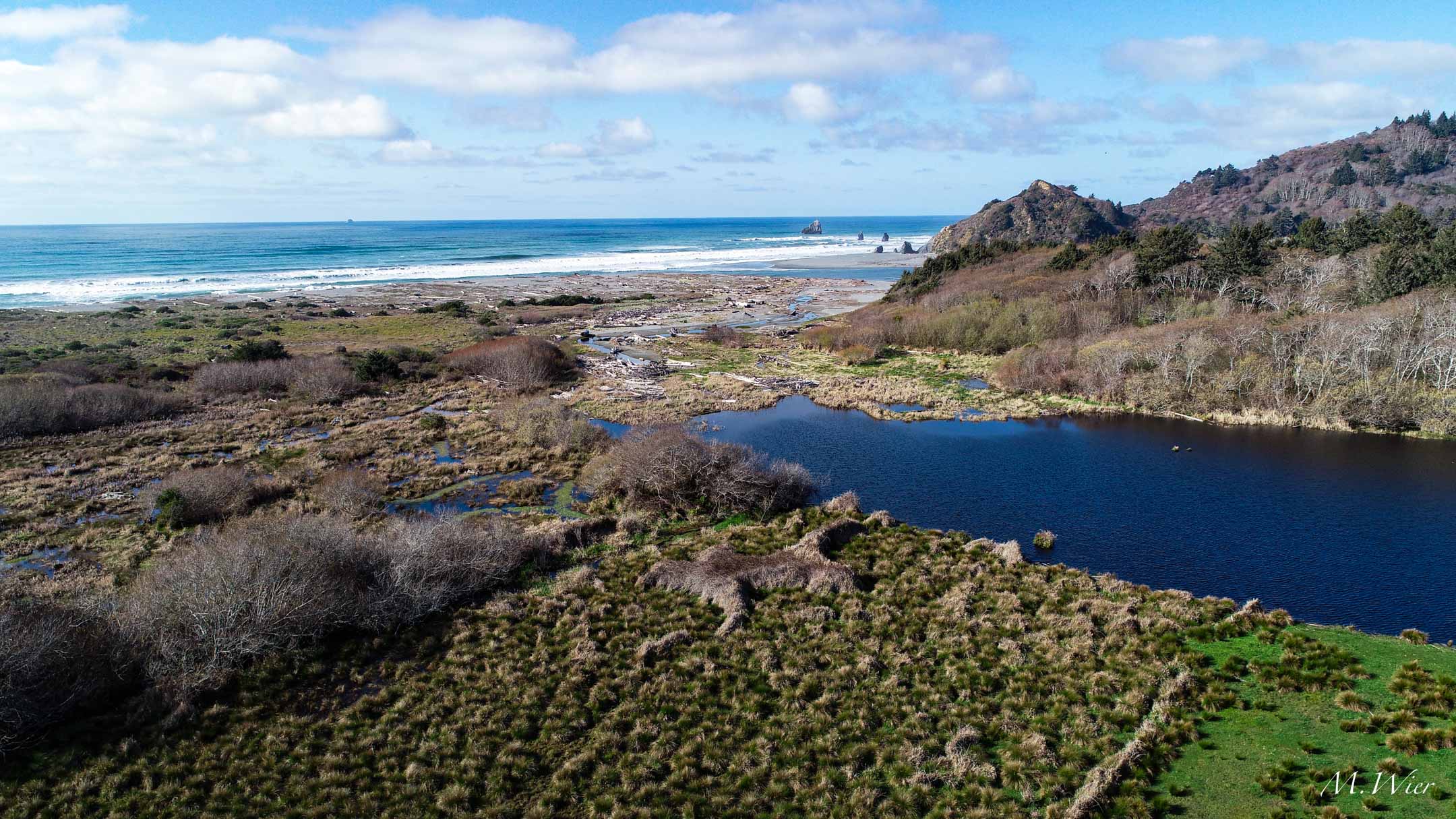
Coastal Cutthroat trout range from Prince William Sound, Alaska, to tributaries of the Salt River (Eel River, Humboldt County). They inhabit most coastal tributaries of major rivers open to the sea and lagoons between the Smith River (Del Norte County) and the Eel River (Humboldt County) in a relatively broad band along the coast. However, updated distribution surveys are needed for this species, as they often inhabit disconnected headwater streams that are now upstream of man-made barriers such as dams, diversions, and culverts.
How This Species Scored
From Caltrout’s SOS II Report
| METRIC | SCORE | JUSTIFICATION |
|---|---|---|
| Area occupied | 5 | Found in many watersheds from Eel River tributaries north to Oregon. |
| Estimated adult abundance | 3 | Many populations are genetically isolated by barriers; most appear to be small and fragmented within California. |
| Intervention dependence | 2 | Persistence requires improved management of heavily logged watersheds and extensively altered estuaries. At least one tributary to the Salt River required a fish rescue in August 2015, and more may be required if the current drought continues. |
| Environmental tolerance | 2 | Prefer water temperatures below 12°C (approximately 54°F). |
| Genetic risk | 2 | Recent research indicates that hybridization with steelhead, while natural, may increase in degraded watersheds or in the presence of hatchery-origin steelhead; this may affect abundance estimates and fisheries management decisions. |
| Climate change | 2 | Most populations exist in small streams or depend upon existing estuary conditions; considerable range-wide vulnerability to climate change. |
| Anthropogenic threats | 3 | 1 High, 7 Medium threats. |
| Average | 2.7 | LEVEL OF CONCERN: HIGH |
CALTROUT IN ACTION
Explore projects affecting the
Coastal Cutthroat Trout
Native Salmonids
Explore California’s native salmon, steelhead, and trout.
From steelhead to coastal cutthroat, California’s native fish are essential to healthy rivers and thriving ecosystems.
-
Bull Trout
-
California Coastal Chinook Salmon
-
California Golden Trout
-
Central California Coast Coho Salmon
-
Central California Coast Steelhead
-
Central Valley Fall-Run Chinook Salmon
-
Central Valley Late Fall-Run Chinook Salmon
-
Central Valley Spring-Run Chinook Salmon
-
Central Valley Steelhead
-
Chinook Salmon
-
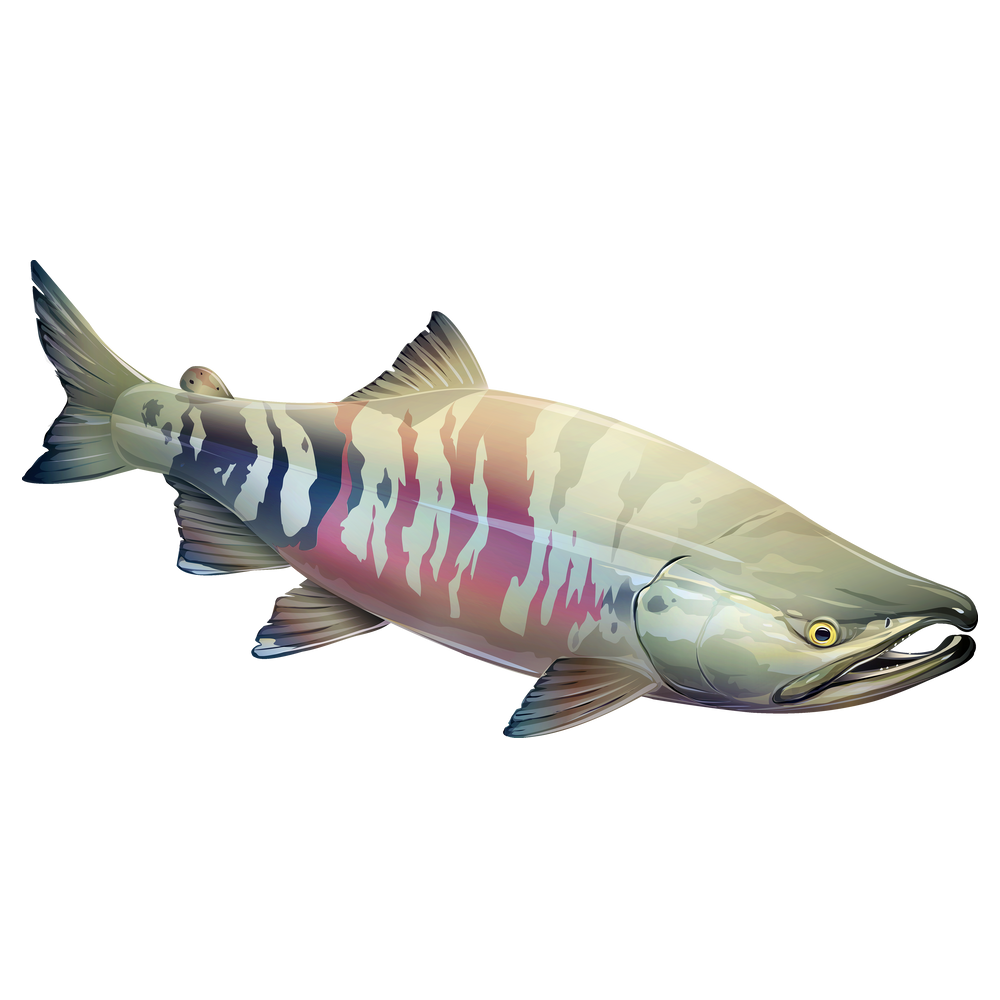
Chum Salmon
-
Coastal Cutthroat Trout
-
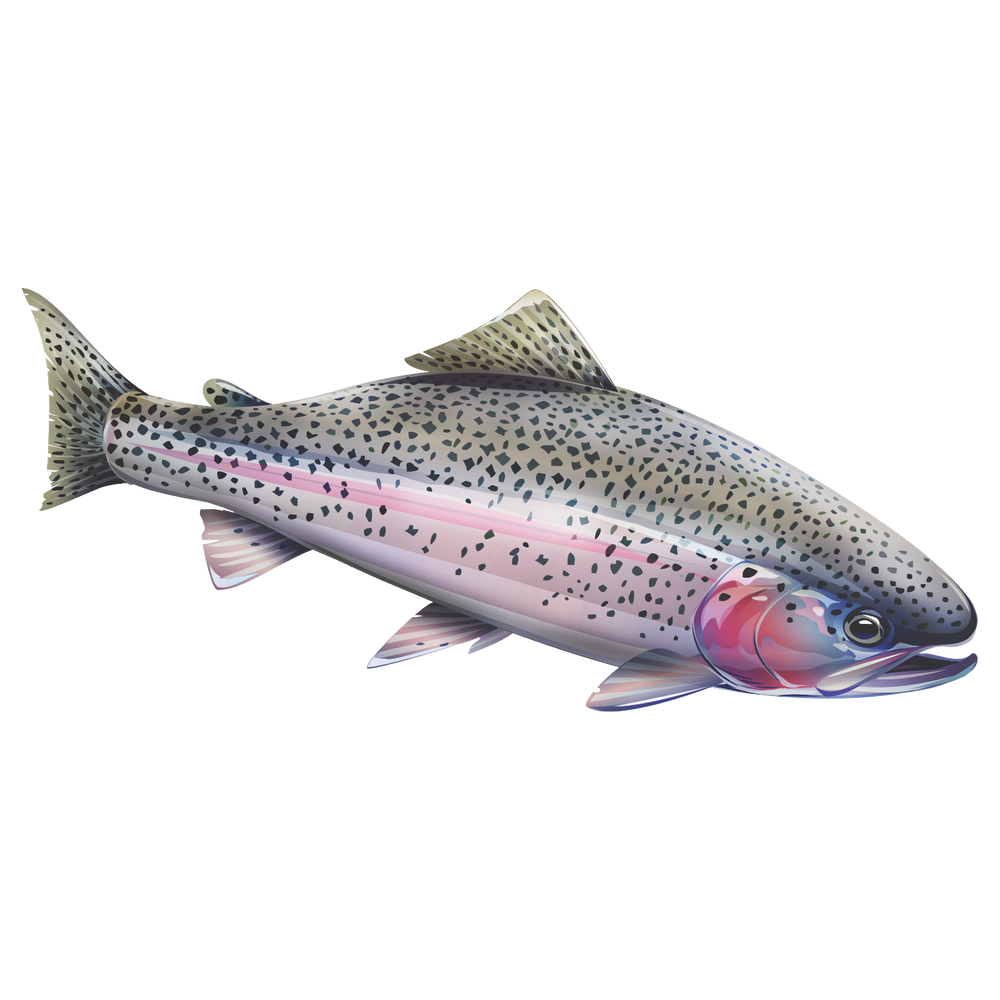
Coastal Rainbow Trout
-
Coho Salmon
-
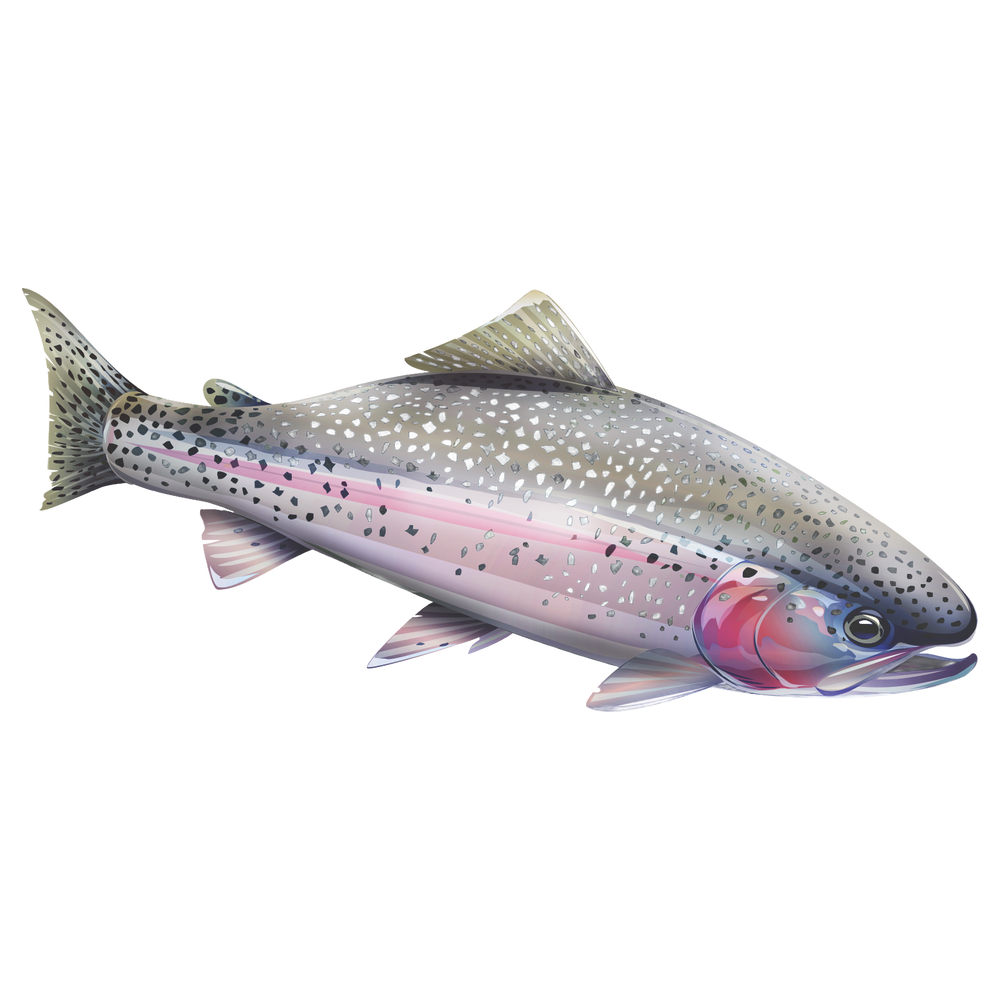
Eagle Lake Rainbow Trout
-
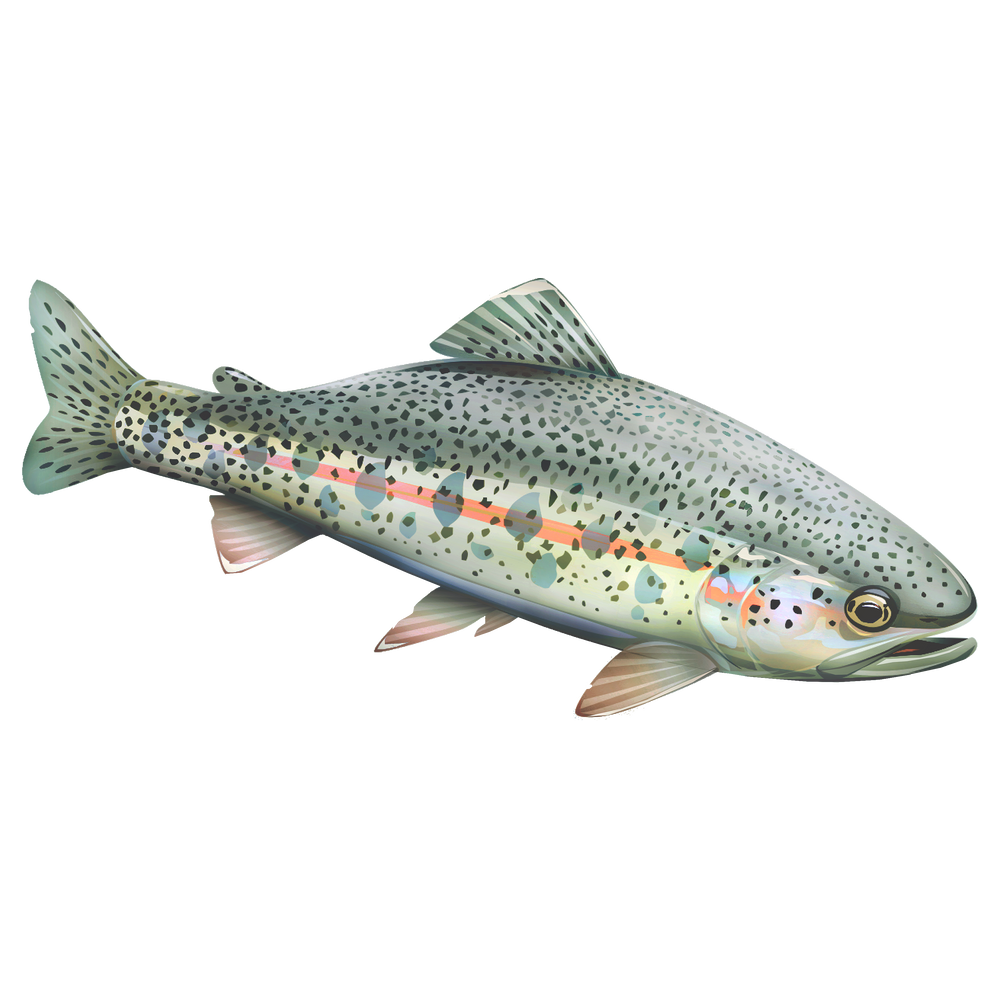
Goose Lake Redband Trout
-
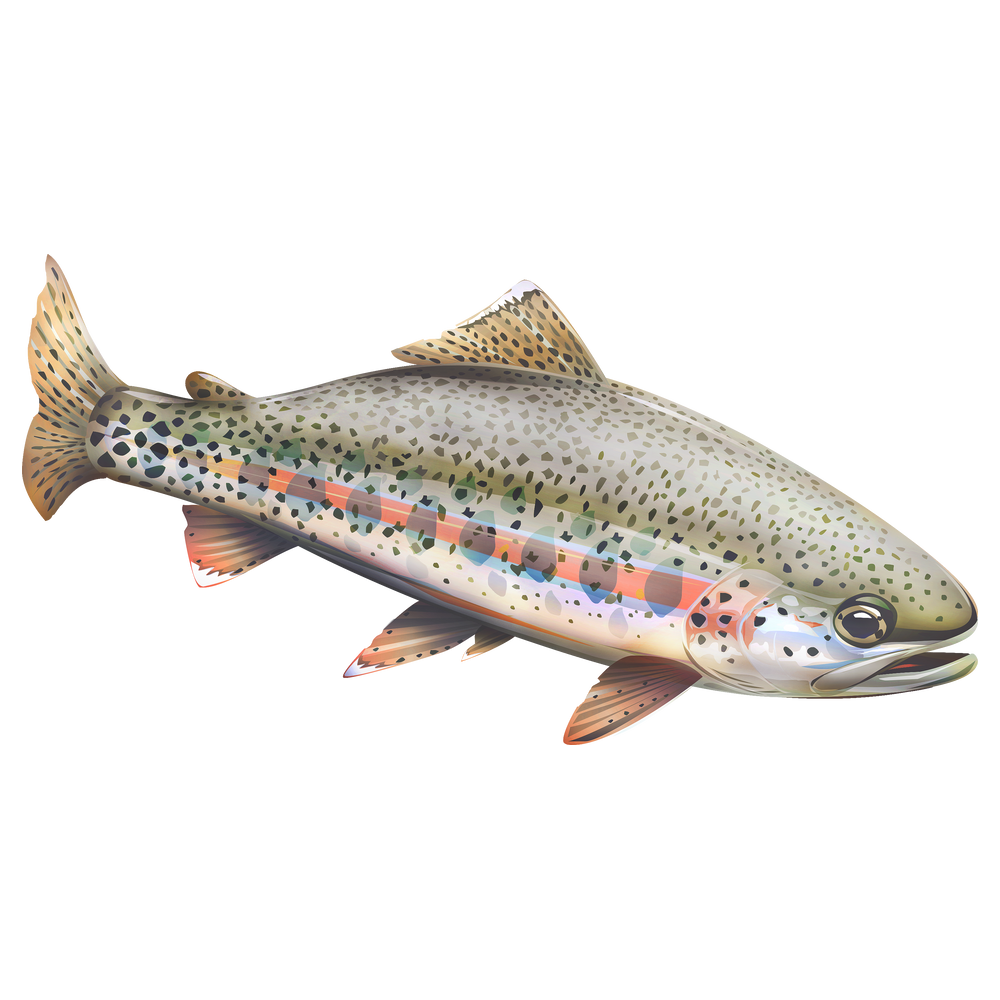
Kern River Rainbow Trout
-
Klamath Mountains Province Summer Steelhead
-
Klamath Mountains Province Winter Steelhead
-
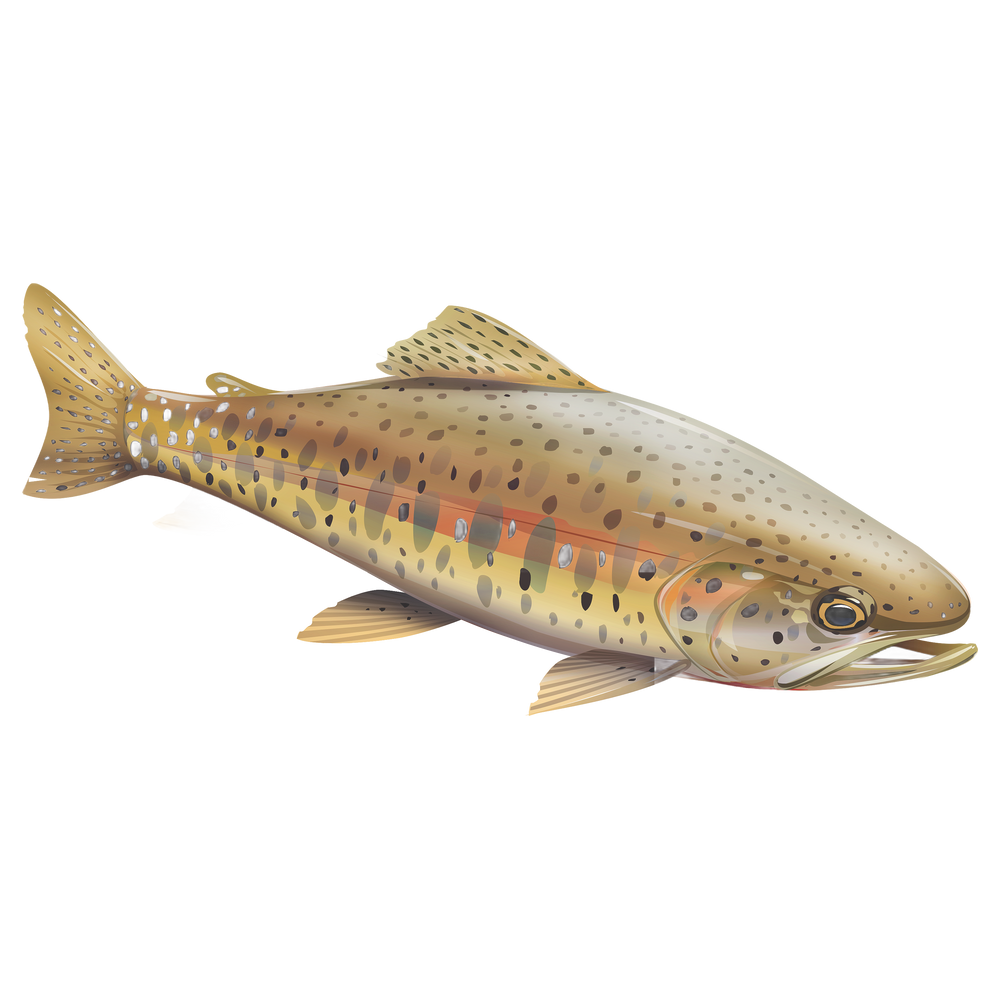
Lahontan Cutthroat Trout
-
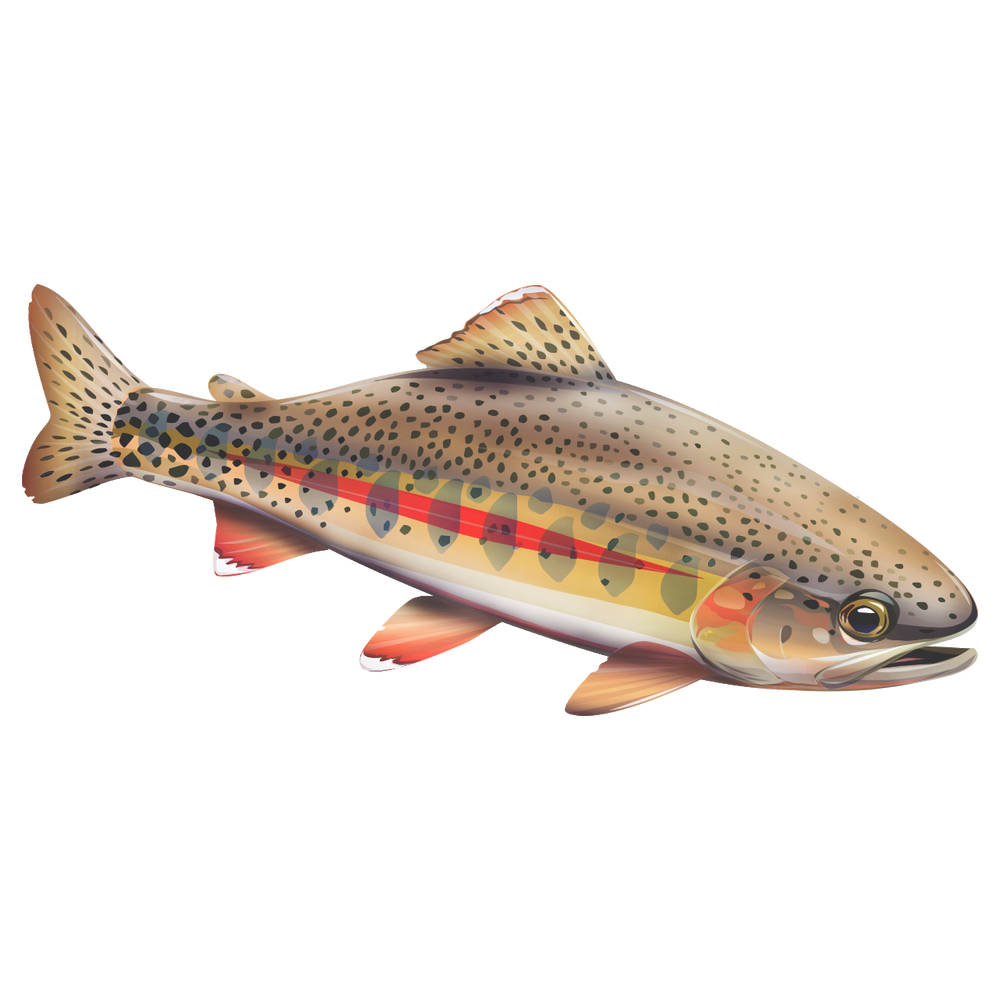
Little Kern Golden Trout
-
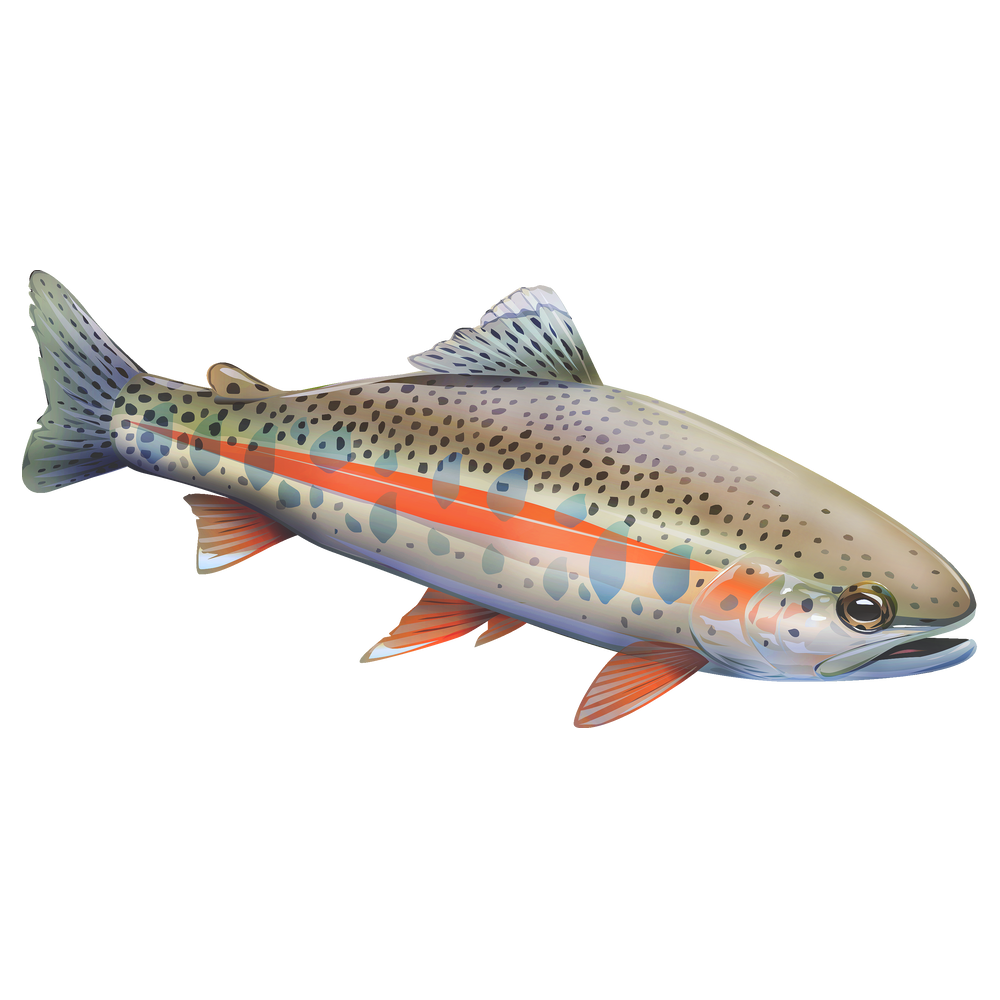
McCloud River Redband Trout
-
Northern California Summer Steelhead
-
Northern California Winter Steelhead
-
Paiute Cutthroat Trout
-
Pink Salmon
-
Sacramento River Winter-Run Chinook Salmon
-
South-Central California Coast Steelhead
-
Southern Oregon/Northern California Coast Chinook Salmon
Support Caltrout