
SCORE
2.9
HIGH
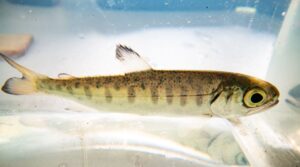
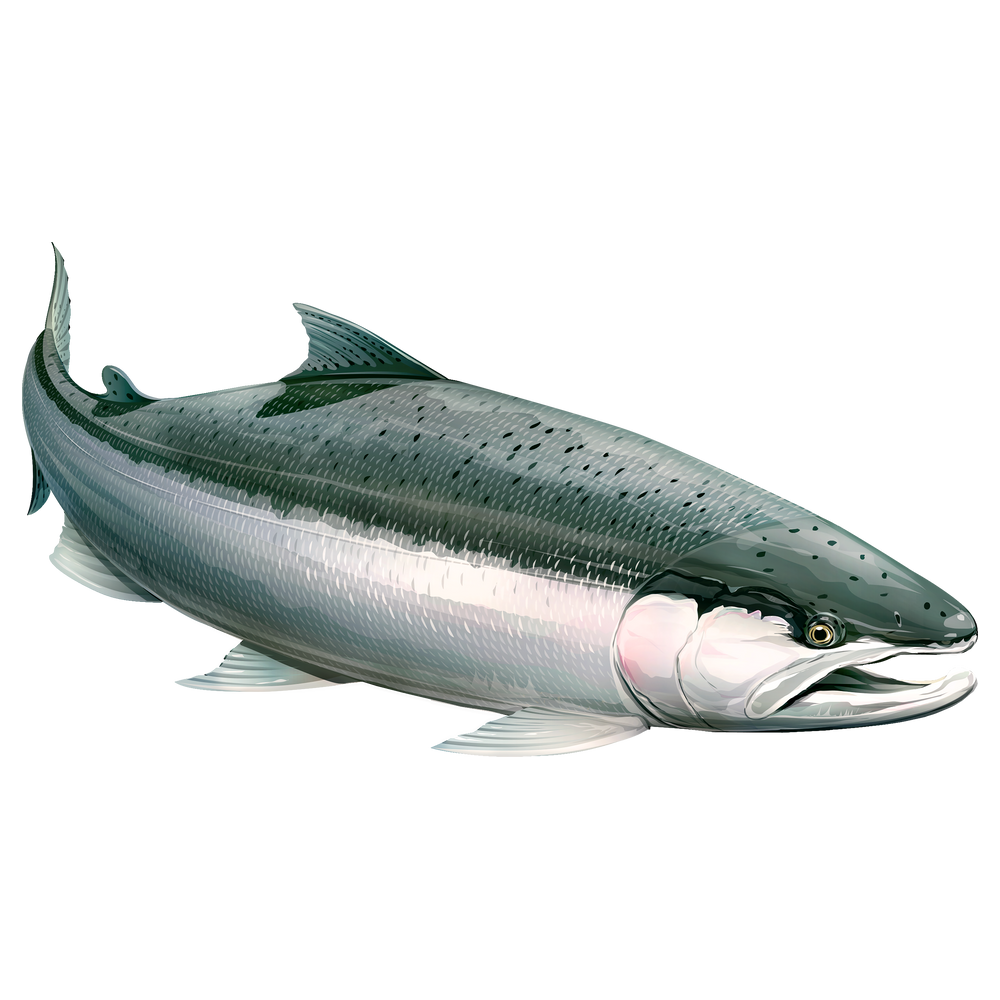
Northern California Winter Steelhead
Oncorhynchus mykiss irideus
Species ranges
Related projects
At a Glance
Northern California winter steelhead are in a state of long-term decline over much of their range due to land use practices that reduce habitat for juveniles, such as diversions that desiccate nursery tributaries during summer months.
Species characteristics
Conservation Actions
Conservation Strategy
- Implement a statewide steelhead restoration and management plan that identifies specific actions to restore and manage steelhead populations and maintain diversity in California.
- Protect life history diversity at relevant ecological scales to maintain wild steelhead.
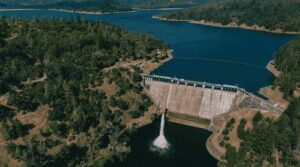
- Begin large-scale restoration of the Eel River through the Eel River Action Plan, including dam removal, estuary restoration, and instream habitat enhancement.
- Implement the Mad River Hatchery Genetic Management Plan (2016) to reduce negative impacts of hatchery fish on remaining wild fish.
- Secure water for fish, and reduce diversions for other uses throughout the DPS range.
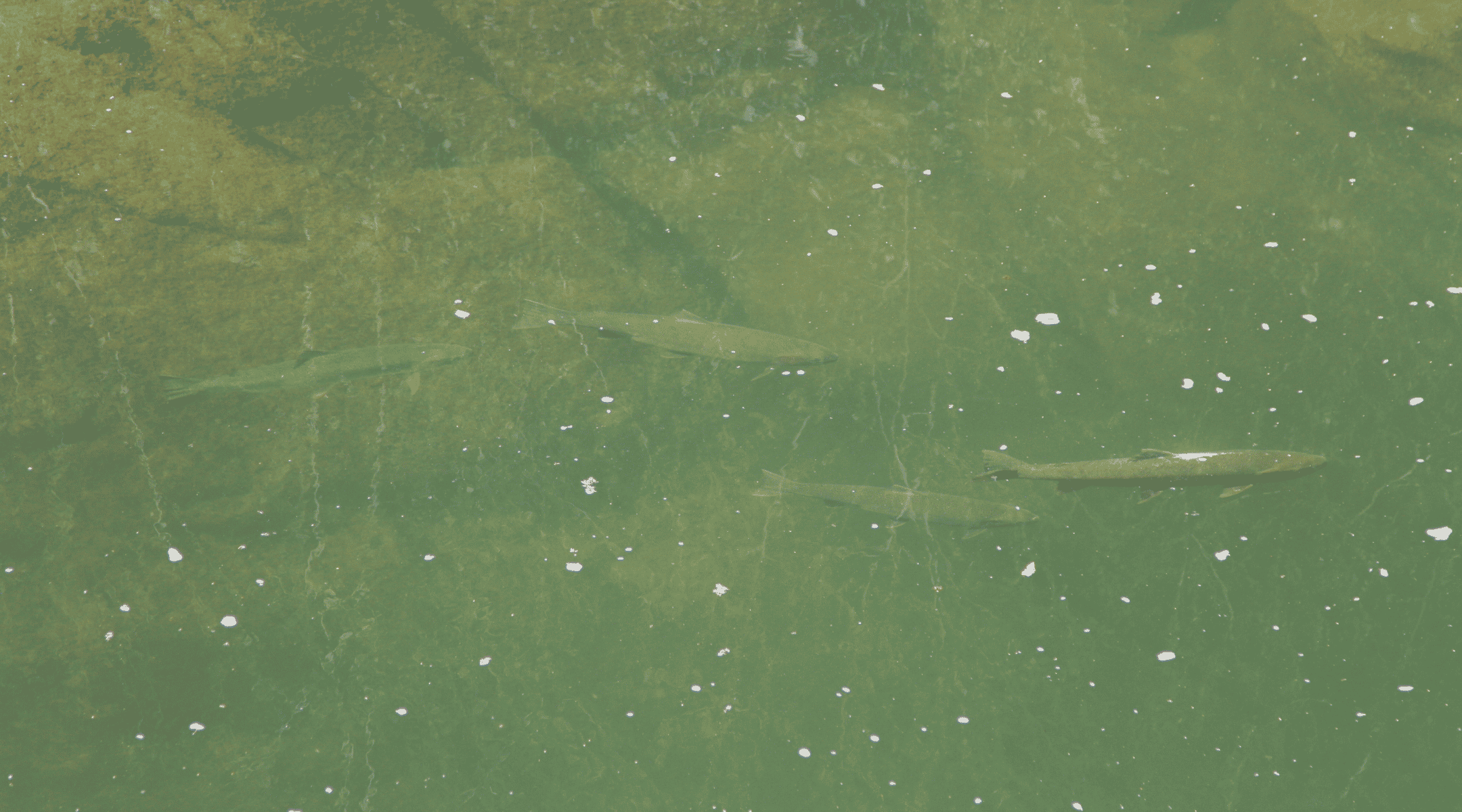
Where to find Northern California Winter Steelhead
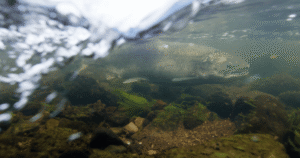
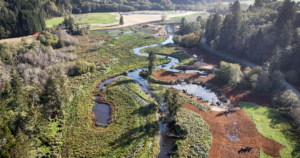
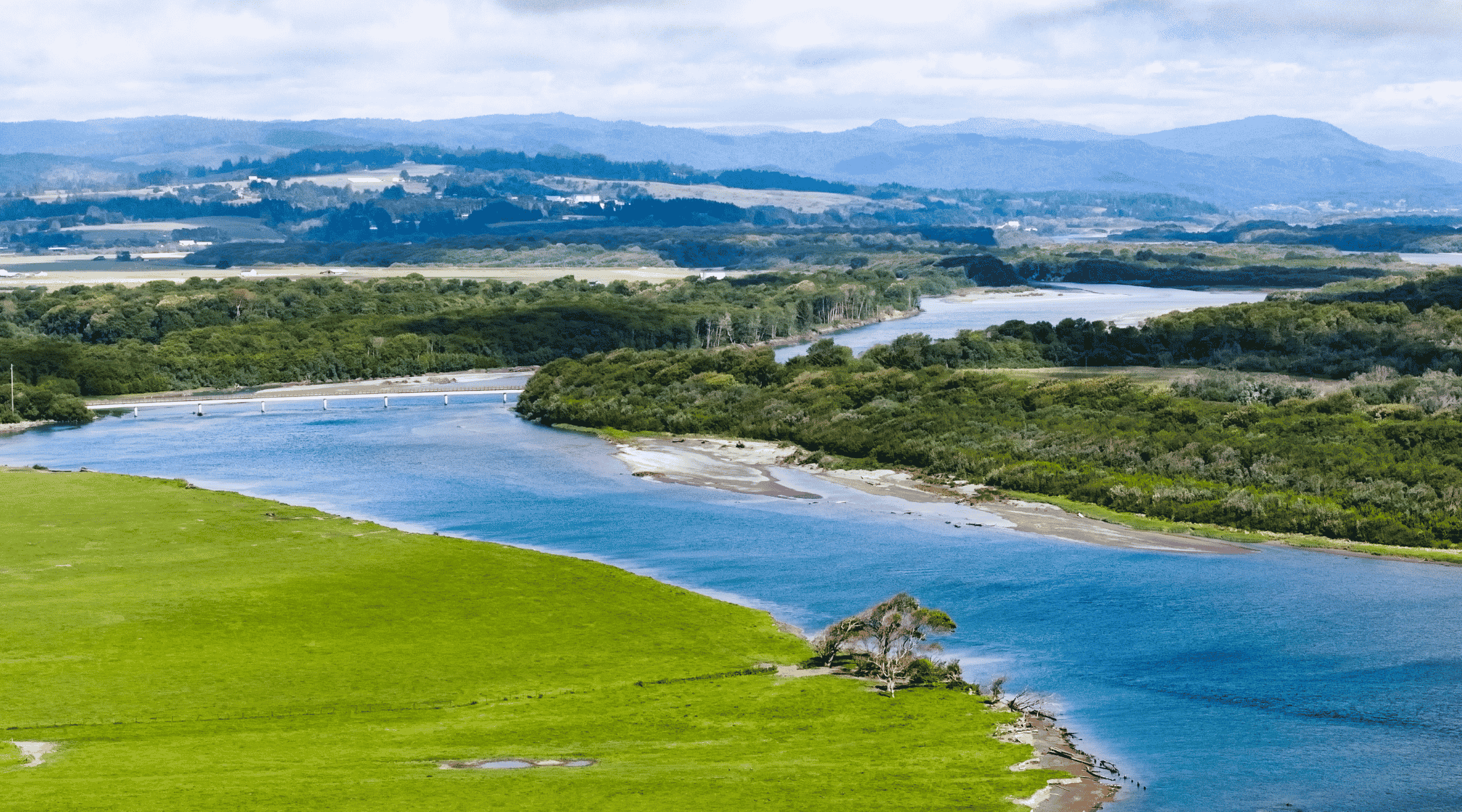
The NC steelhead DPS includes all naturally spawning populations in California coastal river basins from Redwood Creek (Humboldt County) to the Gualala River (Mendocino County). This distribution includes the Eel River, the third largest watershed in California, with its four forks (North, Middle, South, and Van Duzen) and their extensive tributaries. NC steelhead are present today wherever streams are accessible to the ocean and sufficient flows and cool water exist. Some water bodies with no recent direct access to the ocean, such as Big and Stone lagoons in Humboldt County, also contain steelhead, although the source of these fish is unknown.
How This Species Scored
From Caltrout’s SOS II Report
| METRIC | SCORE | JUSTIFICATION |
|---|---|---|
| Area occupied | 3 | Multiple watersheds in CA. |
| Estimated adult abundance | 3 | A few thousand wild spawning steelhead present annually in the Mad and Eel rivers combined; other populations (Redwood Creek, Mattole, and Garcia) may contain as many, though information is lacking. Total is likely less than 15,000-20,000, |
| Intervention dependence | 4 | Require continuous monitoring, protection from poaching, and habitat improvement for recovery. |
| Environmental tolerance | 4 | Broad tolerance in fresh water and may spawn several times. |
| Genetic risk | 4 | Genetically diverse with gene flow among populations, although hatchery influence is a concern. |
| Climate change | 1 | Vulnerable in most watersheds but possible refuges present. Moyle et al. (2013) vulnerability score is 17/35 (highly vulnerable). |
| Anthropogenic threats | 1 | 2 High and 7 Medium threats. Dams and estuary alteration preclude recovery of NC winter steelhead. |
| Average | 2.9 | LEVEL OF CONCERN: HIGH |
CALTROUT IN ACTION
Explore projects affecting the
Northern California Winter Steelhead

Native Salmonids
Explore California’s native fish.
From steelhead to coastal cutthroat, California’s native fish are essential to healthy rivers and thriving ecosystems.
-
Bull Trout
-
California Coastal Chinook Salmon
-
California Golden Trout
-
Central California Coast Coho Salmon
-
Central California Coast Steelhead
-
Central Valley Fall-Run Chinook Salmon
-
Central Valley Late Fall-Run Chinook Salmon
-
Central Valley Spring-Run Chinook Salmon
-
Central Valley Steelhead
-
Chinook Salmon
-
Chum Salmon
-
Coastal Cutthroat Trout
-
Coastal Rainbow Trout
-
Coho Salmon
-
Eagle Lake Rainbow Trout
-
Goose Lake Redband Trout
-
Kern River Rainbow Trout
-
Klamath Mountains Province Summer Steelhead
-
Klamath Mountains Province Winter Steelhead
-
Lahontan Cutthroat Trout
-
Little Kern Golden Trout
-
McCloud River Redband Trout
-
Northern California Summer Steelhead
-
Northern California Winter Steelhead
-
Paiute Cutthroat Trout
-
Pink Salmon
-
Sacramento River Winter-Run Chinook Salmon
-
South-Central California Coast Steelhead
-
Southern Oregon/Northern California Coast Chinook Salmon
SUPPORT CalTrout
The only statewide assessment of California’s native salmon, steelhead, and trout.
CalTrout, in collaboration with academic partners, has produced two once-a-decade State of the Salmonids reports — comprehensive scientific assessments of all 32 native salmon, steelhead, and trout species in California. The third report is currently set to release in 2027.