SCORE
1.9
CRITICAL
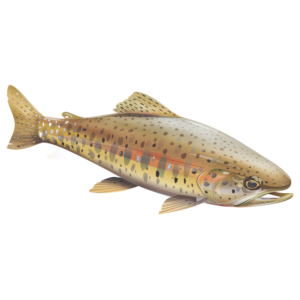
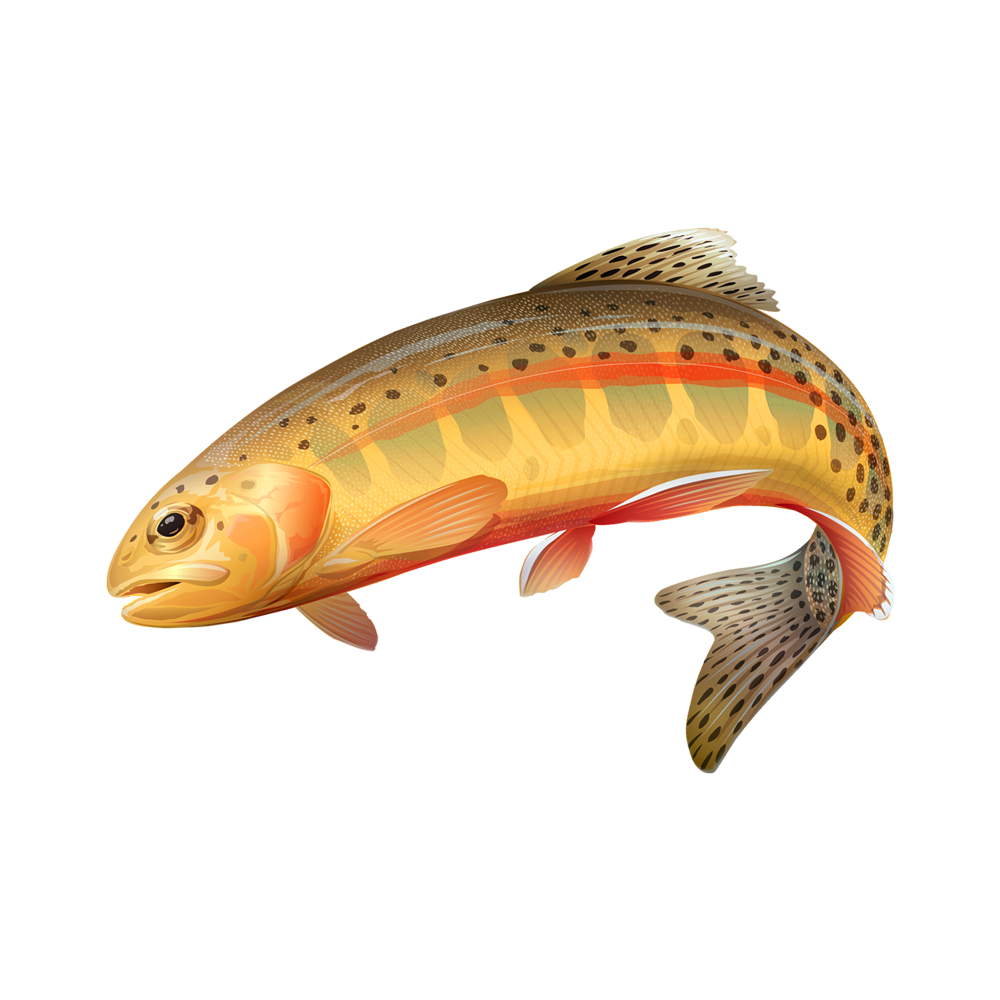
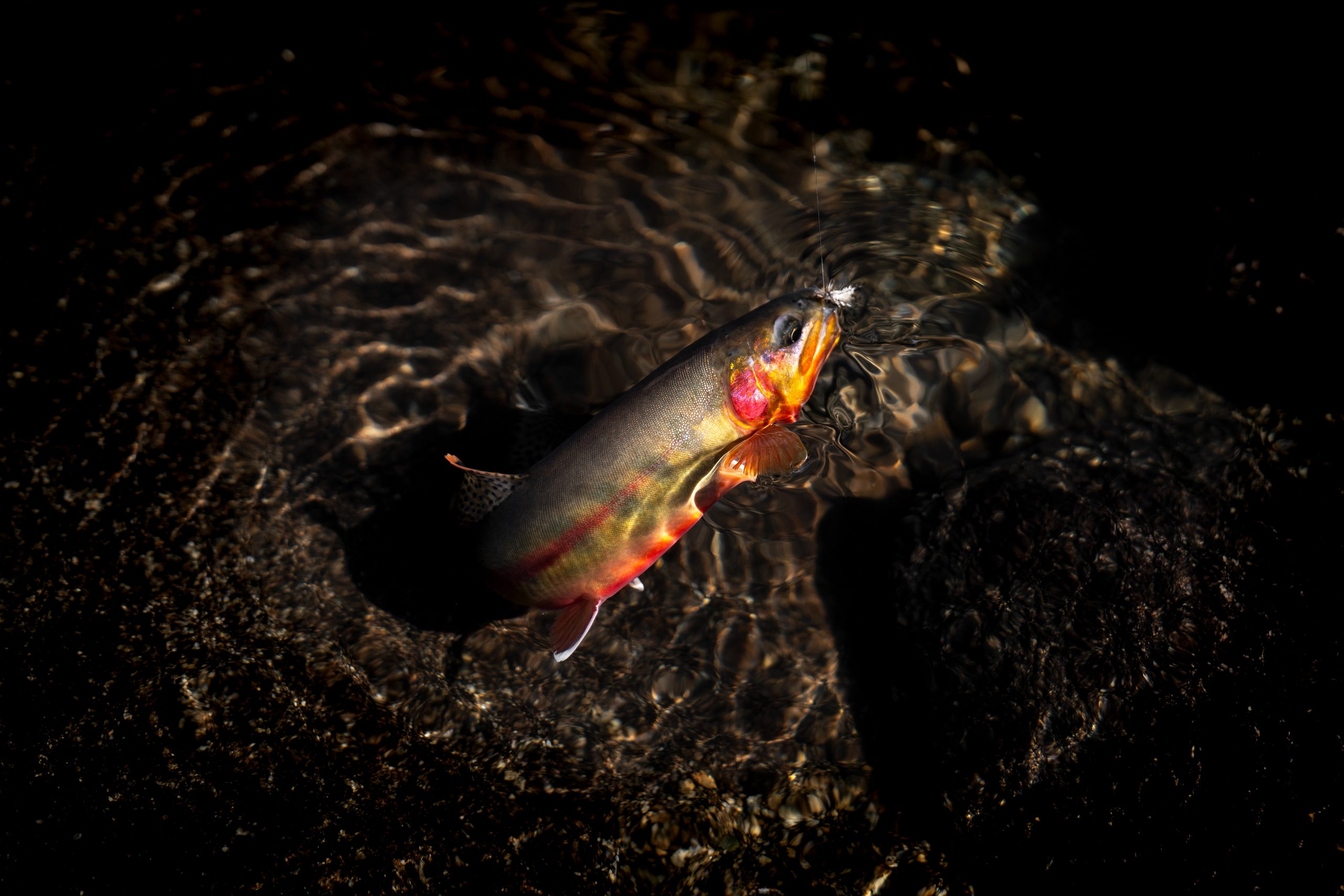
California Golden Trout
Oncorhynchus mykiss aguabonita
Species ranges
Related projects
At a Glance
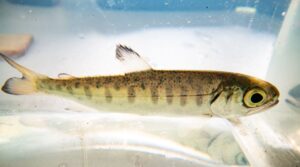
California Golden trout are likely to become extinct in the wild in the next 50 years. While the Golden Trout Creek (GTC) population is relatively secure, the South Fork Kern River (SFKR) population is threatened by hybridization with hatchery-origin Coastal Rainbow trout, and predation and competition from introduced Brown trout.
Species characteristics
Where to find California Golden Trout
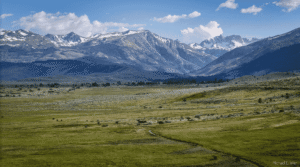
California Golden trout are native to the South Fork Kern River and its tributaries, Golden Trout Creek and Volcano Creek. As a result of extensive pack train collection and stocking efforts over the last century, they can be found in nearby Cottonwood Lakes and Mulkey Creek, as well as several watersheds in the Sierra Nevada. Expanded stocking has introduced them to more than 300 high mountain lakes and 1,100 km (about 680 mi.) of streams outside their native range, including in Utah, Wyoming, and Montana.
300+
High-Mountain Lakes
1,100km
Streams outside native range
8,000ft
Minimum native elevation
1
Native watershed
Conservation Actions
Conservation Strategy
- Review and update the 2004 Conservation Strategy.
- Implement revised Conservation Strategy to eliminate non-native trout species.
- Monitor and evaluate barrier performance and collect abundance, distribution, and genetic data to determine Strategy efficacy.
- Restrict grazing and off-road vehicles from sensitive areas.
- Protect streams with pure and slightly hybridized California Golden trout as refuge populations.
- Restore degraded headwater meadows to increase cool streamflows in summer and fall months and enhance species resiliency.
How the score has changed
SOS overall score over time. Lower means greater extinction risk.
3.4
/ 7
2008
3.1
/ 7
2017
Coming Soon
2027
How This Species Scored
From Caltrout’s SOS II Report
| METRIC | SCORE | JUSTIFICATION |
|---|---|---|
| Area occupied | 1 | Unhybridized California Golden trout are confined to a few small tributaries in one watershed. |
| Estimated adult abundance | 3 | Volcano Creek populations may be <1,000 but, if other populations with conservation value within native range are counted, the numbers would be much higher, perhaps 50,000. |
| Intervention dependence | 2 | Annual monitoring of barrier performance required; continued implementation of Conservation Strategy is critical. Rescued individuals from Volcano Creek will need to be re-introduced based on genetic management strategy. |
| Environmental tolerance | 3 | Generally tolerant of a wide range of conditions and habitats within their native range. |
| Genetic risk | 1 | Hybridization with rainbow trout is a constant high risk. |
| Climate change | 1 | Rated critically vulnerable in Moyle et al. (2013). |
| Anthropogenic threats | 2 | 1 High, 1 Medium threat. |
| Average | 1.9 | LEVEL OF CONCERN: CRITICAL |
CALTROUT IN ACTION
Explore CalTrout projects across the state.
Native Salmonids
Explore California’s native salmon, steelhead, and trout.
From steelhead to coastal cutthroat, California’s native fish are essential to healthy rivers and thriving ecosystems.
-
Bull Trout
-
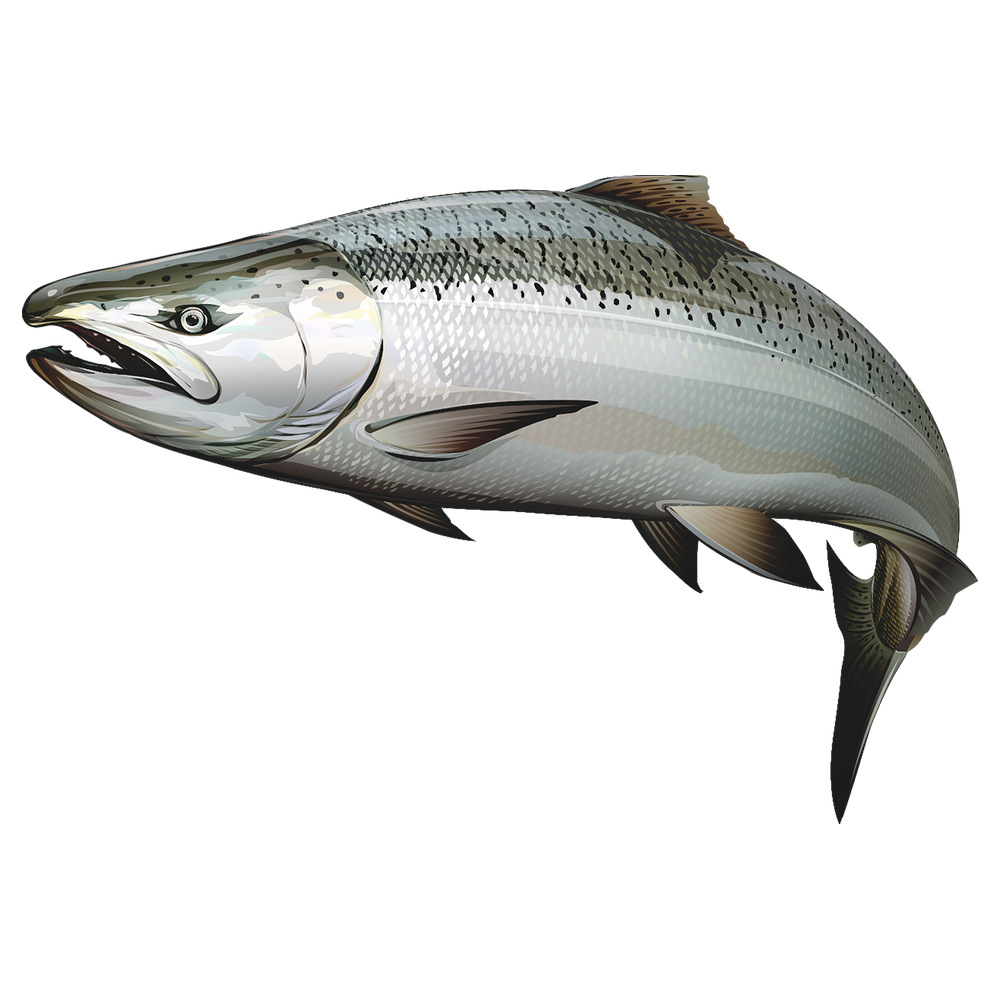
California Coastal Chinook Salmon
-
California Golden Trout
-
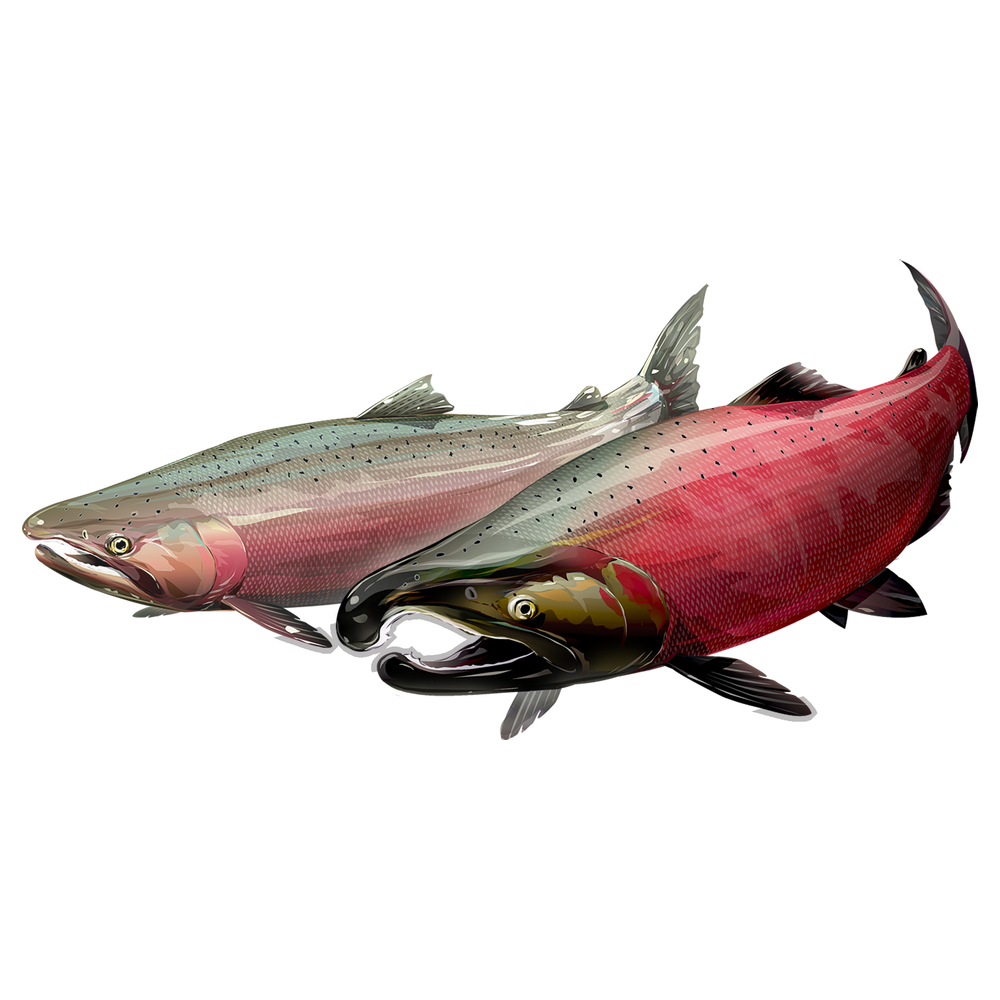
Central California Coast Coho Salmon
-
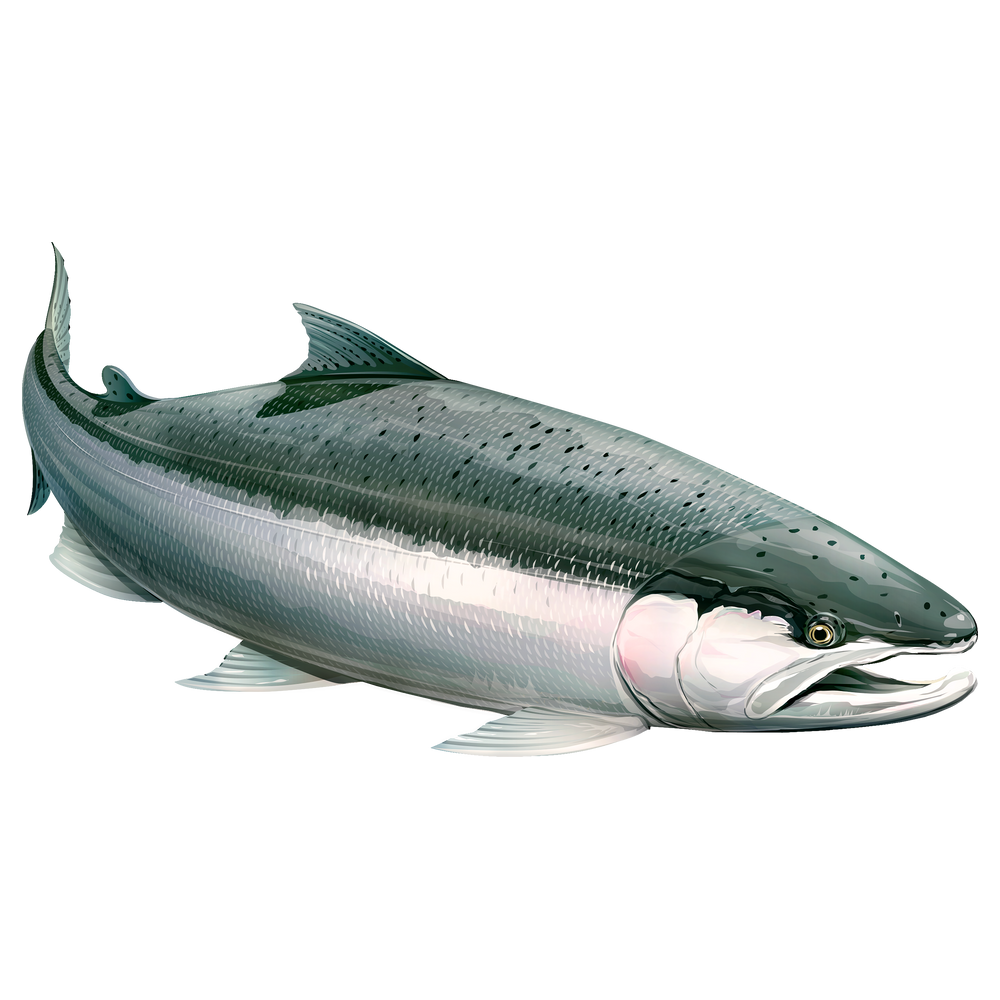
Central California Coast Steelhead
-
Central Valley Fall-Run Chinook Salmon
-
Central Valley Late Fall-Run Chinook Salmon
-
Central Valley Spring-Run Chinook Salmon
-
Central Valley Steelhead
-
Chinook Salmon
-
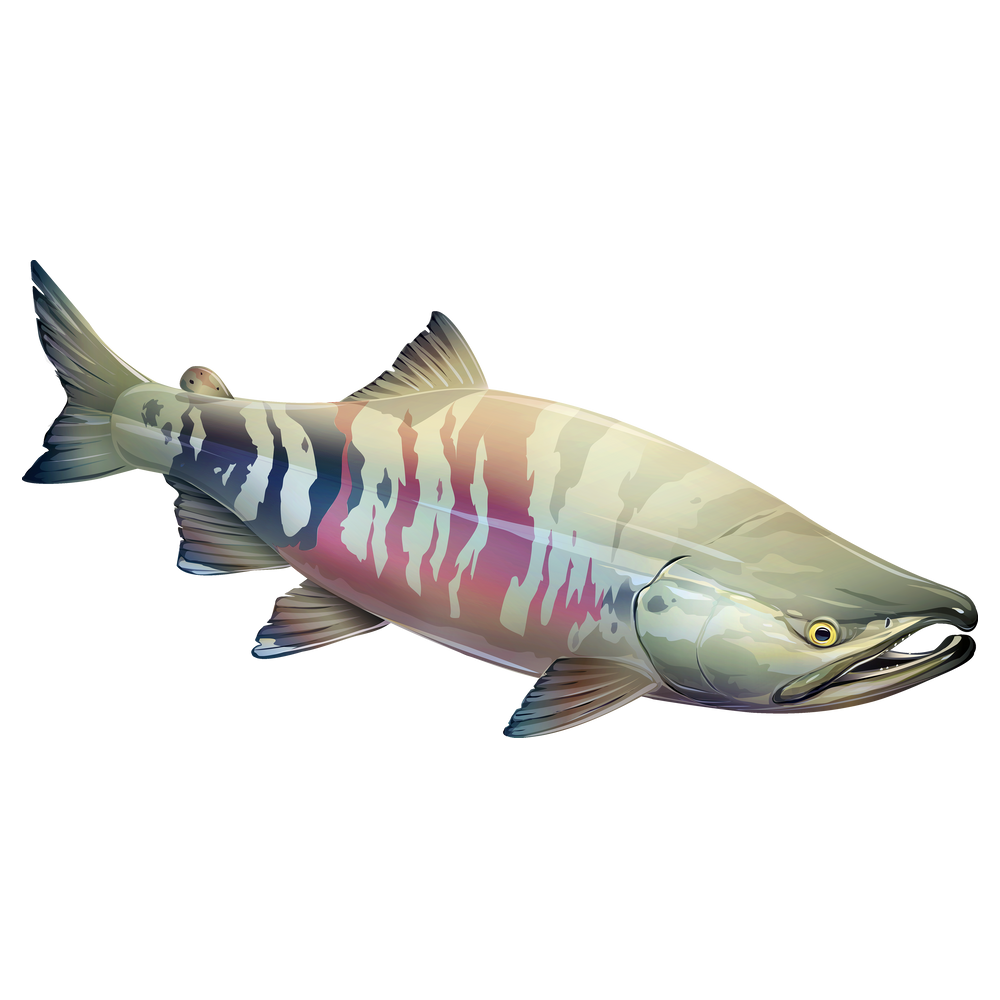
Chum Salmon
-
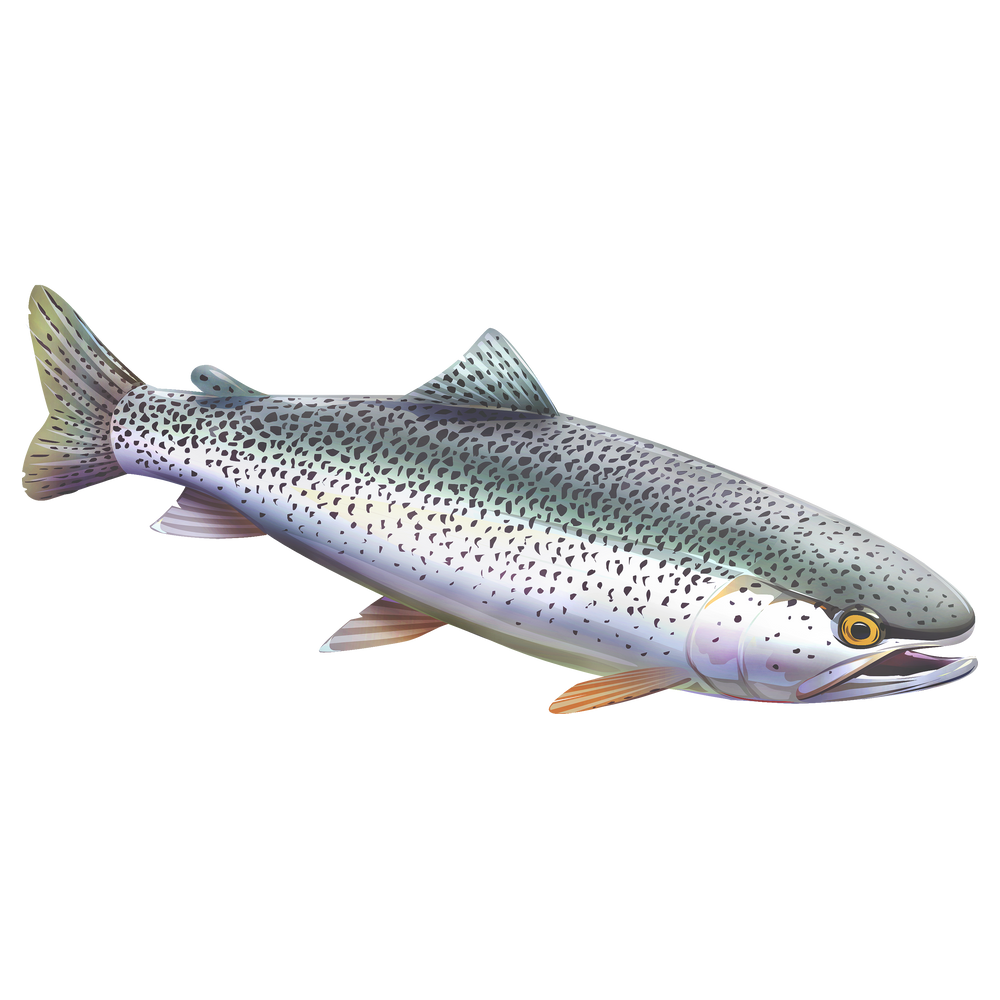
Coastal Cutthroat Trout
-
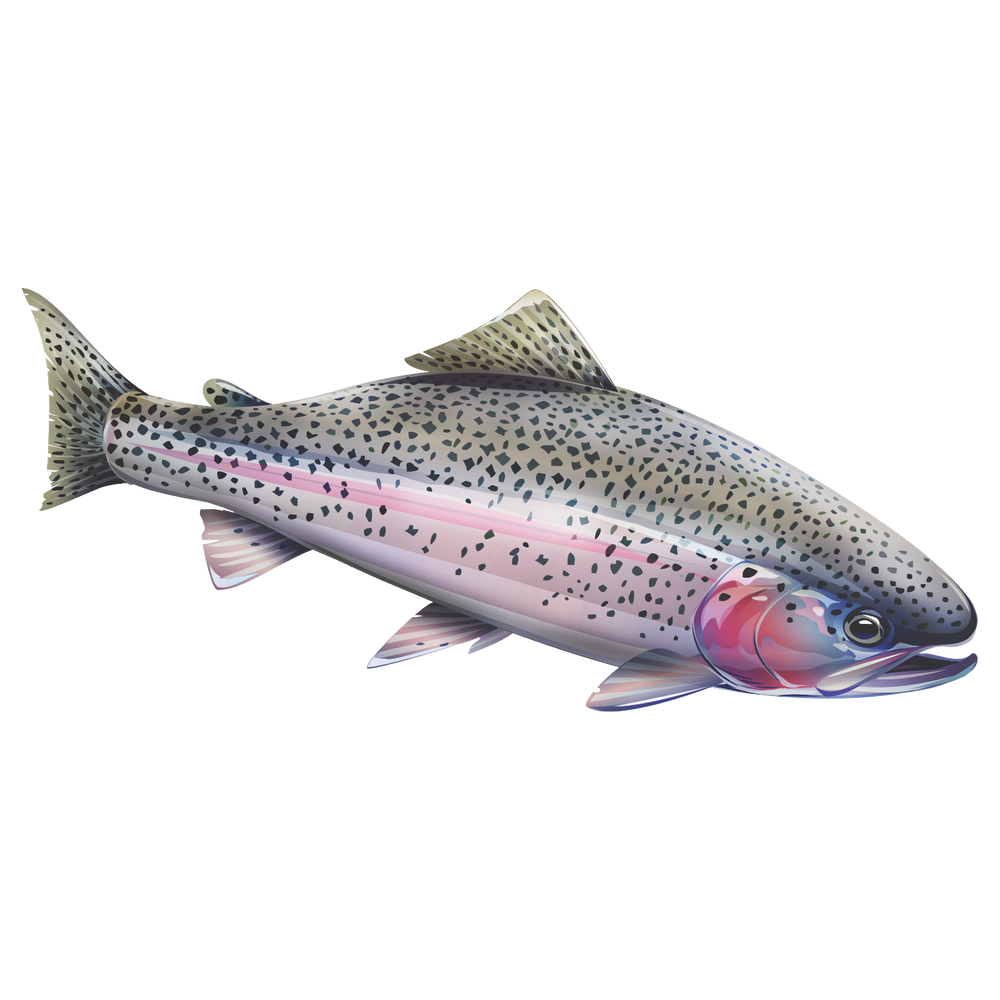
Coastal Rainbow Trout
-
Coho Salmon
-
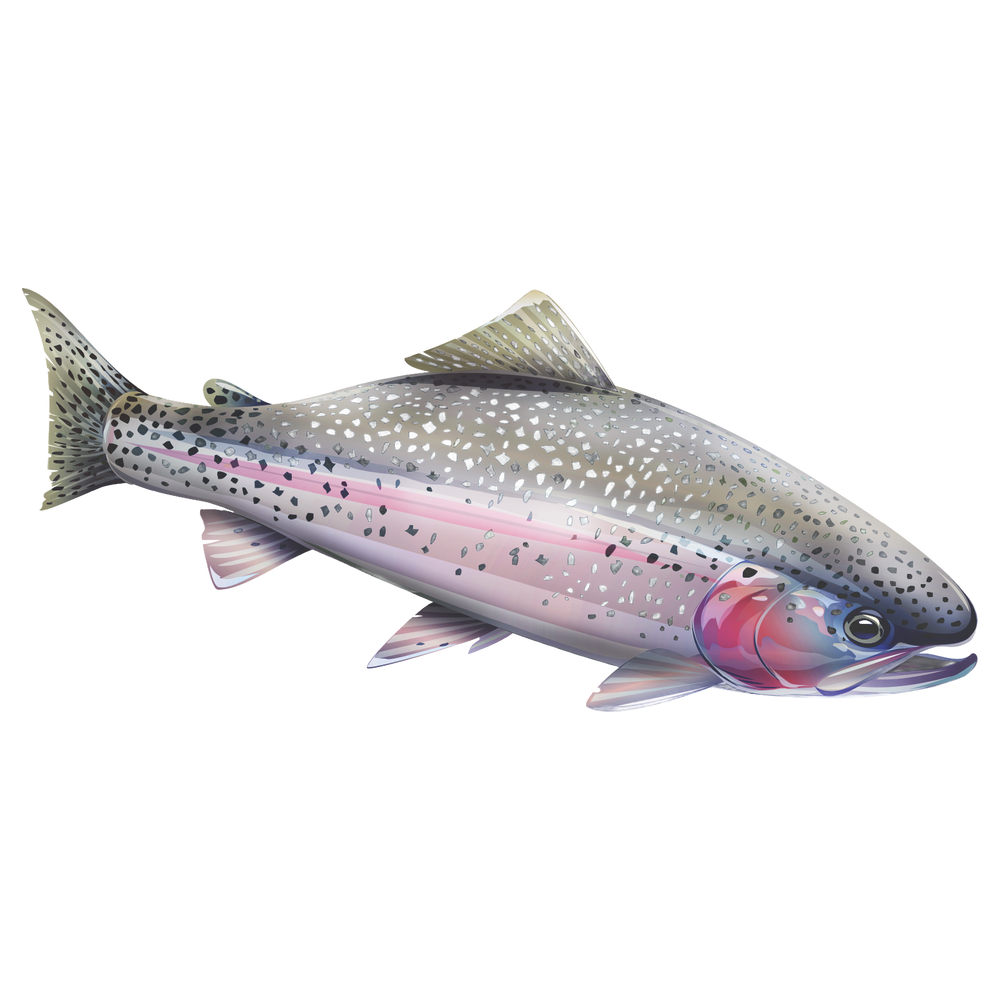
Eagle Lake Rainbow Trout
-
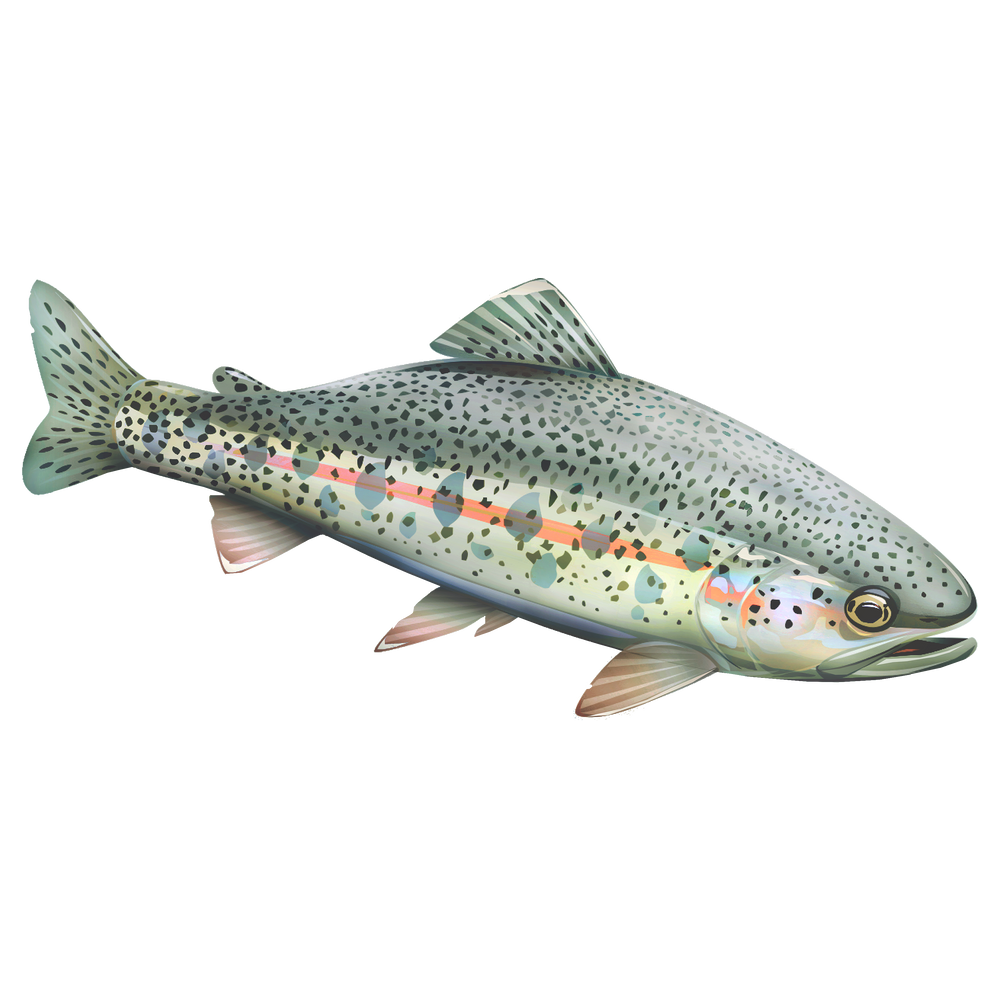
Goose Lake Redband Trout
-
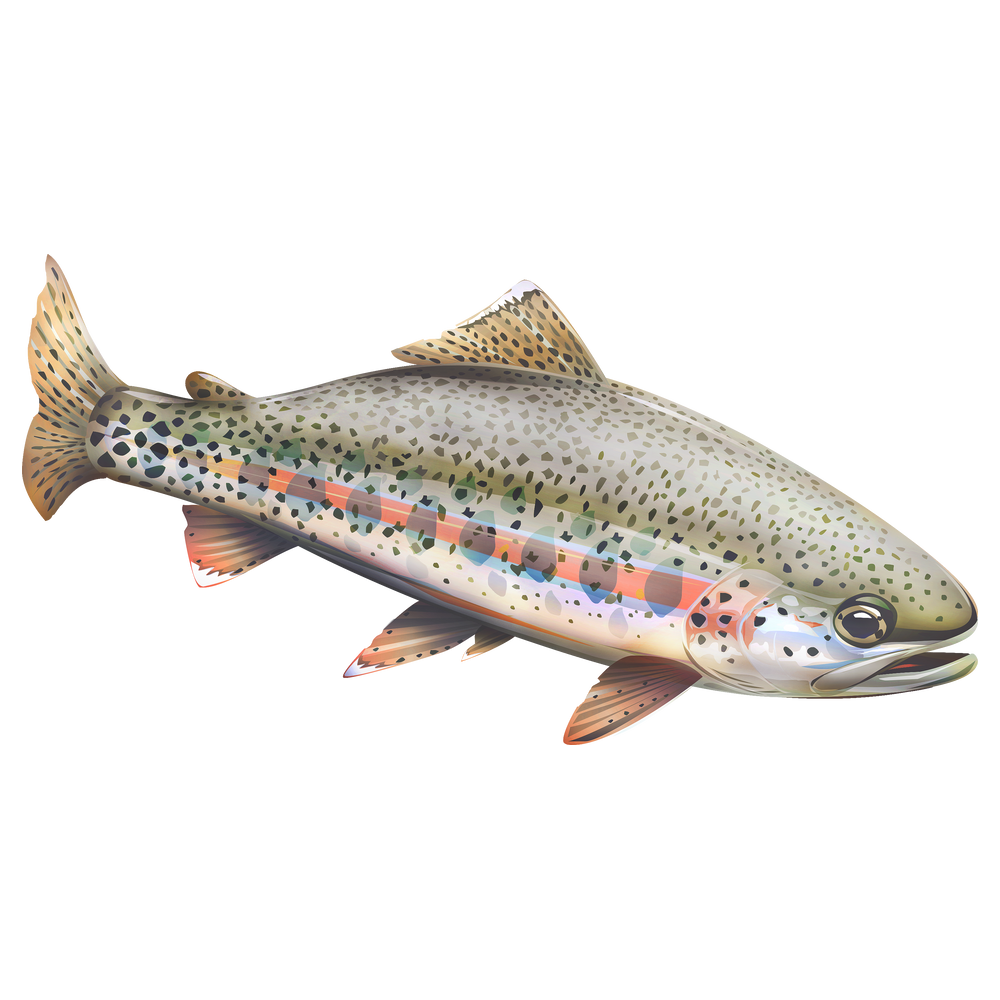
Kern River Rainbow Trout
-
Klamath Mountains Province Summer Steelhead
-
Klamath Mountains Province Winter Steelhead
-
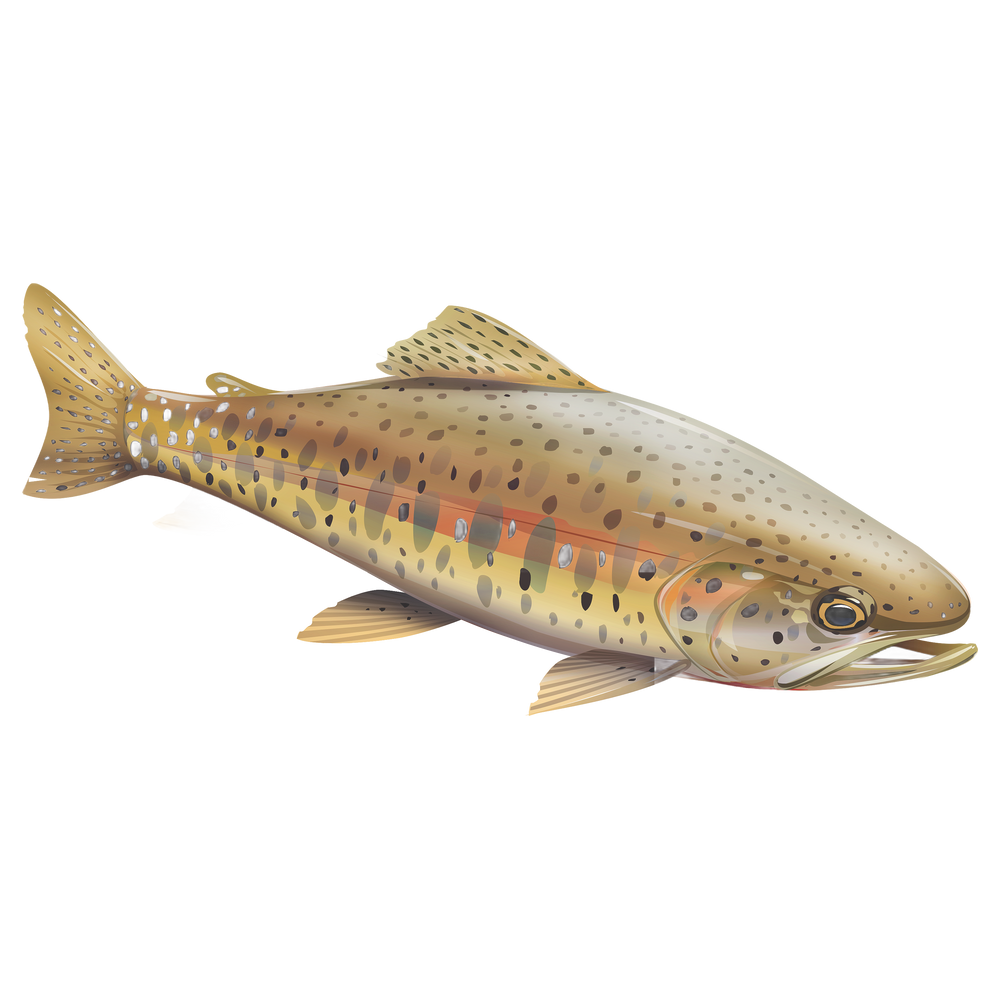
Lahontan Cutthroat Trout
-
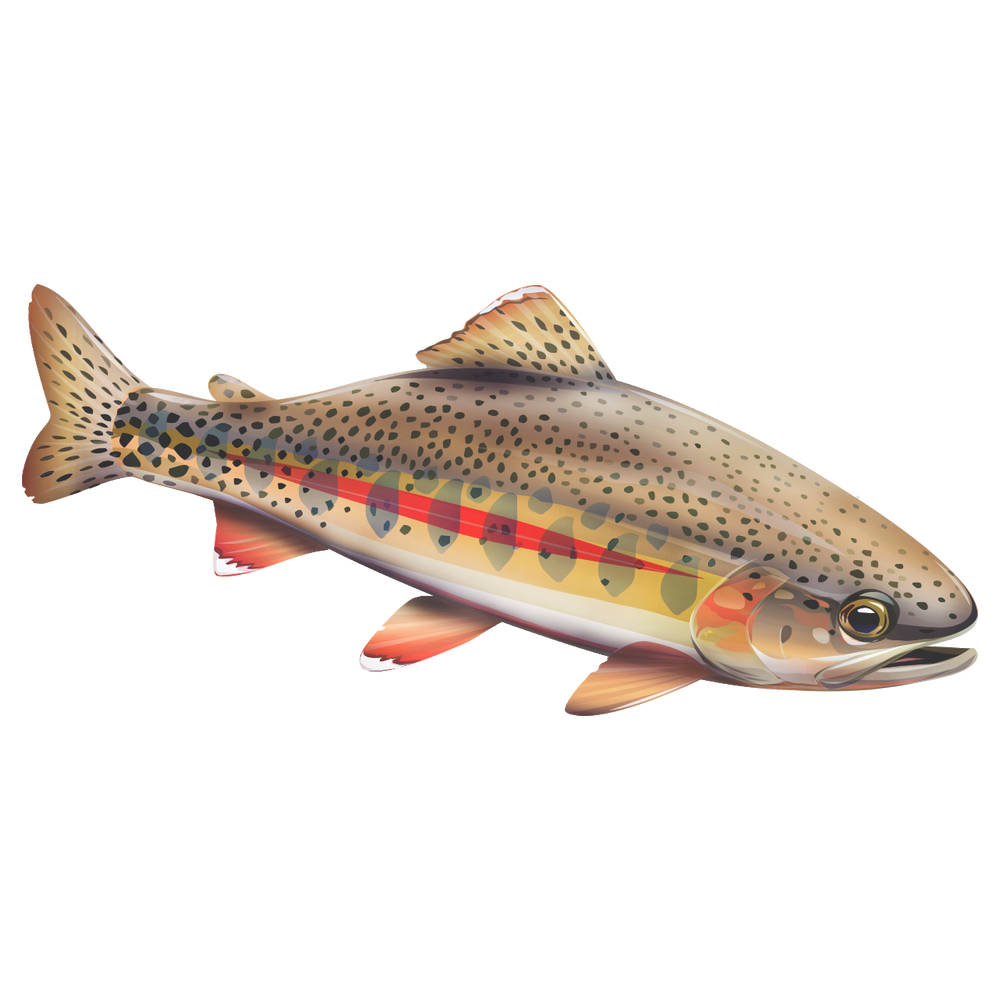
Little Kern Golden Trout
-
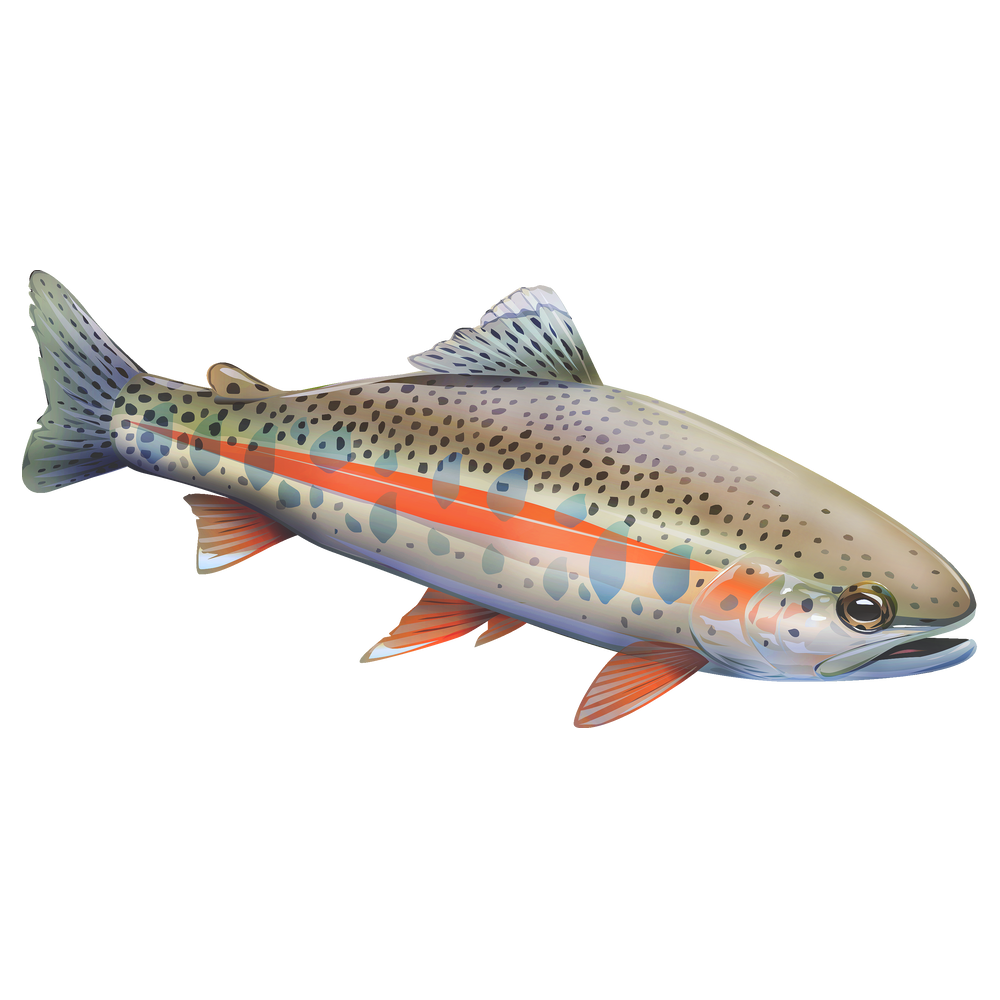
McCloud River Redband Trout
-
Northern California Summer Steelhead
-
Northern California Winter Steelhead
-
Paiute Cutthroat Trout
-
Pink Salmon
-
Sacramento River Winter-Run Chinook Salmon
-
South-Central California Coast Steelhead
-
Southern Oregon/Northern California Coast Chinook Salmon
Support Caltrout