
SCORE
1.9
CRITICAL
South-Central California Coast Steelhead
Oncorhynchus mykiss irideus
Species ranges
Related projects
At a Glance
South-Central California Coast (SCCC) steelhead are in long-term decline across their range, despite recent recovery actions taken in core watersheds. Without widespread efforts to restore streamflows and improve access to historical habitat, SCCC steelhead will likely be extinct in southern California within 50 years.
Species characteristics
Conservation Actions
Conservation Strategy
- Secure water for SCCC steelhead through purchasing water rights, setting low flow requirements, incentivizing water efficient land use practices, conservation, using storage tanks, reducing groundwater pumping, and increasing enforcement.
- Restore fish passage on a broad and coordinated scale in core watersheds.
- Expand and improve estuarine/lagoon habitat through regulation of land use practices.
- Update and implement the California Coastal Monitoring Plan protocols to gather critical population data.
- Complete a Fishery Management and Evaluation Plan to coordinate recovery actions.
Where to find South-Central California Coast Steelhead
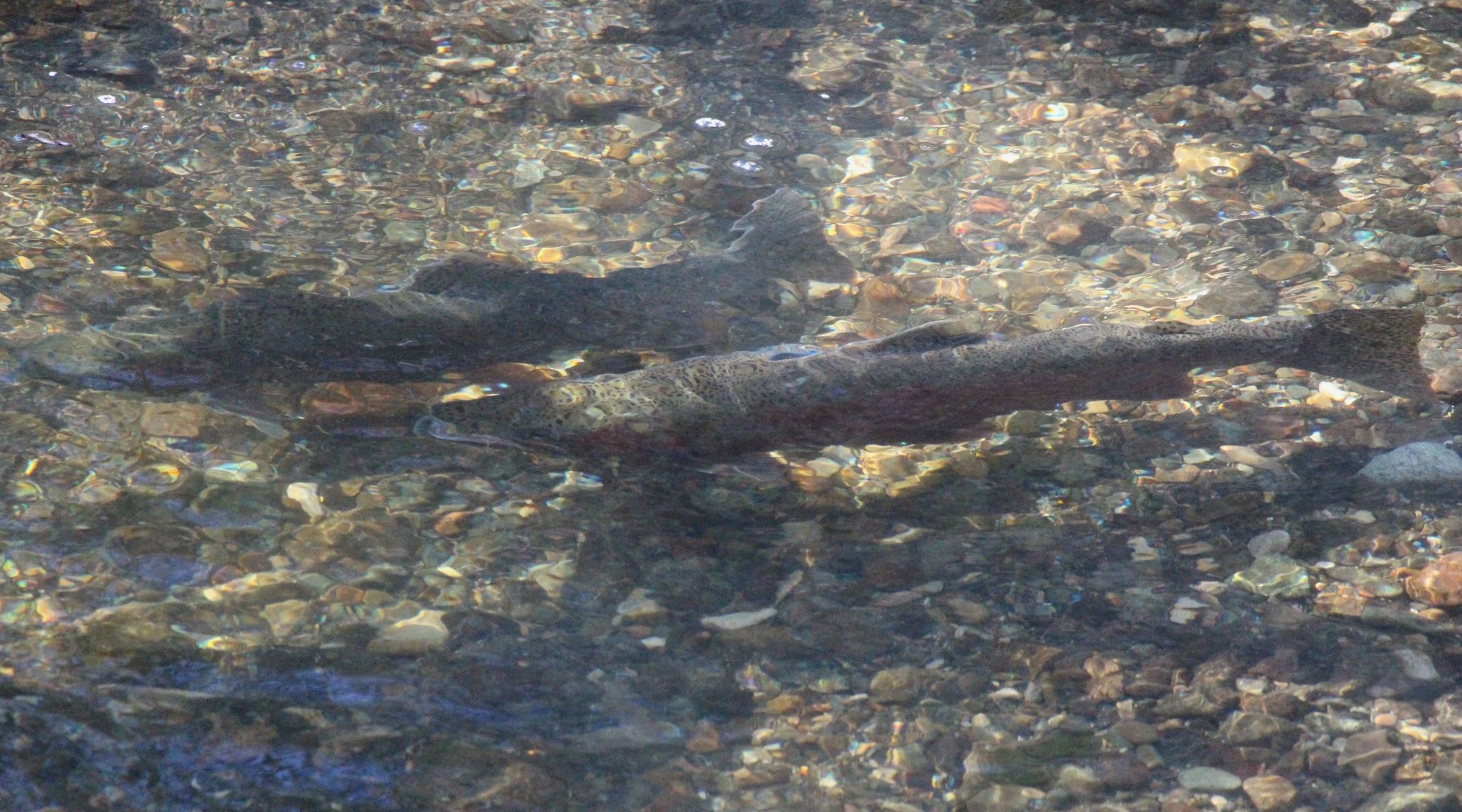
SCCC steelhead range from the Pajaro River (Santa Clara/San Benito Counties) southward to the southern edge of San Luis Obispo County. The watersheds that historically supported the largest populations of SCCC steelhead include the Pajaro, Salinas, Carmel, and Big Sur rivers. Prior to the 2012-2016 drought, SCCC steelhead were still found in nearly all coastal watersheds in their historical range, including streams with no recent historical records of steelhead, such as Los Osos, Vincente, and Villa creeks (San Luis Obispo County).
How This Species Scored
From Caltrout’s SOS II Report
| METRIC | SCORE | JUSTIFICATION |
|---|---|---|
| Area occupied | 3 | Multiple watersheds occupied in small numbers. |
| Estimated adult abundance | 1 | Most populations probably contain less than a few dozen spawners, with a total of less than 500 in the entire DPS in recent years. |
| Intervention dependence | 2 | Barrier removal, habitat restoration, and updated water management practices are critical to recovery as are restored access to historical spawning, rearing, and refuge habitat and reconnection of resident and anadromous populations. |
| Environmental tolerance | 3 | Moderate physiological tolerance; spawning multiple times is uncommon in SCCC steelhead populations |
| Genetic risk | 2 | While introgression with hatchery rainbow trout is minimal, limited gene flow among populations make them vulnerable. |
| Climate change | 1 | Rated highly vulnerable. Effects on small populations documented. |
| Anthropogenic threats | 1 | 4 “High” and 2 “Medium” factors. |
| Average | 1.9 | LEVEL OF CONCERN: CRITICAL |
CALTROUT IN ACTION
Explore CalTrout projects across the state.
Native Salmonids
Explore California’s native fish.
From steelhead to coastal cutthroat, California’s native fish are essential to healthy rivers and thriving ecosystems.
-
Bull Trout
-
California Coastal Chinook Salmon
-
California Golden Trout
-
Central California Coast Coho Salmon
-
Central California Coast Steelhead
-
Central Valley Fall-Run Chinook Salmon
-
Central Valley Late Fall-Run Chinook Salmon
-
Central Valley Spring-Run Chinook Salmon
-
Central Valley Steelhead
-
Chinook Salmon
-
Chum Salmon
-
Coastal Cutthroat Trout
-
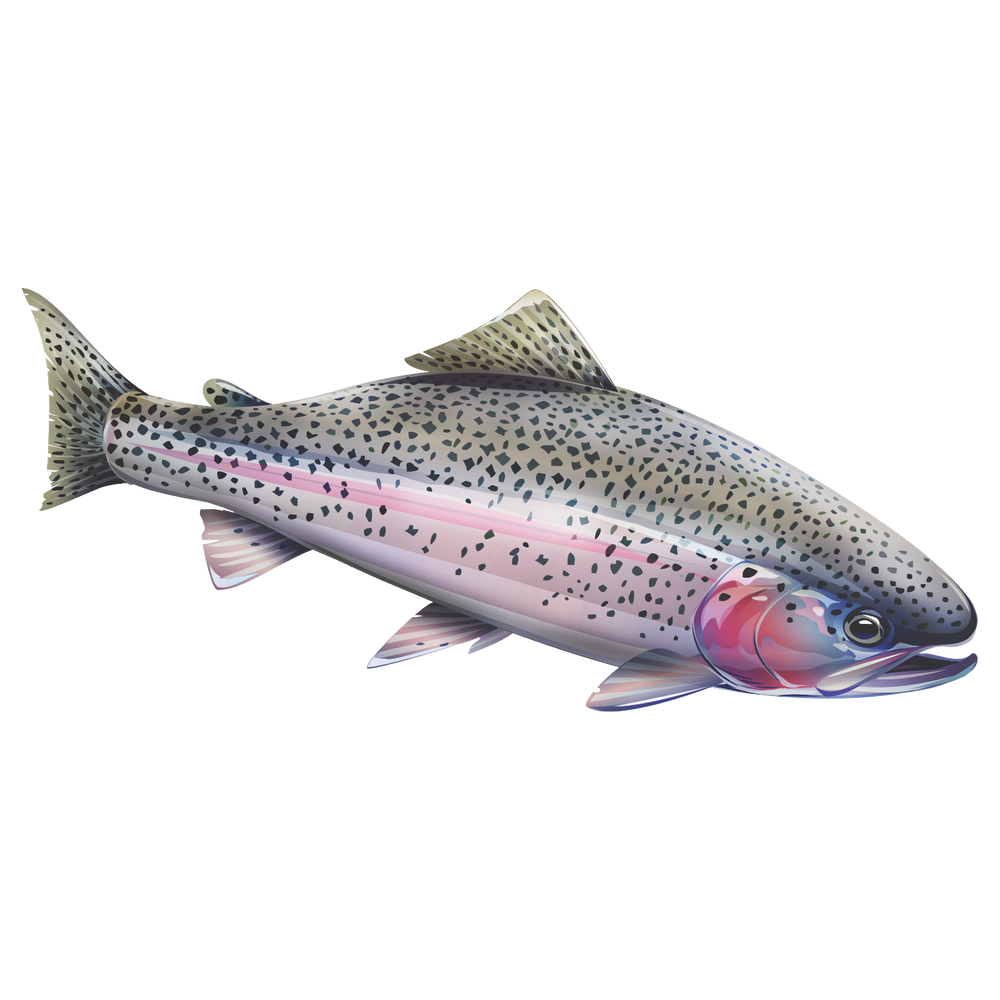
Coastal Rainbow Trout
-
Coho Salmon
-
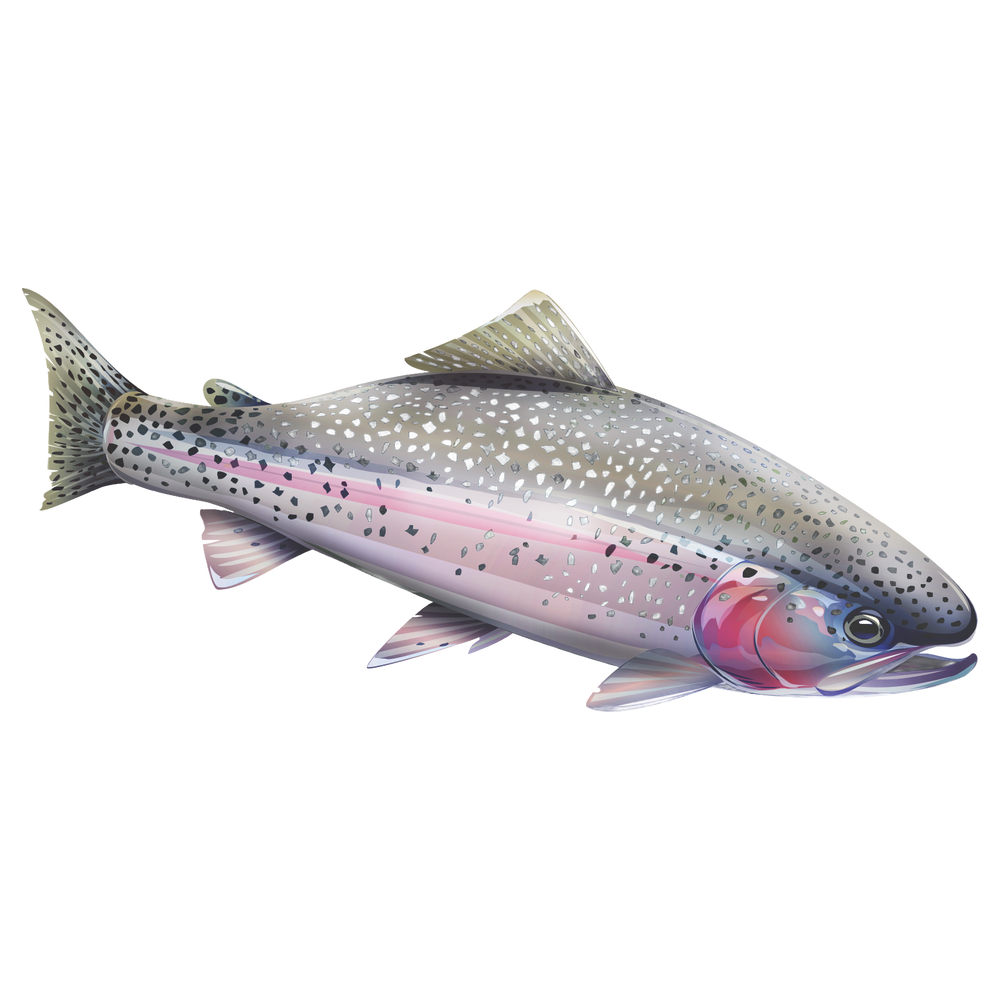
Eagle Lake Rainbow Trout
-
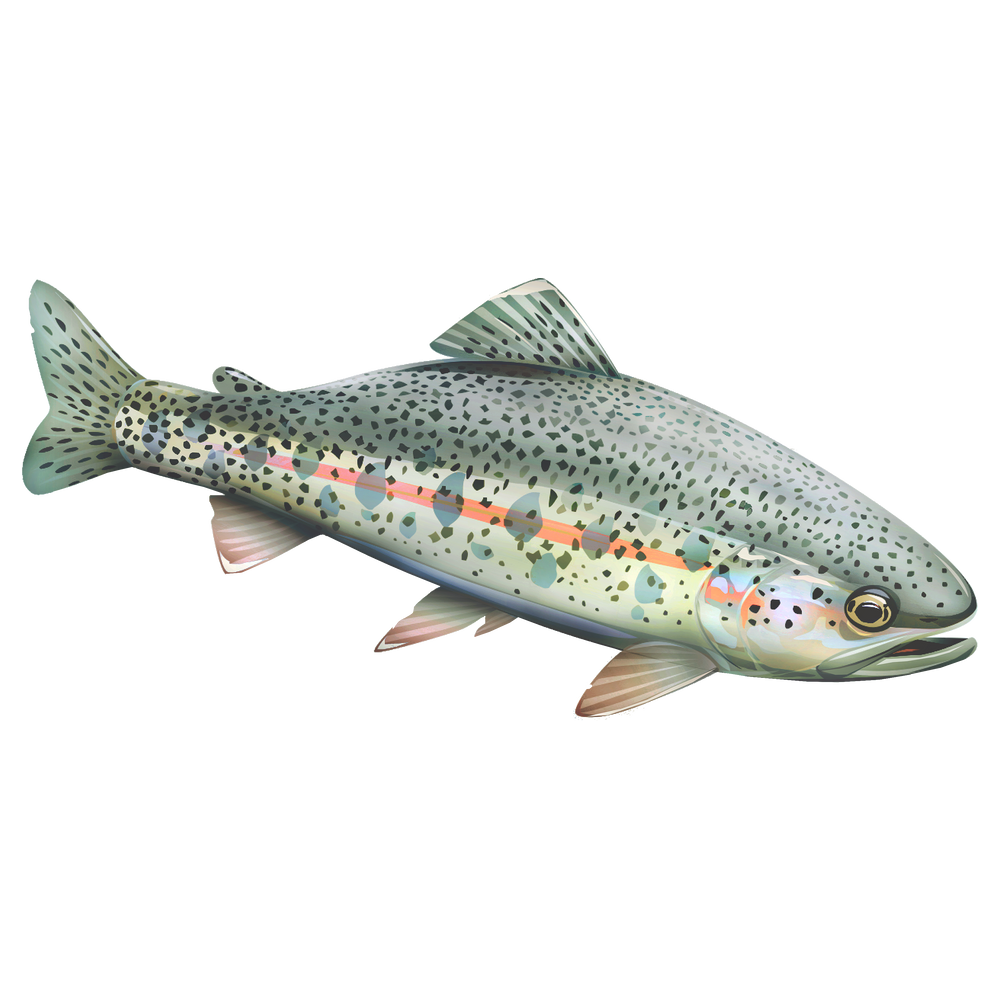
Goose Lake Redband Trout
-
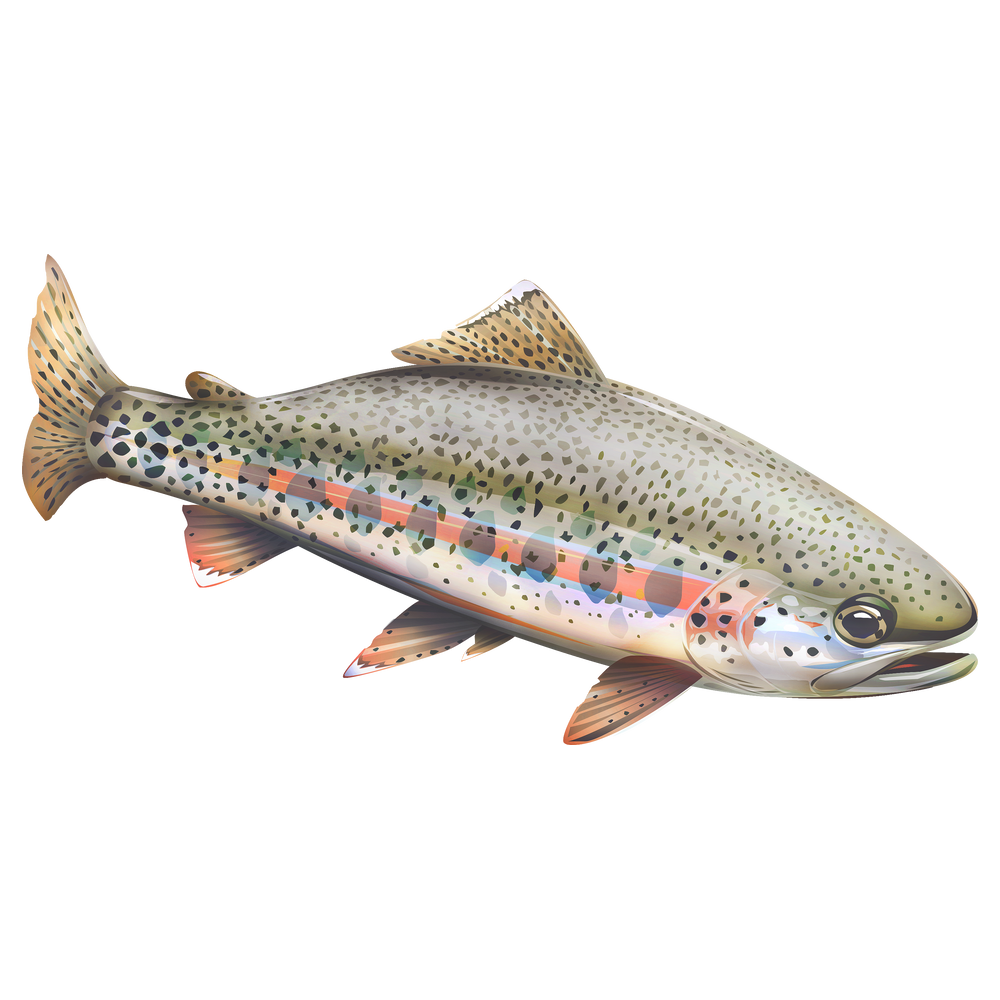
Kern River Rainbow Trout
-
Klamath Mountains Province Summer Steelhead
-
Klamath Mountains Province Winter Steelhead
-
Lahontan Cutthroat Trout
-
Little Kern Golden Trout
-
McCloud River Redband Trout
-
Northern California Summer Steelhead
-
Northern California Winter Steelhead
-
Paiute Cutthroat Trout
-
Pink Salmon
-
Sacramento River Winter-Run Chinook Salmon
-
South-Central California Coast Steelhead
-
Southern Oregon/Northern California Coast Chinook Salmon
SUPPORT CalTrout
The only statewide assessment of California’s native salmon, steelhead, and trout.
CalTrout, in collaboration with academic partners, has produced two once-a-decade State of the Salmonids reports — comprehensive scientific assessments of all 32 native salmon, steelhead, and trout species in California. The third report is currently set to release in 2027.